Have you ever wondered how much electricity your microwave oven actually uses? It’s a common appliance in most kitchens, yet few of us stop to consider its impact on our energy bills.
Understanding the electricity usage of your microwave can not only help you manage your household budget but also contribute to more energy-efficient living. You’ll discover exactly how much power your microwave consumes, how it compares to other kitchen gadgets, and what that means for your wallet.
Stick around to find out how you can make smarter choices that benefit both your finances and the planet. You won’t want to miss these insights that could lead to real savings!
Credit: www.kitchenaid.com
Microwave Power Ratings
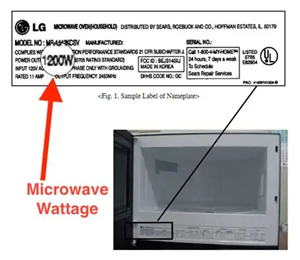
Understanding your microwave’s power rating is key to estimating how much electricity it uses. The power rating, usually shown in watts, tells you how much energy the microwave consumes when operating at full strength. This information helps you manage your energy bills better and choose the right microwave for your needs.
Watts And Energy Consumption
The wattage of a microwave indicates its power output. Most household microwaves range between 600 and 1200 watts.
Higher wattage means faster cooking but also more electricity used per minute. For example, a 1000-watt microwave uses more energy per minute than an 800-watt model, but it cooks food quicker, potentially balancing out energy use.
Have you noticed how your microwave heats food faster on higher power settings? That’s because it’s using more watts, which directly translates to higher energy consumption.
Common Power Levels Explained
Microwaves don’t always run at full power; they adjust power by cycling the magnetron on and off.
- High (100% power):Full wattage, fastest cooking.
- Medium (50-70% power):The microwave cycles on and off to maintain average power.
- Low (10-30% power):Used for gentle heating or defrosting, consumes less energy.
Using lower power settings can save electricity, but it will take longer to cook your food. So, are you willing to trade a bit more time for energy savings?

Credit: www.homedepot.com
Electricity Usage Per Cooking Session
Understanding the electricity usage per cooking session helps manage energy costs. Each time you use a microwave, it draws power based on cooking time and power level. This section breaks down how long typical cooking sessions last and the energy used per minute.
Typical Cooking Times
Microwave cooking times vary by food type and quantity. Simple tasks like reheating leftovers take about 1 to 3 minutes. Cooking frozen meals usually lasts 4 to 7 minutes. Defrosting food might require 5 to 10 minutes. The shorter the cooking time, the less electricity is consumed.
- Reheating leftovers: 1-3 minutes
- Cooking frozen meals: 4-7 minutes
- Defrosting food: 5-10 minutes
Energy Used Per Minute
Microwaves typically use between 600 and 1200 watts of power. On average, a microwave consumes around 1000 watts (1 kW) per minute of operation. For example, a 5-minute cooking session uses about 5 kWh of electricity divided by 60 to get the actual consumption.
To estimate electricity cost, multiply wattage by cooking time. Then, divide by 1000 to convert to kilowatt-hours (kWh). This helps track energy use and control electricity bills.
Comparing Microwaves To Other Appliances
Comparing microwaves to other kitchen appliances helps understand their energy use better. It shows which device saves more electricity during cooking. Knowing this can help reduce your electric bill and environmental impact.
Microwaves cook food quickly by using high-frequency waves. This method uses less energy than many other appliances. Let’s compare microwaves with ovens and toasters to see the differences in power use.
Microwave Vs Oven
Ovens need more time to cook food fully. They heat the air inside, which takes energy. Microwaves heat food directly, so they use less electricity in shorter time.
- Microwave power: 600 to 1200 watts.
- Oven power: 2000 to 5000 watts.
- Microwaves cook in minutes; ovens take longer.
- Ovens use more energy due to longer cooking times.
Ovens are better for baking or roasting. Microwaves suit reheating or cooking simple meals fast. Using a microwave can save energy for small tasks.
Microwave Vs Toaster
Toasters heat bread quickly by direct contact with heating elements. They use less power but run for short bursts. Microwaves use more power but cook faster and handle varied foods.
- Microwave power: 600 to 1200 watts.
- Toaster power: 800 to 1500 watts.
- Toasters run for 1 to 3 minutes per use.
- Microwaves run 1 to 5 minutes depending on food.
Toasters use less energy for small tasks like toasting bread. Microwaves are more versatile but use more electricity per minute.
Factors Affecting Microwave Energy Use
Understanding what affects your microwave’s energy use can help you save on electricity bills and reduce waste. Several factors influence how much power your microwave consumes during operation. Knowing these can help you make smarter choices about what and how you heat your food.
Food Type And Quantity
The kind of food you microwave directly impacts energy use. Dense or thick foods like casseroles take longer to heat, using more electricity. On the other hand, lighter or liquid foods, such as soup or beverages, heat quickly and use less energy.
Quantity matters too. Heating a large portion requires the microwave to run longer. If you often reheat small amounts separately, it might use more energy overall than heating everything at once. Have you noticed how heating a single cup of coffee takes far less time than warming a whole meal?
Microwave Age And Efficiency
Older microwaves tend to be less energy-efficient. Over time, components wear out and insulation can degrade, causing the appliance to use more electricity to do the same job. If your microwave is over 10 years old, it may be worth checking its energy consumption compared to newer models.
Newer microwaves often come with inverter technology and improved insulation, which can reduce energy use significantly. Upgrading to a modern, efficient microwave might save you money in the long run. Have you ever compared your current microwave’s wattage with the latest models?
Reducing Electricity Consumption
Reducing the electricity consumption of your microwave oven can make a noticeable difference on your energy bill. Small changes in how and when you use your microwave help you save power without sacrificing convenience. Let’s look at practical ways to cut down on electricity usage while still enjoying quick meal prep.
Energy-saving Tips
Start by using your microwave only when necessary. Heating small portions or reheating leftovers uses less energy than cooking full meals in it.
Keep the microwave clean and well-maintained. Dirt or food buildup can make it work harder, wasting electricity.
Use microwave-safe covers to trap steam and cook food faster. This reduces the cooking time and power consumption.
Consider defrosting food in the refrigerator instead of the microwave when you have time. It uses no electricity and still gets the job done.
Have you ever noticed how some microwave ovens run longer than needed? Try using the timer wisely and stop the microwave as soon as your food is ready to avoid unnecessary energy use.
Choosing Energy-efficient Models
When shopping for a microwave, look for energy-efficient models with good power ratings. They often use less electricity for the same cooking tasks.
Check the wattage carefully. A lower wattage microwave uses less power but may take longer to cook. Balance your choice based on your daily cooking habits.
Modern microwaves with inverter technology provide more consistent power and often save energy compared to older models.
Think about size too. A compact microwave fits smaller meals better and wastes less energy heating empty space.
Would you rather spend a bit more upfront to save on electricity every month? Choosing the right microwave can reduce your energy costs and environmental impact over time.

Credit: www.allelcoelec.com
Calculating Your Microwave’s Cost
Calculating the cost of running your microwave oven helps you understand its impact on your electricity bill. Knowing this lets you make smarter choices about usage and can even help reduce your monthly expenses. Let’s break down how you can figure out exactly what your microwave costs you.
Reading Your Energy Bill
Your energy bill shows how much electricity you use in kilowatt-hours (kWh). This number is key to figuring out appliance costs. Look for the total kWh used in the billing period, usually one month.
Next, find the rate you pay per kWh. This is often listed as cents per kWh or dollars per kWh. If it’s unclear, contact your utility provider or check their website.
Once you have these numbers, you’re ready to link them to your microwave’s energy use. This step is crucial for understanding your real costs.
Estimating Monthly Expenses
Start by checking your microwave’s wattage. It’s usually on a label inside the door or in the manual. Most microwaves use between 600 to 1200 watts.
Think about how long you use the microwave daily. For example, if you run it for 5 minutes a day, that’s 0.083 hours.
Use this formula to find daily energy use:
- Wattage (in kW) × Hours used
So, a 1000-watt microwave running 5 minutes daily uses 0.083 kWh per day (1 kW × 0.083 hours).
Multiply that by your daily kWh rate to find the daily cost. Then multiply by 30 for a monthly estimate.
Have you ever wondered if turning off the microwave immediately after heating really saves money? Even small habits like this can add up over time.
Frequently Asked Questions
How Much Electricity Does A Microwave Use Per Hour?
A typical microwave uses 600 to 1200 watts per hour. Power consumption depends on the model and cooking settings. On average, it uses about 0. 6 to 1. 2 kWh if run continuously for an hour.
Does Microwave Wattage Affect Electricity Consumption?
Yes, higher wattage microwaves consume more electricity. A 1000-watt microwave uses more power than a 700-watt one. Cooking time also varies, affecting total energy usage.
How To Reduce Electricity Usage Of A Microwave?
Use the microwave efficiently by cooking only necessary portions. Avoid overcooking and use appropriate power settings. Regular maintenance ensures optimal performance and energy efficiency.
Is A Microwave More Energy-efficient Than An Oven?
Yes, microwaves use less electricity than conventional ovens. They cook food faster, reducing overall energy consumption. Microwaves are ideal for small meals and reheating.
Conclusion
Microwave ovens use electricity based on their power and usage time. Most models use between 600 to 1,200 watts per hour. Short cooking times mean less energy use overall. Choosing the right microwave size helps save electricity. Also, using a microwave instead of a stove can be more efficient.
Knowing your microwave’s energy use helps control your bills. Small changes in how you use it make a big difference. Save energy without losing convenience. Simple steps lead to smart cooking and lower costs.