Are you wondering how much electricity your portable air conditioner really uses? You’re not alone.
Knowing this can help you save money on your energy bills and keep your home cool without surprises. You’ll discover the facts about power consumption, simple tips to reduce usage, and what to expect from different models. By the end, you’ll feel confident about using your portable AC smartly—keeping your comfort high and your costs low.
Keep reading to find out exactly how your portable air conditioner affects your electricity bill.
Portable Ac Power Consumption
Portable air conditioners are popular for cooling small spaces. Knowing their electricity use helps save energy and money.
This guide explains how much power these units use and what affects their energy consumption.
Typical Wattage Range
Portable air conditioners usually consume between 500 and 1500 watts. The exact wattage depends on size and model.
| Unit Size (BTU) | Power Consumption (Watts) |
|---|---|
| 8,000 BTU | 500 – 700 W |
| 10,000 BTU | 700 – 900 W |
| 12,000 BTU | 900 – 1,200 W |
| 14,000 BTU | 1,200 – 1,500 W |
Factors Affecting Energy Use
Several factors change how much electricity a portable AC uses. These affect the overall energy consumption.
- Room size and insulation quality
- Outdoor temperature and humidity levels
- Usage time and fan speed settings
- Unit maintenance and filter cleanliness
- Energy efficiency rating of the model
Cooling Capacity And Efficiency
Cooling capacity is measured in BTU and shows how much heat the AC can remove. Efficiency shows how well it uses electricity.
| BTU Rating | Approximate Room Size (sq ft) | Energy Efficiency Ratio (EER) |
|---|---|---|
| 8,000 | 150 – 250 | 9.5 – 11 |
| 10,000 | 250 – 350 | 9.0 – 10.5 |
| 12,000 | 350 – 450 | 8.5 – 10 |
| 14,000 | 450 – 550 | 8.0 – 9.5 |
EER shows how much cooling you get per watt of power. Higher EER means better efficiency and lower costs.
Credit: sntoom.net
Comparing Energy Use With Other Ac Types
Portable air conditioners use electricity to cool rooms. Their energy use varies by type and size. Comparing them with other air conditioners helps understand costs.
This guide compares portable units with window air conditioners and split systems. It shows how each type uses energy and affects bills.
Window Vs Portable Units
Window and portable air conditioners both cool single rooms. Portable units are easy to move but often use more electricity than window units.
- Window units install in a window and are usually sealed tightly.
- Portable units sit on the floor and need a hose to vent hot air outside.
- Window units often have better energy efficiency ratings.
- Portable units sometimes leak warm air, increasing electricity use.
- Energy use of window units ranges from 500 to 1,500 watts.
- Portable units use about 800 to 1,600 watts, depending on size.
Split Systems And Energy Costs
Split system air conditioners have two parts: an indoor unit and an outdoor compressor. They cool larger spaces efficiently and use less electricity per cooling power.
| Air Conditioner Type | Average Power Use (Watts) | Typical Cooling Area (Square Feet) | Energy Efficiency |
|---|---|---|---|
| Portable Unit | 800 – 1,600 | 150 – 350 | Lower |
| Window Unit | 500 – 1,500 | 150 – 400 | Moderate |
| Split System | 1,000 – 3,500 | 300 – 1,500+ | High |
Calculating Your Portable Ac Electricity Cost
Knowing how much electricity your portable air conditioner uses helps you plan your energy budget. You can find this by reading power labels and estimating how long you use the AC.
This guide explains how to check the power label and calculate daily and monthly electricity costs.
Reading Power Labels
Portable AC units have power labels that show how much electricity they use. This label usually lists wattage or amps and volts.
- Find the wattage (W) on the label. This shows the power consumption.
- If only amps (A) and volts (V) are listed, multiply them: Watts = Amps × Volts.
- Check if the wattage is for cooling or maximum usage.
- Use the wattage value to estimate electricity use.
Estimating Daily And Monthly Use
To find your electricity cost, calculate how many hours you use the AC daily and monthly. Then, use your local electricity rate.
| Calculation Step | Formula | Example |
| Daily energy use (kWh) | (Wattage × Hours used) ÷ 1000 | (1200 W × 8 hours) ÷ 1000 = 9.6 kWh |
| Monthly energy use (kWh) | Daily kWh × Days used per month | 9.6 kWh × 30 days = 288 kWh |
| Monthly cost ($) | Monthly kWh × Cost per kWh | 288 kWh × $0.12 = $34.56 |

Credit: www.amazon.com
Energy-saving Tips For Portable Acs
Portable air conditioners use electricity to cool your space. You can lower energy use with simple changes.
Saving energy helps reduce your bills and keeps your AC running well for longer.
Optimal Temperature Settings
Set your portable AC to a comfortable but not too cold temperature. Around 24-26°C (75-78°F) works well.
Lower settings make the AC work harder and use more electricity.
- Use 24-26°C for energy savings
- Avoid lowering temperature too much
- Adjust settings based on room use
Proper Unit Placement
Place your portable AC near a window or vent for easy air flow. Avoid spots with direct sunlight.
Good placement helps the unit cool faster and run less time, saving energy.
- Keep away from heat sources
- Use near windows or vents
- Ensure no air blockages around unit
Maintenance For Efficiency
Clean your portable AC filters regularly. Dirty filters reduce airflow and make the AC use more power.
Check and remove dust on vents and coils to keep the unit working well.
- Clean or replace filters monthly
- Clear dust from vents and coils
- Inspect for leaks or blockages
Using Timers And Smart Controls
Use timers to turn off the AC when you don’t need it. Smart controls can adjust settings automatically.
This reduces wasted energy by running the unit only when necessary.
- Set timers to match your schedule
- Use smart thermostats if available
- Turn off AC when rooms are empty
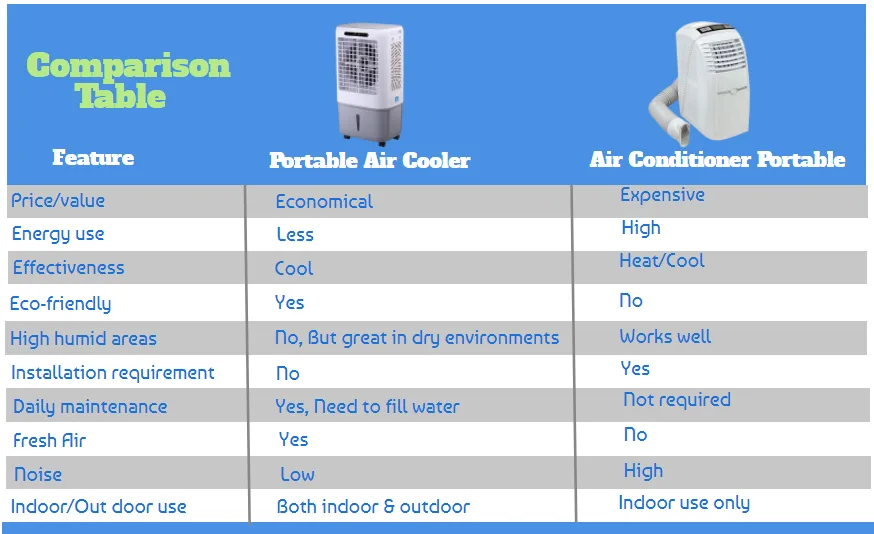
Alternative Cooling Options
Portable air conditioners use electricity to cool rooms. Some people want other ways to stay cool. These options can save energy and lower bills.
Choosing the right cooling method depends on your space and needs. Fans, evaporative coolers, and better home insulation are good choices.
Fans And Evaporative Coolers
Fans use little electricity to move air around. They do not lower air temperature but help you feel cooler by increasing airflow.
Evaporative coolers, or swamp coolers, use water to cool air. They work best in dry climates and use less energy than air conditioners.
- Fans use about 10 to 100 watts of electricity
- Evaporative coolers use roughly 100 to 300 watts
- Both options cost less to run than portable AC units
Improving Home Insulation
Good insulation keeps cool air inside and hot air out. This reduces the need for electric cooling devices.
Check windows, doors, and walls for leaks. Use weatherstripping or curtains to block heat.
- Seal cracks around windows and doors
- Use heavy curtains during hot days
- Install insulation in walls and attic
- Ventilate your home to remove hot air
Credit: www.zerobreeze.com
Frequently Asked Questions
How Much Power Does A Portable Ac Use?
A portable air conditioner typically uses between 900 to 1,600 watts. The exact usage depends on the model and size. Smaller units consume less energy, while larger units consume more. Always check the unit’s Energy Efficiency Ratio (EER) for accurate information on its power consumption.
Are Portable Acs Energy Efficient?
Portable air conditioners are generally less energy-efficient than window units. They often have lower Energy Efficiency Ratios (EER). However, they can be efficient for cooling small spaces or individual rooms. To optimize efficiency, ensure proper insulation and minimize heat sources in the room.
How To Calculate Portable Ac Electricity Cost?
To calculate the electricity cost, multiply the unit’s wattage by hours used. Then, divide by 1,000 to convert to kilowatt-hours (kWh). Finally, multiply by your local electricity rate. This gives you the approximate cost of operating your portable AC.
Can I Reduce Portable Ac Energy Usage?
Yes, you can reduce energy usage by maintaining the unit properly. Clean filters regularly and ensure proper ventilation. Use the unit in well-insulated rooms and adjust the thermostat to a moderate setting. These steps help in minimizing energy consumption.
Conclusion
Portable air conditioners use different amounts of electricity based on size and settings. Smaller units use less power but cool smaller areas. Running the air conditioner at high settings increases electricity use. To save energy, turn it off when not needed and close windows.
Knowing how much electricity your unit uses helps manage your bills. Choose the right size for your space to avoid wasting power. Simple habits make a big difference in energy savings and comfort.