
Have you ever wondered how much electricity your washer and dryer use every time you do laundry? Knowing this can help you save money on your energy bills and make smarter choices for your home.
You’ll discover simple facts about the power consumption of these everyday appliances. By understanding their energy use, you can take easy steps to cut costs and reduce waste without giving up the convenience of clean clothes. Keep reading to find out exactly what’s draining your electricity and how you can control it.
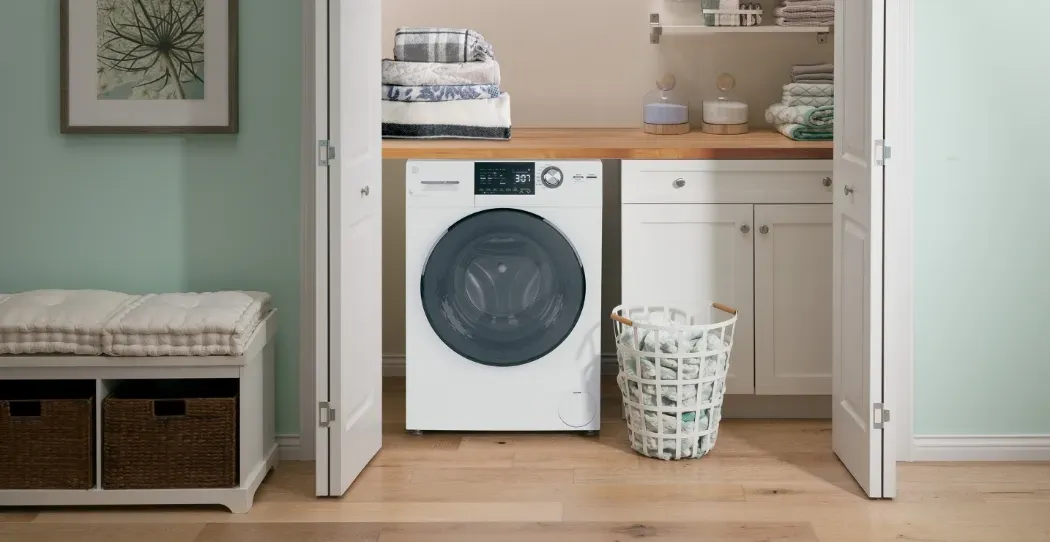
Credit: www.woodcocks.us
Electricity Use Of Washers
Washing machines use electricity to run motors and control systems. The amount of power depends on the type and model.
Knowing how much electricity a washer uses helps reduce energy bills and environmental impact.
Average Consumption Per Load
On average, a washing machine uses about 0.3 to 2 kilowatt-hours (kWh) of electricity per load. Front-loading washers usually use less energy than top-loading ones.
The energy use depends on the cycle length, water temperature, and load size.
- Cold water cycles use less energy than hot water cycles
- Shorter wash cycles consume less electricity
- Full loads are more energy-efficient than small loads
Factors Affecting Washer Energy Use
The type of washer affects energy use. Front-loaders spin faster and save electricity. Top-loaders use more water and power.
Other factors include water temperature, cycle settings, and machine age.
- Hot water cycles increase electricity use
- Longer cycles use more power
- Older washers may be less efficient
- High spin speeds reduce drying time and save energy overall
Energy Ratings And Efficiency
Energy ratings show how efficient a washing machine is. Look for washers with high efficiency labels to save power.
Energy Star certified washers use less electricity and water than standard models.
- Energy Star washers use about 25% less energy
- High efficiency washers use less water
- Efficient washers reduce electricity bills
Electricity Use Of Dryers
Dryers use a lot of electricity to dry clothes quickly. The amount of power depends on the dryer’s size and type.
Knowing how much energy your dryer uses can help you save on bills and protect the environment.
Typical Energy Consumption
Most dryers use about 2 to 6 kilowatt-hours (kWh) per load. The exact number changes by dryer model and drying time.
Longer drying times and higher heat settings increase electricity use. A full load uses more power than a small load.
- Electric dryers use about 3 to 6 kWh per load
- Gas dryers use less electricity, around 1 to 2 kWh
- Drying time affects total energy use
Impact Of Dryer Type On Usage
Electric and gas dryers use energy differently. Electric dryers rely fully on electricity, while gas dryers use gas for heat.
Heat pump dryers use less electricity by recycling heat. They cost less to run but may take longer to dry clothes.
- Electric dryers use only electricity
- Gas dryers use gas for heat and less electricity
- Heat pump dryers save electricity by reusing heat
Energy-saving Features To Look For
Modern dryers include features that reduce electricity use. These features help save money and energy.
Look for moisture sensors, eco modes, and good insulation to cut power use without losing drying quality.
- Moisture sensors stop drying when clothes are dry
- Eco modes use lower heat and longer drying times
- Good insulation keeps heat inside the drum
- Energy Star certified dryers use less electricity
Comparing Washers And Dryers
Washers and dryers are common household appliances. They use electricity to clean and dry clothes. Understanding their energy use helps save money and reduce waste.
This guide compares how much electricity washers and dryers use. It looks at which uses more power, combined costs, and how usage changes energy use.
Which Uses More Electricity?
Dryers usually use more electricity than washers. Washers mainly use power to run motors and pumps. Dryers use heat, which needs a lot of energy.
- Washers use about 0.3 to 2 kWh per load.
- Dryers use about 2 to 6 kWh per load.
- Electric dryers consume more power than gas dryers.
- High-efficiency washers use less electricity.
Combined Energy Costs
The total energy cost depends on how often you use each appliance. Both add up over time. Knowing their costs helps plan your budget better.
| Appliance | Energy Use per Load (kWh) | Estimated Cost per Load ($) |
| Washing Machine | 0.5 | 0.06 |
| Dryer (Electric) | 3.5 | 0.42 |
| Dryer (Gas) | 1.2 | 0.15 |
Usage Patterns And Their Effects
How you use washers and dryers changes electricity use. Small changes can save energy and money.
- Running full loads saves energy per item.
- Using cold water for washing cuts power use.
- Air drying clothes reduces dryer use.
- Cleaning dryer lint filters improves efficiency.
- Choosing energy-efficient models lowers electricity use.
Reducing Laundry Energy Consumption
Using a washer and dryer consumes a lot of electricity. Learning how to reduce this energy use can save money. It is also better for the environment.
There are simple ways to make laundry more energy efficient. These tips can help you use less power while keeping clothes clean.
Tips For Efficient Washing
Washing clothes with less energy is easy. Use cold water settings when possible. Cold water cleans clothes well and uses less power.
- Wash full loads to save energy
- Use high-efficiency detergent
- Choose shorter wash cycles
Drying Techniques To Save Power
Drying clothes can use a lot of electricity. Air drying is the best way to save energy. Use a clothesline or drying rack for best results.
- Clean the dryer filter after each use
- Use the automatic cycle to avoid over-drying
- Combine similar fabrics for even drying
Choosing Energy-efficient Appliances
Choosing the right appliances can make a big difference. Look for models with the Energy Star label. These machines use less electricity and water.
Energy-efficient washers and dryers can save money in the long run. They are also better for the planet.
| Feature | Benefit |
| Energy Star Label | Uses less power |
| Front Load Washer | Less water use |
| Gas Dryer | Lower energy cost |
Cost Implications Of Laundry Energy Use
Using a washer and dryer consumes electricity that affects your utility bills. Knowing the cost can help manage household expenses.
Laundry energy use varies by machine type, load size, and frequency. Understanding these factors helps control spending.
Monthly And Annual Costs
The average washer uses about 0.3 to 2 kWh per load. Dryers use more, around 2 to 6 kWh per load. These add up each month.
| Appliance | Energy Use per Load (kWh) | Monthly Cost (USD) | Annual Cost (USD) |
| Washing Machine | 0.3 – 2 | $2 – $12 | $24 – $144 |
| Dryer | 2 – 6 | $12 – $36 | $144 – $432 |
Impact On Household Energy Bills
Laundry can make up 10% to 15% of total electricity use in a home. This affects monthly energy bills noticeably.
- Frequent laundry loads increase energy costs.
- Older machines use more electricity than newer models.
- Using high heat settings raises dryer power use.
- Running machines during peak hours can increase rates.
Long-term Savings With Efficient Practices
Saving energy in laundry reduces costs over time. Small changes in habits and equipment can help.
- Choose energy-efficient washers and dryers.
- Wash full loads to maximize energy use.
- Use cold water to save heating energy.
- Air dry clothes when possible.
- Clean dryer lint filters regularly for efficiency.

Credit: www.consumerreports.org
Environmental Impact Of Laundry Appliances
Washing machines and dryers use a lot of electricity. This use affects the environment in many ways. Knowing how much energy they use helps us reduce harm.
Every load of laundry has an impact. Energy comes from power plants that burn fuels. These fuels release gases that warm the planet.
Carbon Footprint Of Washers And Dryers
Washers and dryers produce carbon dioxide when they use electricity. The amount depends on the machine type and usage. Dryers usually use more power than washers.
Using old machines can increase emissions. Newer models are often more energy-efficient. Reducing the number of laundry loads also lowers carbon footprints.
- Dryers use more energy than washers
- Gas dryers may produce fewer emissions than electric ones
- Cold water washes cut energy use
- Full loads save energy per item
Benefits Of Energy Conservation
Saving energy lowers utility bills and helps the planet. Less energy use means fewer greenhouse gases. This slows climate change and protects nature.
Energy conservation in laundry also reduces pollution. It helps keep air and water cleaner. Small changes in habits can lead to big savings.
- Lower electricity bills
- Reduce air pollution
- Decrease greenhouse gas emissions
- Extend appliance life
Sustainable Laundry Habits
Simple habits can make laundry more eco-friendly. Wash clothes in cold water. Use full loads instead of small ones. Air dry clothes when possible.
Choosing energy-efficient machines also helps. Regular maintenance keeps appliances working well. These habits reduce energy use and protect the environment.
- Wash with cold water
- Run full loads only
- Air dry clothes
- Use energy-efficient washers and dryers
- Keep machines clean and maintained

Credit: oakvilleappliance.com
Frequently Asked Questions
How Much Electricity Does A Washer Use Per Load?
A typical washer uses about 0. 3 to 2 kWh of electricity per load. Energy-efficient washers consume less power, saving money over time.
How Much Electricity Does A Dryer Consume Per Cycle?
Dryers usually consume between 2 to 6 kWh per cycle. The exact usage depends on dryer type, load size, and drying time.
What Factors Affect Washer And Dryer Electricity Use?
Energy consumption varies by appliance model, load size, and cycle duration. Using energy-saving modes and full loads reduces electricity use.
Can Using Cold Water Reduce Washer Electricity Use?
Yes, washing with cold water significantly lowers electricity consumption. Heating water accounts for most washer energy use, so cold cycles save power.
Conclusion
Washers and dryers use different amounts of electricity. Choosing energy-efficient models can save money. Running full loads reduces energy waste. Using cold water for washing cuts electricity use. Drying clothes outside is free and eco-friendly. Small changes make a big difference in energy bills.
Understanding your machines helps control electricity costs. Simple habits keep your laundry routine green and cheap. Try these tips and watch your electricity use drop. Save energy, save money, and care for the planet.