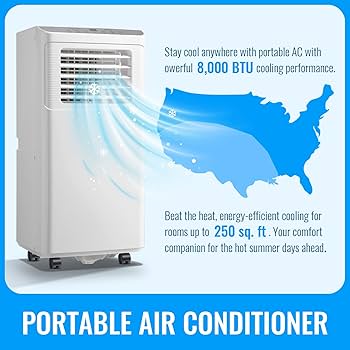
Are you wondering how much energy your portable air conditioner uses? You’re not alone.
When the heat rises, staying cool is a must—but so is keeping your energy bills in check. Understanding the energy consumption of your portable AC can help you make smarter choices for your comfort and your wallet. You’ll discover the real power behind these handy devices and learn tips to keep your energy use low without sacrificing cool air.
Keep reading to find out how to stay comfortable and save money at the same time.
Energy Consumption Basics
Portable air conditioners use energy measured in watts or kilowatts. The power usagedepends on the unit’s size and settings. Energy consumption varies a lot between models.
BTU (British Thermal Unit) ratings show the cooling power. Higher BTUs mean more cooling but also more energy use. Efficiency is key. Look for units with a better Energy Efficiency Ratio (EER) to save power.
Several factors affect energy use:
- Room size:Bigger rooms need more cooling and energy.
- Temperature setting:Lower temps use more power.
- Usage time:Longer running times increase energy use.
- Insulation quality:Poor insulation means more energy needed.

Credit: northnjhvac.com
Comparing Portable Acs With Other Cooling Options
Portable air conditionersusually use more energy than window units. Window units fit in the window and cool one room. Portable ACs can be moved but need venting through a window, which can let heat in.
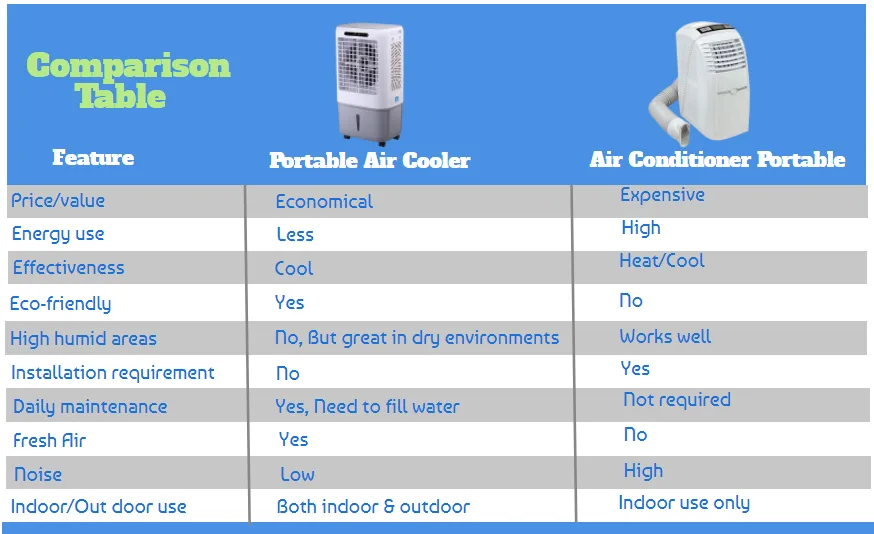
Evaporative coolersuse less energy than air conditioners. They cool by adding moisture to the air. This works best in dry climates but not in humid areas.
| Cooling System | Energy Use | Best For |
|---|---|---|
| Window AC | Low to Medium | Single rooms, easy installation |
| Portable AC | Medium to High | Flexibility, rooms without windows |
| Evaporative Cooler | Very Low | Dry climates, whole house |
Energy costs vary by system. Portable ACs often cost more to run than window units. Evaporative coolers save energy but don’t cool as much. Choose based on your space and climate.
Calculating Running Costs
To estimate daily energy use, check the unit’s power rating in watts. Multiply watts by hours of use to find daily watt-hours. Divide by 1,000 to get kilowatt-hours (kWh), the unit electricity companies use.
Electricity rates vary widely. Costs depend on your local price per kWh. For example, if your rate is $0.12 per kWh and your unit uses 1.5 kWh daily, expect to pay about $0.18 per day.
Seasonal changes affect energy use. Hotter months require more cooling, raising energy consumption. Cooler months need less running time, lowering costs.
| Factor | Impact |
|---|---|
| Power Rating (Watts) | Determines energy used per hour |
| Usage Hours | More hours means higher daily energy use |
| Electricity Rate ($/kWh) | Affects cost of running the unit |
| Season | Hotter seasons increase energy consumption |
Improving Energy Efficiency
Place the portable air conditioner near a window or vent. This helps the unit cool the room faster and use less energy. Avoid placing it where direct sunlight hits, as heat makes it work harder.
Regular cleaning keeps the unit running well. Clean or change filters every few weeks. Remove dust from vents and coils. This stops blockages and saves power.
- Set timers to turn off the unit when not needed.
- Use thermostats to keep room temperature steady.
- Avoid setting very low temperatures; it wastes energy.
Environmental Impact Of Portable Acs
The carbon footprintof portable air conditioners depends on their energy use. These units use electricity, which often comes from fossil fuels. More electricity means higher carbon emissions. Choosing models with energy-efficient featureshelps lower this impact.
Different refrigerantsaffect the environment in various ways. Older refrigerants can harm the ozone layer and cause global warming. Newer, eco-friendly refrigerants reduce these risks but still need proper handling.
| Aspect | Details |
|---|---|
| Energy Star Ratings | Show which models use less energy and save money. |
| Carbon Emissions | Lower with efficient units and cleaner energy sources. |
| Refrigerant Types | New types have less environmental harm than old ones. |
Credit: sntoom.net
Cost-benefit Analysis
Initial costsof portable air conditioners include purchase price and installation. These units usually cost less than central air systems. Energy savingscome from cooling small spaces efficiently. They use less power than bigger units. The balance depends on how often the unit runs and local electricity prices.
Over time, energy bills add up. A portable AC that uses less power saves more money in the long run. Maintenance costs, like filter cleaning, also affect the total expense. Keeping the unit in good shape helps it run well and saves energy.
Upgrading or replacing is wise if the unit breaks down often or energy bills rise. Newer models use improved technology and can be more energy efficient. A switch can reduce costs and improve comfort.
Credit: www.jackery.com
Frequently Asked Questions
How Much Power Do Portable Acs Consume?
Portable air conditioners typically use between 800 to 1,500 watts per hour. The exact consumption depends on the unit’s size, efficiency, and settings. Smaller units consume less energy, making them more cost-effective. Regular maintenance ensures optimal performance and energy efficiency.
Always check the Energy Efficiency Ratio (EER) before purchasing.
Are Portable Air Conditioners Energy Efficient?
Portable air conditioners can be energy efficient if chosen wisely. Look for models with high Energy Efficiency Ratios (EER). They provide better cooling with less energy. Regular maintenance and proper usage can enhance efficiency. Consider the room size and unit capacity for optimal energy use.
Always compare models before purchasing.
Do Portable Acs Increase Electricity Bills?
Yes, portable air conditioners can increase electricity bills. They consume significant power, especially during extended use. Choosing energy-efficient models and maintaining them properly can mitigate costs. Use them only when necessary and in conjunction with other cooling methods. Monitor usage patterns to manage expenses effectively.
Can Portable Acs Be Used Economically?
Yes, they can be used economically with smart practices. Choose energy-efficient models and maintain them regularly. Use them in well-insulated spaces to reduce energy consumption. Combine with other cooling methods like fans for better efficiency. Monitor energy usage to ensure cost-effective operation.
Conclusion
Portable air conditioners use different amounts of energy based on size and settings. Smaller units use less power but cool smaller rooms. Running them on higher settings uses more electricity. Using a timer or energy saver mode helps reduce energy use.
Sealing windows and doors keeps cool air inside. Knowing energy use helps you save on electricity bills. Choose the right unit for your space and needs. Stay cool without wasting energy or money. Simple steps make a big difference in energy costs.