Are you wondering how much energy your portable air conditioner uses and what it means for your electricity bill? Knowing this can help you save money and keep your home cool without any surprises.
You’ll discover the real energy costs of running a portable AC and simple tips to make it more efficient. Keep reading to take control of your comfort and your energy expenses!

Credit: www.amazon.ca
Energy Consumption Basics
Portable air conditioners use electricity to cool a room. The power they need depends on their size and cooling ability. Most portable ACs use between 500 and 1500 wattsper hour. The bigger the unit, the more energy it uses.
BTU (British Thermal Unit) tells how much heat the AC can remove. Higher BTU means stronger cooling but higher energy use. A 10,000 BTU unit uses more power than a 5,000 BTU unit.
| BTU Rating | Approximate Power Use (Watts) | Room Size (Square Feet) |
|---|---|---|
| 5,000 BTU | 500 – 600 W | 150 – 250 sq ft |
| 8,000 BTU | 800 – 900 W | 300 – 350 sq ft |
| 10,000 BTU | 1,000 – 1,200 W | 400 – 450 sq ft |
Energy use changes with settings. Higher fan speed or lower temperature means more power. Running a portable AC for many hours can increase your electricity bill.
Factors Affecting Energy Use
Room sizegreatly affects energy use. Larger rooms need more power to cool. Good insulationhelps keep cool air inside, lowering energy use.
Temperature settingsimpact energy too. Lower settings use more energy. Setting the temperature a few degrees higher can save energy while still cooling well.
Usage patternschange energy consumption. Running the unit all day uses more power than short periods. Turning off the air conditioner when not needed saves energy and money.
Comparing Portable Acs To Other Cooling Options
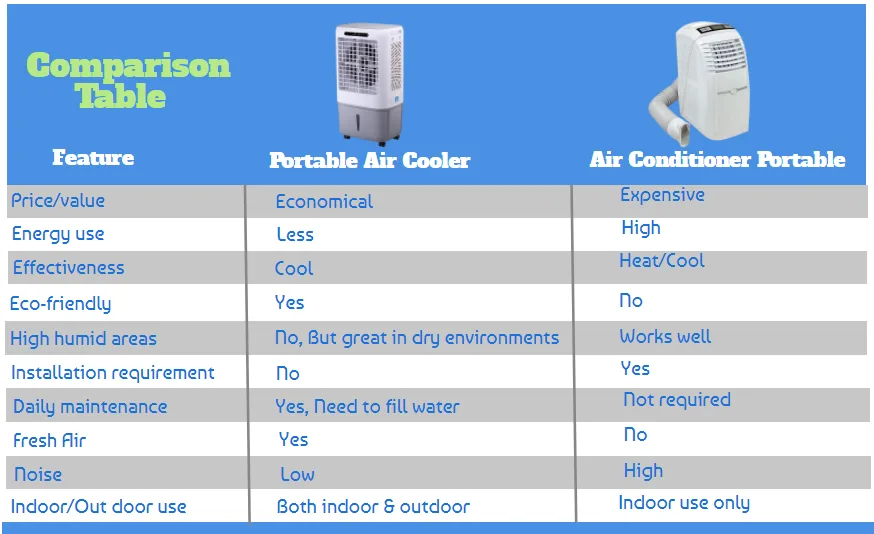
Portable air conditionersusually use more energy than window units. Window units are fixed in place and cool a room by pushing hot air outside. This makes them more energy-efficientthan portable models.
Portable ACs need a hose to release hot air outside. This setup lets some warm air leak back in, causing higher energy use.
- Window units: Use less energy, cool rooms well, but need window space.
- Portable ACs: Easy to move but use more electricity.
- Fans: Use very little energy, just move air, no cooling.
- Evaporative coolers: Use less power, good in dry places, add some moisture.

Credit: www.popularmechanics.com
Energy Efficiency Tips
Setting the temperaturearound 78°F helps save energy. Cooler settings use more power. Avoid very low temperatures to keep energy use low.
Regular maintenancekeeps your unit working well. Clean filters often. Check for dust on coils. This helps the air conditioner use less energy and last longer.
Seal windows and doors to stop cool air from escaping. Use weather stripping or caulk for better insulation. This keeps rooms cooler and reduces the load on your air conditioner.
Calculating Your Portable Ac Energy Cost
Power labels on portable ACs show the wattsused per hour. This helps find energy use quickly. Look for the input powerin watts or amps on the label. Sometimes, energy efficiency ratings are also shown.
Estimate monthly use by tracking how many hours per daythe AC runs. Multiply hours by power in kilowatts (watts ÷ 1000). Then multiply by days in the month. This gives total kilowatt-hours (kWh) used.
Energy calculators online can simplify these steps. Enter your AC’s power and daily run time. The tool shows estimated monthly or yearly cost. You only need your local electricity rate to get cost.
Smart Usage For Savings
Using timers and programmable controlshelps save energy. Set the air conditioner to run only when needed. This avoids running it all day. You can cool the room before you arrive. Then, the unit turns off automatically.
Combining with fansspreads cool air better. Fans use less power than air conditioners. They help keep you comfortable without lowering temperature too much. Use fans to boost air flow and feel cooler.
Avoiding overcoolingsaves energy and money. Set the temperature to a comfortable level, not too cold. Keeping the room too cold wastes power. It also makes the air conditioner work harder.
Credit: www.jackery.com
Frequently Asked Questions
How Much Power Does A Portable Ac Consume?
A portable air conditioner typically uses between 900 to 1,500 watts per hour. The exact consumption depends on the unit’s size and efficiency. Energy-efficient models may consume less power. Always check the Energy Efficiency Ratio (EER) for more accurate consumption details.
Are Portable Air Conditioners Energy-efficient?
Portable air conditioners are generally less energy-efficient than window units. Their EER is often lower, which means higher energy use. However, selecting an energy-efficient model with a high EER can reduce energy consumption. Always consider the unit size and room requirements for optimal efficiency.
What Factors Affect A Portable Ac’s Energy Use?
Several factors influence a portable AC’s energy use: room size, insulation, and ambient temperature. A larger room or poor insulation increases energy consumption. Likewise, higher ambient temperatures require more energy to cool. Selecting the right unit size for your space can optimize energy use.
How Can I Reduce My Portable Ac’s Energy Consumption?
To reduce energy consumption, ensure proper room insulation and minimize sunlight exposure. Use the unit’s energy-saving mode if available. Regular maintenance, like cleaning filters, also improves efficiency. Setting the thermostat to a moderate temperature can further reduce energy usage.
Conclusion
A portable air conditioner uses varying energy depending on size and settings. Smaller units use less power, while bigger ones consume more. Running it on lower cooling settings saves energy. Proper maintenance helps keep it efficient and lowers bills. Knowing its energy use helps you manage costs better.
Choose the right unit for your space and needs. Stay cool without wasting electricity or money. Simple steps make a big difference in energy use. Keep these tips in mind for smart cooling.