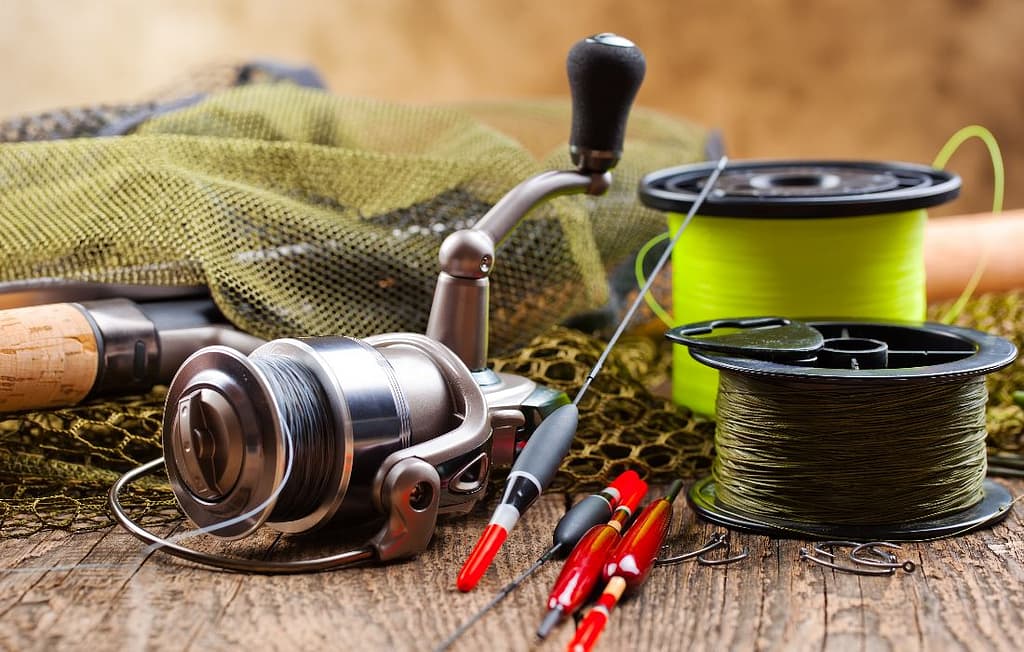
Are you tired of guessing how much fishing line to spool onto your reel? Using too little can cost you a big catch, while too much wastes your money and space.
Finding the right amount of fishing line is easier than you think—and it can make a huge difference in your success on the water. You’ll discover simple tips to figure out exactly how much line you need for your fishing style and gear.
Keep reading to avoid common mistakes and fish smarter every time you cast.

Credit: www.reddit.com
Choosing Line Length
Choosing the right length of fishing line is important for a good fishing experience. The length affects casting, control, and how much line you have for fighting fish.
This guide helps you understand how to pick the right line length for different fishing needs.
Factors Affecting Line Length
Several things decide how much fishing line you need. These include the type of fish, the fishing spot, and the rod you use.
Longer lines let you cast farther. Shorter lines give better control. The strength and thickness of the line also matter.
- Type and size of fish
- Distance of casting
- Fishing environment (river, lake, ocean)
- Type and size of rod and reel
- Line strength and thickness
Types Of Fishing Lines
Fishing lines come in different materials. Each type has its own strength and stretch, which affects the length you need.
The main types are monofilament, fluorocarbon, and braided line. They differ in thickness and stretchiness.
- Monofilament:Stretchy and easy to handle. Good for beginners.
- Fluorocarbon:Less visible in water. Sinks faster.
- Braided:Very strong and thin. Less stretch.
Common Line Lengths For Different Techniques
Different fishing methods need different line lengths. Using the right length helps with casting and catching fish.
| Fishing Technique | Recommended Line Length |
|---|---|
| Spinning | 150 to 300 yards |
| Baitcasting | 100 to 200 yards |
| Fly Fishing | 50 to 100 feet |
| Surf Fishing | 300 to 500 yards |
| Ice Fishing | 25 to 50 yards |

Credit: fishingbooker.com
Matching Line To Rod And Reel
Choosing the right fishing line for your rod and reel is important. It helps you fish better and avoid problems.
This guide explains key points about reel capacity, rod length, and line weight. It will help you pick the right line.
Reel Capacity Considerations
Your reel can only hold a certain amount of fishing line. Using the wrong amount can cause trouble while fishing.
- Check your reel’s specifications for line capacity.
- Match line length with the reel’s maximum hold.
- Use thinner lines to fit more length on the reel.
- Avoid overfilling to prevent tangles and casting issues.
Rod Length And Action Impact
The rod’s length and action affect how the line behaves. Longer rods cast farther but need strong lines.
| Rod Length | Recommended Line Strength | Notes |
|---|---|---|
| Short (5-6 feet) | 4-8 lb test | Best for small fish and tight spaces |
| Medium (6-7 feet) | 6-12 lb test | Good for general fishing |
| Long (7+ feet) | 10-20 lb test | Better for casting distance and bigger fish |
Line Weight Compatibility
Line weight must fit both the rod and reel specifications. Using wrong weight reduces performance.
- Read the rod’s recommended line weight on its label.
- Match the reel’s line weight range to avoid damage.
- Choose line strength based on the fish you want to catch.
Fishing Environment
Choosing the right amount of fishing line depends on the environment you fish in. Different places need different line lengths and strengths.
This guide explains how the fishing environment affects your fishing line needs. It covers water types, fishing spots, and fish habits.
Freshwater Vs Saltwater Needs
Freshwater fishing usually needs lighter line because fish are smaller and less powerful. Saltwater fishing requires stronger, longer line to handle bigger fish and rougher water.
- Freshwater lines: typically 4 to 12 pounds test
- Saltwater lines: often 15 to 50 pounds test or more
- Saltwater line should resist corrosion from salt
- Use longer line in saltwater to fight strong fish
Shoreline Vs Boat Fishing
Fishing from shore or a boat changes how much line you need. Shore fishing usually needs less line because you cast near. Boat fishing often needs more line to reach deeper spots.
| Fishing Type | Line Length Needed | Reason |
|---|---|---|
| Shoreline | 100 to 150 yards | Short casts near shore |
| Boat | 200 to 300 yards or more | Reach deep and far spots |
Target Species And Their Habits
Different fish need different line lengths and strength. Some fish swim deep or fight hard. Others stay near the surface or are smaller.
Consider these points when choosing line for your target fish:
- Big, strong fish need thicker, longer line
- Fish that hide need abrasion-resistant line
- Fast swimmers may require longer line for fights
- Small fish can be caught with light, short line
Calculating Line Length
Choosing the right length of fishing line is important for a good fishing experience. It helps you catch fish without running out of line or having too much extra.
Calculating the line length depends on your fishing type, reel size, and fishing spot. Let’s look at simple ways to find the right amount.
Basic Calculation Methods
Start by knowing your reel’s maximum line capacity. This is often written on the reel or packaging. It tells you how much line your reel can hold.
Next, consider the type of fish you want to catch. Bigger fish need longer and stronger lines. Also, think about the water depth and fishing style.
- Check reel line capacity (length and strength)
- Decide fish size and water depth
- Add extra line for safety and casting
Using Line Calculators And Tools
Many websites and apps offer line calculators. These tools help you estimate how much line you need based on reel size and fishing type.
You enter your reel model, line weight, and fishing conditions. The calculator then suggests the line length you should spool.
- Input reel model or size
- Select line weight (pound test)
- Choose fishing type or target fish
- Get recommended line length
Adjusting For Spooling And Knots
Remember to leave some space on the reel when spooling. Overfilling can cause tangles and line breakage. Underfilling reduces casting distance.
Also, knots use line length. When you tie knots, you lose some line. Add extra length to cover this loss and avoid running out.
- Leave 1/8 inch space from reel edge
- Add 10-15% extra line for knots
- Check line tension when spooling
Line Maintenance And Replacement
Fishing line needs care to work well and last long. Keeping it in good shape helps you catch more fish.
Check your line often to avoid breaks or lost fish. Replace it when signs show it is worn out.
Signs You Need More Line
If your reel looks empty or you lose fish often, you may need more line. More line helps you cast farther and fight fish better.
Watch for thin spots or missing line on your spool. These signs mean you should add more line soon.
- Line is low on the spool
- Line feels thin or weak in some spots
- Line breaks easily during casting or fighting fish
- Difficulty casting the distance you want
When To Replace Your Line
Replace your fishing line regularly to avoid losing fish. Old line can be weak even if it looks fine.
Replace line if it has nicks, frays, or looks faded. These signs show the line is weak and may snap.
- Line has visible cuts or frays
- Line looks faded from sun exposure
- Line feels rough or sticky
- Line breaks under normal tension
- It has been used for several fishing trips
Storage Tips To Preserve Line Quality
Store your fishing line in a cool, dry place. Heat and moisture can weaken the line over time.
Keep your line away from sunlight and chemicals. Use a sealed container or bag to protect it.
- Store line in a shaded, cool area
- Keep line dry to prevent damage
- Use sealed containers or bags for storage
- Avoid contact with oils and chemicals
- Check line condition before each use
Common Mistakes To Avoid
Choosing the right fishing line length is important. Picking too much or too little can cause problems.
Learn about common mistakes to avoid when deciding how much fishing line you need.
Overloading Your Reel
Adding too much line on your reel can cause tangles. It also makes casting harder and less smooth.
Overloading puts extra pressure on your reel parts. This can wear them out faster or cause damage.
- Do not fill the spool beyond the recommended line capacity.
- Leave some space to avoid line spilling over the edges.
- Check your reel manual for the correct line amount.
Using Incorrect Line Length
Using too little line limits how far you can cast. It also leaves you without backup if a fish pulls hard.
Too much line can be hard to manage. It may cause tangles and slow down your fishing experience.
- Match the line length to your fishing style and reel size.
- Consider the type of fish you want to catch.
- Measure your reel’s capacity before spooling line.
Ignoring Line Stretch And Memory
Some fishing lines stretch when pulled. Stretch can affect hook sets and sensitivity.
Line memory means the line keeps coil shapes from the spool. This can cause tangles and knots.
- Choose line types based on how much stretch they have.
- Use fresh line to reduce memory issues.
- Replace old line regularly to keep good performance.
Credit: www.lamiglas.com
Frequently Asked Questions
How Much Fishing Line Do I Need For Freshwater Fishing?
For freshwater fishing, 100 to 150 yards of line is sufficient. It provides enough length for casting and handling most fish species found in lakes and rivers.
What Fishing Line Length Is Best For Saltwater Fishing?
Saltwater fishing requires longer lines, typically 200 to 300 yards. This length helps manage strong currents and bigger fish found in oceans and coastal areas.
Does Fishing Line Length Affect Casting Distance?
Yes, longer fishing lines generally improve casting distance. However, factors like rod type, line weight, and casting technique also influence the overall distance.
How To Choose Fishing Line Length For Different Reel Types?
Spinning reels usually hold 100-200 yards of line, while baitcasting reels can hold 150-300 yards. Choose based on your reel’s capacity and fishing needs.
Conclusion
Choosing the right fishing line length helps you fish with ease. Consider the type of fish and fishing spot. Too little line can limit your cast and catch. Too much line can cause tangles and waste. Always keep some extra line for safety.
Measure your rod and reel before buying line. This simple step saves time and frustration. Fishing becomes more fun with the right gear. Remember, the right line length makes a big difference. Keep it balanced, and enjoy your fishing trips more.