Wondering how much a new heating and cooling system will cost you? You’re not alone.
Whether your old system is breaking down or you want to upgrade to something more energy-efficient, knowing the price is key before making any decisions. But the cost isn’t just about the unit itself—it includes installation, size, and even your home’s unique needs.
Keep reading to uncover the real numbers, what affects the price, and how you can get the best value for your money. Your comfort—and wallet—will thank you.
Credit: www.furnaceprices.ca
Factors Affecting System Cost
When buying a new heating and cooling system, many factors affect the total cost. Knowing these can help you plan your budget better.
Costs vary depending on the system’s features and installation needs. Understanding each factor makes it easier to choose the right system.
System Type And Size
The type of system you pick changes the price a lot. Bigger systems or those with extra features cost more. The size depends on your home’s square footage and insulation.
Energy Efficiency Ratings
Higher efficiency systems save money on energy bills. They usually cost more upfront but reduce long-term expenses.
- Systems with SEER ratings over 16 are more efficient
- Energy Star certified models often cost more
- Higher efficiency means less waste and lower bills
Installation Complexity
Costs rise if installation is hard. Older homes or places with limited space need more work. This adds to labor time and expenses.
| Installation Factor | Effect on Cost |
| New construction | Lower cost |
| Retrofit in old home | Higher cost |
| Multiple floors | Higher cost |
| Limited access | Higher cost |
Geographic Location
Where you live affects prices. Labor rates and climate conditions vary by region. Some places need stronger systems that cost more.
Brand And Model Variations
Brands differ in price based on quality and features. Some models include smart controls or quiet operation that raise prices.
- Well-known brands usually cost more
- Basic models are cheaper but have fewer features
- Premium models add comfort and convenience

Credit: www.reddit.com
Average Costs By System Type
Replacing your heating and cooling system is a big decision. Knowing the average costs helps you plan your budget. Prices vary by system type and installation needs.
This guide covers five common systems and their typical costs. Use this information to compare options and understand what to expect.
Central Air Conditioning
Central air conditioning cools your whole home through ducts. It is popular in many areas and provides consistent comfort. The cost depends on size and efficiency.
Average prices for central AC systems range from $3,000 to $7,000. Installation and ductwork repairs can add to the cost.
Heat Pumps
Heat pumps offer both heating and cooling by moving air or heat. They are energy-efficient and work best in moderate climates. Prices vary by type and capacity.
| Heat Pump Type | Average Cost | Notes |
|---|---|---|
| Air-Source | $4,000 – $8,000 | Common and efficient |
| Geothermal | $10,000 – $30,000 | Expensive but very efficient |
| Water-Source | $7,000 – $20,000 | Needs water source |
Furnaces
Furnaces heat your home by warming air and distributing it through ducts. They run on gas, electricity, or oil. Cost depends on fuel type and size.
- Gas furnace: $2,000 – $5,000
- Electric furnace: $1,500 – $3,000
- Oil furnace: $3,000 – $6,000
Ductless Mini-splits
Ductless mini-splits heat and cool single rooms without ductwork. They are easy to install and good for additions or small homes. Cost depends on number of zones.
Typical prices range from $1,500 to $5,000 per indoor unit plus installation.
Boilers
Boilers heat water to warm your home through radiators or underfloor heating. They run on gas, oil, or electric power. Prices vary by fuel and system size.
| Boiler Type | Average Cost | Fuel Source |
|---|---|---|
| Gas Boiler | $3,500 – $7,500 | Natural gas |
| Oil Boiler | $4,000 – $8,000 | Heating oil |
| Electric Boiler | $2,000 – $5,000 | Electricity |
Installation Expenses Explained
Installing a new heating and cooling system involves various costs. Understanding these expenses helps you plan your budget better.
Costs vary depending on the size of your home, system type, and local regulations.
Labor Charges
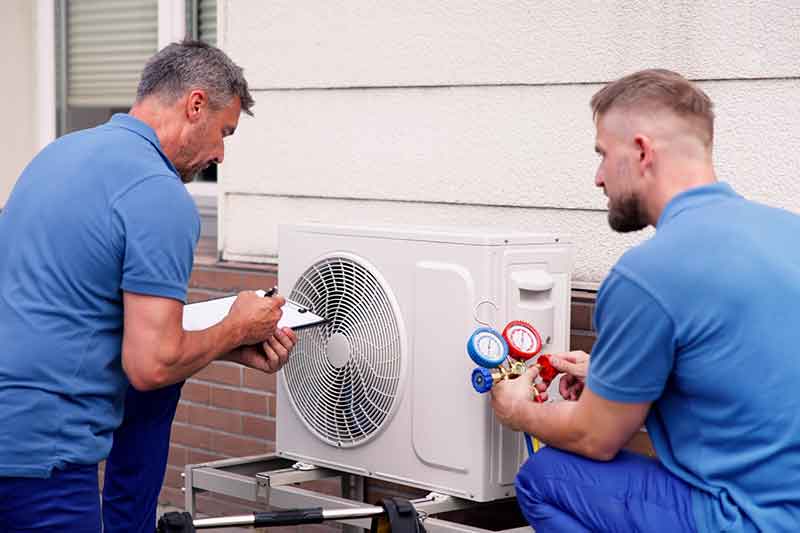
Labor costs cover the work done by technicians to install your system. This includes removal of old equipment and setup of the new one.
Prices depend on the job’s complexity and the time required. Skilled labor ensures safe and efficient installation.
Ductwork And Ventilation
Ductwork moves air between your system and rooms. Old or damaged ducts need repair or replacement during installation.
- New duct installation
- Cleaning and sealing existing ducts
- Adding ventilation for better air flow
- Improving insulation around ducts
Permits And Inspections
Many areas require permits before installing heating and cooling systems. Inspections ensure the work meets safety codes.
| Permit Type | Typical Cost |
| Building Permit | $50 – $150 |
| Electrical Permit | $30 – $100 |
| Inspection Fees | $75 – $200 |
Additional Materials
Besides the main system, extra materials add to the total cost. These include thermostats, wiring, and mounting brackets.
Common additional items:
- Programmable thermostats
- Electrical wiring and breakers
- Mounting hardware and supports
- Insulation materials
Credit: homeguide.com
Energy Efficiency And Savings
Choosing a new heating and cooling system means thinking about energy use. Efficient systems save money on bills.
Looking at how efficiency affects costs helps you pick the right system. This guide explains key factors.
Seer And Afue Ratings
SEER measures cooling efficiency. Higher SEER means less energy used to cool your home.
AFUE shows heating efficiency. A higher AFUE means better fuel use for heating.
- SEER ratings range from 13 to 25.
- AFUE ratings range from 80% to 98%.
- Look for high SEER and AFUE for energy savings.
Long-term Utility Costs
Efficient systems lower your energy use. This cuts your utility bills over time.
| System Type | Average Annual Cost | Energy Efficiency Rating |
| Standard Air Conditioner | $600 | SEER 13 |
| High-Efficiency Air Conditioner | $400 | SEER 20 |
| Standard Furnace | $800 | AFUE 80% |
| High-Efficiency Furnace | $500 | AFUE 95% |
Rebates And Incentives
Many areas offer rebates for buying efficient systems. These lower the upfront cost.
- Check local utility programs for rebates.
- Federal tax credits may apply to new systems.
- Some states offer additional incentives.
- Rebates can cover up to 30% of purchase price.
Financing Your Heating And Cooling System
Getting a new heating and cooling system can be expensive. Many people choose financing to spread the cost over time.
Financing makes it easier to afford a quality system without paying all at once.
Loan Options
Loans let you borrow money and pay it back with interest. You can get loans from banks or credit unions.
Loan terms vary from a few months to several years. Interest rates depend on your credit score.
- Personal loans are common for HVAC financing
- Home equity loans use your home as security
- Some loans offer fixed monthly payments
Payment Plans
Payment plans split the total cost into smaller payments. This option often has low or no interest.
These plans usually run for 6 to 24 months. They help manage the cost without large upfront fees.
- Pay a fixed amount each month
- No extra fees if paid on time
- Easy to budget for monthly expenses
Manufacturer Financing
Some manufacturers offer special financing deals. These can include low interest or deferred payments.
Manufacturer financing often requires approval and may have credit checks. It can save money on interest.
- 0% interest for a set period
- Deferred payments for several months
- Offers may vary by manufacturer and location
Maintenance Costs To Consider
When you install a new heating and cooling system, you must plan for ongoing costs. These costs keep your system running well and extend its life.
Understanding different maintenance expenses helps you budget better and avoid surprises later.
Routine Service Expenses
Regular maintenance makes your system efficient and safe. Most homeowners pay for yearly check-ups and cleanings.
- Filter replacement every 1 to 3 months
- System inspection and tune-up once a year
- Cleaning of coils and ducts
- Checking refrigerant levels
Repair Costs
Repair costs vary based on the problem’s size and the parts needed. Small fixes cost less, but big repairs can add up fast.
| Type of Repair | Estimated Cost |
| Thermostat replacement | $100 – $300 |
| Compressor repair | $400 – $1,200 |
| Fan motor repair | $150 – $500 |
| Refrigerant leak repair | $200 – $1,000 |
Warranty Coverage
Warranties reduce repair costs during the coverage period. Know what parts and services your warranty includes.
Common warranty features:
- Parts coverage for 5 to 10 years
- Labor coverage may be limited or excluded
- Extended warranties available for purchase
- Regular maintenance may be required to keep warranty valid
Tips To Lower Installation Costs
Installing a new heating and cooling system can be expensive. You can save money by planning ahead and making smart choices. These tips help you lower the cost of installation.
Knowing what to look for and when to act can reduce your expenses. This guide shows simple ways to save on your new system.
Comparing Multiple Quotes
Get quotes from several companies before deciding. Prices and services vary, so comparing helps find the best deal.
Ask for detailed estimates. Make sure each quote includes labor, materials, and any extra fees.
- Request at least three quotes
- Check what each quote covers
- Ask about warranties and guarantees
- Look for discounts or promotions
Scheduling Off-season
Plan your installation during the off-season. HVAC companies are less busy in spring or fall. This can lower prices.
Scheduling in off-peak times may also get you faster service. Avoid summer or winter when demand is high.
- Book installation in spring or fall
- Avoid peak summer and winter months
- Ask about off-season discounts
- Plan early to secure your spot
Choosing Efficient Models
Select energy-efficient heating and cooling models. They cost less to run and can save money over time.
Look for systems with good energy ratings. These models may qualify for rebates or tax credits.
- Check Energy Star ratings
- Consider models with high SEER and AFUE scores
- Ask about rebates and incentives
- Think about long-term savings, not just upfront cost
Frequently Asked Questions
How Much Does A New Heating And Cooling System Cost?
The cost varies widely, typically between $5,000 and $12,000. It depends on system type, size, brand, and installation complexity. Additional factors include energy efficiency and location. Always get multiple quotes for accurate pricing.
What Factors Affect Heating And Cooling System Prices?
Price depends on system size, brand, efficiency rating, and installation complexity. Older homes may need ductwork upgrades, increasing costs. Local labor rates and permits also impact the final price. Energy-efficient models usually cost more upfront but save money long-term.
Are Energy-efficient Systems More Expensive Initially?
Yes, energy-efficient HVAC units usually cost more initially. However, they reduce utility bills over time. Many models qualify for tax credits or rebates. Investing in efficiency saves money in the long run and benefits the environment.
How Long Does Installation Of Hvac Systems Take?
Installation typically takes 1 to 3 days, depending on system complexity. Simple replacements are faster, while new installations or ductwork upgrades take longer. Scheduling and contractor availability can also affect timing.
Conclusion
Choosing the right heating and cooling system matters. Prices vary based on size, type, and brand. Think about energy savings to lower bills later. Installation costs can differ by location and complexity. A good system keeps your home comfortable year-round.
Plan your budget carefully to avoid surprises. Investing in quality means fewer repairs in future. Ask professionals for advice to find the best fit. Take your time and compare options before deciding. Comfort and savings go hand in hand with smart choices.