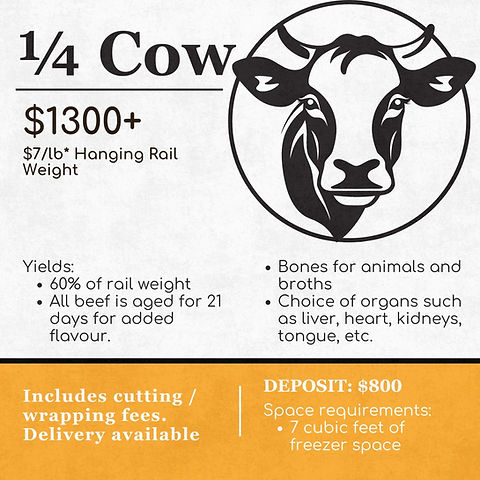
Are you considering purchasing half a cow and wondering how much freezer space you’ll need? You’re not alone.
Many people are drawn to the idea of buying in bulk to save money and ensure a steady supply of quality meat. But before you make this investment, it’s crucial to plan ahead. Imagine opening your freezer and finding it stuffed to the brim, leaving no room for anything else.
That’s a scenario you want to avoid. By understanding exactly how much freezer space is required for half a cow, you can make informed decisions and enjoy the benefits without any hassle. Curious to learn more and avoid common pitfalls? Let’s dive into the details and ensure you’re fully prepared.
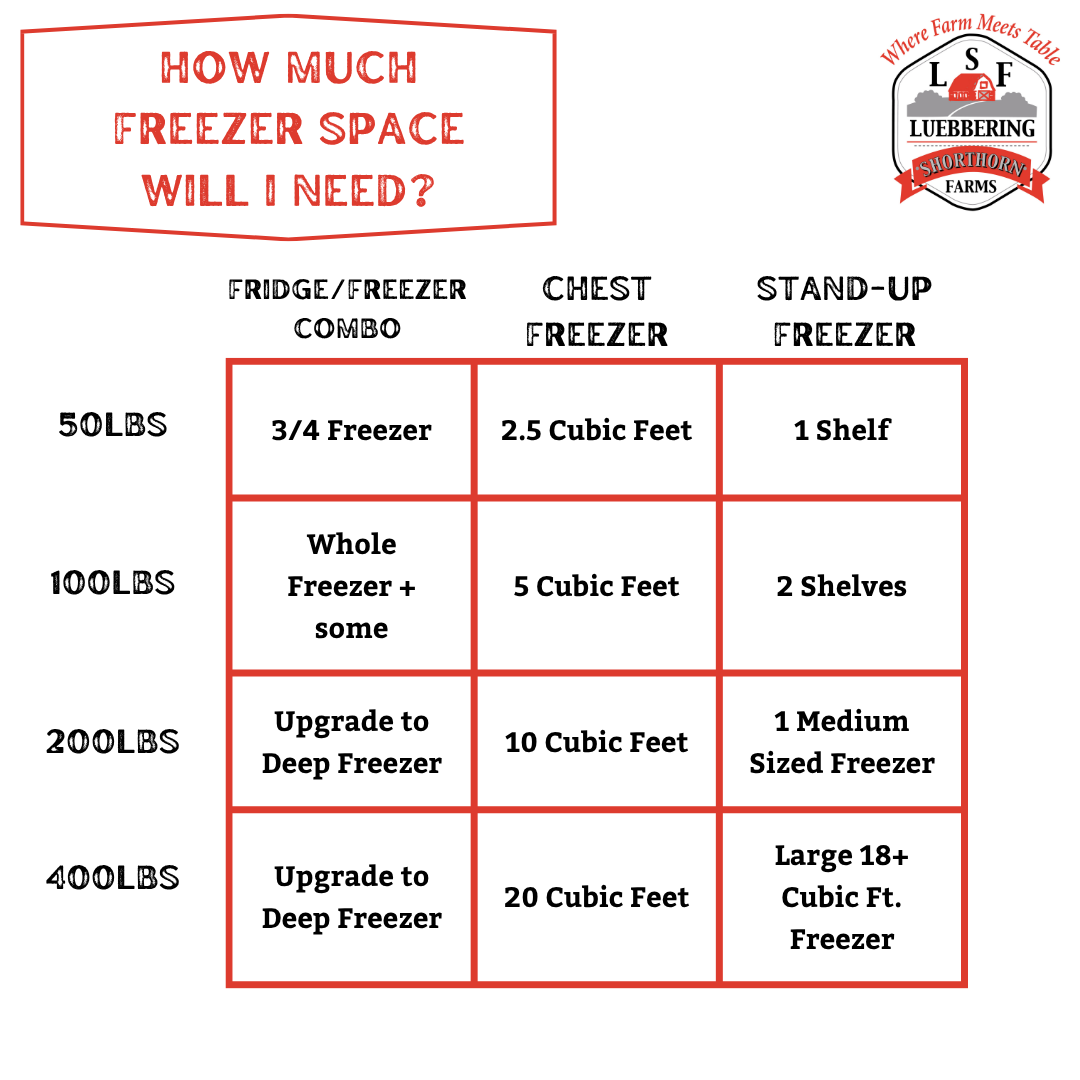
Credit: luebberingshorthornfarm.com
Estimating Meat Yield From 1/2 Cow
Estimating how much meat you’ll get from half a cow is essential for planning your freezer space. Knowing the yield helps you avoid overcrowding and ensures you use your storage efficiently. Let’s look closely at what to expect from half a cow in terms of weight, usable meat, and the variety of cuts you’ll receive.
Average Weight Of Half A Cow
A typical whole cow weighs between 1,000 and 1,200 pounds live. Half of that means you’re starting with roughly 500 to 600 pounds of live weight. However, this number only tells part of the story because it includes bones, hide, and other parts that won’t go into your freezer.
Think about your own freezer. Can it handle that much raw weight, or do you need to make extra room? This estimate helps you picture the scale before the butcher does the work.
Usable Meat After Butchering
Once the cow is processed, expect about 60% to 65% of the live weight as usable meat. From 500 pounds of half a cow, you might get around 300 to 390 pounds of meat to store. This yield varies based on the butcher’s trimming style and the cow’s breed.
Keep in mind that some parts like bones, fat, and organ meats are often removed or separated. These factors reduce the volume of freezer-ready cuts. Are you planning to use every part, or just the prime cuts? Your freezer space needs will shift accordingly.
Types Of Cuts And Their Sizes
Half a cow provides a variety of cuts that differ in size and storage needs. Common cuts include steaks, roasts, ground beef, ribs, and stew meat. Each type requires different packaging and freezer space.
- Steaks and Roasts:Typically weigh between 1 and 5 pounds each and are individually wrapped.
- Ground Beef:Often packaged in 1 to 3-pound portions for convenience.
- Ribs and Other Larger Cuts:Can be bulkier and require more freezer space per pound.
Organizing your freezer by cut type can save space and make meal prep easier. Have you measured your packages before? It’s a simple step that helps avoid surprises when loading your freezer.
Calculating Required Freezer Space
Calculating the freezer space needed for half a cow can seem tricky. It depends on how much meat you get and how you store it. Knowing the right amount of space helps avoid overcrowding and spoilage. Start with understanding the volume per pound of meat. Then consider other factors that affect storage. Finally, allow extra space for packaging and air flow.
Volume Needed Per Pound Of Meat
On average, one pound of meat requires about 0.03 to 0.04 cubic feet of freezer space. The exact volume depends on the cut and fat content. Lean cuts usually take less space. Fatty cuts can be bulkier. For half a cow, estimate the total weight first. Multiply that by the volume per pound to find the total freezer space needed.
Factors Affecting Freezer Space
- Type of meat cuts: Steaks, roasts, and ground meat pack differently.
- Bone-in or boneless: Bone-in meat occupies more space.
- Freezing method: Vacuum-sealed packages save space.
- Shape and size of packaging: Larger packages need more room.
Allow some extra space for easier stacking and access.
Space For Packaging And Air Circulation
Packaging affects freezer space significantly. Thick packaging or large bags add volume. Vacuum sealing reduces package size. Leave space between packages for air to circulate. Proper airflow keeps meat frozen evenly and prevents freezer burn. Plan at least 10% extra space for air circulation.
Freezer Types And Their Capacities
Choosing the right freezer type can make a huge difference in how you store meat from a 1/2 cow. Each freezer style offers different space capacities and layouts, which affect how easily you can organize large cuts. Understanding these options helps you pick a unit that fits your storage needs and kitchen space.
Chest Freezers
Chest freezers are known for their deep storage capacity and energy efficiency. They often hold more meat compared to upright models of the same size because of their wide, open design. You can stack large cuts of beef flat, which maximizes space and minimizes air exposure.
One thing to consider: chest freezers require bending down to access items at the bottom. But if you’re storing half a cow’s worth of meat, the extra space is worth the effort.
Upright Freezers
Upright freezers offer easier access with shelves and compartments, making it simpler to organize different cuts and packages. They take up less floor space, which is great if your kitchen or storage area is limited. However, the shelving can limit the size of the meat pieces you store.
If you prefer quick access and better organization over maximum capacity, an upright freezer is a solid choice.
Combination Units
Combination freezers blend features of both chest and upright models, often with a chest freezer compartment below and an upright section above. This setup provides flexibility—bulk storage in the chest part and easy-to-reach items in the upright section. It’s a smart option if you want to store large quantities and still keep some cuts readily accessible.
Think about how you use your freezer daily. Would having quick access to some items change your meal prep routine?
Organizing Meat In The Freezer
Organizing meat in the freezer is essential for keeping it fresh and easy to find. Proper organization helps prevent waste and saves space. It also ensures meat stays at the best quality for longer periods. Simple techniques can make a big difference in how you store your meat.
Packaging Techniques
Use airtight packaging to protect meat from freezer burn. Vacuum sealing is one of the best options. Wrap meat in plastic wrap before placing it in freezer bags. Remove as much air as possible to prevent ice crystals. Use freezer paper or heavy-duty aluminum foil for extra protection. Pack smaller portions to make thawing faster and easier.
Labeling And Rotation
Label each package with the type of meat and date of freezing. Use a permanent marker for clear and lasting labels. Place newer packages behind older ones. This way, older meat is used first. Follow the “first in, first out” rule to reduce spoilage. Keep a list of what is in the freezer to avoid overbuying.
Maximizing Space Efficiency
Stack packages flat to save space and keep order. Use bins or containers to group similar meats together. Freeze ground meat in flat, thin layers to stack easily. Avoid overloading the freezer to maintain good air circulation. Use shelves and drawers wisely to separate different types of meat. Keep heavier items at the bottom to avoid crushing delicate cuts.
Additional Storage Tips
Storing a large quantity of meat, such as from half or a whole cow, demands more than just ample freezer space. You need to manage that space smartly to keep your meat fresh and safe for months. These additional storage tips will help you avoid common pitfalls and make the most out of your freezer capacity.
Maintaining Freezer Temperature
Keeping your freezer at the right temperature is crucial. Aim for a constant 0°F (-18°C) to ensure meat stays safe and retains quality over time.
Check the temperature regularly with an accurate freezer thermometer. Opening the freezer frequently or leaving the door open too long can cause temperature spikes, which may spoil your meat faster.
Consider organizing your meat in a way that allows good airflow. Avoid overpacking, as this can block air circulation and cause uneven cooling.
Avoiding Freezer Burn
Freezer burn happens when air reaches the surface of your meat, causing dry spots and off-flavors. To prevent this, wrap your meat tightly in heavy-duty freezer paper or vacuum-seal it.
If you don’t have a vacuum sealer, use freezer bags with as much air removed as possible. Double wrapping is another effective strategy, especially for long-term storage.
Label packages with the date to keep track of how long meat has been stored. This helps you use older cuts first and prevents meat from lingering too long and developing freezer burn.
Backup Power Solutions
Power outages can ruin your frozen meat quickly. Do you have a backup plan if the electricity goes out for several hours or days?
Consider investing in a generator or a battery backup system to keep your freezer running during outages. Even a few extra hours of power can make the difference between preserved meat and a costly loss.
Another practical tip is to keep dry ice or frozen gel packs on hand. These can temporarily keep your freezer cold if power fails unexpectedly.
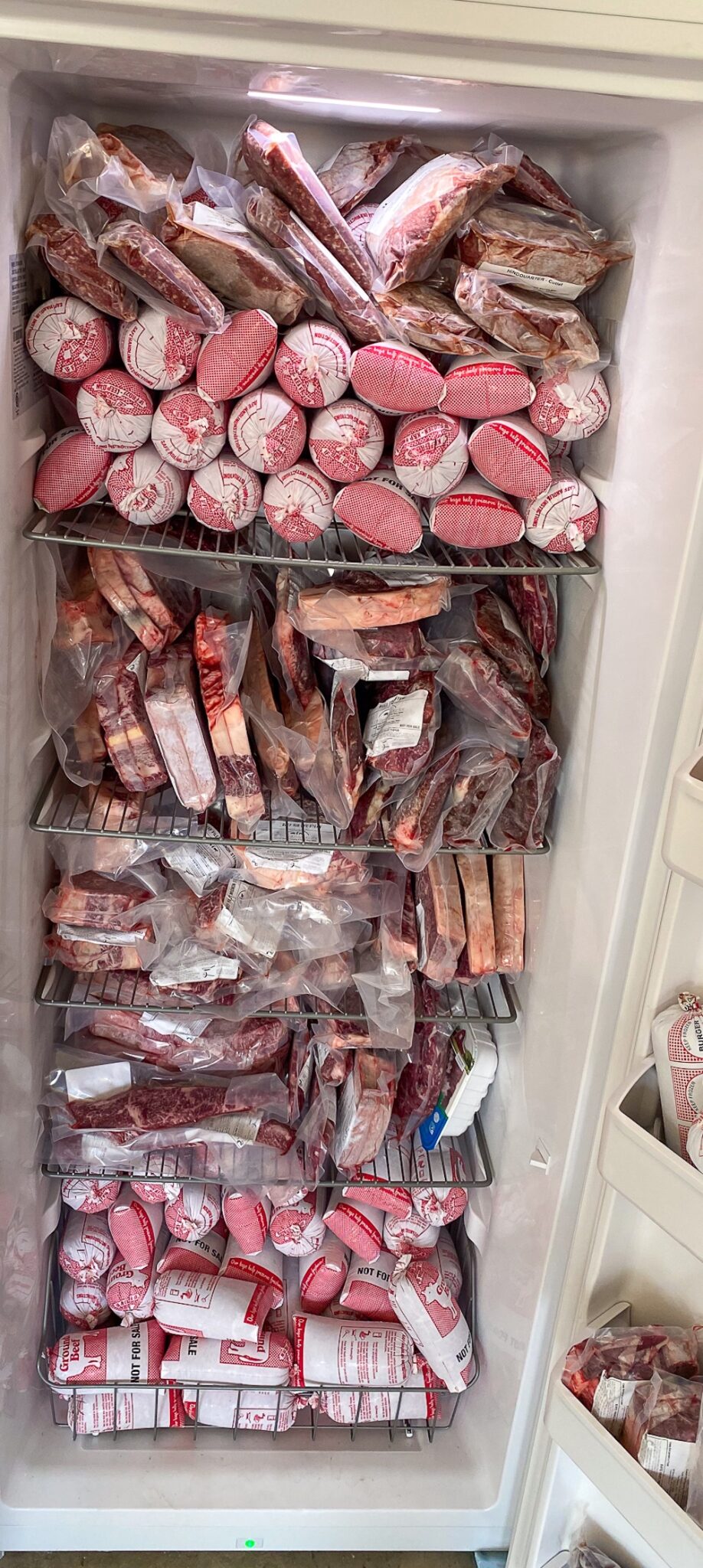
Credit: mytxkitchen.com

Credit: elkinscattleco.com
Frequently Asked Questions
How Much Freezer Space Is Needed For One Cow?
You need about 100 to 140 cubic feet of freezer space to store meat from one cow. This amount allows for proper packaging and air circulation to maintain meat quality.
Can A Standard Freezer Hold Meat From Half A Cow?
A standard home freezer usually holds 20 to 25 cubic feet, enough for half a cow’s meat. For larger quantities, consider a commercial or chest freezer.
How Long Can Beef Be Stored In The Freezer Safely?
Beef can be safely stored in a freezer for 6 to 12 months. Proper packaging and consistent freezing temperatures help preserve quality and prevent freezer burn.
What Type Of Freezer Is Best For Storing Large Beef Quantities?
Chest freezers are ideal for large beef storage due to their capacity and energy efficiency. Upright freezers offer easier access but usually less space.
Conclusion
Storing meat from half a cow needs enough freezer space. Plan for about 20 to 25 cubic feet of freezer room. This size keeps meat fresh and easy to organize. Proper storage helps reduce waste and saves money. Choose a freezer that fits your space and needs.
Keep the meat wrapped tightly to avoid freezer burn. With good planning, you can enjoy your beef for months. Remember, a well-sized freezer makes life easier and your food last longer.