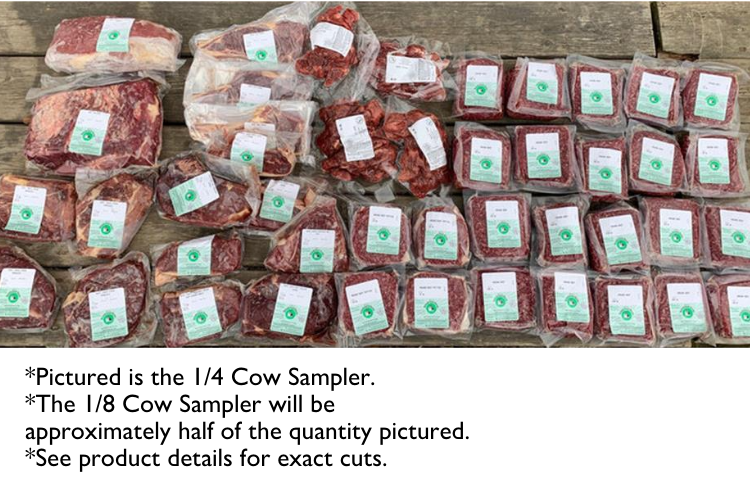
Are you considering buying a portion of a cow but unsure about how much freezer space you’ll need? You’re in the right place.
Understanding the freezer requirements for 1/8 of a cow can save you from the frustration of meat arriving with nowhere to store it. You might be imagining delicious steaks and hearty roasts, but first, you need to ensure your freezer is ready.
Don’t worry; we’ve got you covered. This guide will help you optimize your storage and make the most of your investment. Dive in to discover exactly how much space you’ll need to keep your meat fresh and delicious.
Estimating Meat Yield From 1/8 Cow
Estimating the meat yield from 1/8 of a cow helps you plan your freezer space better and know exactly what to expect. Knowing the average weight, types of cuts, and total volume allows you to organize storage efficiently. This way, you avoid wasting space or underestimating your meat supply.
Average Weight Of 1/8 Cow
The weight of 1/8 of a cow usually ranges between 60 to 90 pounds of hanging weight. After trimming and processing, the actual meat you get is about 50 to 65 pounds. This varies depending on the breed, age, and butchering style.
Think about the last time you purchased meat in bulk. Did you notice the difference between hanging weight and packaged weight? It’s important to use the trimmed weight for freezer space calculations.
Types Of Cuts Included
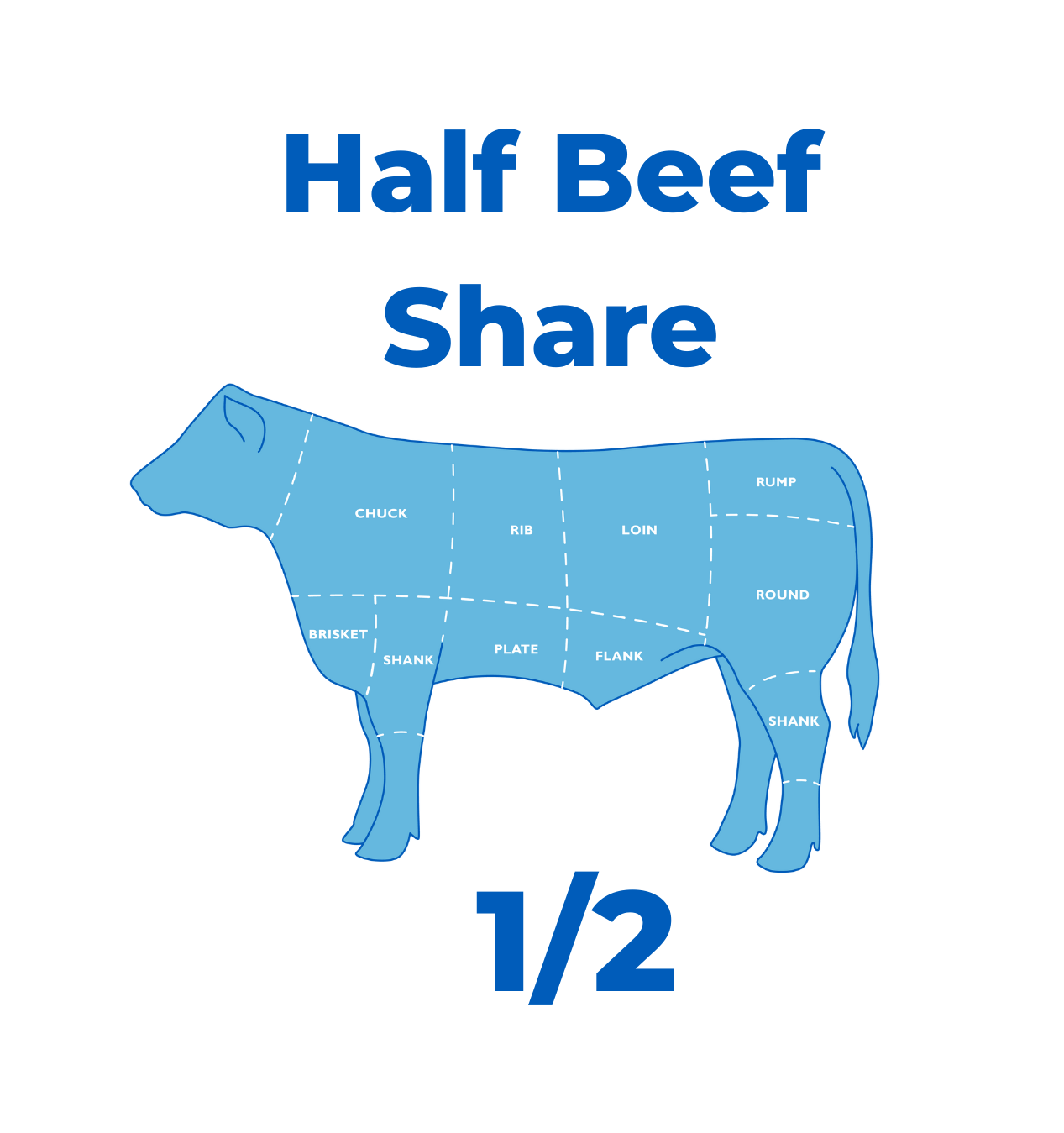
When you buy 1/8 of a cow, you typically receive a mix of cuts such as:
- Steaks (ribeye, sirloin, T-bone)
- Roasts (chuck, round, brisket)
- Ground beef
- Stew meat and stew bones
- Organ meats (optional, depending on your order)
The variety means you get an assortment that suits different meals. Are you more of a steak lover or do you prefer ground beef for everyday cooking? Knowing this helps you decide how to portion your cuts.
Expected Total Meat Volume
On average, 1/8 of a cow yields roughly 50 to 65 pounds of packaged meat. This translates to about 2 to 3 cubic feet of freezer space needed. Keep in mind, packaging method affects space—vacuum-sealed packs take less room than butcher paper wrapped cuts.
To visualize, a standard chest freezer holds about 15 to 20 cubic feet, so 1/8 cow fits comfortably without overcrowding. Planning your freezer space this way helps you avoid the frustration of cramming packages or having to buy extra storage.
Freezer Space Requirements
Storing a 1/8 cow requires careful planning of freezer space. Knowing the space needed helps keep meat fresh and organized. Proper freezer space prevents spoilage and makes meat easy to access. Understanding these requirements saves time and effort when storing your beef.
Cubic Feet Needed For Storage
A 1/8 cow usually weighs 80 to 125 pounds of meat. This amount requires about 4 to 6 cubic feet of freezer space. The exact space depends on packaging style and cut size. Vacuum-sealed packages take less room than wrapped meat. Plan for a freezer that holds at least 6 cubic feet.
Packing And Organization Tips
- Use vacuum-sealed bags to reduce freezer space.
- Label packages with cut type and date for easy finding.
- Group similar cuts together, like roasts or steaks.
- Stack packages flat to maximize space and stability.
- Keep a list of stored items to avoid wasting meat.
Allowing Room For Air Circulation
Good air flow helps keep meat frozen evenly. Leave small gaps between packages for cold air movement. Avoid overpacking the freezer, which can trap warm spots. Air circulation reduces frost buildup and improves freezer efficiency. Check the freezer regularly to rearrange if needed.
Choosing The Right Freezer
Choosing the right freezer is key when storing an eighth of a cow. You need enough space to keep all the cuts without overcrowding, which can affect the meat’s quality. Let’s look at freezer types, energy use, and size options to help you make a smart choice.
Chest Freezers Vs Upright Freezers
Chest freezers offer more usable space and keep cold air locked in when opened. They often hold larger amounts of meat, which works well if you’re storing a bulk share like 1/8 of a cow. However, they take up more floor space and can be harder to organize.
Upright freezers stand like a fridge and have shelves, making it easier to find what you need quickly. They fit better in tight spaces but usually cost more per cubic foot of storage. Think about how you want to access your meat and how much room you have in your home.
Energy Efficiency Considerations
Freezers run 24/7, so energy costs add up fast. Look for models with an Energy Star rating to save on your electric bill. Chest freezers tend to be more energy-efficient because cold air stays inside better when the lid is opened.
Consider if your freezer will be in a garage or climate-controlled space. Extreme temperatures can impact efficiency and cause your freezer to work harder. Ask yourself: Is saving energy or convenience more important to you?
Size Options For Small Meat Shares
For 1/8 of a cow, you typically need about 5 to 7 cubic feet of freezer space. That size fits most chest or upright freezers designed for small families or limited storage needs. If you plan to buy more meat shares in the future, opting for a slightly larger freezer might save you a costly upgrade later.
- 4.5 to 6 cubic feet: Ideal for 1/8 cow, minimal space needed
- 7 to 9 cubic feet: Offers extra room for other frozen goods
- 10+ cubic feet: Suitable if you buy larger shares or want long-term flexibility
Have you measured your space and considered future needs? Choosing the right freezer means balancing size, energy use, and how you plan to store your meat efficiently.

Credit: extension.msstate.edu
Packaging For Maximum Storage
Packing your 1/8 cow correctly can save you a lot of freezer space and keep your meat fresh longer. How you package the meat affects not just storage but also the ease of use when you’re ready to cook. Smart packaging means less waste and more convenience.
Vacuum Sealing Benefits
Vacuum sealing removes air around the meat, which slows down freezer burn and keeps the meat fresh for months. You get a tighter, compact package that stacks easily, saving space in your freezer. Plus, vacuum-sealed meat stays juicy and flavorful because it’s protected from moisture loss.
I once switched to vacuum sealing after noticing freezer burn on my steaks. The difference was clear—not only did the meat look better, but it also tasted fresher even after several months.
Labeling And Portioning Meat
Labeling your packages with the cut, weight, and date helps you find what you need quickly. Portioning meat into meal-sized amounts stops you from thawing more than you need. This practice reduces waste and keeps your meals hassle-free.
- Use permanent markers on freezer tape or labels designed for cold temperatures.
- Divide larger cuts into steak or roast sizes before freezing.
- Keep a simple inventory list to track what you have on hand.
Freezer-safe Packaging Materials
Choosing the right materials protects your meat and prevents freezer burn. Heavy-duty freezer bags, vacuum seal bags, and freezer paper are excellent choices. Avoid regular plastic wrap alone since it doesn’t block air well enough.
Double wrapping with freezer paper and a plastic bag can add extra protection. Make sure the packaging is airtight and moisture-resistant to keep your meat in top condition for months.
Maintaining Meat Quality In Storage
Keeping meat fresh and tasty requires proper storage. A 1/8 cow provides many cuts, and storing them well is key. Good storage keeps flavor and texture intact. It stops spoilage and waste. Understanding how to maintain meat quality helps you enjoy your beef longer.
Ideal Freezer Temperature Settings
Set your freezer at 0°F (-18°C) or lower. This temperature stops bacteria growth and slows spoilage. Avoid temperature changes by keeping the door closed. Use a freezer thermometer to check regularly. Consistent cold keeps the meat safe and fresh.
Avoiding Freezer Burn
Freezer burn dries out meat and ruins taste. It happens when air touches the meat surface. Wrap cuts tightly with plastic wrap or freezer paper. Use vacuum-sealed bags for best protection. Label packages with dates to track storage time.
Storage Time Limits For Different Cuts
| Cut | Storage Time (Months) |
|---|---|
| Steaks and Roasts | 6 to 12 |
| Ground Beef | 3 to 4 |
| Stew Meat | 3 to 4 |
| Organ Meats | 3 to 4 |
Use older meat first to avoid waste. Freeze smaller portions for quick use. Proper timing keeps texture and flavor at their best.

Credit: www.ledinghamlivestock.com
Additional Storage Tips
Storing a 1/8 cow in your freezer requires more than just space; it demands smart organization and careful management. Additional storage tips can save you time, reduce waste, and keep your meat fresh longer. Let’s dive into practical ways to optimize your freezer setup for a smoother experience.
Organizing Meat For Easy Access
Labeling is key. Use freezer-safe markers or printed labels with the cut type and date. This simple step helps you find what you need without digging through piles of packages.
Group similar cuts together. Keep steaks in one bin, ground beef in another, and roasts separated. Clear bins or stackable containers work great for this.
Think about how you cook. Place frequently used cuts near the front for quick access. It’s a small change that saves you from defrosting the whole freezer just to find a single package.
Tracking Inventory Efficiently
A freezer inventory list is a game-changer. Use a notebook, spreadsheet, or a freezer app on your phone to track what you have and when it was packed.
Update your list every time you add or remove meat. This habit keeps you aware of what’s inside and helps plan your meals better.
Have you ever thrown out meat because you forgot it was there? Tracking helps avoid that costly mistake and ensures nothing goes to waste.
Safety Precautions And Cleaning
Keep your freezer temperature at or below 0°F (-18°C) to maintain meat quality and safety. Use a freezer thermometer to check regularly.
Clean your freezer every few months. Remove all meat, unplug the unit, and wipe down shelves with a mild soap solution. Dry thoroughly before restocking.
Check packaging for tears or holes to prevent freezer burn. If you notice damage, rewrap meat tightly using freezer paper or vacuum-seal bags.
Credit: shopcreamerycreek.com
Frequently Asked Questions
How Much Freezer Space Is Needed For 1/8 Cow?
You need approximately 20 to 30 cubic feet of freezer space for 1/8 of a cow. This depends on how the meat is packaged and cut. Proper freezing helps maintain freshness and quality over time.
Can A Standard Home Freezer Store 1/8 Cow?
Most standard home freezers can store 1/8 of a cow if it has 20+ cubic feet capacity. Chest freezers are ideal for better organization and temperature control. Consider space before buying a quarter or larger portion.
How Should I Organize Freezer Space For 1/8 Cow?
Organize by labeling packages and grouping similar cuts together. Use vacuum-sealed bags to save space and prevent freezer burn. Leave room for air circulation to keep meat evenly frozen and fresh.
What Cuts Come In 1/8 Cow Packages?
1/8 cow typically includes a variety of cuts like steaks, roasts, ground beef, and stew meat. The exact cuts depend on the butcher’s processing and your preferences. This portion offers a balanced mix of different beef types.
Conclusion
Storing an eighth of a cow needs enough freezer space. Plan for about 20 to 25 cubic feet of freezer room. This space keeps the meat fresh and organized. Proper storage helps avoid waste and saves money. Choose a freezer that fits your home and budget.
Measure your space before buying to ensure a good fit. Keep your meat wrapped well to protect it. With the right freezer, you can enjoy your beef for months. Simple planning makes storing large meat cuts easy and stress-free.