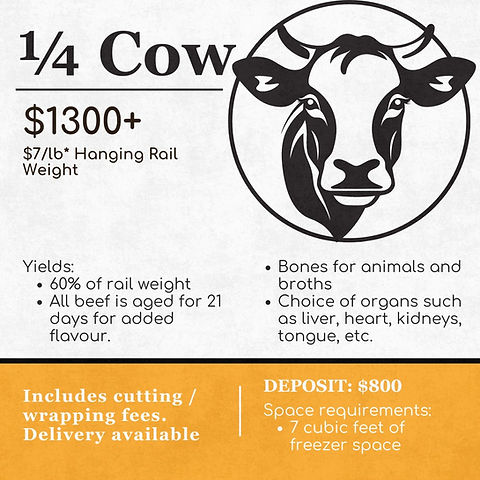
Imagine this: You’ve just decided to buy a whole cow, a decision that promises a freezer full of delicious, nutritious meat for months. But before you make the purchase, a pressing question arises: How much freezer space do you need?
The last thing you want is to end up with more meat than your freezer can handle. Picture opening your freezer door to an organized, perfectly stocked array of beef cuts, all because you planned ahead. This is where our “How Much Freezer Space for a Whole Cow Calculator” comes into play.
It’s your simple, reliable tool to ensure you have the right amount of space for your upcoming meat haul. Intrigued? Let’s dive deeper into how you can efficiently manage your freezer space without the stress of overcrowding or waste. Discover the secrets to optimal freezer organization and ensure every steak and roast is perfectly stored. Keep reading to unlock the full potential of your freezer and enjoy your investment to the fullest.
Estimating Freezer Space Needs
Estimating freezer space needs for storing a whole cow is crucial. Proper planning avoids overcrowding and spoilage. Understanding the amount of meat and how much space it takes helps you organize better.
Freezer space depends on the total meat volume and packaging. Knowing the average yield and factors that affect it can guide you. Use these estimates to calculate how much freezer room you need.
Average Yield From A Whole Cow
A whole cow typically weighs between 1,000 and 1,200 pounds. After butchering, the yield of edible meat is about 40% to 60% of the live weight. This means you can expect 400 to 720 pounds of meat.
Yield varies by breed, age, and diet. Younger animals may give less meat but higher quality. Older cows might yield more but with tougher cuts.
Factors Affecting Meat Volume
- Fat content: More fat means more volume but less lean meat.
- Bone weight: Heavier bones reduce the edible meat volume.
- Cut style: Thickness and size of cuts affect packaging space.
- Packaging type: Vacuum-sealed packs take less space than bulk packaging.
These factors change how much freezer room you really need. Keep them in mind for accurate space estimation.
Calculating Total Meat Weight
Start with the live weight of your cow. Multiply it by the expected yield percentage (usually 50%).
| Live Weight (lbs) | Yield Percentage | Estimated Meat Weight (lbs) |
|---|---|---|
| 1,100 | 50% | 550 |
Next, estimate the space needed by assuming about 1.2 cubic feet per 50 pounds of meat. Multiply total meat weight by this factor for freezer space in cubic feet.
Example: 550 lbs ÷ 50 = 11 packs; 11 × 1.2 = 13.2 cubic feet of freezer space required.

Credit: extension.msstate.edu
Types Of Freezer Storage
Choosing the right freezer type helps manage space for storing a whole cow. Different freezers offer various benefits depending on your storage needs and kitchen layout. Understanding these types helps you plan better and keep meat fresh longer.
Chest Freezers
Chest freezers open from the top and have a large storage area. They use less energy and keep food colder for longer. These freezers are great for storing big cuts of meat, like a whole cow. They often cost less and offer more space for the price. Organizing items can be harder, but baskets help keep things neat.
Upright Freezers
Upright freezers open like a fridge door and have shelves inside. They fit well in tight spaces and offer easy access to stored meat. This type is easier to organize and find smaller packages quickly. Upright freezers usually use more energy than chest freezers. They work well for those who want quick access without digging through piles.
Combination Units
Combination units include both a refrigerator and freezer in one appliance. They are ideal for small spaces and offer flexibility for fresh and frozen food. These units often have separate compartments for different temperatures. Storing a whole cow might require extra freezer space beyond a combo unit. They suit people who need both fresh and frozen storage but have limited room.
Measuring Freezer Capacity
Measuring your freezer capacity accurately is key when planning to store a whole cow. It’s not just about the total size of your freezer, but how much usable space you actually have for meat. Understanding this can help you avoid overcrowding and ensure your meat freezes properly.
Cubic Feet Vs. Pounds Of Meat
Freezers are usually measured in cubic feet, but meat is weighed in pounds. This difference can be confusing when trying to figure out how much meat your freezer can hold. On average, 1 cubic foot of freezer space can store about 35 to 40 pounds of packaged meat.
Think about your freezer’s total cubic feet and multiply by this range to estimate pounds of meat. For example, an 18 cubic foot freezer could hold roughly 630 to 720 pounds of meat, depending on packaging and arrangement.
Space Required Per Pound
Not all meat takes up the same space. Ground beef or small cuts might pack more tightly than larger roasts or bone-in pieces. A good rule is to allow about 0.03 cubic feet per pound of meat.
This helps you calculate how many pounds can fit comfortably without squeezing. If your whole cow yields 600 pounds of meat, you’ll need around 18 cubic feet of freezer space just for the meat itself.
Allowing Room For Air Circulation
Leaving some space for air to circulate inside your freezer is crucial. Without proper airflow, your meat won’t freeze evenly, which can affect quality and safety. Aim to keep at least 10% of the freezer space free for air movement.
From personal experience, stuffing a freezer too full led to uneven freezing and some spoiled packages. Giving your meat some breathing room helps maintain consistent temperature and keeps your meat fresh longer.
Packing Meat Efficiently
Packing meat efficiently is key to maximizing your freezer space and preserving the quality of your whole cow purchase. Proper packing not only helps you store more meat but also keeps it fresh longer and makes it easier to find what you need. Let’s look at practical ways to get the most from your freezer space.
Vacuum Sealing Benefits
Vacuum sealing removes air from the packaging, which slows down freezer burn and preserves flavor. It also reduces the bulk of meat packages, allowing you to stack them neatly and save space.
From personal experience, vacuum-sealed steaks stayed fresh for months without losing texture or taste. If you haven’t tried vacuum sealing yet, it’s a game changer for long-term storage.
Organizing Meat Cuts
Group similar cuts together to keep your freezer organized. For example, keep all ground beef packages on one shelf and roasts on another.
Use clear bins or stackable containers to separate different types of meat. This makes it easier to grab what you need quickly and prevents digging through piles of frozen packages.
Labeling And Rotation Tips
Label each package with the cut, weight, and date before freezing. This simple step saves time and reduces waste because you won’t forget what’s inside.
Apply the “first in, first out” rule by placing newer packages behind older ones. This rotation ensures you use the oldest meat first, keeping everything fresh and reducing spoilage.
Using The Freezer Space Calculator
Using the freezer space calculator makes planning for storing a whole cow much easier. It helps you estimate how much freezer room you’ll need based on the size of your cow and the types of cuts you want. This tool saves you from guessing and ensures you have enough space before your meat arrives.
Inputting Cow Weight
Start by entering the live weight of your cow. This number is usually given in pounds or kilograms. Be as accurate as possible because the calculator uses this figure to estimate the total amount of meat you’ll get after processing.
Remember, the live weight isn’t the same as the packaged meat weight. After butchering, you’ll lose some weight due to bones, fat trimming, and moisture. The calculator factors in these losses to give you a more realistic estimate.
Selecting Meat Cut Types
Next, choose the types of meat cuts you want. Do you prefer more ground beef, steaks, roasts, or specialty cuts? Your choices affect how much space the meat will take up in your freezer.
Many calculators allow you to adjust the percentage of each cut. For example, if you want 40% ground beef and 60% steaks, input those ratios. This customization helps tailor the space estimate to your eating habits and storage needs.
Interpreting Calculator Results
Once you’ve entered weight and cut preferences, the calculator shows the estimated freezer space required. This is usually displayed in cubic feet or liters. Check this against your available freezer capacity to avoid surprises.
Some calculators also break down how many packages or boxes you’ll have. This detail lets you plan your freezer layout more efficiently. If the space needed is more than what you have, consider adjusting your cut choices or investing in additional freezer storage.

Credit: foodandmeatcoop.com
Maximizing Freezer Usage
Maximizing freezer space is crucial when storing a whole cow. Every inch counts, and how you arrange your meat can make a big difference. Efficient use of your freezer not only saves space but also keeps your meat fresh longer.
Stacking Techniques
Stack your meat flat and uniform to make the best use of space. Large, flat packages fit together better than bulky, irregular ones.
Try stacking similar cuts together. This helps you find what you need quickly without disturbing the rest.
Use sturdy, airtight containers or vacuum-sealed bags to maintain shape and prevent freezer burn. Label each stack clearly with the cut and date to stay organized.
Avoiding Overpacking
It might seem smart to fill every corner, but overpacking restricts airflow. Your freezer needs space for cold air to circulate and keep everything frozen evenly.
Leaving a small gap between packages helps maintain consistent temperature. You’ll avoid thawing and refreezing, which can ruin your meat’s texture and flavor.
Ask yourself: Are you sacrificing quality for quantity? Sometimes less is more when it comes to freezer storage.
Temperature Control Tips
Keep your freezer at a steady 0°F (-18°C) or lower. Fluctuating temperatures cause ice crystals to form, damaging meat cells.
Regularly check the freezer’s thermostat and avoid opening the door frequently. Each time you open it, warm air enters and raises the temperature.
Consider using a freezer thermometer to monitor real conditions. This simple tool can save your meat from spoilage and keep your investment safe.
Planning For Future Storage
Planning for future storage is essential when buying a whole cow. Knowing how much freezer space you need helps keep your meat fresh and organized. Proper preparation avoids overcrowding and spoilage. It also saves money by preventing extra trips to the store.
Estimating Long-term Needs
Start by calculating the total pounds of meat you expect from the cow. A typical whole cow yields about 400 to 600 pounds of meat. Next, find out how much space each pound will take in your freezer. Usually, one cubic foot holds about 35 to 40 pounds of meat.
Estimate your family’s monthly meat consumption. Multiply this by the number of months you want to store the meat. This helps you plan storage space over time. Remember to add extra space for packaging and air circulation.
Adding Additional Freezer Units
Sometimes one freezer is not enough. Adding a second unit can solve storage problems. Choose freezers that suit your space and budget. Upright freezers offer easy access and organization. Chest freezers provide better temperature stability and use less energy.
Place freezers in a cool, dry area. Keep some space around each unit for air flow. Label packages clearly to find meat quickly. This reduces freezer door opening time and saves energy.
Seasonal Considerations
Seasonal changes affect freezer efficiency and storage needs. Summer heat can make freezers work harder, raising energy costs. Keep freezers away from direct sunlight and heat sources. Check seals and temperature regularly to avoid spoilage.
Plan meat use around holidays and family events. You might need more meat in winter months or during celebrations. Adjust your storage plans accordingly. Rotate stock to use older packages first. This keeps your meat fresh and reduces waste.
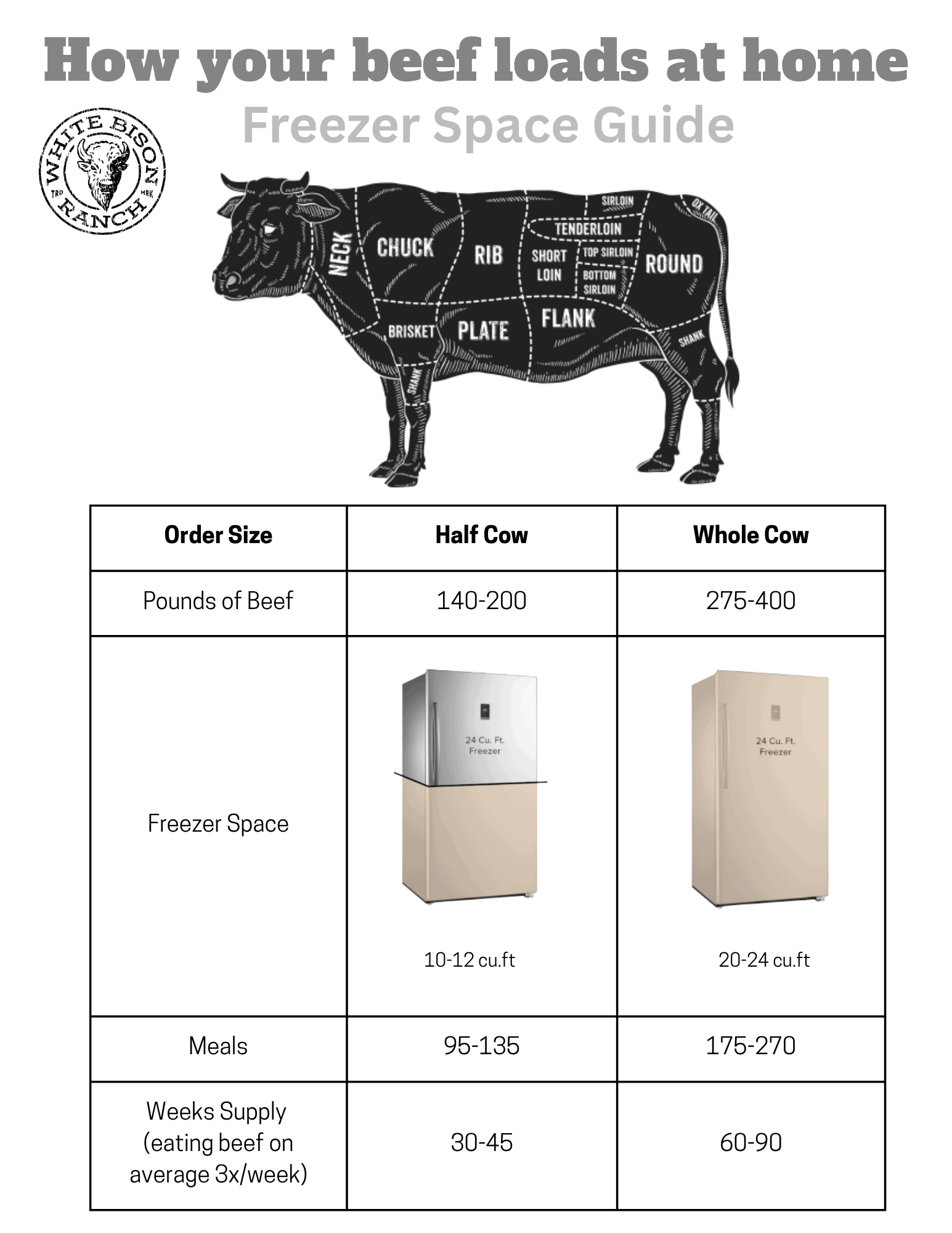
Credit: www.whitebison-ranch.com
Frequently Asked Questions
How Much Freezer Space For A Whole Cow?
You need about 40 to 45 cubic feet of freezer space for a whole cow. This space accommodates all cuts and packaging safely.
How Many Pounds Of Meat From A Whole Cow?
A whole cow yields roughly 400 to 600 pounds of meat after butchering. It depends on the cow’s size and breed.
What Size Freezer Stores A Half Cow?
A half cow requires around 20 to 25 cubic feet of freezer space. This size fits standard chest or upright freezers.
How To Calculate Freezer Space For Beef?
Multiply the weight of meat by 0. 1 to estimate cubic feet needed. This helps plan freezer capacity before purchase.
Conclusion
Calculating freezer space for a whole cow helps plan storage better. Knowing the size needed avoids wasting space or buying too little. Use simple math to estimate how much freezer room you need. Keep the freezer organized to fit all the meat easily.
Proper planning saves time and keeps meat fresh longer. Store your beef wisely and enjoy every cut without stress. This way, you make the most of your purchase and freezer space.