Are you considering buying half a cow but puzzled about how much freezer space you’ll need? You’re not alone.
Many people are drawn to the benefits of purchasing meat in bulk, from saving money to enjoying fresh, high-quality cuts. However, the thought of storing all that beef can be daunting. Imagine opening your freezer to neatly organized packages of steak, roast, and ground beef, ready whenever you need them.
This vision can be your reality. By understanding exactly how much freezer space is required for half a cow, you can plan efficiently and avoid the stress of last-minute arrangements. Keep reading to discover the simple calculations and tips that will guide you to freezer success. Your culinary adventure awaits!
Estimating Half Cow Size
Estimating the size of a half cow helps you plan your freezer space wisely. Knowing the weight and how the meat is cut can prevent surprises when your order arrives. It also ensures you have enough room to store everything without overcrowding.
Average Weight And Cuts
A half cow usually weighs between 200 and 300 pounds once processed. This includes various cuts like steaks, roasts, ground beef, ribs, and stew meat.
Here’s a quick breakdown of what you can expect from a typical half cow:
| Cut | Approximate Weight (lbs) |
|---|---|
| Steaks (ribeye, sirloin, etc.) | 50-70 |
| Roasts | 40-60 |
| Ground Beef | 40-70 |
| Ribs and Miscellaneous Cuts | 30-50 |
This variety means you need to think about how to organize different packages in your freezer. Do you have enough shelves or bins to separate these cuts easily?
Packaging And Storage Impact
The way your meat is packaged significantly affects how much space it takes up. Vacuum-sealed packages shrink the size, while butcher paper or plastic wrap might add bulk.
Think about these factors:
- Vacuum sealingreduces air and keeps packages flat, saving space.
- Pre-cut portionsoften come in smaller packages, making stacking easier.
- Whole roastsor larger cuts may require more freezer room and careful stacking to avoid damage.
I once underestimated the space needed because the meat arrived in thick butcher paper bundles. Vacuum-sealing would have saved me at least 20% of freezer space. How could changing your packaging preferences help you fit your half cow more efficiently?
Freezer Space Requirements
Storing half a cow requires more than just having a freezer—it demands enough space to keep your meat fresh and organized. Understanding the freezer space requirements helps you avoid crowded, inefficient storage that could lead to wasted meat or freezer burn. Let’s break down exactly how much room you need and what type of freezer will best suit your needs.
Cubic Feet Needed
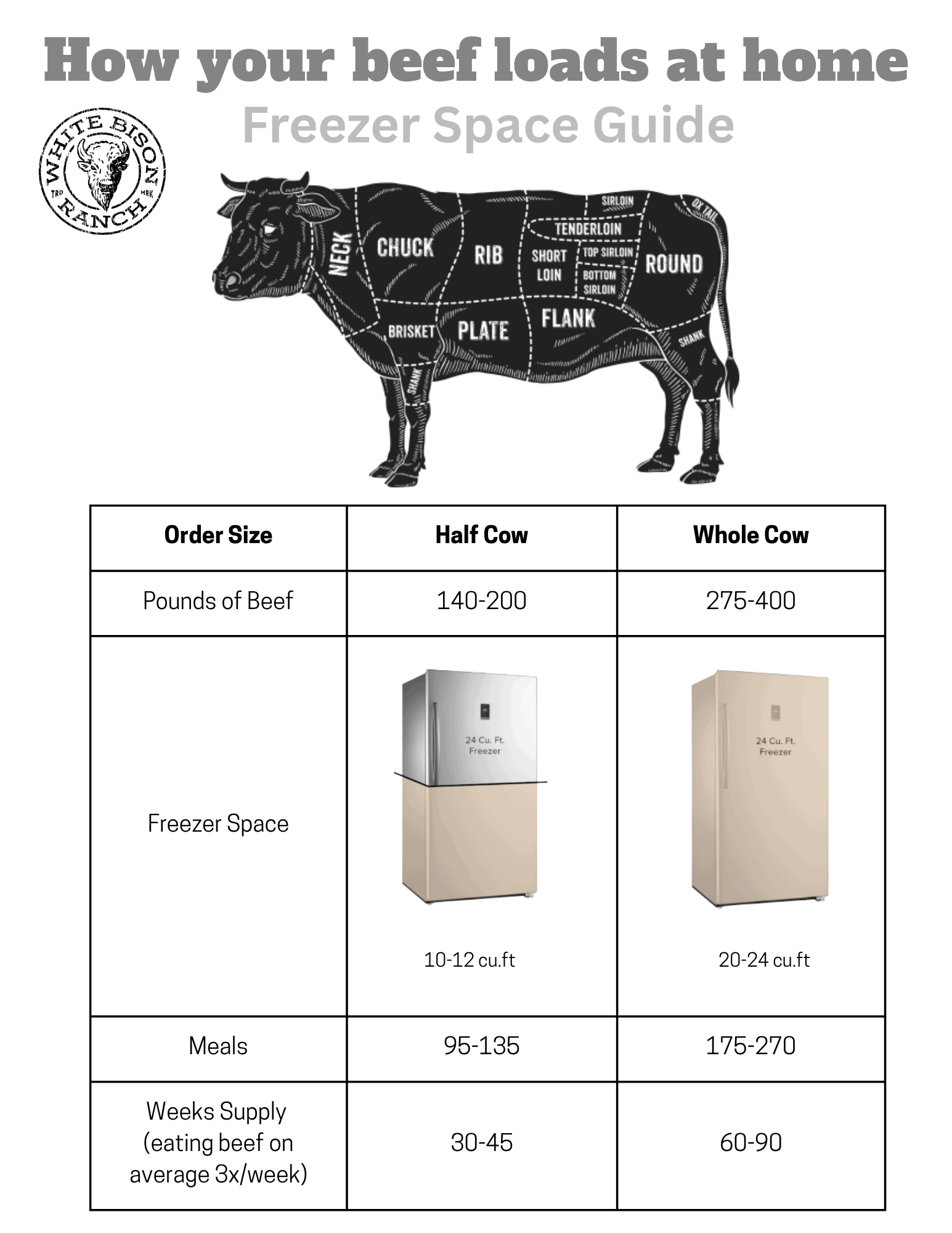
Half a cow typically yields about 200 to 250 pounds of meat. This translates to roughly 15 to 20 cubic feet of freezer space, depending on how the meat is packaged. Vacuum-sealed packages take up less space, while bulkier cuts or loosely wrapped items require more room.
Think about your current freezer—does it have this much free space available? If not, you might need to consider an additional freezer or reorganize to make room. Remember, a cramped freezer reduces airflow and can compromise meat quality.
Types Of Freezers
Choosing the right freezer type can make storing half a cow easier and more efficient. Upright freezers offer easy access with shelves, helping you keep cuts organized and visible. Chest freezers provide more cubic feet for the price and maintain a more consistent temperature but can be harder to organize.
Consider how often you access your meat. If you plan to pull out cuts regularly, an upright freezer might save you time. But if you want to store large amounts for long periods, a chest freezer could be more cost-effective.
- Upright Freezers:Easier organization, takes up less floor space, slightly less energy efficient.
- Chest Freezers:More storage capacity, better temperature stability, requires more floor space.
Which freezer type fits your kitchen space and lifestyle best? This choice impacts not just storage but how quickly you can retrieve your meat for meals.
Maximizing Freezer Efficiency
Maximizing freezer efficiency is key when storing a half cow. Freezer space is limited, and how you arrange and package your meat directly affects how much you can store and how long it stays fresh. Getting this right saves you money, reduces waste, and makes meal prep easier.
Organizing Meat Cuts
Start by grouping similar cuts together. Keep steaks, roasts, and ground beef in separate sections to avoid confusion. This helps you find what you need quickly without digging through piles of meat.
Use clear labels with the date and type of cut. It saves time and prevents old meat from getting overlooked. Stack packages flat to maximize vertical space.
Proper Packaging Tips
Use vacuum-sealed bags or heavy-duty freezer bags to protect meat from freezer burn. Remove as much air as possible before sealing to keep flavors and texture intact.
Consider portion sizes that fit your typical recipes. Smaller packages thaw faster and reduce waste if you don’t need large quantities at once.
- Wrap cuts tightly with plastic wrap before bagging for extra protection.
- Flatten packages to save space and make stacking easier.
- Write the cut type and date directly on the bag with a permanent marker.
Have you ever opened your freezer only to find a jumbled mess where you can’t find what you need? Taking a little extra time to organize and package your half cow properly changes that experience completely.
Credit: www.whitebison-ranch.com
Storing Meat Safely
Storing meat safely is essential to keep your half cow fresh and delicious for months. Improper storage can lead to spoilage, loss of flavor, and even health risks. Understanding the right conditions and techniques helps you make the most of your freezer space while protecting your investment.
Freezing Temperatures
Meat should be stored at a consistent temperature of 0°F (-18°C) or lower to stay safe. Temperatures above this can allow bacteria to grow, even if the meat looks frozen. A freezer thermometer is a simple tool that can help you monitor and maintain the right temperature.
Did you know that fluctuating freezer temperatures can cause your meat to thaw and refreeze? This damages texture and increases spoilage risk. Try to keep your freezer door closed as much as possible and avoid overcrowding, which blocks cold air circulation.
Avoiding Freezer Burn
Freezer burn happens when air reaches the meat, drying it out and creating tough, flavorless patches. You can prevent this by wrapping meat tightly in plastic wrap or butcher paper before placing it in freezer bags. Removing as much air as possible is key.
Vacuum sealing is another excellent way to avoid freezer burn. If you don’t have a vacuum sealer, pressing out air manually and double wrapping can do the trick. How often do you check your frozen meat packages? Regularly inspecting them helps catch early signs of freezer burn.
Planning For Long-term Storage
Planning for long-term storage is key when you buy a half cow. You need to think about how much freezer space you’ll require and how to keep the meat fresh for months. Proper storage helps prevent waste and keeps your meat tasting great every time you pull it out.
Shelf Life Of Frozen Meat
Knowing how long meat stays good in the freezer is crucial. Beef can last 6 to 12 months if stored properly at 0°F (-18°C) or lower. Ground beef and steaks typically remain best within 3 to 4 months, while roasts and larger cuts can last closer to a year.
Freezer burn is your enemy here. It doesn’t make the meat unsafe but dries it out and ruins the texture. Wrapping each cut tightly in heavy-duty foil or vacuum sealing helps keep freezer burn at bay. Have you checked your freezer’s temperature lately? Even a small rise can shorten shelf life.
Labeling And Rotation
Labeling your meat packages isn’t just about neatness—it’s about saving money and time. Write the cut type and the date you froze it on each package. This way, you’ll know what to use first and avoid mystery meat that’s been buried too long.
Rotation means using the oldest meat first to keep everything fresh. Arrange packages so the newest ones go to the back, and the oldest are in front. This simple habit prevents spoilage and keeps your freezer organized.
Try this tip: keep a freezer inventory list on your fridge. Update it whenever you add or remove meat. It’s a quick way to track what you have and plan meals without guessing.

Credit: elkinscattleco.com
Alternative Storage Solutions
Storing a half cow requires more freezer space than many expect. Not everyone has a large freezer at home. Alternative storage solutions can help save space and keep the meat fresh longer. These options offer flexibility and convenience for handling large meat quantities.
Shared Freezer Space
Shared freezer space means splitting storage with friends or family. This approach reduces the need for a big freezer at home. It also spreads the cost and responsibility of meat storage. Make sure to agree on how to divide and access the meat. Label packages clearly to avoid confusion. Shared freezers often work well in neighborhoods or small communities.
Vacuum Sealing Benefits
Vacuum sealing removes air from the packaging. This process prevents freezer burn and slows down spoilage. Vacuum-sealed meat takes less space because it is compact. It also keeps the meat fresh and tasty longer. Use quality vacuum bags and seal tightly. Proper sealing helps keep the meat safe and easy to store.

Credit: www.5sfarms.ca
Frequently Asked Questions
How Much Freezer Space Is Needed For Half A Cow?
Half a cow requires about 20 to 25 cubic feet of freezer space. This allows room for various cuts and proper packaging. Ensure your freezer is well-organized to maximize space and maintain meat quality.
How Many Pounds Of Meat Come From Half A Cow?
Half a cow typically yields between 200 to 300 pounds of meat. The exact amount varies based on the cow’s size and butchering style. This provides ample supply for several months for an average household.
What Freezer Type Is Best For Storing Half A Cow?
Chest freezers are ideal for storing half a cow. They offer better temperature consistency and more usable space than upright freezers. Choose a freezer with at least 20 cubic feet capacity for best results.
How Long Can Half A Cow Stay Frozen Safely?
Properly packaged meat from half a cow can stay frozen safely for 6 to 12 months. Use vacuum-sealed packaging to prevent freezer burn and preserve flavor. Label packages with dates for easy rotation.
Conclusion
Buying half a cow needs enough freezer space. Plan for about 50 to 60 cubic feet of freezer room. This space keeps your meat fresh and organized. Measure your freezer before buying to avoid surprises. Store meat properly in bags or containers.
This helps prevent freezer burn and waste. With the right space, you save money and enjoy fresh beef longer. Remember, good preparation makes storing half a cow easy and stress-free.