
Have you ever wondered how much gas your car’s air conditioner actually uses? If you’re like most drivers, keeping cool on the road is a must—but you might worry about how it affects your fuel.
Understanding this can help you save money and keep your car running smoothly. You’ll discover the facts about your car’s AC fuel consumption and learn simple tips to stay comfortable without wasting gas. Keep reading to find out how your air conditioner impacts your drive—and what you can do about it.
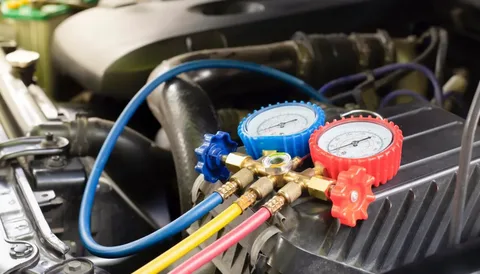
Credit: wefixautoservices.com
Car Air Conditioner Fuel Impact
Using a car air conditioner cools the interior during hot days. It also affects how much fuel your car uses. Understanding this impact helps in managing fuel consumption better.
The air conditioner runs on power from the engine. This extra load causes the engine to burn more fuel. Let’s look at how this works and what affects fuel use.
How Ac Affects Fuel Consumption
The car’s AC compressor uses energy from the engine. When the AC is on, the engine works harder. This increases fuel use by about 5% to 10%. The exact amount depends on the car and conditions.
Factors Influencing Gas Usage
Several things change how much gas your AC uses. These include the outside temperature, car model, and driving style. Some cars have more efficient AC systems than others.
- Outside temperature: Hotter weather means more AC use.
- Car type: Bigger engines may handle AC load better.
- AC settings: Lower fan speed uses less fuel.
- Driving speed: High speeds increase AC power needs.
- Window position: Closed windows help AC work efficiently.
Idle Vs Driving With Ac
Fuel use changes if the car is idling or moving with the AC on. At idle, the engine still powers the AC but at lower loads. When driving, the engine needs more power overall.
| Condition | Fuel Consumption Impact | Reason |
|---|---|---|
| Idling with AC | Higher fuel use per minute | Engine runs without moving car, AC load still present |
| Driving with AC | Moderate increase in fuel use | Engine power shared between driving and AC |
| Driving without AC | Lowest fuel use | No extra load from AC compressor |
Measuring Fuel Consumption
Car air conditioners use extra fuel because they make the engine work harder. Knowing how much gas the AC uses helps drivers save money and plan trips better.
Measuring fuel consumption with the AC on shows how much gas the system needs. This helps compare costs with driving without AC.
Methods To Track Gas Usage
One way to track gas usage is by filling the tank and driving a set distance with the AC on. Then refill and note the gas used. Repeat with AC off to see the difference.
Using a fuel consumption app or car computer can also help. These tools show real-time fuel use and how AC affects it.
- Fill tank, drive known distance with AC on
- Refill and record gas used
- Repeat with AC off for comparison
- Use fuel apps or car computer data
Real-world Consumption Data
Studies show using AC can increase fuel use by 5% to 20%. The exact amount depends on the car and outside temperature.
In city driving, AC usually uses more gas than on highways. This is because engines work harder at low speeds.
- Fuel increase ranges from 5% to 20%
- Higher use in city driving
- Hotter weather means more fuel needed
Comparing Ac With Other Fuel Drains
The AC is not the only part that uses extra fuel. Other things like roof racks and heavy loads also make engines work harder.
Using cruise control or driving smoothly can save more fuel than turning off the AC alone.
| Fuel Drain | Fuel Increase |
|---|---|
| Air Conditioner | 5% – 20% |
| Roof Rack | 5% – 15% |
| Heavy Load | Up to 10% |
| Aggressive Driving | 10% – 40% |
Energy Efficiency Of Ac Systems
Car air conditioners use energy from the engine to cool the inside of the vehicle. The amount of fuel they consume depends on the AC system’s efficiency. Efficient AC systems use less energy and reduce fuel use.
Understanding how different AC systems work helps you save gas. It also helps keep your car cool without wasting fuel.
Types Of Car Ac Systems
There are two main types of car air conditioners: traditional belt-driven and electric compressor systems. Both cool the car but use energy differently.
- Belt-driven AC:Uses engine power to run the compressor. It can increase fuel use when the AC is on.
- Electric compressor AC:Uses electricity from the battery. It can be more efficient in some cars.
Modern Vs Older Models
Older car AC systems use more fuel because they have less efficient compressors. Modern cars have better technology that saves energy.
New models often use variable-speed compressors. These adjust power to cool more efficiently. This lowers the amount of gas used.
- Older models run the compressor at full power all the time.
- Modern models adjust compressor speed based on cooling needs.
- Modern AC systems use better refrigerants that help save energy.
Maintaining Ac For Better Efficiency
Keeping your AC system in good shape helps it use less energy. Regular checks and cleaning improve performance and reduce fuel use.
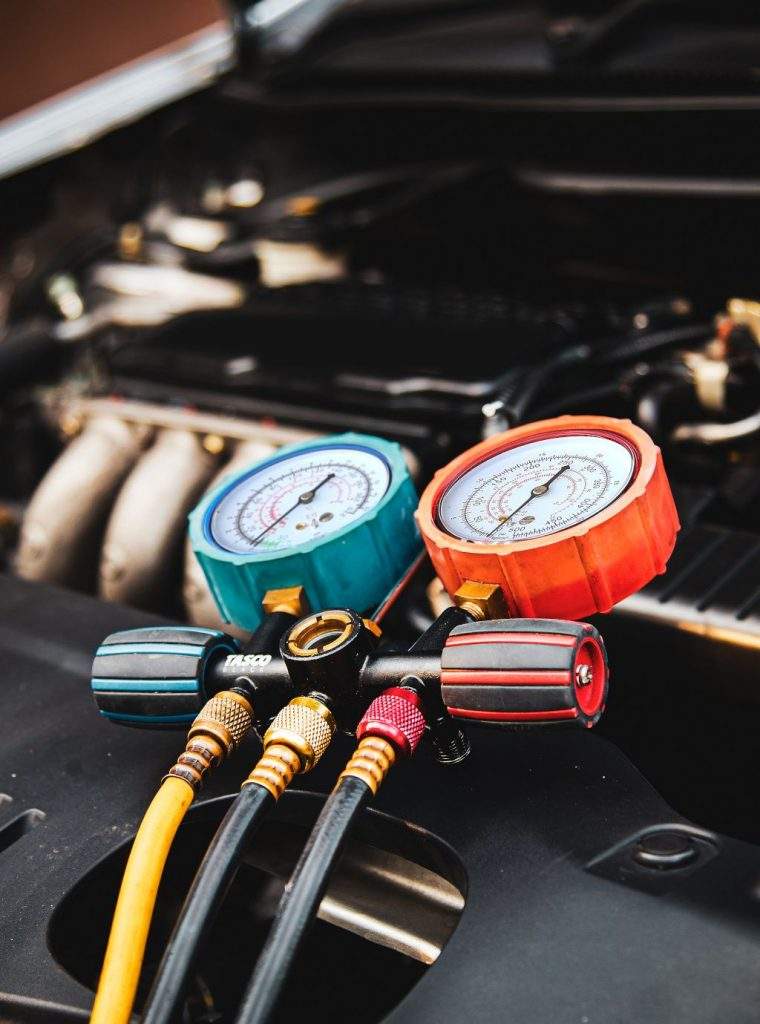
Simple steps like changing filters and checking refrigerant levels keep the AC working well. Poor maintenance makes the compressor work harder and waste gas.
- Check and replace cabin air filters regularly.
- Keep refrigerant levels at the recommended amount.
- Fix leaks in the AC system quickly.
- Have the compressor and belts inspected yearly.
Credit: bonair.co.uk
Alternatives To Using Ac
Car air conditioners use extra gas, which can reduce fuel efficiency. You can keep cool without using the AC all the time. Some simple changes help you save gas and stay comfortable.
Try other ways to cool your car and reduce AC use. These methods also help the environment and lower your fuel costs.
Ventilation And Window Use
Opening windows lets fresh air flow through the car. Using ventilation fans can push hot air out and bring cooler air in. This reduces the need for air conditioning.
- Roll down windows slightly at stops to let heat escape
- Use the car’s fan system without AC to move air
- Open front and rear windows to create airflow
- Park in shaded areas to keep the car cooler
Cooling Accessories
There are simple tools you can use to cool your car without AC. These accessories help lower the inside temperature and reduce sun glare.
| Accessory | Purpose | Benefit |
| Sunshade | Blocks sunlight from windows | Keeps car interior cooler |
| Seat Covers | Reflects heat away from seats | Prevents hot seats |
| Portable Fan | Circulates air inside the car | Improves comfort without gas use |
| Window Tint | Reduces sun heat entering car | Limits inside temperature rise |
Driving Habits To Reduce Ac Use
Your driving style can affect how much gas the AC uses. You can change habits to lower the need for air conditioning and save fuel.
- Drive with windows down on slow roads to cool the car
- Avoid stop-and-go traffic when possible to keep air flow
- Use AC only when driving fast or on hot days
- Turn off AC a few minutes before parking to save energy
- Keep your car well maintained for better cooling efficiency
Environmental And Cost Effects
Car air conditioners use gas that affects both the environment and your wallet. Understanding this can help you make better choices.
We will look at how much gas is used and what it means for carbon emissions and fuel costs. We also explore ways to balance comfort and savings.
Impact On Carbon Emissions
Using a car air conditioner increases fuel use. This extra fuel burns more carbon, which adds to air pollution.
Here are some key points about the impact on carbon emissions:
- Running the AC can raise fuel consumption by up to 20%.
- Increased fuel use means more carbon dioxide released into the air.
- Higher carbon emissions contribute to climate change.
- Turning off the AC when not needed reduces emissions.
Fuel Cost Implications
Using the car’s air conditioner uses more fuel and can increase your driving costs. The extra fuel use depends on temperature and driving habits.
| Driving Situation | Fuel Increase (%) |
| City driving with AC | 10–20% |
| Highway driving with AC | 5–10% |
| Driving without AC | 0% |
Balancing Comfort And Savings
You can enjoy cool air and save fuel by using the AC wisely. Small changes can lower gas use and costs.
- Use the AC only when needed.
- Park in shaded areas to keep your car cool.
- Use the fan mode before turning on the AC.
- Keep windows closed while running the AC to keep cool air in.
- Maintain your AC system for better efficiency.
Credit: point-s.ca
Frequently Asked Questions
How Does A Car Ac Affect Fuel Consumption?
Using a car AC can increase fuel consumption. It requires energy from the engine, which burns more fuel. The effect is more noticeable in smaller engines. On average, using the AC can reduce fuel efficiency by 5-10%. However, driving with windows open can also increase drag and fuel use.
Does Car Ac Use Gas When Idling?
Yes, the car AC uses gas even when idling. The AC system draws power from the engine, which runs on fuel. When the car is idling, the engine still burns gas to power the AC compressor. This can lead to increased fuel consumption while stationary.
How Much Fuel Does Ac Use Per Hour?
On average, a car AC can use 0. 2 to 0. 5 gallons of fuel per hour. The exact amount depends on the vehicle’s make, model, and engine size. Larger engines may use more fuel. Efficient use of the AC system can help minimize fuel consumption.
Can Using Ac Impact Car Performance?
Yes, using the AC can impact car performance slightly. The AC compressor draws power from the engine, reducing available power for acceleration. This effect is more noticeable in vehicles with smaller engines. However, the impact is usually minimal for most modern cars.
Conclusion
A car air conditioner uses a small amount of gas while running. It can affect fuel efficiency slightly but not a lot. Keeping the AC well maintained helps save gas and improve performance. Turning it off when not needed also reduces gas use.
Knowing this helps you drive smarter and keep cool. Simple actions make a difference in gas consumption and comfort.