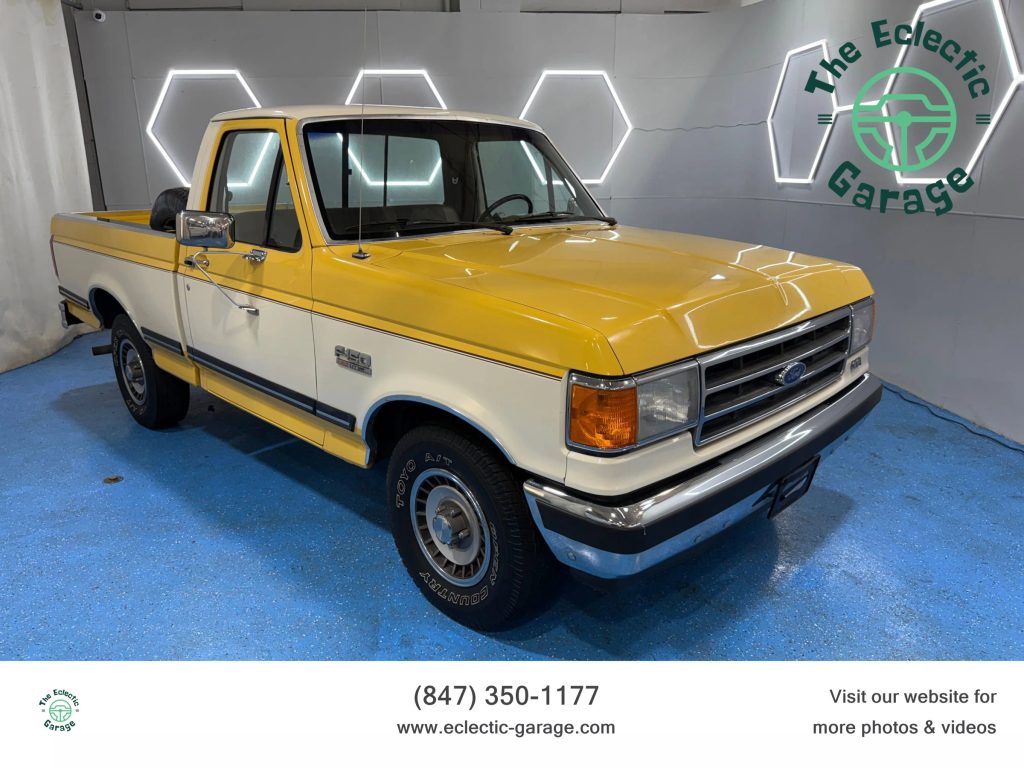
Are you curious about how much your 1989 Ford F150 could be worth today? Whether you’re thinking of selling, trading, or just want to know the value of your classic truck, understanding its true worth can save you time and money.
This isn’t just any old pickup—your 1989 F150 carries a story, and its value depends on many factors that you might not have considered. Keep reading to discover what affects its price and how you can get the best deal for your truck.
Your 1989 Ford F150 might be worth more than you think.

Credit: classics.autotrader.com
1989 Ford F150 Models
The 1989 Ford F150 is a classic truck with various models and features. It served both work and personal use well. Understanding its models helps to know its value. The variety in trims, engines, and body styles affects its price today.
Trim Levels
The 1989 Ford F150 came in several trim levels. Each offered different comfort and style options. The base model focused on utility and durability. The XL trim added more features for everyday use. The XLT Lariat was the top trim with luxury touches.
- Base – Simple and rugged
- XL – Added comfort and style
- XLT Lariat – Premium interior and features
Engine Options
This model offered multiple engine choices. Buyers could pick based on power and fuel needs. The base engine was a 4.9L inline-six. A 5.0L V8 gave more power for tough jobs. The strongest was a 5.8L V8, good for heavy towing.
- 4.9L Inline-6 – Reliable and efficient
- 5.0L V8 – Balanced power
- 5.8L V8 – Maximum strength
Body Styles
The 1989 F150 offered different body styles. These affected the truck’s size and use. The regular cab was the most common, with two doors and one row of seats. The SuperCab added extra space with small rear doors. Bed lengths varied for cargo needs.
- Regular Cab – Two doors, one row
- SuperCab – Extra seating, small rear doors
- Bed Lengths – Short and long options
Credit: www.carfax.com
Factors Affecting Value
Several key factors influence the value of a 1989 Ford F150. Each element plays a role in determining its market price. Understanding these can help you estimate the truck’s worth more accurately.
Mileage And Condition
Mileage reflects how much the truck has been used. Lower mileage often means less wear and higher value. Condition also matters a lot. Trucks with rust, dents, or engine issues lose value. Well-maintained trucks with clean interiors sell for more.
Modifications And Restorations
Modifications can either increase or decrease value. Custom parts that improve performance or style may attract buyers. Poor-quality or excessive modifications might reduce appeal. Restorations that return the truck to original condition usually add value. Authentic parts and professional work are key.
Market Demand
Demand for vintage trucks changes over time. Popular models and trims fetch higher prices. Regional interest also affects value. In some areas, classic trucks are more sought after. Checking current market trends helps gauge how much buyers are willing to pay.
Current Market Prices
The value of a 1989 Ford F150 varies widely. Several factors influence its price, such as condition, mileage, and location. Examining current market prices gives a clear picture of what buyers pay today. This helps sellers set a fair price and buyers understand the cost.
Private Seller Listings
Private sellers often list their 1989 Ford F150 trucks at various prices. These listings show a broad price range due to different truck conditions. Well-maintained trucks with low mileage ask for $8,000 to $12,000. Trucks with higher mileage or needing repairs often sell for $4,000 to $7,000.
- Prices reflect truck condition and location.
- Private sales may include negotiation room.
- Buyers find deals but must check truck history.
Dealer Prices
Dealers usually price 1989 Ford F150 trucks higher than private sellers. They offer warranties and vehicle inspections for added value. Prices for dealer trucks range from $10,000 to $15,000. Trucks in excellent condition or restored models can cost even more. Dealers provide financing options, making purchases easier for buyers.
Auction Results
Auction prices for the 1989 Ford F150 vary greatly. Auctions attract collectors and enthusiasts who may pay premium prices. Average auction sales fall between $5,000 and $11,000. Rare models or trucks with unique features sell for higher amounts. Auction prices depend on demand and truck condition at the sale.
Regional Price Variations
Prices for a 1989 Ford F150 vary widely by region. Local demand and supply affect how much buyers pay. Some areas value classic trucks more than others. This creates clear differences in price across cities and countryside. Understanding these regional variations helps sellers and buyers set fair prices.
Urban Vs Rural Markets
Urban areas often have higher prices for classic trucks. Collectors and enthusiasts live in cities, driving demand up. Trucks in cities may also be in better condition. Rural markets usually see lower prices. Many trucks still serve as daily work vehicles there. Wear and tear tend to be more common outside cities. This lowers the value but increases availability.
Popular Regions For Classic Trucks
The Southern United States has strong demand for 1989 Ford F150s. Warm climate preserves older vehicles well. The Midwest also shows interest due to farming and truck culture. West Coast buyers appreciate restored classics for shows and events. Each region’s culture influences how much buyers pay. Knowing popular areas guides pricing strategies for sellers.
Tips For Buyers
Buying a 1989 Ford F150 can be a rewarding experience if you know what to look for and how to handle the process. These trucks have character and history, but their value depends heavily on condition, maintenance, and market demand. To help you make the best choice, here are some practical tips to guide your buying journey.
Inspecting The Truck
Start by checking the truck thoroughly, both inside and out. Look for rust spots, especially around the wheel wells and undercarriage—these can be costly to fix.
Don’t forget to examine the engine and transmission. Ask the seller for maintenance records; a well-documented service history often means fewer surprises down the road.
Take the truck for a test drive on different road types. Listen for unusual noises and pay attention to how it handles braking and steering. Have you ever bought a vehicle only to discover hidden mechanical issues later? Avoid that by being thorough now.
Negotiating Price
Know the market value before you start negotiating. Use online resources and local listings to compare prices of similar 1989 Ford F150 models.
Point out any repairs or upgrades that might affect the price, like new tires or a rebuilt engine. Sellers often expect some negotiation, so don’t hesitate to make a reasonable offer based on your inspection findings.
Remember, walking away is your strongest bargaining tool. If the price doesn’t fit your budget or the truck has too many issues, be ready to look elsewhere.
Avoiding Common Pitfalls
Beware of sellers who rush the process or avoid answering detailed questions. Transparency is key to a trustworthy deal.
Don’t skip a vehicle history check. Accident reports or title issues can seriously reduce the truck’s value and your peace of mind.
Make sure to have a trusted mechanic inspect the vehicle before finalizing the purchase. It’s an investment that can save you from costly repairs later.
Tips For Sellers
Selling a 1989 Ford F150 requires careful planning to get the best price. Simple steps can improve your truck’s appeal and attract buyers fast. Focus on making your truck look good, pricing it right, and using smart marketing.
Preparing The Truck For Sale
Clean the truck inside and out. Remove any trash and personal items. Fix small problems like broken lights or worn tires. A fresh oil change can boost buyer confidence. Take clear photos showing all angles and important details. Keep the title and maintenance records ready for buyers.
Setting A Competitive Price
Research prices of similar 1989 Ford F150 models in your area. Consider mileage, condition, and any upgrades. Check online listings and local ads for comparison. Price slightly below average to attract more interest. Be ready to negotiate but know your lowest acceptable price.
Marketing Strategies
- Write a clear, honest description of the truck.
- Highlight key features like engine type and recent repairs.
- Use popular online marketplaces and local classifieds.
- Share posts on community groups or forums for truck buyers.
- Respond quickly to questions from interested buyers.
- Offer test drives in safe, public places.
Future Value Predictions
The future value of a 1989 Ford F150 depends on several evolving factors that you should keep an eye on. This truck sits at a unique crossroads where classic appeal meets changing automotive trends. Understanding these trends can help you gauge if your F150 will grow in value or face challenges ahead.
Classic Truck Trends
Classic trucks like the 1989 Ford F150 have seen a steady rise in interest among collectors and enthusiasts. Their simple mechanics and rugged design make them favorites for restoration projects and weekend drivers. If your truck is well-maintained or restored with original parts, its value could increase significantly over the next decade.
Look at how other trucks from the late ’80s and early ’90s have performed—many have appreciated by 20-30% in recent years. Are you considering keeping your F150 stock, or are you thinking about upgrades? Remember, originality often adds more value than modifications.
Impact Of Electric Vehicle Shift
The automotive world is rapidly moving toward electric vehicles (EVs), and this shift will influence classic truck values. As new trucks become electric, the nostalgia and hands-on nature of a 1989 F150 could make it more desirable to certain buyers. However, increased EV adoption might also reduce demand for older gas-powered trucks in everyday use.
Think about this: will your F150 become a rare collectible because of its gas engine, or will it struggle to find buyers who prefer eco-friendly options? Keeping your truck in excellent condition could make it a standout piece in a mostly electric future. Your choice now might dictate how much your truck’s value changes as the market evolves.

Credit: www.kbb.com
Frequently Asked Questions
How Much Is A 1989 Ford F150 Worth Today?
The value of a 1989 Ford F150 varies by condition, mileage, and location. On average, it ranges from $3,000 to $12,000. Well-maintained or restored models can fetch higher prices from collectors and enthusiasts.
What Factors Affect A 1989 Ford F150’s Value?
Key factors include the truck’s condition, mileage, originality, and maintenance history. Modifications, rust, and mechanical issues can lower the value. Rarity and demand in your local market also play important roles in pricing.
Where Can I Sell My 1989 Ford F150 For The Best Price?
You can sell your 1989 Ford F150 through online marketplaces, classic car auctions, or local dealerships. Listing it on specialty classic truck forums or Facebook groups may also attract serious buyers willing to pay a premium.
Is A 1989 Ford F150 A Good Investment Vehicle?
A 1989 Ford F150 can be a good investment if well maintained and preserved. Classic truck values often appreciate over time, especially rare trims or models with low mileage. However, market demand varies by region and condition.
Conclusion
Determining a 1989 Ford F150’s value involves several key factors. Consider its condition, mileage, and modifications. Classic truck enthusiasts may pay more for a well-maintained model. Check online listings to compare prices. Local demand can affect value too. Keep in mind, prices vary widely.
Always research thoroughly before buying or selling. This ensures a fair transaction. Remember, a truck’s story adds to its worth. Happy hunting for the right price!