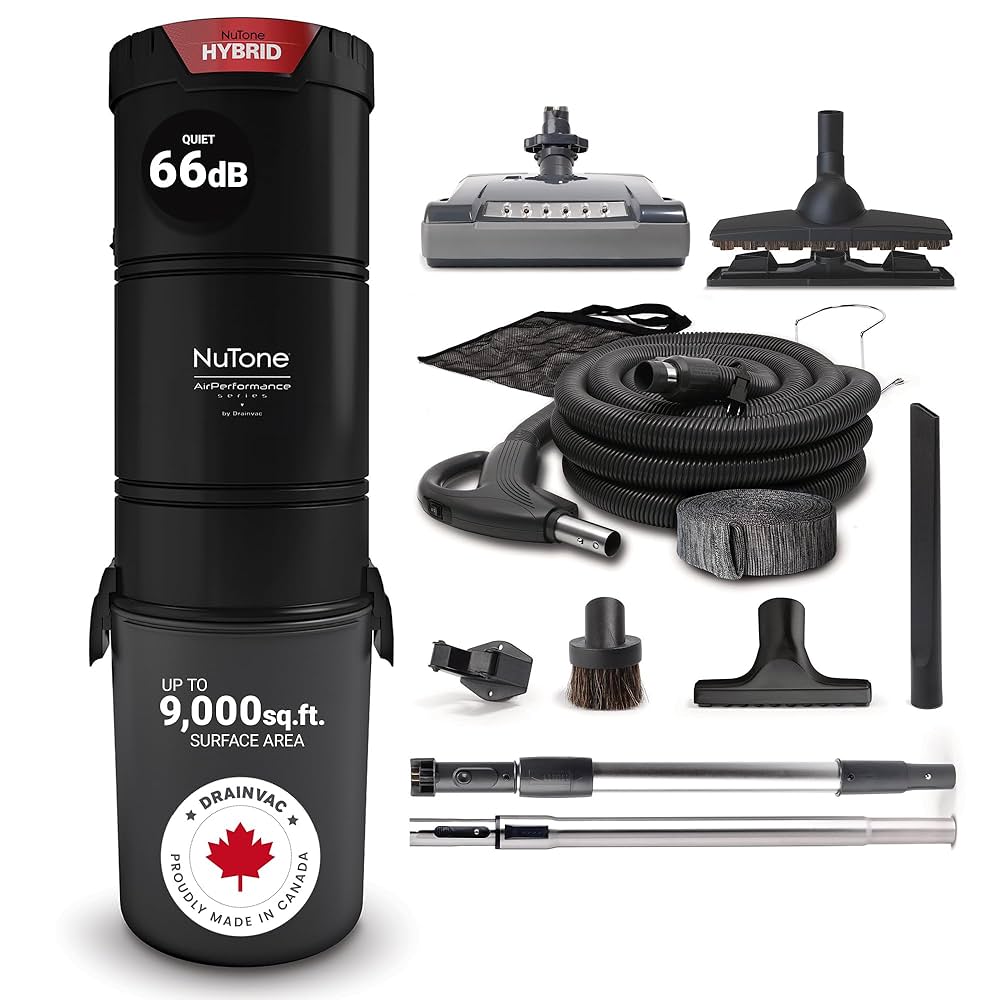
Thinking about upgrading your cleaning routine with a central vacuum system? You’re probably wondering, “How much is a central vacuum system going to cost me?” It’s a smart question because this investment can change the way you clean your home forever.
But before you decide, you need clear, straightforward answers about pricing, installation, and what affects the overall cost. Keep reading, and you’ll get the full picture—so you can make the best choice for your home and budget.
Central Vacuum System Basics
A central vacuum system is a built-in cleaning solution for homes. It offers a powerful and convenient way to keep floors and surfaces clean. The system removes dirt and debris through pipes hidden inside walls. Understanding the basics helps you see why it may be worth the investment.
Key Components
- Power Unit:The motor that creates suction. Usually placed in a garage or basement.
- Piping Network:PVC pipes run through walls to carry dirt to the power unit.
- Inlets:Wall openings where you connect the vacuum hose. They are spread throughout the home.
- Hose and Attachments:Lightweight hose used to clean floors, furniture, and hard-to-reach spots.
- Collection Container:Holds dirt and dust collected by the system. Easy to empty after cleaning.
How It Works
Plug the hose into an inlet on the wall. The power unit starts to create strong suction. Dirt and dust get sucked through the hose.
The debris travels through the pipes hidden inside the walls. It moves to the collection container near the power unit. The air leaves the home, often outside, improving indoor air quality.
This system reduces noise since the motor is far from living spaces. It also cleans more deeply than regular vacuums. No need to carry heavy equipment from room to room.
Factors Affecting Cost
Several factors influence the cost of a central vacuum system. Understanding these can help you plan your budget better. Prices can vary widely based on what your home needs and the system’s features. Each element plays a key role in the final price you will pay.
Home Size And Layout
The size of your home affects how powerful the vacuum system must be. Larger homes require bigger units with stronger suction. Complex layouts need more piping and multiple inlets. This raises the installation cost and overall price.
Brand And Model
Different brands offer various models with unique features. Well-known brands often charge more for reliability and warranties. Basic models cost less but might lack advanced functions. Choosing the right model depends on your needs and budget.
Installation Complexity
Installing a central vacuum system can be simple or complex. New homes allow easy installation during construction. Older homes may need extra work to fit pipes through walls. More labor and materials increase the total cost.
Additional Features
Extra features add convenience but increase the price. Options like HEPA filters improve air quality. Automatic dustpan inlets make cleaning easier. Remote controls and noise reduction also add to the cost. Pick features that match your cleaning habits and budget.
Price Range Breakdown
Understanding the price range of central vacuum systems helps in making the right choice. Prices vary based on power, size, and features. Breaking down the costs into entry-level, mid-range, and high-end models gives a clear picture. This guide helps match your budget with the system you need.
Entry-level Systems
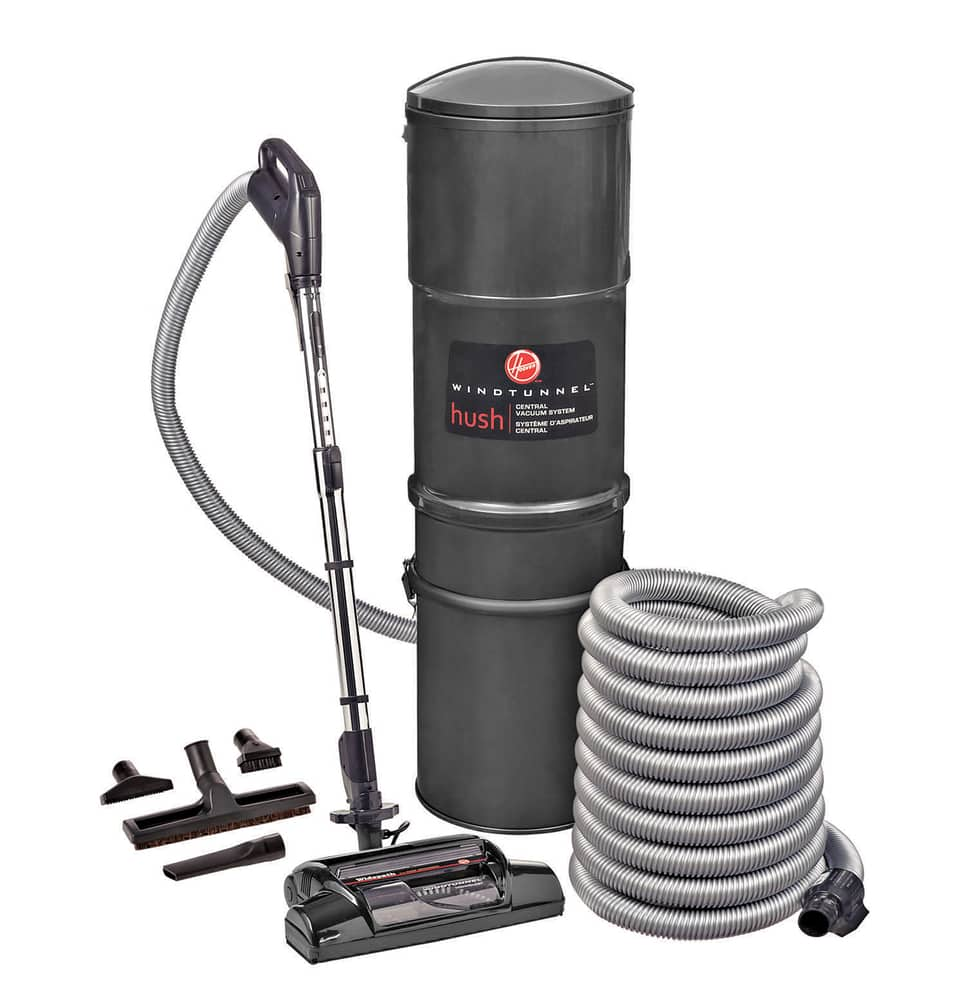
Entry-level central vacuum systems cost between $500 and $1,000. They offer basic suction power and fewer accessories. These models suit small to medium homes. Installation is often simpler and less expensive. Expect standard hose lengths and fewer cleaning tools. Ideal for those new to central vacuum systems.
Mid-range Options
Mid-range systems range from $1,000 to $2,000. They have stronger motors and better filtration. These models support larger homes and more frequent use. More accessories and longer hoses come standard. Some include advanced features like automatic dirt disposal. Installation costs might be higher due to added complexity.
High-end Models
High-end central vacuum systems cost $2,000 and above. They deliver powerful suction and quiet operation. These models include multiple inlets and extensive accessories. Advanced filtration systems improve air quality. Some systems offer smart controls and customizable settings. Best for large homes or heavy cleaning demands.
Credit: www.canadiantire.ca
Installation Expenses
Installing a central vacuum system involves more than just buying the unit. The installation expenses can vary widely depending on your home’s layout and whether you choose to do it yourself or hire a professional. Understanding these costs upfront helps you budget better and avoid surprises.
Diy Vs Professional Installation
Installing a central vacuum system yourself can save you a significant amount of money. If you’re comfortable with basic tools and have some DIY experience, you might handle the installation in a weekend. However, this option requires time, effort, and a good understanding of your home’s structure.
Professional installation guarantees the job is done correctly and usually comes with a warranty. Experts know how to avoid common pitfalls, such as improper pipe placement or poor sealing, which can reduce system efficiency. But hiring a pro will add to your overall cost.
Typical Labor Costs
Labor costs for professional installation usually range between $500 and $1,500. The final amount depends on factors like the size of your home, the number of inlet valves, and the complexity of the piping route. Larger homes with multiple floors and many outlets naturally require more work and higher fees.
Some contractors charge by the hour, often between $50 and $100, while others offer a flat rate. It’s wise to get several quotes before deciding. Don’t hesitate to ask what’s included in the labor price—some companies bundle materials and others do not.
Potential Hidden Fees
Be aware of possible hidden fees that can inflate your installation costs. These might include charges for drilling through concrete or brick walls, additional materials like extra piping, or modifications to existing electrical wiring. Sometimes, if your home’s layout is unusual, additional labor may be required.
One homeowner shared how unexpected fees for wall repairs and extra fittings added several hundred dollars to their bill. Asking for a detailed estimate upfront can help you spot these charges early. Have you checked if your quote covers all these extras?
Maintenance And Operating Costs
Understanding the maintenance and operating costs of a central vacuum system helps plan your budget better. These costs are often lower than those of traditional vacuum cleaners. Regular care keeps the system efficient and extends its lifespan. Here’s a look at the main expenses involved.
Filter Replacement
Filters trap dust and debris inside the vacuum system. Over time, filters become clogged and lose effectiveness. Replacing filters every 6 to 12 months ensures strong suction power. The cost varies by filter type, usually between $20 and $60. Some systems use washable filters, which reduce replacement costs.
Power Consumption
Central vacuum units use electricity to operate. Most models consume between 500 and 1500 watts. Running the system for 30 minutes a day costs about $5 to $15 per month. Energy-efficient models lower electricity bills. Using the vacuum only when needed helps save power.
Repairs And Servicing
Repairs may involve motor, hose, or inlet valve issues. Routine servicing checks system parts and prevents breakdowns. Annual service costs range from $50 to $150. DIY maintenance like cleaning hoses reduces repair needs. Promptly fixing small problems avoids costly repairs later.

Credit: www.amazon.ca
Cost Comparison With Portable Vacuums
Comparing the cost of a central vacuum system to that of portable vacuums involves more than just the initial price tag. You need to think about how each option affects your budget over time and what kind of cleaning results you’ll get. Understanding these differences helps you make a smarter choice for your home and wallet.
Long-term Savings
Central vacuum systems usually cost more upfront. Installation can run anywhere from $1,500 to $3,000 depending on your home’s size and complexity. Portable vacuums, on the other hand, often start under $200 and can go up to $600 for higher-end models.
But here’s the catch: central vacuums last longer and require less maintenance. You won’t need to buy bags, filters, or new units as often. Over 10 years, this can save you hundreds in replacement parts and energy bills since central systems are typically more energy-efficient.
Have you considered how often you replace your portable vacuum? That cost adds up quicker than you might expect.
Performance Differences
Central vacuum systems provide stronger suction and better air quality by venting dust outside your living space. This means fewer allergens and less noise inside the house. Portable vacuums, while convenient, often struggle with deep cleaning carpets and can scatter dust around.
Think about your cleaning needs. If you have pets or allergies, the performance difference becomes even more important. A central vacuum can make your home cleaner and healthier with less effort.
Would you trade a bit more effort in installation for a cleaner home environment that lasts?
Tips To Save On Central Vacuum Systems
Saving money on a central vacuum system is possible with smart choices. Small decisions can reduce the overall cost without losing quality. These tips help you get a good system at a better price.
Choosing The Right System
Select a system that fits your home size and cleaning needs. Avoid buying extra features you won’t use. A smaller, simpler system costs less and works well for many homes. Check power ratings and capacity to match your lifestyle. This prevents overspending on unnecessary parts.
Scheduling Installation Wisely
Plan installation during off-peak times for cheaper labor costs. Avoid busy seasons like spring and fall when installers are busy. Scheduling in winter or summer can lower installation fees. Also, combine installation with other home projects to save on service calls. Ask for multiple quotes to find the best price.
Buying During Sales
Watch for sales events at home improvement stores or online. Major holidays often bring discounts on vacuum systems. Sign up for store newsletters to get early sale alerts. Clearance sales offer great deals on last year’s models. Buying during these times reduces the system cost significantly.

Credit: www.amazon.ca
Frequently Asked Questions
How Much Does A Central Vacuum System Cost?
A central vacuum system typically costs between $1,000 and $3,000. Prices depend on the unit size, installation complexity, and home size. Higher-end models and professional installation increase costs. DIY installation can reduce expenses but requires skill.
What Factors Affect Central Vacuum System Price?
The price varies based on unit power, home size, and installation difficulty. Additional accessories like hoses and attachments also add cost. Labor charges and brand quality influence the final price. Larger homes usually need stronger, more expensive systems.
Is Professional Installation Necessary For Central Vacuum?
Professional installation is recommended for optimal performance and warranty protection. Experts ensure proper placement, sealing, and connection of piping. DIY installation may save money but risks leaks and reduced suction. Most manufacturers require professional setup for warranty validity.
How Long Does A Central Vacuum System Last?
With proper maintenance, central vacuum systems last 15 to 25 years. Regular filter cleaning and motor care extend lifespan. Quality units and professional installation contribute to durability. Timely repairs prevent costly replacements and maintain efficiency.
Conclusion
Choosing the right central vacuum system can save money over time. Consider your home size and cleaning needs. Prices vary, but investing in quality pays off. A well-maintained system lasts longer. Research and compare different brands and models. Always read reviews from other users.
They offer real insights. Installation costs might differ, so budget accordingly. Don’t forget to factor in any maintenance expenses. Ultimately, a central vacuum system is a smart choice for many households. It offers convenience and improves home cleanliness. Make an informed decision to enjoy these benefits.