Have you ever wondered how much a central vacuum could cost you? Whether you’re remodeling your home or simply seeking a more efficient way to keep it clean, understanding the price of a central vacuum is crucial.
You might be curious about whether it’s a worthwhile investment or just another household gadget that promises more than it delivers. Picture a spotless home where cleaning feels less like a chore and more like a breeze. Imagine the convenience of not having to lug around a heavy vacuum cleaner from room to room.
By the end of this article, you’ll have a clear picture of the costs involved and whether this modern cleaning marvel is right for your home. Stay with us as we break down the true value of central vacuum systems, exploring both the upfront costs and the long-term benefits that might just surprise you.

Credit: evacuumstore.com
Central Vacuum Basics
Central vacuum systems offer a powerful and convenient way to clean homes. They provide strong suction and reduce noise compared to traditional vacuums. Understanding the basics helps in deciding if this system fits your needs and budget.
Components And Features
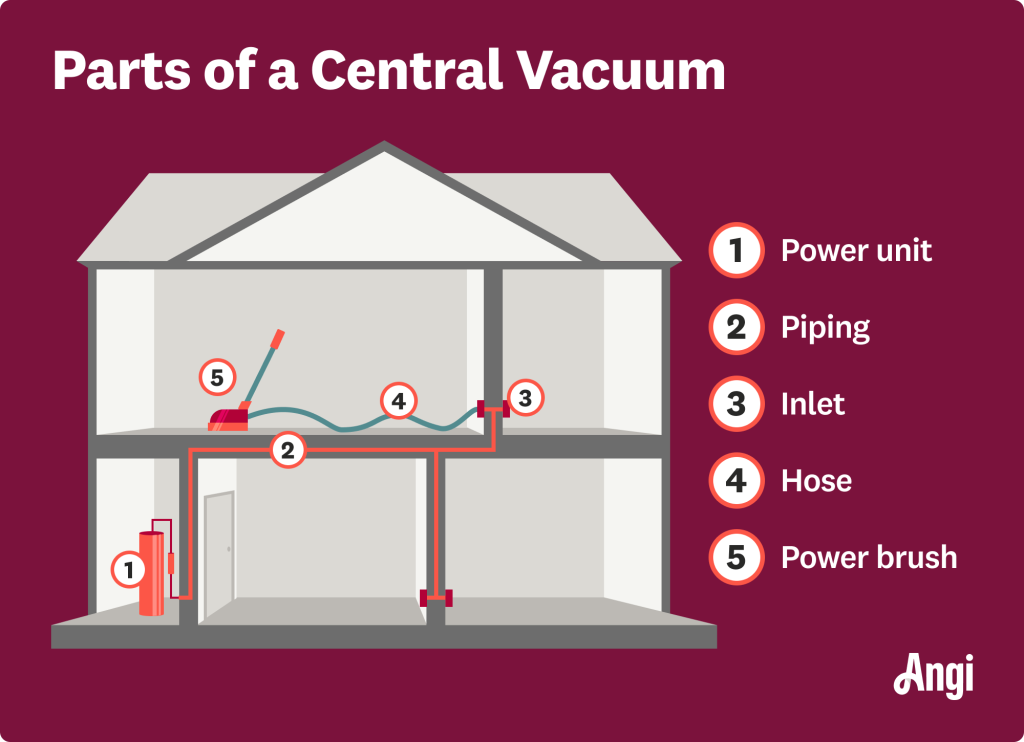
A central vacuum system has several key parts. The power unit is usually placed in a garage or basement. This unit contains the motor and dirt collection container. Tubing runs inside walls to connect the power unit with wall inlets. You plug the vacuum hose into these inlets during cleaning.
Some systems include features like:
- Multi-stage filtration to trap dust and allergens
- Automatic dirt disposal for easier maintenance
- Lightweight hoses for better handling
- Quiet operation to reduce noise
Types Of Central Vacuum Systems
There are mainly two types of central vacuum systems. The first is the standard electric-powered system. It uses a motor to create suction and collects dirt in a canister. This system is common in homes and offers strong suction power.
The second type is a cyclonic system. It uses a spinning action to separate dirt and air. This keeps filters cleaner and maintains suction longer. Cyclonic systems often require less maintenance and can last longer.

Credit: www.amazon.com
Factors Influencing Cost
Understanding the factors that influence the cost of a central vacuum system helps you make smarter choices. Costs vary widely depending on your home’s needs and the features you want. Let’s break down the main elements that impact the price so you can plan your budget effectively.
System Size And Power
The size of your home directly affects the system size and power you need. Larger homes require more powerful units with greater suction capacity to cover all areas efficiently.
For instance, a small apartment might only need a compact system costing around $600, while a large multi-story house could require a high-capacity unit that costs over $2,000. Matching system power to your home size ensures optimal performance without overspending.
Installation Complexity
Installing a central vacuum in a new build is usually simpler and less expensive. You can plan the piping during construction, reducing labor and material costs.
On the other hand, retrofitting an existing home can be more challenging. Walls might need to be opened, and piping routed through tight spaces, adding to installation time and expense.
Have you considered how your home’s layout might affect installation? Sometimes, a straightforward setup can save you hundreds in labor costs.
Additional Accessories
Accessories can add convenience but also increase the total cost. Items like specialized hoses, attachments for pet hair, or extra inlet valves improve functionality.
Think about what suits your lifestyle best. Do you have pets that shed a lot? You might want a powerful brush attachment, which could cost an extra $100 or more.
Adding more inlets across the home also raises the price but makes vacuuming easier by reducing the hose length you carry around.
Price Ranges
Central vacuum systems come in various price ranges to fit different budgets and needs. Prices depend on the system’s power, features, and installation complexity. Understanding these price ranges helps you pick the right model for your home.
Entry-level Systems
Entry-level central vacuum units usually cost between $500 and $1,000. These systems work well for small homes or apartments. They offer basic suction power and fewer accessories. Installation is simpler, which lowers overall costs.
Mid-range Options
Mid-range models range from $1,000 to $2,000. They have stronger suction and more features like better filtration. These systems suit medium-sized homes and offer improved durability. They often include several cleaning tools and hoses.
High-end Models
High-end central vacuum systems start around $2,000 and can exceed $3,500. They deliver powerful suction and advanced filtration for allergy sufferers. These models include many accessories and smart features. Installation may be more complex, adding to the price.
Installation Expenses
Installation expenses make up a significant part of the overall cost when adding a central vacuum system to your home. These costs can vary widely based on how you choose to install the system, the size of your home, and the materials needed. Understanding these factors helps you plan your budget more accurately and avoid unexpected charges.
Professional Vs Diy Installation
Choosing between professional installation and doing it yourself can impact your wallet and peace of mind. Professionals bring experience and tools that reduce the risk of errors, often completing the job faster. However, hiring an expert typically costs between $500 and $1,500 depending on complexity.
If you’re handy and have some experience with home projects, a DIY installation might save you money. Keep in mind, it requires time, effort, and some technical know-how. Mistakes during installation can lead to poor system performance or extra repair costs down the line.
Material And Labor Costs
Material costs include pipes, power units, wall inlets, and fittings. These parts can range from $300 to $1,000 based on the brand and quality you select. Labor costs, if you hire a professional, often make up more than half the installation price because it involves cutting into walls and running tubing throughout your home.
Ask your installer for a detailed quote that breaks down each material and labor cost. This transparency can help you decide where to save and where to invest in better quality parts for long-term durability.
Home Size Impact
The size of your home directly influences installation expenses. Larger homes require more tubing and additional inlets to cover all areas effectively. This naturally increases both material and labor costs.
Smaller homes might see installation costs as low as $700, while larger homes can push expenses over $2,000. Think about your home’s layout carefully—are there multiple floors or tricky corners? These factors can add complexity and cost.
Maintenance And Operating Costs
Understanding the maintenance and operating costs of a central vacuum system is crucial before making an investment. These costs can affect your overall satisfaction and budget over time. Let’s break down the key expenses you should anticipate to keep your system running smoothly and efficiently.
Filter Replacement
Filters are the heart of your central vacuum’s cleaning power. Depending on the model, you may need to replace or clean filters every 6 to 12 months. Some units use washable filters, which can save you money, but others require disposable ones that typically cost between $10 and $30 each.
Ignoring filter maintenance can reduce suction and strain the motor. Have you checked your vacuum’s filter condition lately? Staying on top of this simple task helps maintain performance and extends the life of your system.
Repairs And Servicing
Repairs can be an unexpected expense. Components like hoses, power units, or inlets may need fixing or replacing after years of use. On average, minor repairs might cost between $50 and $150, but major motor repairs can exceed $300.
Scheduling regular servicing can prevent costly breakdowns. Think about it like a health check for your vacuum—small tune-ups today can save you big repair bills tomorrow. Are you ready to invest a little time and money now to avoid major headaches later?
Energy Consumption
Central vacuum systems use electricity, but their energy consumption is generally low compared to other household appliances. Most units consume between 600 and 1400 watts during operation. Running your vacuum for 30 minutes a week will add only a few dollars to your monthly electric bill.
Choosing an energy-efficient model can make a difference over the years. Have you considered how your vacuum’s power usage fits into your overall energy budget? Small savings add up, especially if you vacuum frequently or have a large home.

Credit: www.amazon.com
Cost-saving Tips
Saving money on a central vacuum system doesn’t mean cutting corners. It means making smart choices that fit your needs and budget. Here are some practical tips to help you get the best value without sacrificing quality.
Choosing The Right System
Not every central vacuum system suits every home. Think about the size of your house and how often you vacuum. A powerful system might seem appealing, but a smaller, more efficient model could save you money upfront and on energy bills.
Look for models with good energy ratings and warranties. Sometimes spending a bit more initially means fewer repairs later. Have you checked if the system’s capacity matches your cleaning routine?
Scheduling Installation
Timing your installation can make a big difference in cost. Contractors often have busy and slow periods. If you can schedule your installation during off-peak times, you might secure a better rate.
Also, consider combining installation with other home projects. This can reduce labor costs and disruption. Have you asked your installer about any flexible scheduling options or discounts?
Buying Packages And Deals
Many suppliers offer packages that include the vacuum unit, hoses, and accessories. Buying these bundles can be cheaper than purchasing items separately. Always compare what’s included to avoid paying for extras you don’t need.
Keep an eye out for seasonal sales or promotional discounts. Signing up for newsletters or alerts from trusted retailers can give you early access to deals. How often do you check for special offers before making a big purchase?
Comparing Central Vacuums To Traditional Vacuums
Choosing between a central vacuum system and a traditional vacuum cleaner depends on more than just the initial price tag. Both options have unique benefits and drawbacks that affect your home’s cleanliness, your comfort, and even your budget over time. Let’s break down how they compare across several important factors.
Long-term Value
Central vacuums often require a higher upfront investment, sometimes ranging from $700 to $2,000 installed. However, their durability means you won’t need to replace or repair them as frequently as traditional vacuums, which usually cost between $100 and $500 but may last only a few years.
Think about the costs you face every few years with a traditional vacuum: new filters, bags, or even a whole new unit. A central vacuum’s powerful motor lasts longer, and you save on maintenance and replacement parts over time. How much are you willing to spend now to avoid these recurring costs?
Performance Differences
Central vacuums deliver stronger suction and better air filtration because the motor and exhaust are located outside the living space. This setup reduces indoor dust and allergens, improving air quality—a big plus if anyone in your home has allergies or asthma.
Traditional vacuums can be less powerful and often recirculate dust particles back into the room. If you’ve ever noticed dust clouds after vacuuming, you know what I mean. Would you prefer a cleaner environment even after the vacuum is put away?
Convenience Factors
One of the biggest conveniences of a central vacuum is the ease of use. Instead of lugging around a heavy machine, you just carry a lightweight hose and attach it to wall inlets throughout your home. This means less strain and faster cleaning sessions.
Traditional vacuums require constant plugging and unplugging, moving furniture, and dealing with tangled cords. Plus, central vacuums are quieter, so you won’t disturb others while cleaning. How much does convenience matter in your daily routine?
Frequently Asked Questions
How Much Does A Central Vacuum System Cost?
A central vacuum system typically costs between $800 and $2,500. Price varies by brand, size, and installation complexity. Higher-end models and larger homes increase costs. Installation fees can also affect the total price. This investment often adds value and convenience to your home.
What Factors Influence Central Vacuum Pricing?
Pricing depends on system power, brand, unit size, and installation difficulty. Larger homes need more tubing and outlets, increasing costs. Additional features like HEPA filters or accessories also raise prices. Labor costs vary by region and installer expertise, affecting the final cost.
Is Professional Installation Necessary For Central Vacuums?
Yes, professional installation is recommended for central vacuum systems. Proper setup ensures optimal suction and system longevity. Experts handle complex wiring and tubing, reducing risks of leaks or damage. DIY installation can void warranties and lead to inefficient performance or costly repairs.
Can A Central Vacuum System Save Money Long-term?
Yes, central vacuums can save money long-term by lasting longer than portable vacuums. They reduce maintenance costs and improve indoor air quality, potentially lowering health expenses. Energy-efficient models also consume less electricity, contributing to savings over time.
Conclusion
Central vacuum systems cost varies based on size and features. Installation adds to the total price. Think about long-term benefits before deciding. These systems save time and keep air cleaner. Choose a model that fits your home and budget. A good central vacuum can last many years.
Weigh the cost against convenience and durability. This helps you make a smart choice for your home.