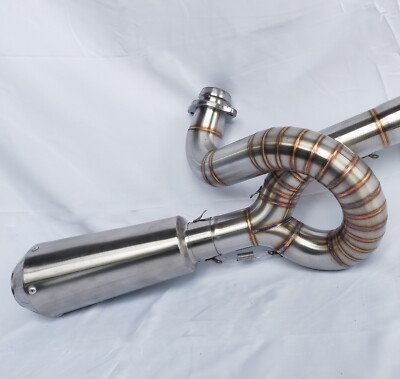
Thinking about upgrading your ride with a custom exhaust system? You’re probably wondering, “How much is a custom exhaust system going to cost me?” It’s a smart question because the price can vary a lot depending on what you want and need.
But here’s the thing: knowing the right price upfront can save you from surprises and help you get the best value for your money. You’ll discover what affects the cost, what options you have, and how to choose the perfect system without breaking the bank.
Keep reading—you’ll be one step closer to the sound and performance your vehicle deserves.
Factors Affecting Cost
The price of a custom exhaust system varies based on several factors. Knowing these can help you understand the final cost.
Each factor affects the materials, labor, and design choices that impact the total price.
Materials Used
The type of materials used in a custom exhaust system greatly influences cost. Stainless steel is common but more expensive than aluminized steel.
| Material | Durability | Cost |
| Aluminized Steel | Moderate | Low |
| Stainless Steel | High | Medium |
| Titanium | Very High | High |
Complexity Of Design
Complex designs require more time and skill to build. This increases the cost of the system.
- Simple straight pipes cost less
- Custom bends and shapes add to price
- Multiple outlets or custom tips increase complexity
Labor Costs
Labor cost depends on the shop’s hourly rate and work time needed. Skilled welders charge more but ensure quality.
Typical labor factors include:
- Time to remove old exhaust
- Time to fit and weld new parts
- Testing and adjustments
Credit: www.ebay.ca
Types Of Custom Exhaust Systems
Custom exhaust systems change how your car sounds and performs. They come in different types. Each type affects the car in its own way.
Choosing the right type depends on your needs and budget. Here are the main types of custom exhaust systems.
Cat-back Systems
A Cat-Back system replaces the exhaust from the catalytic converter to the end of the car. It includes pipes, mufflers, and tips. This type improves sound and performance.
Cat-Back systems often cost more than other types. They offer good power gains and a louder exhaust note.
Axle-back Systems
Axle-Back systems replace the exhaust from the rear axle to the exhaust tip. This is the simplest and cheapest upgrade. It mostly changes the sound of the exhaust.
Axle-Back is good for drivers who want a deeper sound without big changes. It does not boost performance much.
Header-back Systems
Header-Back systems replace the entire exhaust from the headers to the rear. This is a full upgrade that improves power and sound significantly.
This system is the most expensive and complex. It is popular for racing or high-performance cars.
Material Choices And Their Impact
Choosing the right material for a custom exhaust system matters a lot. It affects cost, durability, and weight. Different metals offer unique benefits and drawbacks.
This guide looks at three popular materials: stainless steel, aluminum, and titanium. Learn how each one impacts your exhaust system.
Stainless Steel
Stainless steel is a common choice for custom exhausts. It is strong and resists rust well. This makes it last longer in tough weather.
- Good durability and corrosion resistance
- Heavier than other metals
- Moderate cost
- Easy to weld and shape
Aluminum
Aluminum is lighter than stainless steel. It reduces the overall weight of the vehicle. This can improve fuel efficiency and handling.
| Property | Aluminum | Stainless Steel |
| Weight | Light | Heavy |
| Corrosion Resistance | Moderate | High |
| Cost | Lower | Moderate |
| Durability | Less durable | More durable |
Titanium
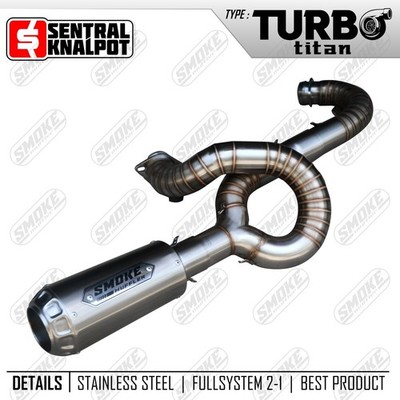
Titanium is the most expensive option. It is very light and strong. It also resists heat and rust better than others.
- Highest strength-to-weight ratio
- Excellent corrosion and heat resistance
- High cost limits use to premium systems
- Gives a sporty look with a unique color

Credit: valvetronic.com
Labor And Installation Costs
Installing a custom exhaust system involves labor costs that vary by location and vehicle type. These costs affect the total price you pay for the system.
Understanding the differences between professional and DIY installation helps you plan your budget better.
Professional Installation
Professional installation is done by trained mechanics. They have the right tools and experience to install your exhaust system safely.
The labor cost usually depends on the shop’s hourly rate and the time required. On average, it can take 2 to 4 hours.
- Hourly labor rates range from $50 to $120
- Total labor cost can be $100 to $480
- Complex vehicles or custom setups may cost more
- Professional work ensures proper fit and function
Diy Installation
DIY installation saves money but needs some mechanical skill. You must have basic tools and follow instructions carefully.
DIY costs mainly include your time and any tools you need to buy. Mistakes can cause damage or poor exhaust performance.
- Cost is mostly your time investment
- May need to buy tools like wrenches or jacks
- Risk of improper installation if inexperienced
- Good for those with mechanical knowledge
Brand Influence On Pricing
Brand plays a big role in the cost of a custom exhaust system. Different brands offer various quality levels and features.
Customers often pay more for well-known brands because of their reputation and product reliability.
Premium Brands And Their Pricing
Premium brands use higher quality materials and advanced technology. This increases the price but often results in better performance and durability.
- Stainless steel construction
- Precision welding
- Improved sound tuning
- Longer warranty
Mid-range Brands
Mid-range brands balance cost and quality. They offer decent materials and good sound but may not last as long as premium brands.
Budget Brands And Cost Savings
Budget brands focus on affordability. They use cheaper materials and simpler designs, which lowers the price but can reduce lifespan and sound quality.
| Brand Type | Material Quality | Price Range | Durability |
| Premium | High-grade stainless steel | $$$ | High |
| Mid-Range | Standard stainless steel | $$ | Medium |
| Budget | Mild steel or aluminized steel | $ | Low |
Additional Features And Customization
Custom exhaust systems can be tailored to fit your needs. Adding features changes the system’s cost and performance. You can choose different parts and styles to match your driving style and car look.
Understanding the options helps you decide what fits your budget and goals. Below are common customization areas to consider for your exhaust system.
Performance Enhancements
Upgrading parts like pipes and mufflers can boost engine power. Performance parts reduce back pressure and improve exhaust flow. This can increase horsepower and fuel efficiency.
- High-flow catalytic converters
- Mandrel-bent piping
- Performance mufflers
- Headers and mid-pipes
- Lightweight materials like titanium
Aesthetic Modifications
Custom exhausts can change your car’s look. You can pick different tips, shapes, and finishes. These options make your vehicle stand out and match your style.
| Feature | Options | Price Range |
|---|---|---|
| Exhaust Tips | Chrome, Black, Carbon Fiber | $50 – $300 |
| Tip Shape | Round, Oval, Square | $30 – $150 |
| Finish | Polished, Matte, Colored | $40 – $200 |
Sound Adjustments
The sound your exhaust makes is a key part of customization. You can choose quiet or loud systems. Some parts help control noise while keeping good flow.
Common sound customization options include:
- Resonators to reduce drone
- Adjustable mufflers for sound control
- Cutouts to open or close exhaust flow
- Different pipe diameters to change tone
Average Price Range
Custom exhaust systems can vary widely in price. Factors like materials and labor affect costs. Knowing the average price range helps you plan your budget.
This guide breaks down costs into three categories: budget, mid-range, and high-end. Each offers different benefits and price points.
Budget Options
Budget exhaust systems usually cost between $300 and $700. These use basic materials like aluminized steel. They offer decent performance but less durability.
- Materials: Aluminized steel
- Performance: Standard sound and flow
- Installation: Basic fit and finish
- Warranty: Limited coverage
Mid-range Choices
Mid-range systems cost about $700 to $1,500. They often use stainless steel for better strength. These systems improve sound and exhaust flow noticeably.
| Feature | Mid-Range System |
| Material | Stainless steel |
| Performance | Improved sound and flow |
| Durability | Good resistance to rust |
| Installation | Professional fit recommended |
High-end Systems
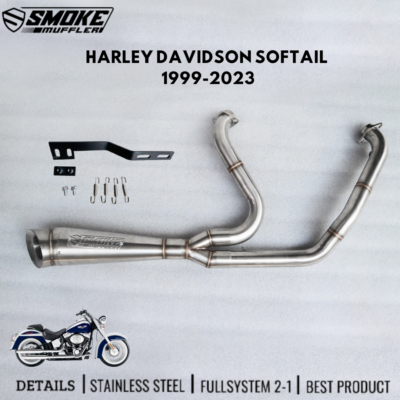
High-end custom exhausts range from $1,500 to $3,500 or more. They use premium materials like titanium or high-grade stainless steel. These systems offer top sound quality and long life.
Common features include:
- Lightweight materials for better performance
- Custom tuning for unique sound
- Advanced coatings to prevent corrosion
- Extended warranty coverage
Credit: www.ebay.ca
Cost-saving Tips
Getting a custom exhaust system can be costly. Saving money means planning smart. These tips help reduce expenses without cutting quality.
Look for ways to spend less on parts and labor. Use local resources and combine services to get better deals.
Buying Used Parts
Used parts can lower the total cost of a custom exhaust system. Many parts last long and work well if checked carefully.
- Check parts for rust or damage before buying
- Buy from trusted sellers or auto salvage yards
- Compare prices online to find the best deal
- Make sure parts fit your vehicle model
Choosing Local Shops
Local shops often offer better prices than big dealers. They may also provide personalized service and faster work.
| Benefit | Details |
| Lower labor costs | Local shops have less overhead |
| Quick service | Nearby shops can schedule faster |
| Support community | Money stays in your local area |
Bundling Services
Combining services saves money and time. Shops may offer discounts when you get multiple jobs done together.
- Get exhaust installation and tuning done at once
- Ask about package deals for parts and labor
- Schedule other repairs during the same visit
- Discuss discounts for repeat customers
Frequently Asked Questions
How Much Does A Custom Exhaust System Cost?
A custom exhaust system typically costs between $500 and $2,000. Prices vary based on materials, vehicle type, and labor. High-performance systems or specialized designs may cost more. Always get a detailed quote before starting the project.
What Factors Affect Custom Exhaust System Pricing?
Pricing depends on materials used, labor complexity, and vehicle make. Stainless steel or titanium exhausts cost more. Custom bends and fabrication increase labor time. Additional features like mufflers or catalytic converters also add to the price.
Can A Custom Exhaust Improve Vehicle Performance?
Yes, a custom exhaust can enhance performance by improving airflow. Better exhaust flow increases engine efficiency and horsepower. It also provides a unique sound tailored to your preferences. Proper tuning maximizes these benefits.
How Long Does Custom Exhaust Installation Take?
Installation usually takes 4 to 8 hours, depending on complexity. Simple swaps are faster, while full custom fabrication takes longer. Scheduling with an experienced shop ensures quality and timely completion.
Conclusion
Custom exhaust system costs vary based on parts and labor. You can expect a range depending on materials and vehicle type. Quality parts may cost more but last longer. Labor charges differ by location and complexity. Think about your budget and needs before deciding.
A good exhaust improves performance and sound. Choose wisely to get the best value. Investing in a custom exhaust makes your car unique. Consider all factors to avoid surprises later.