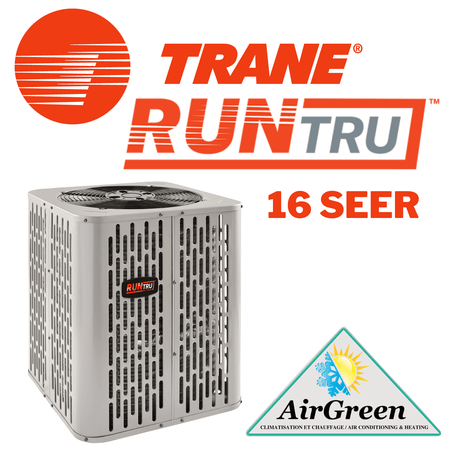
Are you thinking about upgrading your home’s cooling system? You might be wondering, “How much is a Trane air conditioner?” Knowing the cost upfront can help you make the best choice for your comfort and budget.
You’ll discover the real prices behind Trane air conditioners, what affects those prices, and how to get the most value for your money. Keep reading—your perfect cooling solution could be closer than you think.
Trane Air Conditioner Models
Trane offers many air conditioner modelsdesigned for different needs. The Popular Seriesinclude the XR, XV, and XL models. Each series has unique featureslike quiet operation and smart controls.
Cooling capacitiesrange from 1.5 tons to 5 tons. This means Trane units can cool small rooms or large homes.
| Model Series | Cooling Capacity (Tons) | Energy Efficiency (SEER Rating) | Key Features |
|---|---|---|---|
| XR Series | 1.5 – 5 | 14 – 16 SEER | Basic cooling, reliable performance |
| XL Series | 2 – 5 | 16 – 18 SEER | Quieter, better efficiency |
| XV Series | 2 – 5 | 18 – 22 SEER | Variable speed, very quiet |
Higher SEER ratingsmean better energy savings. Choosing a unit with good efficiency lowers electricity bills.

Credit: www.oconnorhvac.com
Price Range Overview
Trane air conditioners come in three main price groups. Entry-level unitsusually cost between $2,500 and $4,000. These models offer basic cooling and are good for small homes or apartments.
Mid-range optionsfall between $4,000 and $6,500. They include better features like higher efficiency and quieter operation. These units suit medium-sized homes and offer good value.
Premium modelsrange from $6,500 to over $10,000. These have advanced technology, more power, and longer warranties. Ideal for large homes or those wanting top performance.
Factors Influencing Cost
Several factors affect the cost of a Trane air conditioner, such as unit size and energy efficiency. Installation complexity and additional features also influence the final price. Local labor rates and seasonal demand can change costs too.
Unit Size And Capacity
The sizeof the air conditioner affects its price. Bigger units with higher cooling capacitycost more. Choose the right size to fit your room. Too big or too small units waste money and energy.
Installation Complexity
Installation can be simple or hard. If your home needs extra work, the costgoes up. Complex wiring, ductwork changes, or wall repairs add to the price. Easy installations keep costs lower.
Additional Components
Some systems need extra parts like thermostats or air filters. These componentsadd to the total cost. Adding smart controls or energy-saving devices also increases price but can save money later.

Credit: greenleafair.com
Installation Expenses
Labor chargesvary by location but usually range between $300 and $1,200. These costs include the time and skill needed to install the unit safely and correctly.
Ductwork and electrical upgradesmight be necessary if your home’s existing system is old or incompatible. Duct repairs or replacements can cost from $1,000 to $3,000. Electrical work, such as adding circuits, may add $200 to $1,000.
Permits and inspectionsare often required by local authorities. Permit fees usually run between $50 and $500. Inspections ensure the installation meets safety standards and local codes.
Energy Savings Potential
SEER ratingsmeasure how efficiently an air conditioner uses energy. Higher SEER means better energy savings. A unit with a SEER of 16 uses less electricity than a SEER 13 model.
Lower SEER units cost less upfront but can increase your electric bills. Higher SEER units cost more but save money over time by using less power.
| SEER Rating | Estimated Annual Energy Cost | Energy Savings |
|---|---|---|
| 13 | $500 | Baseline |
| 16 | $400 | 20% savings |
| 20 | $320 | 36% savings |
Seasonal efficiency varies by climate and usage. Efficient models reduce energy waste during hot months. This lowers operating costs and helps the environment.
Rebates And Incentives
Manufacturer offersoften include rebates for buying energy-efficient Trane air conditioners. These deals can lower the initial cost significantly.
Government programsmay provide financial help or tax credits for installing energy-saving HVAC systems. Check local and federal sources for eligibility.
Utility company discountsreward customers who choose efficient appliances. Some companies offer rebates or bill credits for installing Trane units.
| Rebate Type | Description | Benefit |
|---|---|---|
| Manufacturer Offers | Discounts from Trane on select models | Lower purchase price |
| Government Programs | Tax credits or grants for energy efficiency | Reduce installation cost |
| Utility Discounts | Rebates or credits from electric companies | Save on monthly bills |
Long-term Value
Maintenance costsare key to long-term value. Regular check-ups keep the unit running well. Cleaning filters and coils prevents breakdowns. Minor repairs cost less than full replacements. Trane units often need less repair due to quality parts.
Warranty coveragehelps protect your investment. Trane offers warranties on parts and compressors. This reduces repair costs for several years. Always check warranty details before buying.
| Factor | Impact on Value |
|---|---|
| Maintenance Costs | Lower costs mean better savings over time |
| Warranty Coverage | Covers repairs, reduces unexpected expenses |
| Resale and Home Value | Good AC can increase home appeal and price |
A well-maintained Trane air conditioner can boost home resale value. Buyers see energy-efficient ACs as a plus. It shows the home is cared for and saves money on cooling bills.
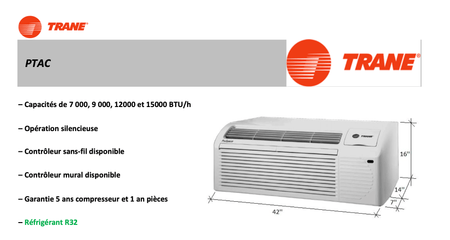
Credit: airgreen.ca
Frequently Asked Questions
How Much Does A Trane Air Conditioner Cost?
A Trane air conditioner typically costs between $3,000 and $7,500. Prices vary based on model, size, and installation complexity. Higher efficiency models usually cost more but save on energy bills. Always get a professional quote for accurate pricing.
What Factors Affect Trane Air Conditioner Prices?
Prices depend on unit size, efficiency rating, and installation needs. Additional costs include labor, permits, and any necessary upgrades. Location and seasonal demand also influence pricing. Choosing a high SEER rating increases upfront costs but improves energy savings.
Is A Trane Air Conditioner Worth The Price?
Yes, Trane units are known for durability and energy efficiency. They offer reliable cooling and lower utility bills over time. High-quality components reduce repair costs. Investing in Trane can provide long-term comfort and savings.
Can Installation Costs Raise The Total Price?
Installation costs vary widely based on home size and complexity. Ductwork modifications or electrical upgrades can increase expenses. Professional installation is crucial for warranty and optimal performance. Always factor installation into the total cost.
Conclusion
Choosing a Trane air conditioner depends on your budget and needs. Prices vary based on model and size. Consider installation and running costs too. A good air conditioner keeps your home cool and comfortable. Investing in a reliable unit saves money over time.
Think about energy efficiency for lower bills. Quality and durability matter for long-term use. Take time to compare options before deciding. Your comfort is worth the careful choice.