Are you tired of lugging around a heavy vacuum cleaner or dealing with messy cords and bags? You might be considering a central vacuum system for your home.
But before making a decision, you’re probably wondering, “How much is central vacuum? ” This question is crucial, as the cost can vary based on several factors. You’ll discover the different components that influence the price and how investing in a central vacuum can save you money in the long run.
Stay with us, and you’ll gain valuable insights that could transform your cleaning routine into an effortless experience, ensuring your home stays spotless with minimal effort. Let’s uncover the real cost and benefits of central vacuum systems together.
Central Vacuum Basics
Understanding the basics of a central vacuum system is essential before you decide how much to invest in one. These systems are quite different from the regular vacuum cleaners you might be used to, offering unique features and benefits that could change how you clean your home. Let’s break down what a central vacuum system really is and why it might be worth considering.
What Is A Central Vacuum System
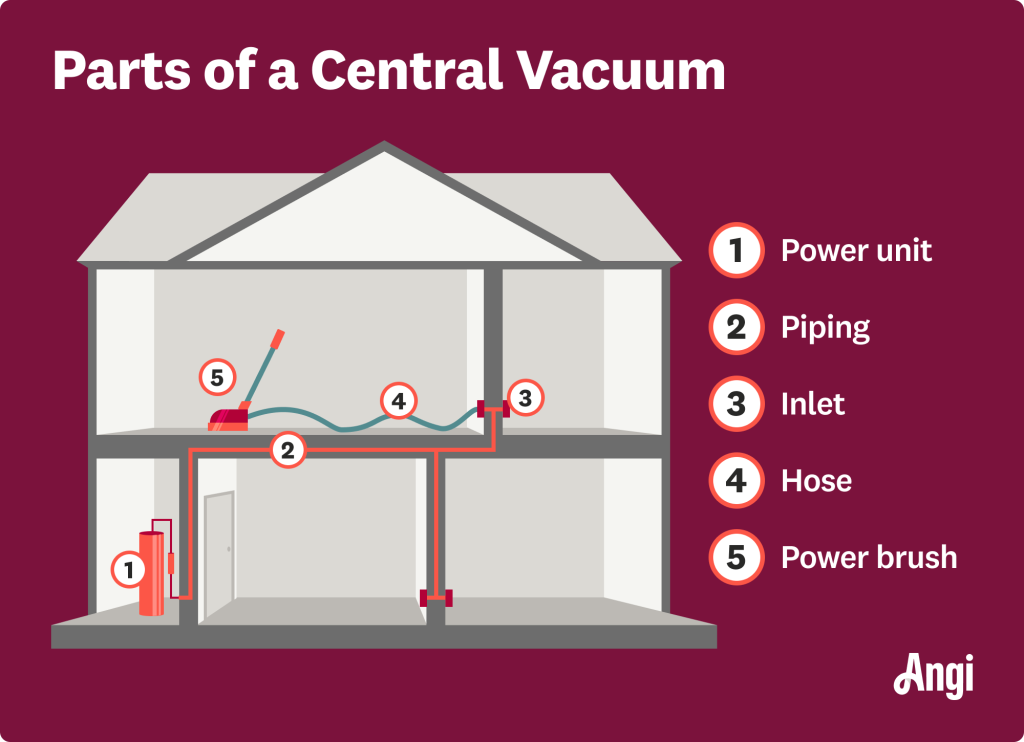
A central vacuum system is a built-in cleaning setup installed inside your home. Instead of lugging a heavy vacuum around, you connect a lightweight hose to wall inlets placed throughout your space. The main vacuum unit, usually installed in a garage or basement, collects all the dirt and debris.
This setup means you don’t have to carry a bulky machine from room to room. The dirt travels through hidden pipes inside your walls, making cleaning more convenient and less noisy. Have you ever struggled with tangled cords or heavy vacuums? A central vacuum system solves those common problems.
Benefits Over Traditional Vacuums
One major benefit is the improved air quality. Traditional vacuums often blow dust back into the room, but central vacuums exhaust outside or into a separate area, reducing allergens. This can make a real difference if anyone in your home has allergies or asthma.
Another plus is power. Central vacuum motors are usually stronger, providing better suction for deep cleaning carpets and hard floors. Plus, you’ll save time since you only carry a hose, and the system covers large areas efficiently.
- Less noise in living spaces during cleaning
- No need to empty dirt bags as often
- Increases home value by adding a modern feature
- Durability and longer lifespan compared to portable vacuums
Thinking about how much a central vacuum costs? Keep in mind these benefits can justify the initial investment by making your cleaning easier and your home healthier.

Credit: www.amazon.com
Factors Affecting Cost
The cost of a central vacuum system varies widely. Several key factors influence the price. Understanding these helps in planning your budget well. Each factor plays a distinct role in the final cost.
System Size And Capacity
System size depends on the home area and cleaning needs. Larger homes need bigger systems with more power. Capacity affects how often you empty the unit. Bigger capacity usually means a higher price. Choose a size that fits your house size.
Installation Complexity
Installation cost varies by house design and setup. Older homes may need extra work for pipes and wiring. New constructions allow easier installation and lower costs. Complex layouts require more materials and labor. Simple installations save both time and money.
Brand And Model Variations
Different brands offer various features and quality levels. Premium brands cost more due to durability and warranty. Budget models meet basic needs at lower prices. Compare brands to find the best value for your money. Brand reputation often reflects product reliability.
Additional Features And Accessories
Extras add convenience but increase overall cost. Common add-ons include specialized brushes and hoses. Some systems offer automatic dirt disposal or HEPA filters. Wireless controls and remote operation may raise prices. Select features that match your cleaning habits.
Price Breakdown
Understanding the price breakdown of a central vacuum system helps you plan your budget better. Costs vary widely depending on the unit’s quality, installation complexity, and ongoing maintenance. Let’s look closer at what you can expect to spend in each area.
Average Cost Of Units
Central vacuum units typically range from $500 to $2,000. Basic models work well for small homes, while high-powered units suit larger spaces or heavy use.
Choosing a unit with good suction and durability means fewer headaches down the line. Have you considered how much power you really need for your space?
Installation Fees
Installation usually costs between $1,000 and $2,500. This depends on your home’s size and wall structure.
Older homes with thick walls or complex layouts might push the price higher. Think about whether DIY installation is an option or if professional help is necessary for your setup.
Maintenance And Repairs
Maintenance costs are generally low but essential to keep your system running smoothly. Expect to spend around $100 to $200 yearly on filter replacements and minor repairs.
Unexpected repairs can add to your expenses, so regular check-ups help avoid costly breakdowns. How often do you check your appliances to catch small issues early?
Diy Vs Professional Installation
Deciding between DIY and professional installation for a central vacuum system affects the total cost and outcome. Both choices have unique advantages and drawbacks. Understanding these can help you choose the best option for your home and budget.
Cost Differences
DIY installation often saves money on labor fees. You only pay for materials and tools. Professional installation includes labor costs but ensures correct setup.
| Installation Type | Average Cost | Notes |
|---|---|---|
| DIY | $200 – $500 | Material costs only, no labor charges |
| Professional | $800 – $1,500 | Includes labor and warranty |
Professional work may cost more but avoids costly mistakes. DIY can be cheaper but risks errors if you lack experience.
Pros And Cons
- DIY Pros:Lower cost, learn new skills, flexible timing.
- DIY Cons:Time-consuming, potential mistakes, no warranty.
- Professional Pros:Expert installation, quicker setup, warranty coverage.
- Professional Cons:Higher upfront cost, less control over schedule.
Choose DIY if you enjoy hands-on projects and have time. Opt for professional installation for peace of mind and speed.
Cost Comparison With Other Vacuum Types
Comparing the cost of a central vacuum with other vacuum types helps understand its value. Each vacuum type has different price points and features. Some cost less upfront but may need more maintenance.
Central vacuums usually involve higher initial costs. Installation and parts add to the price. Other vacuums often require no installation, making them cheaper at first.
Upright And Canister Vacuums
Upright and canister vacuums are common and affordable. Prices range from $50 to $400 depending on brand and power. These vacuums need regular replacement parts like bags and filters. They are portable but can be heavy and noisy.
Robot Vacuums
Robot vacuums cost between $150 and $700. They offer hands-free cleaning and smart navigation. Battery life and cleaning modes affect the price. Robot vacuums save time but may miss corners or deep dirt.
Handheld Vacuums
Handheld vacuums are the cheapest, usually $30 to $150. They are lightweight and easy to use for quick cleanups. These vacuums have small dustbins and less suction power. They work well for cars and small spaces but are not for whole-house cleaning.
Ways To Save Money
Buying a central vacuum system can be costly. Saving money helps make the investment easier. Smart buying choices reduce the total expense without cutting quality. Here are some tips to keep costs low and enjoy a clean home.
Seasonal Discounts
Many stores offer lower prices during certain times of the year. Watch for sales in spring and fall. Holiday weekends often bring special deals. Signing up for newsletters can alert you about upcoming discounts. Planning purchases around these times saves money.
Package Deals
Some sellers bundle the vacuum system with accessories. These packages cost less than buying items separately. Packages often include hoses, brushes, and installation kits. Look for deals that match your home size and cleaning needs. Buying a complete set cuts extra spending.
Long-term Savings
Central vacuums save money over time by lowering maintenance costs. They last longer than regular vacuums and need fewer repairs. Energy-efficient models reduce electricity bills. Cleaner air also means fewer health expenses. Investing now means spending less in the future.
Future Trends In Central Vacuum Pricing
The future of central vacuum pricing is set to change as new technologies emerge and market demands shift. Understanding these trends can help you make smarter decisions when investing in a central vacuum system. Let’s look at what’s shaping the costs and features of these systems in the coming years.
Technological Advances
Central vacuum systems are becoming more efficient and smarter. New models often include features like quieter motors, better filtration, and integration with smart home devices. These upgrades usually mean higher initial costs but can save you money on maintenance and improve your home’s air quality.
Imagine controlling your vacuum system from your phone or having it adjust suction power automatically based on the surface. Such innovations add value but also influence pricing. As these technologies become common, prices could stabilize or even drop, making advanced systems more affordable for you.
Market Demand Impact
Demand for central vacuum systems varies by region and customer preferences. As more people prioritize home cleanliness and health, demand rises, which can push prices up. However, increased competition among manufacturers often leads to better deals and more options for you.
Have you noticed how eco-friendly and energy-efficient models are gaining popularity? These trends affect pricing because companies invest in green technologies that might cost more initially but offer long-term savings. Keeping an eye on market trends can help you time your purchase for the best value.

Credit: www.amazon.com

Credit: evacuumstore.com
Frequently Asked Questions
How Much Does A Central Vacuum System Cost?
Central vacuum systems typically cost between $1,000 and $2,500. Installation fees vary depending on home size and complexity. Higher-end models and additional accessories increase the total price.
Is Installation Included In The Central Vacuum Price?
Installation is often separate from the unit’s price. Professional installation can add $500 to $1,500, depending on home layout. Some companies offer package deals including installation.
What Factors Affect Central Vacuum Pricing?
Home size, system power, accessories, and installation complexity impact costs. Larger homes require more piping and outlets. Premium features and quieter motors also raise prices.
Are There Ongoing Costs For Central Vacuum Systems?
Yes, occasional maintenance and replacement bags or filters are needed. Electricity costs are minimal. Regular upkeep ensures efficient performance and system longevity.
Conclusion
Central vacuum systems vary in price based on size and features. Installation costs depend on your home’s layout. Consider both equipment and labor when budgeting. These systems offer easy cleaning and better air quality. Think about long-term benefits and maintenance expenses too.
Choosing the right model helps save money over time. Take time to compare options before deciding. A well-planned purchase can make cleaning simpler and faster.