Is your car acting up, running rough, or using more fuel than usual? A vacuum leak might be the hidden trouble behind these problems.
But how much is it to fix a vacuum leak? You probably want a clear, simple answer without confusing jargon or surprise costs. You’ll discover what causes a vacuum leak, how it affects your vehicle, and most importantly, what you can expect to pay to get it fixed.
Keep reading—you’ll find the information you need to make smart decisions for your car and your wallet.

Credit: www.youtube.com
Common Causes Of Vacuum Leaks
Vacuum leaks can cause your engine to run poorly and reduce fuel efficiency. Knowing the common causes can help you spot issues early and avoid costly repairs. Understanding where leaks typically occur lets you check your vehicle more effectively and decide if professional help is needed.
Worn Out Hoses
Hoses carry vacuum pressure throughout your engine. Over time, they become brittle, crack, or develop holes. This wear lets air escape, disrupting engine performance.
Have you ever noticed a hissing sound from under the hood? That’s often a sign of a leaking hose. Replacing old hoses is usually inexpensive and can restore your engine’s smooth operation.
Cracked Intake Manifold
The intake manifold directs air into the engine cylinders. Cracks can form due to heat and pressure changes. Even a small crack can cause a significant vacuum leak.
If your engine stalls or idles roughly, a cracked manifold might be the culprit. Repairing or replacing the manifold can be costly, but ignoring it could lead to bigger engine damage.
Faulty Gaskets
Gaskets seal the spaces between engine components to keep the vacuum intact. Over time, gaskets can harden or break down. This allows air to leak where it shouldn’t.
Faulty gaskets often cause a rough idle and decreased fuel efficiency. Checking for leaks around the gasket areas can save you from unexpected breakdowns.
Loose Connections
Vacuum systems rely on tight connections between hoses and components. Vibrations and engine movement can loosen these connections. This creates gaps where air can enter.
Have you checked hose clamps or connectors recently? Sometimes, simply tightening loose fittings fixes the leak. It’s a quick step you can try before heading to a mechanic.
Signs Of A Vacuum Leak
Recognizing the signs of a vacuum leak is crucial before you decide how much it will cost to fix it. These leaks affect your engine’s performance and could lead to bigger issues if left untreated. Paying attention to these symptoms can save you time and money by addressing the problem early.
Rough Idle And Stalling
If your engine feels shaky or rough when idling, it might be a vacuum leak. You could notice the car stalling unexpectedly, especially when you stop at a light or come to a halt. This happens because the engine isn’t getting the right air-fuel mixture, causing it to struggle to keep running smoothly.
Poor Fuel Efficiency
Have you noticed your fuel gauge dropping faster than usual? A vacuum leak can cause your engine to burn more fuel to compensate for the extra air entering the system. This means you’ll spend more at the pump and get fewer miles per gallon, which can add up quickly over time.
Check Engine Light
Your dashboard warning lights are there for a reason. A vacuum leak often triggers the check engine light because the engine’s sensors detect irregularities in air flow. Ignoring this light can lead to more serious engine damage, so it’s best not to delay getting it checked out.
Hissing Sounds
Sometimes, you can actually hear a vacuum leak. A distinct hissing noise, especially around the engine bay, is a strong indicator. It’s like the engine is whispering a warning—don’t ignore these sounds as they can help pinpoint the leak’s location quickly.
Methods To Detect Vacuum Leaks
Detecting a vacuum leak early can save you time and money on repairs. Various methods help pinpoint the exact source of the leak, each with its own advantages. Understanding these techniques empowers you to take action or communicate effectively with your mechanic.
Visual Inspection
Start by carefully examining all vacuum hoses and connections. Look for cracks, splits, or loose fittings that might be causing the leak.
Sometimes, dirt or oil buildup around a hose can signal a leak nearby. Have a flashlight handy to spot hidden damage in tight engine areas.
Smoke Testing
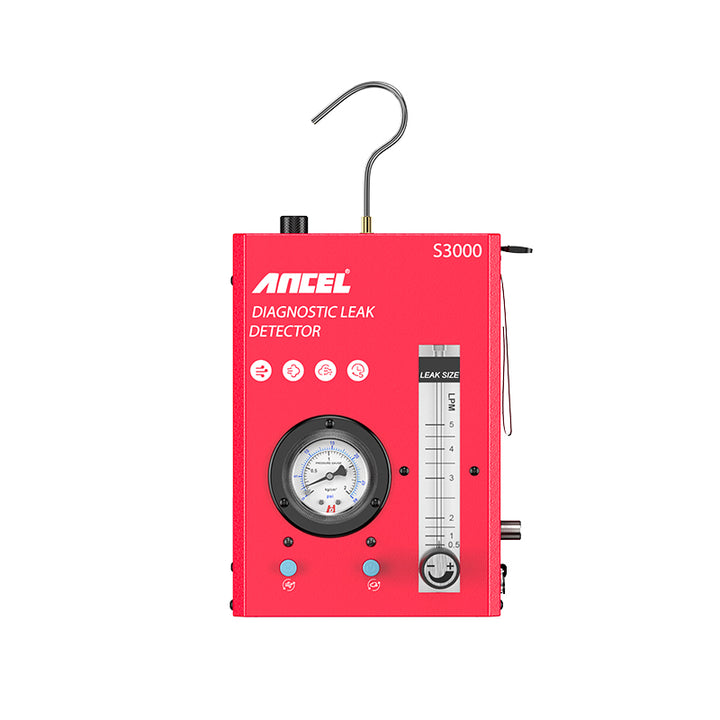
This method uses a special machine that blows smoke into the vacuum system. The smoke escapes through any cracks or holes, making leaks easy to spot.
It’s highly effective, especially when leaks are small or difficult to find by sight alone. Have you ever noticed smoke gently puffing out from a hose? That’s a clear sign of a problem.
Using A Vacuum Gauge
A vacuum gauge measures the pressure within your engine’s vacuum system. If readings fall outside the normal range, a leak is likely present.
This tool helps you understand the severity of the leak and whether it’s affecting engine performance. You can even test different parts of the system individually for more precise diagnosis.
Spray Test
Spraying a small amount of carburetor cleaner or soapy water around hoses and connections can reveal leaks. If the engine speed changes or bubbles form, you’ve found the leak.
This quick and inexpensive test can be done at home with basic supplies. Have you tried this simple trick to catch sneaky leaks in the past?
Credit: www.cgsulitstore.com
Cost Breakdown For Repairs
Understanding the cost to fix a vacuum leak helps plan your budget better. This breakdown covers the main expenses involved in repairs. Knowing these costs aids in deciding whether to attempt a DIY fix or seek professional help.
Diy Fixes
DIY fixes often cost less but require time and basic tools. Common materials include sealants, replacement hoses, or gasket kits. These parts usually cost between $10 and $50. A DIY approach saves labor fees but demands careful work to avoid damage.
Professional Diagnosis Fees
Many shops charge a fee just to find the leak. Diagnosis fees range from $50 to $100. This fee covers the mechanic’s time and tools used for testing. Some shops waive this fee if you proceed with the repair.
Parts Replacement Costs
Parts vary depending on the vehicle and leak location. Common parts include vacuum hoses, gaskets, and valves. These parts typically cost between $20 and $150. Original equipment manufacturer (OEM) parts tend to be pricier.
Labor Charges
Labor costs depend on the leak’s complexity and repair time. Mechanics usually charge $70 to $120 per hour. Simple fixes take about an hour, while complex leaks may require several hours. Labor often makes up the largest part of the repair bill.
Factors Affecting Repair Costs
Repairing a vacuum leak can cost different amounts. Many factors affect the final price. Understanding these helps plan your budget better.
Costs depend on the vehicle, the leak’s size, and where it is. Labor charges at repair shops also play a role. Each factor changes how much you will pay.
Vehicle Make And Model
Some cars are easier to fix. Luxury or rare models need special parts. These parts often cost more. Repairing them takes extra time and skill. This raises the repair price.
Severity Of The Leak
Small leaks are cheaper to fix. Large leaks cause more damage. They need more parts and labor. Severe leaks may require replacing several components. This adds to the overall cost.
Location Of The Leak
Leaks in easy-to-reach places cost less. Hard-to-access leaks take more time to find and fix. Leaks near the engine or deep inside the system are costly. The repair process becomes more complex.
Repair Shop Rates
Repair shops charge different hourly rates. Rates vary by location and shop reputation. High-end shops charge more for quality service. Some shops offer discounts or flat rates. Choosing the right shop affects your total cost.
Tips To Save On Vacuum Leak Repairs
Fixing a vacuum leak can feel costly, but there are smart ways to reduce expenses without sacrificing quality. Small actions you take today can prevent bigger repair bills tomorrow. Let’s look at practical tips that help you save money on vacuum leak repairs while keeping your vehicle in top shape.
Regular Maintenance
Keeping your vehicle well-maintained helps catch vacuum leaks early. Check hoses and connectors regularly for cracks or wear before they cause bigger problems. Simple upkeep like replacing air filters and cleaning engine parts can stop leaks from developing or worsening.
Think about how much you could save by avoiding emergency repairs. Have you checked your vacuum system during your last oil change? Making maintenance part of your routine can save you unexpected repair costs.
Comparing Repair Quotes
Don’t settle for the first repair quote you get. Prices can vary widely between mechanics or shops. Request estimates from multiple sources to find the best deal without compromising quality.
Ask what parts and labor are included in each quote. Sometimes a lower price means cheaper parts or less thorough service, which could cost you more in the long run. Being informed helps you negotiate better and spot hidden fees.
Using Quality Aftermarket Parts
Original parts can be expensive, but quality aftermarket parts often offer a reliable and budget-friendly alternative. These parts meet or exceed factory standards in many cases.
Look for parts with good reviews and warranties. Using aftermarket components can reduce your repair cost significantly while keeping your vehicle’s performance intact. Have you considered this option when replacing vacuum hoses or valves?
Performing Minor Repairs Yourself
Some vacuum leak fixes are simple enough to handle on your own with basic tools. Replacing cracked hoses or tightening loose clamps can often be done without professional help.
There are plenty of online tutorials and videos to guide you through minor repairs step-by-step. Tackling small issues yourself not only saves money but also helps you understand your vehicle better. Are you ready to try a DIY fix next time?

Credit: simonsautomotiveserviceabington.com
Frequently Asked Questions
What Causes A Vacuum Leak?
A vacuum leak occurs when unmetered air enters the engine. This can be due to cracked hoses, worn-out gaskets, or a faulty intake manifold. Identifying the exact cause is crucial to fix the issue effectively and restore your vehicle’s performance.
How Does A Vacuum Leak Affect Performance?
A vacuum leak can lead to poor engine performance. It may cause rough idling, reduced fuel efficiency, or stalling. Addressing the leak promptly ensures optimal engine function and prevents further damage.
How Can I Identify A Vacuum Leak?
Identifying a vacuum leak involves listening for a hissing sound. You can also use a smoke machine to locate the source. Additionally, a professional mechanic can use diagnostic tools to pinpoint the leak accurately.
How Much Does It Cost To Fix A Vacuum Leak?
The cost to fix a vacuum leak varies. It can range from $150 to $500, depending on the vehicle model and the complexity of the issue. Repairs may involve replacing hoses, gaskets, or other components, affecting the overall cost.
Conclusion
Fixing a vacuum leak usually costs between $50 and $200. The price depends on the leak’s size and location. Small leaks cost less, while big or hard-to-find leaks cost more. Timely repairs save money and prevent engine problems. Don’t wait if you notice symptoms like rough idling or poor fuel economy.
A quick fix keeps your car running smoothly and safely. Simple steps can avoid bigger repair bills later. Choose a trusted mechanic for accurate diagnosis and repair. Act soon to protect your vehicle’s health and your wallet.