When you’re dealing with an older air conditioning unit, you might find yourself wondering about the cost of R22 refrigerant per pound. This topic is crucial, especially as temperatures rise and you depend on your AC to keep your home comfortable.
But why does this price seem to fluctuate, and what should you expect to pay? Understanding the ins and outs of R22 pricing can save you from unexpected expenses and help you make informed decisions about maintaining or upgrading your cooling system.
In this blog post, we’ll break down the factors that influence R22 costs and provide you with the insights you need to navigate this essential aspect of home maintenance. Stick with us, and you’ll gain the knowledge needed to manage your refrigerant needs effectively.

Credit: www.reddit.com
R22 Refrigerant Basics
R22 refrigerant is a common chemical used in air conditioning and refrigeration systems. It helps cool the air by absorbing heat. Understanding its basics helps in knowing why its price per pound matters. R22 has been widely used but faces restrictions due to environmental concerns.
Chemical Properties
R22 is also called chlorodifluoromethane. It belongs to the hydrochlorofluorocarbon (HCFC) group. The chemical formula is CHClF2. It is a colorless gas with a faint ether-like smell. R22 is non-flammable and has good heat transfer abilities. It works well under high pressure and temperature. Its ozone depletion potential (ODP) is moderate, which affects its use.
Common Uses
R22 is mainly used in cooling systems. It cools homes, offices, and stores by removing heat from the air. It also helps in refrigerators and freezers. Many commercial and industrial chillers use R22. It was popular before newer, eco-friendly refrigerants arrived. Despite phase-out plans, many systems still rely on R22 today.

Credit: www.reddit.com
Factors Influencing R22 Prices
R22 refrigerant prices depend on several key factors. These factors affect availability and cost for consumers and businesses. Understanding them helps in budgeting and planning for HVAC needs.
Prices can change due to market conditions, regulations, and worldwide trends. Each factor plays a role in shaping the overall price per pound.
Supply And Demand
The supply of R22 has been shrinking due to production limits. Demand remains steady for older air conditioning systems. This gap causes prices to rise.
Seasonal changes also affect demand. Hot weather increases the need for air conditioning, pushing prices up. Limited stock means buyers may pay more during peak times.
Regulatory Impact
Governments worldwide restrict R22 use due to environmental harm. Many countries have phased out or banned new R22 production. These rules reduce supply and increase costs.
Recycling and reclaiming used R22 become more important. This process is costly, adding to the price per pound. Compliance with laws impacts availability and pricing.
Global Market Trends
International trade affects R22 prices too. Import and export policies can raise or lower costs. Currency fluctuations impact purchase prices in different regions.
Alternative refrigerants gaining popularity also influence R22 demand. As newer options grow, R22 usage may decline. This shift can cause price instability.
Price Trends In 2025
The price trends of R22 refrigerant in 2025 show clear shifts in the market. These changes reflect supply limitations and regulatory impacts. Tracking these trends helps buyers and technicians plan their purchases wisely.
Prices have seen steady movements influenced by production cuts and demand patterns. Understanding quarterly changes and how 2025 compares to previous years provides a useful price forecast.
Quarterly Price Changes
In the first quarter, prices held steady with slight increases. The second quarter saw a sharper rise, driven by reduced availability. Summer months maintained high prices due to strong demand for cooling.
By the fourth quarter, prices began stabilizing but remained above early 2025 levels. Seasonal demand and stock levels mainly caused these fluctuations.
- Q1: Stable prices, minor increases
- Q2: Noticeable price jump
- Q3: Peak prices due to high demand
- Q4: Price stabilization, still elevated
Comparison With Previous Years
Compared to 2023 and 2024, 2025 prices are higher overall. Production limits became stricter, cutting supply and pushing prices up. Demand stayed strong as older systems still require R22.
Earlier years had more price stability and lower peaks. The current market reflects the phase-out of R22 and increased costs for alternatives. Buyers face higher costs but fewer options.

Credit: www.reddit.com
Regional Price Variations
R22 refrigerant prices differ widely across regions. These variations depend on supply, demand, and regulations. Understanding regional price trends helps buyers plan budgets better.
Factors like import costs and local policies affect the cost per pound. Some areas have limited availability, pushing prices higher. Others may have more stock, lowering costs.
North America
North America sees moderate to high R22 prices. Strict environmental rules limit production and use. Recycling and reclaiming R22 is common to reduce costs.
Prices can vary by state due to different regulations. Some states phase out R22 faster than others. This affects availability and market price.
Europe
Europe has some of the highest R22 prices worldwide. The European Union enforces strong bans on R22 use. Import restrictions add to the cost.
Many European countries focus on alternatives to R22. This reduces demand but limits supply, keeping prices elevated. Reclaimed R22 is expensive but preferred.
Asia-pacific
Asia-Pacific shows mixed R22 pricing trends. Developing countries may have lower prices due to less strict rules. Export and import costs affect prices greatly.
In urban areas, demand for R22 remains steady. Rural locations may see limited supply and higher prices. Governments gradually restrict R22 use, influencing market shifts.
Alternatives To R22 Refrigerant
R22 refrigerant, once popular, is now being phased out due to its ozone-depleting effects. Finding alternatives is crucial for both environmental safety and system efficiency. Several options exist that offer safer and more cost-effective solutions for cooling needs.
Eco-friendly Options
Many alternatives to R22 are better for the environment. These options reduce greenhouse gas emissions and protect the ozone layer. Common eco-friendly refrigerants include:
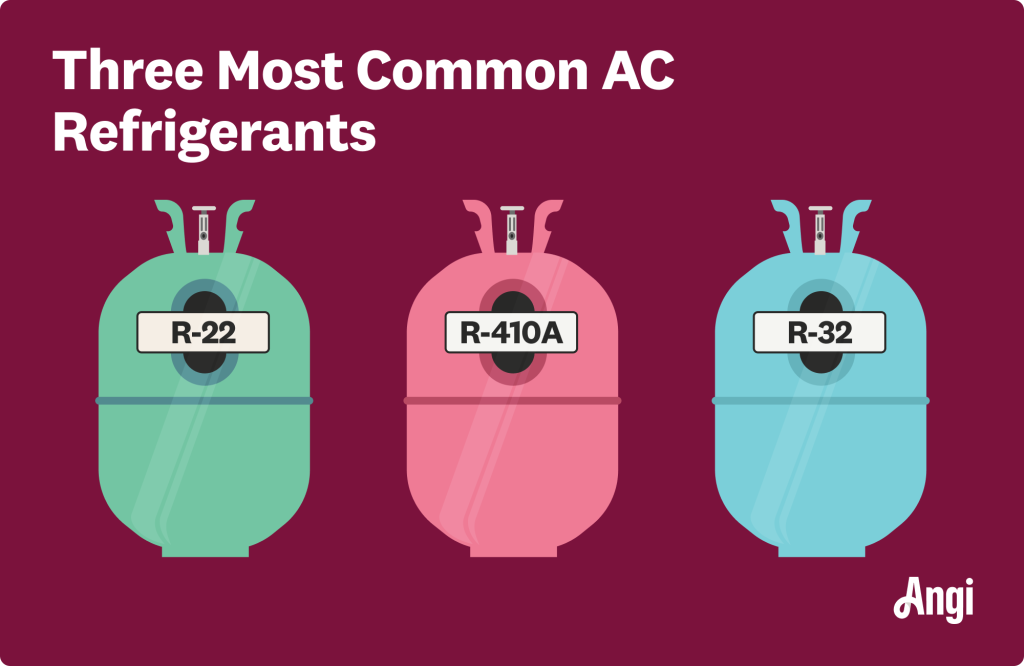
- R410A – widely used in newer air conditioners and heat pumps
- R407C – compatible with some R22 systems and less harmful
- R134a – often used in refrigeration and automotive cooling
- Hydrocarbon refrigerants – natural and low in global warming potential
Choosing these refrigerants helps reduce environmental impact and supports regulations worldwide.
Cost Comparison
Price varies between R22 and its alternatives. R22 costs have risen due to limited production and regulations. Alternatives often have different price points:
| Refrigerant | Approximate Cost Per Pound | Notes |
|---|---|---|
| R22 | $70 – $150 | High cost due to phase-out |
| R410A | $25 – $50 | Common and widely available |
| R407C | $30 – $60 | Moderate cost, used in retrofits |
| R134a | $10 – $30 | Less expensive, used in specific applications |
Switching to alternatives may reduce long-term costs. Consider system compatibility and local regulations before choosing.
Tips For Buying R22 Refrigerant
Buying R22 refrigerant can feel tricky given its rising costs and limited availability. Knowing where to shop and understanding the benefits of buying in bulk can save you money and hassle. Let’s break down some practical tips to help you make smarter choices when purchasing R22 refrigerant.
Where To Purchase
Start by checking with local HVAC supply stores; they often have competitive prices and the advantage of immediate availability. Online retailers offer convenience and sometimes better deals, but watch out for shipping fees and delivery times. Don’t overlook certified distributors, as they ensure product authenticity and proper handling, which protects your equipment.
Have you considered the reputation of the seller? A trusted source reduces the risk of getting counterfeit or contaminated refrigerant, which can cause costly damage. Always ask for certifications or proof of quality before making a purchase.
Bulk Buying Benefits
Buying R22 refrigerant in larger quantities usually lowers the price per pound, which is ideal if you have ongoing maintenance needs. Storing bulk refrigerant can be economical, but only if you have proper storage facilities that comply with safety regulations. Bulk buying also minimizes frequent ordering hassles and shipping costs.
Think about your usage patterns—does your HVAC business or home system require regular refills? If yes, bulk purchasing might be a smarter investment. However, if your needs are occasional, smaller quantities might be more practical to avoid product expiration or storage risks.
Frequently Asked Questions
How Much Does R22 Refrigerant Cost Per Pound?
R22 refrigerant prices vary between $50 and $150 per pound. Costs depend on supply, demand, and regulations. Prices may fluctuate due to phase-out policies and availability.
Why Is R22 Refrigerant Price Increasing?
R22 prices rise due to production phase-out and environmental regulations. Limited supply and higher demand for alternatives increase costs. The refrigerant is being replaced by eco-friendly options.
Can I Still Buy R22 Refrigerant Today?
Yes, R22 is available but restricted. Only certified technicians can purchase it for servicing existing systems. New installations must use alternative refrigerants.
What Affects The Price Of R22 Refrigerant?
Supply limits, environmental laws, and market demand impact R22 prices. Phase-out schedules reduce availability, driving prices higher. Seasonal demand also influences cost fluctuations.
Conclusion
R22 refrigerant prices can vary a lot by location and demand. Knowing the current cost helps you plan your HVAC maintenance better. Always check with local suppliers for the latest price updates. Using the right refrigerant ensures your system works well and lasts longer.
Keep an eye on market changes to avoid surprises. Taking care of your cooling system saves money and energy in the long run. Stay informed and choose wisely.