
Are you feeling the heat and considering a switch to refrigerated air? You’re not alone.
Many homeowners are looking for efficient ways to keep their homes cool without breaking the bank. But how much does refrigerated air actually cost? Understanding the true cost involves more than just the initial price tag. There are installation fees, energy bills, and maintenance costs to think about.
If you’re curious about what you might spend and how it could impact your comfort and budget, you’re in the right place. Dive into this article to discover the ins and outs of refrigerated air costs, so you can make an informed decision that keeps you cool and your wallet happy.
Factors Influencing Refrigerated Air Costs
The cost of refrigerated air depends on several key factors that can affect your budget significantly. Understanding these factors helps you make smarter choices for your cooling needs. Let’s break down what influences the price so you can plan effectively.
Equipment And Installation Expenses
Your upfront cost starts with the equipment you choose. High-quality units with advanced features usually cost more but can save money over time.
Installation charges vary too. Complex setups or older buildings might require extra work, pushing the price higher.
Think about your space and cooling needs carefully. Investing a bit more initially can prevent costly upgrades later.
Energy Consumption And Efficiency
Energy use is a major ongoing cost. More efficient refrigerated air systems consume less power, lowering your utility bills.
Look for units with high SEER (Seasonal Energy Efficiency Ratio) ratings. They may cost more upfront but pay off through savings.
Have you checked how your current system performs? Sometimes a small upgrade in efficiency can drastically cut costs.
Maintenance And Repair Charges
Regular upkeep keeps your system running smoothly and extends its life. Neglecting maintenance can lead to expensive repairs.
Some brands and models are easier and cheaper to service than others. Factor this into your cost calculations.
Would you rather spend a little regularly on maintenance or face a big repair bill down the road?
Geographical And Seasonal Variations
Your location affects both equipment costs and operating expenses. Areas with extreme temperatures may require more robust systems.
Seasonal demand can also impact prices. Cooling needs spike in summer, sometimes raising installation and service costs.
Consider how weather patterns influence your use. This can help you choose the right system and avoid surprises on your bills.
Cost Components Of Refrigerated Air Systems
Understanding the cost components of refrigerated air systems helps you plan your budget effectively. These systems involve several expenses beyond just the initial purchase. Breaking down these costs will give you a clearer picture of what to expect over the system’s lifetime.
Initial Purchase Price
The upfront cost of refrigerated air systems can vary widely based on size, brand, and features. Smaller units designed for personal use might cost a few hundred dollars, while large commercial systems can run into thousands. Think about what capacity you need; overspending on a larger system might not save money in the long run if you don’t fully utilize it.
Operational Energy Costs
Energy consumption is a major part of running refrigerated air. These systems continuously draw power to maintain cool temperatures, so electricity bills can add up quickly. Choosing energy-efficient models or programmable thermostats can reduce these costs significantly. Have you checked how much your current system adds to your monthly energy bill?
Regular Maintenance Fees
Keeping your refrigerated air system in good shape requires routine maintenance. This includes cleaning filters, checking refrigerant levels, and inspecting mechanical parts. Skipping maintenance might save money now but can lead to costly repairs later. Budgeting for annual or bi-annual service visits is a smart move to keep your system efficient and avoid surprises.
Replacement And Upgrade Costs
No system lasts forever. Over time, parts wear out, and technology improves, making upgrades necessary. Replacing components like compressors or fans can be expensive, but sometimes investing in a new system is more cost-effective. Ask yourself if upgrading will save energy or improve performance enough to justify the cost.
Energy Efficiency And Cost Savings
Energy efficiency plays a key role in lowering refrigerated air costs. Using less electricity keeps bills down. It also helps the environment by reducing power use. Choosing energy-efficient products can save money over time. Small changes in cooling technology lead to big savings.
Energy Star Ratings And Benefits
Energy Star labels show which units use less energy. These products meet strict efficiency rules. They use advanced technology to cool air smartly. Benefits include:
- Lower electricity bills
- Less strain on power grids
- Reduced greenhouse gas emissions
- Improved product quality and reliability
Buying Energy Star certified units ensures reliable cost savings.
Choosing High-efficiency Units
High-efficiency units use cutting-edge parts and design. They consume less power to deliver the same cooling. Consider:
- SEER (Seasonal Energy Efficiency Ratio) ratings
- Proper sizing for your space
- Regular maintenance for peak performance
These factors prevent wasted energy and reduce monthly expenses.
Smart Thermostats And Controls
Smart thermostats help control cooling more precisely. They adjust temperature based on your schedule. Features include:
- Remote control via smartphone apps
- Learning your temperature preferences
- Energy usage reports
Smart controls avoid cooling empty rooms and save power.
Long-term Savings Analysis
Energy-efficient units cost more upfront but save money later. Calculate savings by comparing:
| Factor | Standard Unit | High-Efficiency Unit |
|---|---|---|
| Initial Cost | Lower | Higher |
| Monthly Energy Use | Higher | Lower |
| Maintenance | Average | Often Lower |
| Total Cost Over 10 Years | Higher | Lower |
Investing in efficiency pays off through reduced energy bills and fewer repairs.
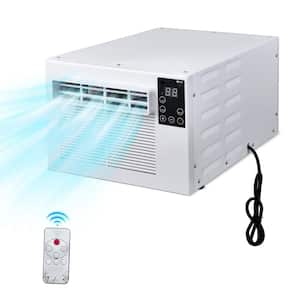
Credit: www.homedepot.com
Comparing Refrigerated Air With Alternatives
Choosing the right cooling system means weighing the costs against what each option delivers. Refrigerated air is popular, but how does it stack up against other methods? Let’s break down the expenses and benefits of refrigerated air compared to traditional air conditioning, evaporative cooling, and portable solutions.
Traditional Air Conditioning Costs
Traditional air conditioning units often come with a higher upfront price. Installation can run from $3,000 to $7,000, depending on the size and complexity of the system.
Energy consumption is another factor. These units typically use more electricity, which can lead to higher monthly bills, especially during hot seasons.
Still, they offer reliable and consistent cooling, which might justify the cost if you live in a very warm climate.
Evaporative Cooling Expenses
Evaporative coolers, also known as swamp coolers, cost less to buy and install—usually between $200 and $1,000. They use water evaporation to cool the air, making them energy-efficient.
However, they work best in dry climates and are less effective in humid areas. You’ll also need to maintain them regularly by cleaning and refilling water.
These units offer a budget-friendly option but come with limitations depending on your location.
Portable Cooling Solutions
Portable air conditioners are convenient and affordable, with prices ranging from $150 to $600. They don’t require installation and can be moved between rooms.
While portable units are great for small spaces or temporary use, they often have lower cooling capacity and can be noisy.
They’re perfect if you want a quick fix without a big investment, but might not be ideal for cooling an entire home.
Cost Vs. Performance Comparison
| Cooling Method | Initial Cost | Running Cost | Effectiveness | Best Use |
|---|---|---|---|---|
| Refrigerated Air | Moderate to High | Moderate | High – Consistent & reliable | Homes in humid or hot climates |
| Traditional AC | High | High | Very high – Powerful cooling | Large spaces, very hot climates |
| Evaporative Cooler | Low to Moderate | Low | Moderate – Best in dry climates | Dry, hot regions |
| Portable AC | Low to Moderate | Moderate | Low to Moderate – Small spaces | Temporary or small room cooling |
Thinking about your own space, which cooling method fits your budget and lifestyle better? Sometimes, spending a bit more upfront can save you money and hassle later.
Tips To Reduce Refrigerated Air Costs
Reducing the cost of refrigerated air doesn’t have to be complicated. Small changes and smart choices can make a big difference in your energy bills and system efficiency. Here are some practical tips you can start applying today to cut down on those expenses.
Regular System Maintenance
Keeping your refrigeration system in top shape is key to avoiding unnecessary costs. Clean filters and coils regularly to improve airflow and cooling efficiency. Neglecting maintenance can cause your system to work harder, driving up electricity use.
Have you ever noticed your fridge running nonstop? That’s often a sign it needs a quick tune-up. Scheduling professional check-ups helps catch minor issues before they become expensive repairs.
Optimizing Usage Patterns
How often do you open your fridge or freezer? Every time the door opens, cold air escapes and the system works harder to cool down again. Try to minimize door openings and keep items organized for quick access.
Adjusting the thermostat to a slightly higher temperature can also save energy without compromising food safety. Think about the times of day when you use refrigeration most and see if you can shift usage to off-peak hours.
Upgrading To Efficient Models
Older refrigeration units can be energy hogs. Investing in newer, energy-efficient models can lower your electricity bills significantly. Look for appliances with the ENERGY STAR label—they use less power and often come with better warranties.
Consider the size you really need. Oversized units consume more energy, so match your system to your actual requirements. Have you checked how much energy your current fridge or cooler uses?
Insulation And Sealing Improvements
Good insulation keeps cold air in and warm air out. Inspect your refrigeration unit’s seals and gaskets for cracks or gaps and replace them if necessary. Even small leaks can cause your system to run longer and cost more.
Improving the insulation around your refrigerated space can also reduce the workload. Adding weatherstripping or insulating panels helps maintain steady temperatures. When was the last time you tested your fridge’s door seal?

Credit: atlasacrepair.com
Estimating Your Total Refrigerated Air Costs
Estimating the total cost of refrigerated air goes beyond just looking at your electricity bill. It involves understanding several factors that impact your expenses over time. Knowing how to calculate these costs can help you manage your budget better and avoid surprises.
Calculating Monthly Energy Bills
Your energy bill is the most visible part of refrigerated air costs. To estimate it, check the power rating of your refrigeration unit (usually in watts or kilowatts) and multiply it by the hours you use it each day.
Then, multiply that by your electricity rate, which you can find on your utility bill. For example, if your unit uses 1.5 kW and runs 10 hours daily at $0.12 per kWh, your monthly cost is about $54.
Keep in mind, seasonal changes and usage patterns can affect this number, so track your consumption regularly to stay accurate.
Budgeting For Maintenance
Maintenance keeps your refrigerated air system running efficiently and prevents costly breakdowns. Budget for regular tasks like cleaning coils, checking refrigerant levels, and inspecting electrical components.
On average, maintenance can cost between $100 to $300 annually, depending on system size and complexity. Neglecting maintenance might save money short-term but will likely increase energy use and repair costs.
Ask yourself: how much is peace of mind worth when it comes to your system’s health?
Planning For Equipment Replacement
Refrigerated air units don’t last forever. Most systems last 10 to 15 years before efficiency drops or repairs become too frequent. Planning ahead for replacement helps you avoid sudden large expenses.
Set aside a small monthly amount based on your unit’s cost and expected lifespan. For example, a $3,000 system with a 12-year lifespan means saving around $250 per year or about $21 monthly.
Considering this now saves you from scrambling to find funds when the time comes.
Customizing Costs Based On Usage
Your refrigerated air costs depend heavily on how you use the system. A small wine cellar will consume far less energy than a commercial walk-in cooler.
Adjust your calculations by monitoring actual usage patterns and adjusting run times. You can also invest in smart thermostats or timers to reduce unnecessary operation.
How often do you really need your refrigeration running at full capacity? Tailoring your usage can make a big difference in your monthly bills.

Credit: homeguide.com
Frequently Asked Questions
What Factors Affect The Cost Of Refrigerated Air?
The cost depends on system size, energy efficiency, and installation complexity. Climate and usage frequency also impact expenses. Choosing energy-efficient models reduces long-term costs.
How Much Does Refrigerated Air Installation Typically Cost?
Installation costs range from $3,000 to $7,000. Prices vary by unit size and labor rates. Additional ductwork or electrical upgrades may increase costs.
Is Refrigerated Air More Expensive To Run Than Fans?
Yes, refrigerated air uses more electricity than fans. However, it cools spaces effectively and maintains consistent temperatures. Efficient units minimize energy consumption and costs.
Can Refrigerated Air Reduce Energy Bills?
Properly maintained refrigerated air can lower energy costs. Using programmable thermostats and sealing leaks boosts efficiency. Regular filter changes also improve performance and savings.
Conclusion
Refrigerated air costs depend on size, brand, and features. Small units are cheaper but cool less space. Bigger models cost more but work better for large rooms. Energy use also affects the price over time. Choose a unit that fits your budget and needs.
Proper care keeps it running longer and saves money. Understanding these factors helps you pick the right refrigerated air system. Stay cool without overspending. Simple steps lead to smart buying.