
Worried about termites damaging your home? You’re probably wondering, “How much is tenting a house for termites?” It’s a big question because termite treatment can feel overwhelming—and expensive.
But knowing the true cost upfront helps you plan better and protect your investment. You’ll discover what affects the price, what to expect during the process, and how to get the best value for your money. Keep reading to take control of your termite problem without surprises.
Tenting Process Explained
Tenting a house for termites is a common way to remove these pests. The process uses gas to kill termites inside walls and wood. It is important to understand how tent fumigation works.
This guide explains what tent fumigation is, when it is needed, and the steps involved. Knowing these details helps homeowners prepare for the treatment.
What Is Tent Fumigation
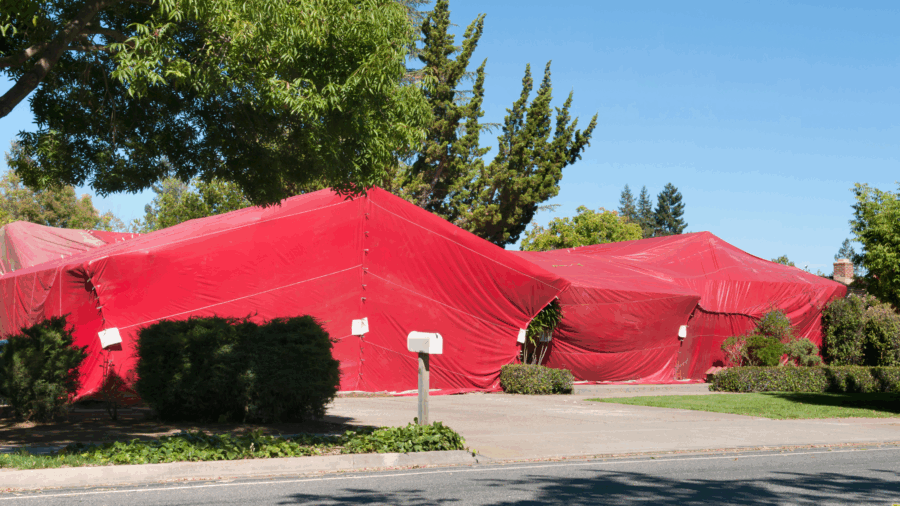
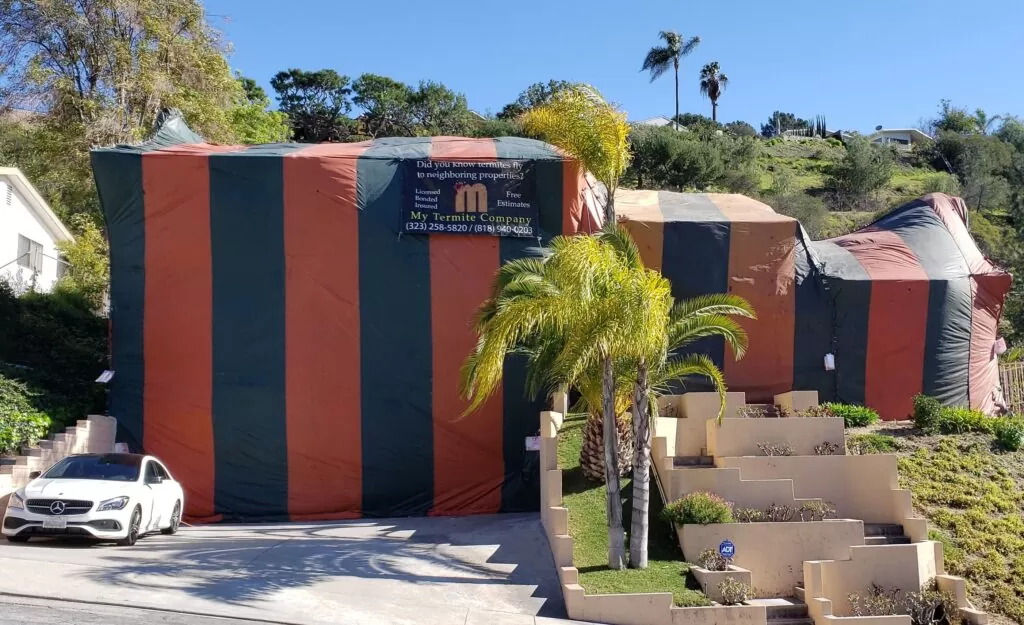
Tent fumigation is a pest control method that covers the whole house with a large tent. Professionals release a gas inside the tent. This gas kills termites hiding deep in wood and walls.
The gas spreads through the house and reaches places sprays cannot. The tent keeps the gas inside, making the treatment effective and safe.
When Is Tenting Necessary
Tenting is necessary when termite damage is severe or widespread. It is used when other treatments cannot reach the termites. It also works well for large infestations.
- Visible termite damage in many areas
- Termites inside walls and hard-to-reach wood
- Failed previous termite treatments
- Infestations affecting the whole house
Step-by-step Procedure
The tenting process follows several steps. Each step makes sure the fumigation is safe and effective.
- Homeowners remove food, plants, and pets from the house.
- Professionals cover the entire house with a large, heavy-duty tent.
- The fumigant gas is released inside the tent to fill the house.
- The gas stays inside for a set time to kill all termites.
- After treatment, the gas is ventilated out and the tent is removed.
- Technicians test the air to ensure it is safe to enter.
- Homeowners can return once the house is clear of gas.
| Step | Description |
| Preparation | Remove food, pets, and plants from the home. |
| Tenting | Cover house with large tent to seal it. |
| Fumigation | Release gas to kill termites inside. |
| Exposure | Keep gas inside for required hours. |
| Ventilation | Clear gas from house before entry. |
| Inspection | Check air for safety after treatment. |
Credit: www.agpest.com
Cost Factors
Tenting a house for termites is a common pest control method. The cost varies based on several factors. Understanding these can help you plan your budget better.
Each home’s situation is unique. Costs depend on size, location, and the level of termite infestation.
Home Size Impact
Larger homes need more materials and time for tenting. This raises the price. Smaller homes cost less to treat.
More square footage means more labor and chemicals. This directly increases the total cost.
- Small homes (under 1,000 sq ft): Lower cost
- Medium homes (1,000 to 2,500 sq ft): Moderate cost
- Large homes (over 2,500 sq ft): Higher cost
Location Variations
Prices vary depending on where you live. Some areas have higher pest control rates. Urban places tend to cost more than rural ones.
Local regulations and labor costs affect pricing. Some states require special permits, adding to expenses.
- High-cost cities may charge more
- Rural areas often have lower prices
- Regions with termite problems might have competitive rates
Infestation Severity
Heavier termite infestations need stronger treatments. This means longer tenting time and higher chemical use.
Severe cases might require multiple treatments. Mild infestations usually cost less to handle.
- Light infestation: Basic tenting
- Moderate infestation: Extended treatment
- Heavy infestation: Multiple treatments and repairs
Additional Services
Extra services add to the overall cost. These may include repairs or follow-up inspections. Some companies offer warranties that increase price.
Cleaning and preparation before tenting can also affect cost. These tasks take extra time and resources.
- Structural repairs after treatment
- Follow-up inspections and maintenance
- Warranties or service guarantees
- Cleaning and preparation services
Typical Price Range
Tenting a house for termites is an effective way to eliminate these pests. It involves enclosing your home with a tent and using gas to kill termites. This method is used when infestations are severe.
The cost of tenting a house varies. It depends on factors like the size of your home and the extent of the infestation. Below, we explore average national costs and estimates.
Average National Costs
On average, the national cost for tenting a house for termites ranges from $1,200 to $2,500. These figures are based on typical home sizes and moderate infestations.
| Home Size | Average Cost |
| 1,000 sq ft | $1,200 |
| 2,000 sq ft | $1,800 |
| 3,000 sq ft | $2,500 |
High And Low-end Estimates
Costs can vary significantly. High-end estimates may reach up to $4,000 for larger homes or severe infestations. Conversely, low-end costs might be as low as $800 for smaller homes with minor infestations.
- High-end estimate: Up to $4,000
- Low-end estimate: As low as $800
Preparation Tips
Tenting a house for termites requires careful preparation. Proper steps help ensure safety and effectiveness.
Follow these tips to get your home ready for the fumigation process. Each stage needs attention to avoid damage and delays.
Clearing The Home
Remove all items that can be taken out easily. This makes the fumigation process smoother and protects your belongings.
- Take out all food and plants from the house.
- Remove pet food and water dishes.
- Clear closets and cabinets of clothes and personal items.
- Move outdoor furniture away from the house.
- Empty drawers and shelves to allow gas circulation.
Protecting Belongings
Some items need special care to avoid damage during fumigation. Cover or remove sensitive items before the process.
| Item | Protection Needed |
| Electronics | Remove or seal in airtight bags |
| Firearms and Ammunition | Remove completely from the home |
| Paints and Chemicals | Remove or tightly seal containers |
| Plants | Remove from the house |
| Food and Medicines | Remove or store in sealed containers |
Scheduling Considerations
Plan the fumigation date carefully. It affects your daily routine and the safety of everyone involved.
- Choose a time when all family members can be away for 2-3 days.
- Inform neighbors about the fumigation schedule.
- Arrange for pets to stay elsewhere during the process.
- Prepare for the house to be sealed and off-limits until cleared.
Post-treatment Care
After tenting a house for termites, proper care is crucial. It helps keep your home safe and termite-free.
Knowing what to do after treatment ensures lasting protection. Follow the guidelines to avoid problems.
Re-entry Guidelines
Do not enter your home until the pest control company says it is safe. Usually, this takes a few hours to a day after treatment.
- Keep windows and doors closed during the waiting time.
- Avoid touching surfaces that may still have chemicals.
- Air out the home well before living in it again.
- Follow all instructions given by the treatment professionals.
Follow-up Inspections
Schedule inspections to make sure termites do not return. These checks help catch new activity early.
| Inspection Time | Purpose |
| 1 Month Post-Treatment | Check for any signs of live termites |
| 6 Months Post-Treatment | Assess damage and treatment effectiveness |
| 12 Months Post-Treatment | Ensure no new infestation |
Preventive Measures
Take steps to avoid termite problems in the future. These actions reduce the risk of re-infestation.
- Keep wood and mulch away from the house foundation.
- Fix leaks to reduce moisture near the home.
- Seal cracks and holes in the walls and foundation.
- Have regular termite inspections every year.
- Remove dead trees or wood piles near the house.
Credit: mytermitecompany.com
Alternatives To Tenting
Tenting a house for termites can be costly and disruptive. Some homeowners seek other ways to control termites.
Several effective alternatives target termites without full house tenting. These methods vary in approach and cost.
Spot Treatments
Spot treatments target specific areas where termites are active. They use liquid termiticides or foam to kill termites in localized zones.
These treatments are less invasive and cost less than tenting. They work best for small infestations or early termite detection.
Baiting Systems
Baiting systems use poisoned bait to attract termites. Termites carry the bait back to their colony, killing many members over time.
- Installed around the house perimeter
- Require regular monitoring
- Safe for people and pets
- Slower results compared to chemical sprays
Heat Treatments
Heat treatments raise the temperature inside the home to a level that kills termites. The process takes several hours and avoids chemicals.
| Feature | Details |
| Temperature | Typically 120°F to 140°F |
| Duration | 4 to 8 hours |
| Chemicals Used | None |
| Effectiveness | Kills termites in wood and walls |
Choosing A Pest Control Service
Tenting a house for termites is a big job. You must pick the right pest control service. This choice can save your home and money.
Check details about the company before you hire them. Look for licenses, reviews, and guarantees.
Licensing And Certification
Make sure the pest control company has the proper licenses. Certified experts follow safety rules. This protects your home and family.
You can ask the company to show their certificates. Some states require specific licenses for termite tenting.
Customer Reviews
Look at customer feedback to learn about the company’s work. Real reviews tell you if the service is reliable and effective.
- Check reviews on trusted websites
- Ask friends or family for recommendations
- Read both good and bad comments
- Watch for repeated issues in reviews
Warranty And Guarantees
A warranty shows the company stands behind its work. Guarantees protect you if termites come back after treatment.
| Type | What It Means | Why It Matters |
|---|---|---|
| Service Warranty | Company fixes problems if termites return | Ensures long-term protection |
| Money-Back Guarantee | Refund if service is unsatisfactory | Reduces risk for you |
| Follow-Up Visits | Extra checks after treatment | Improves termite control success |

Credit: www.proventermitesolutions.com
Frequently Asked Questions
How Much Does Tenting A House For Termites Cost?
Tenting a house for termites typically costs between $1,000 and $3,000. The price depends on the house size, location, and severity of infestation. Additional fees may apply for preparation and follow-up treatments.
What Factors Affect Termite Tenting Prices?
Costs vary due to house size, infestation extent, and regional pricing. Preparation work and the choice of fumigant also impact the overall cost. Seasonal demand can influence pricing as well.
How Long Does Termite Tenting Take?
Termite tenting usually takes 2 to 3 days. This includes preparation, fumigation, and aeration. Homeowners must vacate during the process for safety reasons.
Is Termite Tenting The Most Effective Treatment?
Yes, tenting is highly effective for severe termite infestations. It penetrates wood and kills termites throughout the structure. However, mild infestations may require less intensive treatments.
Conclusion
Tenting a house for termites costs vary by size and location. It protects your home from serious damage. Choosing a trusted pest control service saves time and stress. Regular inspections help catch termites early and prevent big problems. Investing in tenting keeps your home safe and strong.
Don’t wait until the damage grows. Act now to protect your investment.