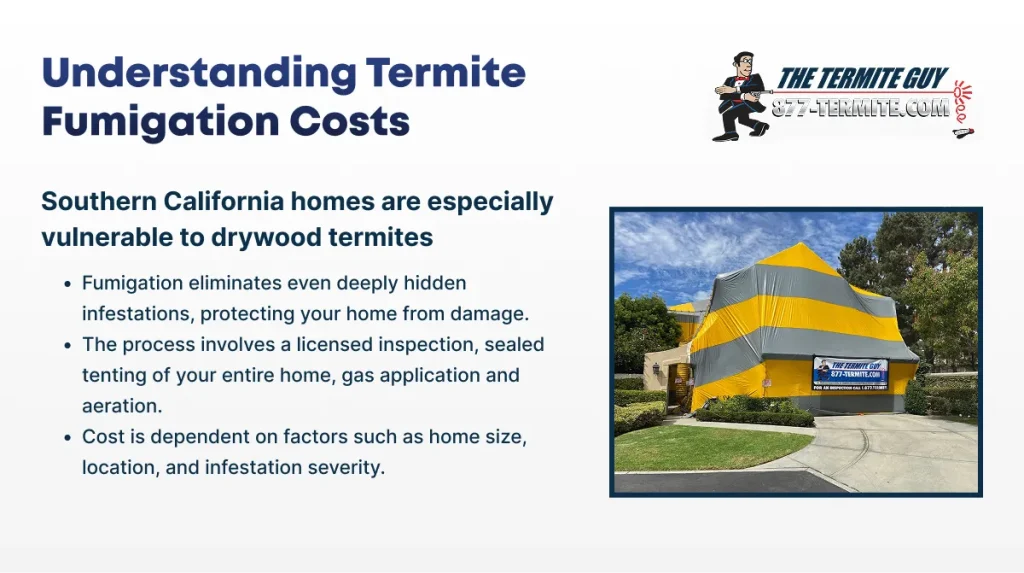
Are you worried about termites damaging your home? If so, you’ve probably heard about tenting your house as a way to get rid of them.
But how much does tenting a house for termites actually cost? Understanding the price can help you plan and avoid surprises. You’ll discover the real costs involved, what affects the price, and why tenting might be the best choice to protect your biggest investment—your home.
Keep reading to get the facts you need to make the right decision for your family and your property.
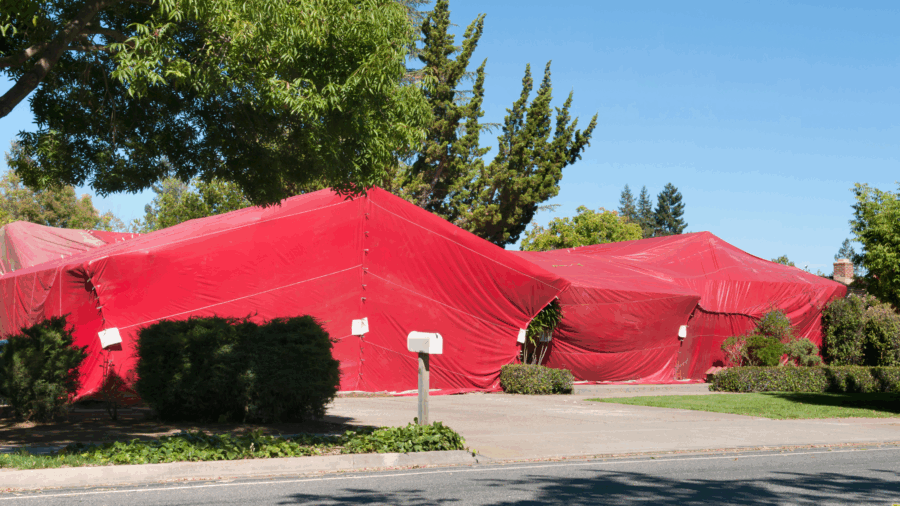
Credit: www.agpest.com
Factors Affecting Tenting Cost
Tenting a house for termites is a common way to eliminate infestations. The cost can vary based on several factors. Understanding these factors helps you estimate the price better.
Knowing what affects the cost can help you plan and prepare for the treatment. Let’s look at the main factors that influence tenting prices.
House Size And Layout
The size of your house is a big factor in the cost. Larger homes need more materials and time for tenting.
The layout also matters. Complex floor plans or multiple stories take longer to treat. This adds to the total cost.
- Bigger homes cost more to tent
- Multi-story houses require extra work
- Open floor plans are easier and cheaper to treat
Extent Of Infestation
The level of termite infestation affects the cost. More severe infestations need stronger treatments and longer tenting.
If termites have spread widely, the process becomes more complex. This can increase labor and material costs.
- Light infestations cost less to treat
- Heavy infestations need more chemicals and time
- Extensive damage may require repairs after tenting
Location And Accessibility
Your home’s location affects the cost. Some areas have higher service fees or travel costs.
Accessibility also matters. Hard-to-reach homes may need extra equipment or labor, raising the price.
- Remote locations may have higher charges
- Urban areas might offer competitive pricing
- Difficult access can increase labor time and cost
Seasonal Price Variations
Prices can change depending on the season. Pest control companies are busier in some months, affecting rates.
Off-season times may offer lower prices. Scheduling during these periods can save money.
- Higher prices in spring and summer
- Lower prices in fall and winter
- Booking early can help avoid peak season costs
Typical Price Range For Tenting
Tenting a house for termites is a common pest control method. It involves covering your home with a large tent and applying chemicals to kill termites.
The cost can vary widely based on several factors. Understanding the typical price range helps you plan your budget better.
Average Costs By Region
Prices for tenting vary depending on where you live. Some areas have higher costs due to demand or local regulations.
- West Coast: $1,200 to $3,000
- East Coast: $1,000 to $2,500
- Midwest: $900 to $2,000
- South: $800 to $2,200
Cost Breakdown By Service Components
The total cost includes several parts. Each service component adds to the final price.
- Inspection and Assessment: $100 to $200
- Tent Setup and Removal: $300 to $800
- Fumigation Chemicals: $400 to $1,200
- Labor Charges: $300 to $700
Additional Fees To Expect
Extra fees may apply depending on your home’s size and condition. These costs can increase the total price.
- Structural Repairs before Treatment
- Removal of Plants or Outdoor Items
- Permit or Inspection Fees
- Re-treatment if Termites Return
Comparing Tenting With Other Treatments
Tenting a house for termites is one way to get rid of them. It uses fumigants to kill termites inside the wood. Other treatments also work but in different ways.
This article compares tenting with chemical barriers, baiting systems, and heat treatments. It helps you understand how each option works.
Chemical Barriers
Chemical barriers stop termites from entering a house. Pest control workers apply chemicals in the soil around the home.
This method does not kill all termites inside. It prevents new ones from coming in. Chemical barriers last for several years but need reapplication.
- Protects house perimeter
- Needs soil treatment
- Works over long time
- Does not kill termites inside wood
Baiting Systems
Baiting systems use small stations with poison. Termites find the bait and carry it back to the colony.
This method slowly kills termites and reduces their numbers. It takes time and regular monitoring. Baiting is less disruptive than tenting.
- Uses poisoned bait stations
- Kills termites gradually
- Needs ongoing checks
- Less impact on home
Heat Treatments
Heat treatments raise the temperature inside a house. This kills termites by cooking them.
The process takes several hours and no chemicals are used. Heat treats only the home and does not protect against future infestations.
- Kills termites with heat
- No chemicals needed
- Takes a few hours
- No long-term protection

Credit: www.proventermitesolutions.com
Preparing Your Home For Tenting
Tenting your house for termites needs careful preparation. This helps the treatment work well and keeps your family safe.
Before the tent goes up, you must clear certain items and follow safety steps. Below are key points to prepare your home.
Removing Food And Plants
All food and plants inside and near your home must be removed. Chemicals used during tenting can contaminate food and harm plants.
- Clear countertops, cupboards, and pantries of food
- Remove potted plants from inside the house
- Move outdoor plants away from windows and doors
- Seal any food items that cannot be removed in airtight containers
Securing Pets And Belongings
Pets cannot stay inside during tenting. Move them to a safe place before the process starts. Also, protect your belongings from damage.
| Item | Action Required |
| Pets | Relocate to a safe area outside the home |
| Fish tanks | Remove or cover securely |
| Clothing and fabric | Seal in plastic bags |
| Electronics | Cover or unplug to avoid damage |
Post-treatment Ventilation
After tenting, your home needs good air flow. Ventilation helps clear out chemical fumes before you return.
- Open all windows and doors as soon as the tent is removed
- Use fans to increase air movement inside the home
- Keep ventilation going for several hours to ensure safety
- Check with the pest control company about exact timing before re-entering
Cost-saving Tips
Tenting a house for termites can be expensive. You can save money by planning smartly. This guide shares tips to lower your costs while keeping your home safe.
Small choices make a big difference. Learn how to pick the right company, schedule treatments, and bundle services for better deals.
Choosing The Right Pest Control Company
Not all companies charge the same for tenting. Look for licensed and experienced companies with fair prices. Read reviews and ask for quotes before you decide.
- Compare at least three company quotes
- Check for licenses and insurance
- Ask about guarantees and follow-up services
- Look for local companies with good reputations
Scheduling Off-peak Treatments
Termite tenting costs vary by season. Scheduling your treatment during off-peak months can reduce your bill. Companies often offer discounts when demand is low.
| Season | Demand Level | Cost Impact |
| Spring | High | Higher prices |
| Summer | Medium | Moderate prices |
| Fall | Low | Lower prices |
| Winter | Low | Lower prices |
Bundling Services
Many pest control companies offer discounts if you combine termite tenting with other services. Bundling helps you save on both treatment and future pest control needs.
- Combine termite tenting with regular pest control
- Ask about yearly service plans
- Look for package deals on inspections and treatments
Potential Risks And Considerations
Tenting a house for termites is an effective way to remove pests. It uses chemicals to kill termites inside the home. This method requires careful planning and safety measures.
Before tenting, homeowners should understand health risks, warranty details, and environmental effects. These factors help make informed decisions.
Health And Safety Precautions
Tenting uses strong chemicals that can harm people and pets. It is important to follow safety rules strictly. Everyone must leave the house during treatment.
- Remove food and water from the house
- Cover or remove fish tanks and plants
- Keep children and pets away for at least 24 hours
- Ventilate the house well before re-entry
- Inform neighbors about the treatment
Warranty And Guarantees
Most termite tenting services offer a warranty. This warranty covers return treatments if termites come back. Read the terms to know what is included.
| Warranty Type | Coverage Period | Details |
| Limited Warranty | 1 Year | Free retreatment only |
| Extended Warranty | 5 Years | Retreatment and damage repair |
| Transferable Warranty | Varies | Can be transferred if house is sold |
Environmental Impact
Tenting can release chemicals into the air and soil. These chemicals may affect nearby plants and animals. Choose pest control that uses safer options.
Ways to reduce environmental harm:
- Use low-toxicity chemicals
- Apply treatments only where needed
- Follow local rules on chemical use
- Dispose of leftover chemicals properly
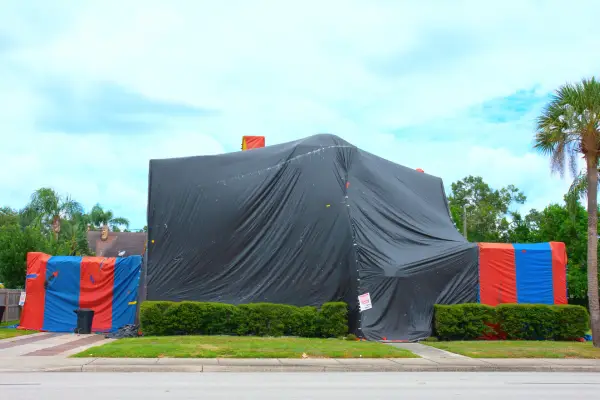
Credit: gorocketpest.com
Frequently Asked Questions
How Much Does Tenting A House For Termites Cost?
Tenting a house for termites typically costs between $1,000 and $2,500. The price varies by house size, location, and treatment extent. Additional fees may apply for repairs or follow-up services. Always get multiple quotes for the best price.
What Factors Influence Termite Tenting Prices?
Prices depend on house size, infestation severity, and treatment type. Geographic location also affects cost due to local regulations and labor rates. Larger or heavily infested homes require more materials and time, increasing the overall price.
Is Termite Tenting Covered By Homeowners Insurance?
Most standard homeowners insurance policies do not cover termite tenting costs. Termite damage is often excluded as it’s considered preventable maintenance. Check your specific policy details or consult your insurer for coverage options.
How Long Does Termite Tenting Treatment Take?
Tenting and fumigation usually take 2 to 3 days. The house must be vacated during treatment and ventilated afterward. Time varies with home size and infestation severity to ensure complete termite elimination.
Conclusion
Tenting a house for termites costs vary by location and size. Consider these factors when planning your budget. Research local pest control services. Get multiple quotes for the best deal. Remember, effective pest control protects your home. A termite-free home is worth the investment.
Regular checks help prevent future infestations. Stay informed about termite treatments. Make informed decisions to safeguard your property. Keep your home safe and secure from termites. Protect your investment with timely action. Termite tenting is a crucial step in home maintenance.
Don’t delay, act wisely. Your home deserves the best care possible.