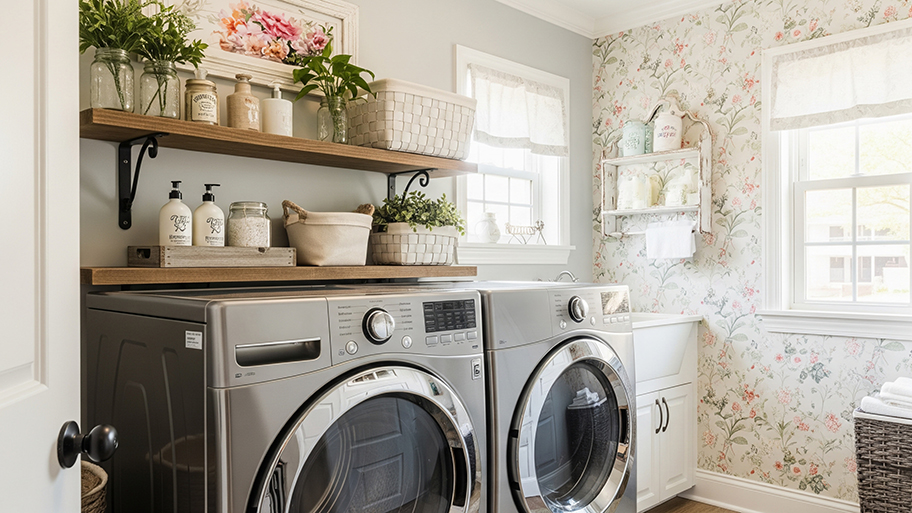
Are you wondering, “How much is washer dryer installation?” You’re not alone.
Installing a washer and dryer might seem simple, but costs can vary more than you expect. Knowing what affects the price can save you time and money. You’ll discover the real factors behind installation costs and how to avoid surprises.
Keep reading to make the smartest choice for your home and budget.
Factors Affecting Installation Cost
The cost to install a washer dryer varies based on several factors. These factors change the price and time needed.
Understanding these factors helps you plan your budget better for installation work.
Type Of Washer Dryer
The kind of washer dryer affects installation cost. Different models need different setups.
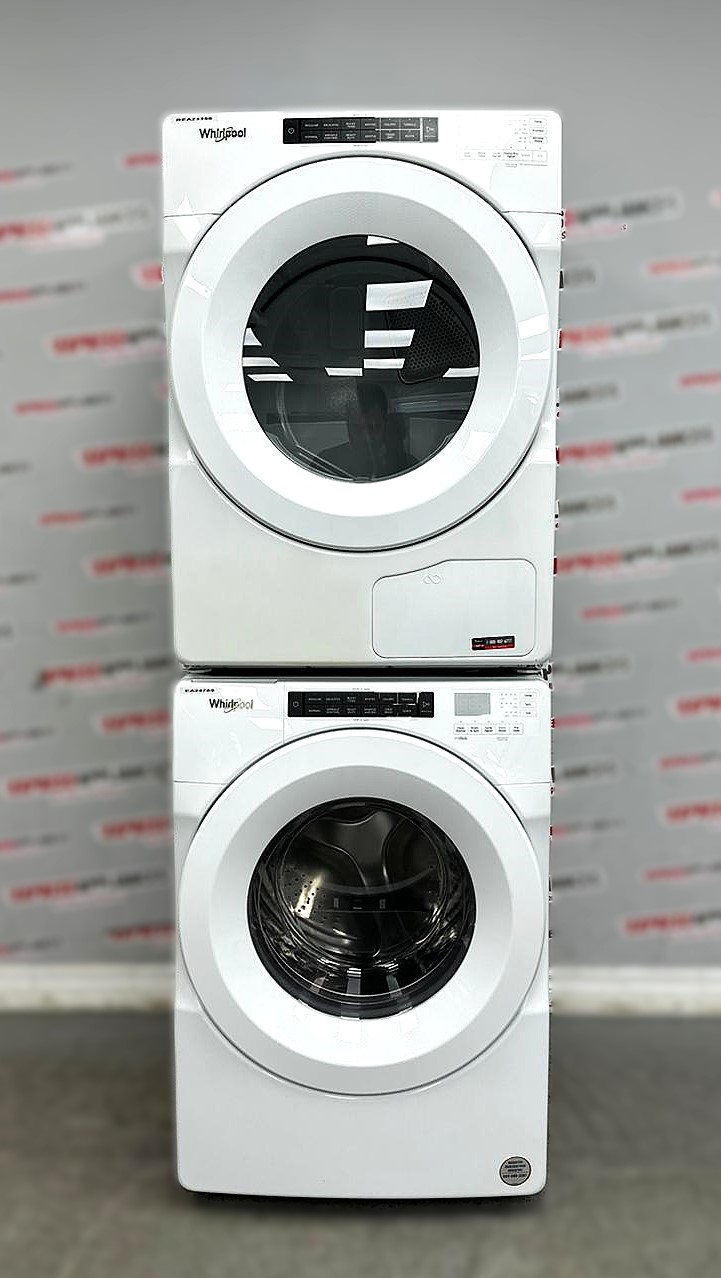
Stacked units or combo machines may cost more to install than separate washer and dryer units.
- Front-load washers often need special hookups
- Stacked units may require extra labor for safe assembly
- Combo washer-dryers need specific venting and plumbing
Location And Accessibility
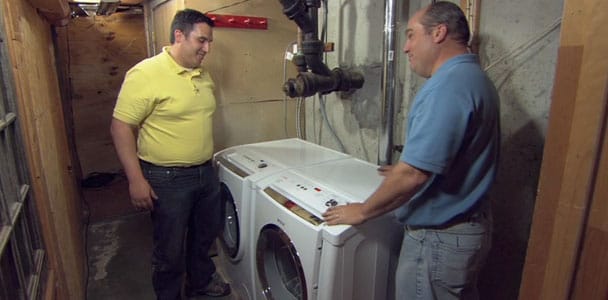
Where you place the washer dryer impacts installation costs. Hard-to-reach spots take more time.
Installing in a basement, attic, or far from plumbing adds to labor expenses.
- Easy access lowers installation time and cost
- Narrow doorways may need extra handling care
- Upper floors might require additional equipment
Plumbing And Electrical Requirements
New plumbing or electrical work can increase installation costs. Not all homes are ready for washer dryers.
Adding water lines, drains, or special power outlets takes more work and materials.
- Standard water hookups cost less to install
- Upgrading electrical outlets to handle dryer power adds cost
- Installing new drains or vents raises price
Additional Services Needed
Extra services can raise the total cost. These include moving old appliances or removing packaging.
Some installations need custom cabinetry work or floor reinforcement, which adds to labor fees.
- Old appliance removal and disposal
- Custom fitting or cabinet adjustments
- Floor leveling or reinforcement
Credit: www.thisoldhouse.com
Typical Installation Cost Range
Installing a washer and dryer involves different costs depending on the setup. Understanding these costs helps you plan your budget well.
Costs vary by the complexity of installation and location. Below are common price ranges and factors that affect the total cost.
Basic Installation Pricing
Basic installation includes connecting your washer and dryer to existing water, electrical, and vent lines. This is the simplest setup and usually the cheapest.
- Washer hookup to water and drain lines
- Dryer hookup to electrical outlet or gas line
- Vent installation for dryers
- Testing equipment for proper function
Typical costs for basic installation range between $100 and $300. This depends on labor rates and any small adjustments needed.
Complex Installation Scenarios
Some installations require extra work. These complex cases cost more due to additional materials and labor.
| Scenario | Additional Cost Range |
|---|---|
| Adding new water lines or drains | $200 – $500 |
| Upgrading electrical panel or wiring | $300 – $700 |
| Installing long dryer vents | $150 – $400 |
| Gas line installation for dryers | $250 – $600 |
These prices add to the basic installation cost. You might need a plumber or electrician for some tasks.
Regional Price Variations
Installation costs differ by region. Labor rates and material prices vary across the country.
- Urban areas often have higher labor costs.
- Rural areas may charge more for travel time.
- Local permits can add to the total cost.
- Seasonal demand may affect pricing.
Check local service providers to get accurate price quotes for your area.
Cost Breakdown Details
Installing a washer dryer involves several costs. Knowing these costs helps you plan your budget well.
This guide explains the main parts of the cost for washer dryer installation.
Labor Charges
Labor charges cover the work done by a professional to install your washer dryer. This includes connecting water and power lines.
Labor costs depend on the job’s difficulty and location. They can also change based on the technician’s experience.
- Average labor cost ranges from $100 to $300
- Extra charges if plumbing or electrical work is needed
- Some companies charge a flat fee; others charge hourly
Material And Parts
Materials include hoses, connectors, and adapters needed for the installation. Parts also cover any new fittings or electrical components.
The cost of materials depends on the quality and type of parts used. Basic materials cost less, while high-end parts cost more.
- Hoses usually cost $20 to $50
- Adapters and connectors range from $10 to $40
- Electrical parts may add $30 to $100 or more
Permit And Inspection Fees
Some areas require permits for appliance installation. These permits ensure the work meets local safety rules.
Inspection fees cover the cost of a professional checking the installation. This step is important for safety and code compliance.
- Permit fees can range from $50 to $200
- Inspection fees vary but often cost around $50 to $100
- Not all areas require permits or inspections
Credit: expressappliances.ca
Diy Vs Professional Installation
Installing a washer dryer can save money if you do it yourself. But it takes time and some skill. Hiring a professional costs more but may be safer and faster.
Let’s look at the pros and cons of doing it yourself. Then we will see when you should call a pro. We will also cover important safety tips.
Pros And Cons Of Diy
- Pros:Save money on labor costs
- Pros:Learn new skills for future projects
- Pros:Work on your own schedule
- Cons:Risk of incorrect hookups
- Cons:Time-consuming if you lack experience
- Cons:Possible damage to the appliance or home
When To Hire A Pro
Call a professional if you face any of these situations:
- If you are unsure about plumbing or electrical work
- If your home needs new connections or upgrades
- If you want a quick and guaranteed installation
- If local codes require licensed installers
- If you want to avoid risking damage or injury
Safety Considerations
| Safety Point | Explanation |
| Electrical Connection | Make sure power is off before wiring |
| Water Hookup | Use proper hoses to avoid leaks and floods |
| Ventilation | Dryers need clear vents to prevent fire risk |
| Weight Handling | Washers and dryers are heavy; lift with care |
| Local Codes | Follow laws for plumbing and electrical work |
Money-saving Tips
Installing a washer dryer can be costly. Smart planning helps save money on installation.
These tips focus on cutting costs without lowering quality or safety.
Bundle Services
Combining multiple home appliance installations in one visit reduces labor costs.
- Schedule washer and dryer installation together
- Add related tasks like plumbing or electrical work
- Ask providers about package deals
Schedule Off-peak Installations
Book installation during less busy hours or days to get lower rates.
- Choose midweek days rather than weekends
- Pick morning or early afternoon slots
- Call providers to ask about off-peak discounts
Compare Quotes
Get prices from several installers before deciding. Prices vary widely.
| Service Provider | Installation Cost | Additional Fees |
| ABC Installers | $120 | $20 |
| QuickFix Services | $100 | $30 |
| HomePro Experts | $110 | $25 |
Check For Warranty Or Promotions
Look for deals that include free installation or warranty coverage to save money.
Ask these questions when booking:
- Does the installation come with a warranty?
- Are there seasonal promotions or coupons?
- Can installation fees be waived with product purchase?

Credit: www.frigidaire.ca
Common Installation Challenges
Installing a washer dryer is not always easy. There are challenges you might face. Knowing these can help you plan better.
Let’s explore some common issues. These include plumbing, electricity, and space. Understanding them can save you time and money.
Unfamiliar Plumbing Layouts
Some homes have tricky plumbing. This can make installation hard. Pipes may not be where you expect them.
- Check the type of pipes in your home.
- See if you need extra fittings.
- Hire a plumber if unsure.
Electrical Upgrades Needed
A washer dryer needs power. Some homes lack the right outlets. You might need an electrician.
| Appliance | Outlet Type |
| Washer | 120V |
| Dryer | 240V |
Space Constraints
Space can be a big issue. Washers and dryers need room. Measure your area before buying.
Consider stackable units to save space. They fit well in tight areas.
Frequently Asked Questions
How Much Does Washer Dryer Installation Cost?
Washer dryer installation typically costs between $100 and $300. The price depends on location, complexity, and service provider. Additional plumbing or electrical work may increase the cost. Always request a detailed quote before hiring a professional installer.
What Factors Affect Washer Dryer Installation Prices?
Installation cost varies due to appliance type, existing hookups, and labor rates. Complicated setups, like relocating pipes or vents, raise expenses. Some installers charge flat fees, while others bill hourly. Knowing these factors helps estimate your overall installation budget.
Can I Install A Washer Dryer Myself To Save Money?
DIY installation can save money if you have basic plumbing and electrical skills. However, improper setup risks leaks or electrical hazards. Hiring a certified technician ensures safety and appliance warranty compliance. Weigh the cost savings against potential risks before deciding.
Are There Extra Fees For Washer Dryer Installation?
Extra fees may include parts, permits, or disposal of old units. Some companies charge for after-hours or emergency services. Clarify all possible additional costs upfront to avoid surprises. Always read the service agreement carefully before installation.
Conclusion
Knowing the cost of washer dryer installation helps plan your budget well. Prices vary based on location, type of machine, and extra work needed. Simple installations cost less, while complex setups need more money. Always ask for a clear quote before hiring a professional.
Good installation ensures your machine works safely and lasts longer. Taking time to research can save you money and stress. Choose a trusted expert to avoid problems later. Ready to install? Now you know what to expect.