Are you curious about how much electricity your air conditioner really uses? Knowing how many kilowatts your AC consumes can help you save money on your energy bill and keep your home cool without surprise costs.
You’ll discover simple ways to understand your air conditioner’s power use and easy tips to make it more efficient. Keep reading to take control of your energy use and stay comfortable all year long.

Credit: hvac-temecula-murrieta.com
Air Conditioner Power Basics
Air conditioners use electricity to cool indoor spaces. Knowing how much power they use helps you manage energy bills.
This guide explains kilowatts and how air conditioners consume energy daily.
Kilowatts Explained
A kilowatt (kW) measures power. It shows how much electricity a device uses per hour. One kilowatt equals 1,000 watts.
Electricity bills often show kilowatt-hours (kWh). This means the power used over time. For example, 1 kW running for 1 hour equals 1 kWh.
- 1 watt = basic unit of power
- 1,000 watts = 1 kilowatt (kW)
- Power use is measured in kilowatt-hours (kWh)
- kWh shows energy used over time
How Ac Units Consume Energy
Air conditioners use different amounts of power based on size and model. Larger units need more kilowatts to cool a space.
| AC Unit Size | Approximate Power Use (kW) | Cooling Capacity (BTU/hr) |
| Small (5,000 – 8,000 BTU) | 0.5 – 1.0 kW | 5,000 – 8,000 |
| Medium (10,000 – 15,000 BTU) | 1.0 – 1.5 kW | 10,000 – 15,000 |
| Large (18,000 – 25,000 BTU) | 1.8 – 2.5 kW | 18,000 – 25,000 |
| Whole House (30,000+ BTU) | 3.0+ kW | 30,000+ |
Energy use changes with outside temperature and how long the unit runs. Using a programmable thermostat can reduce energy waste.
Factors Affecting Ac Energy Use
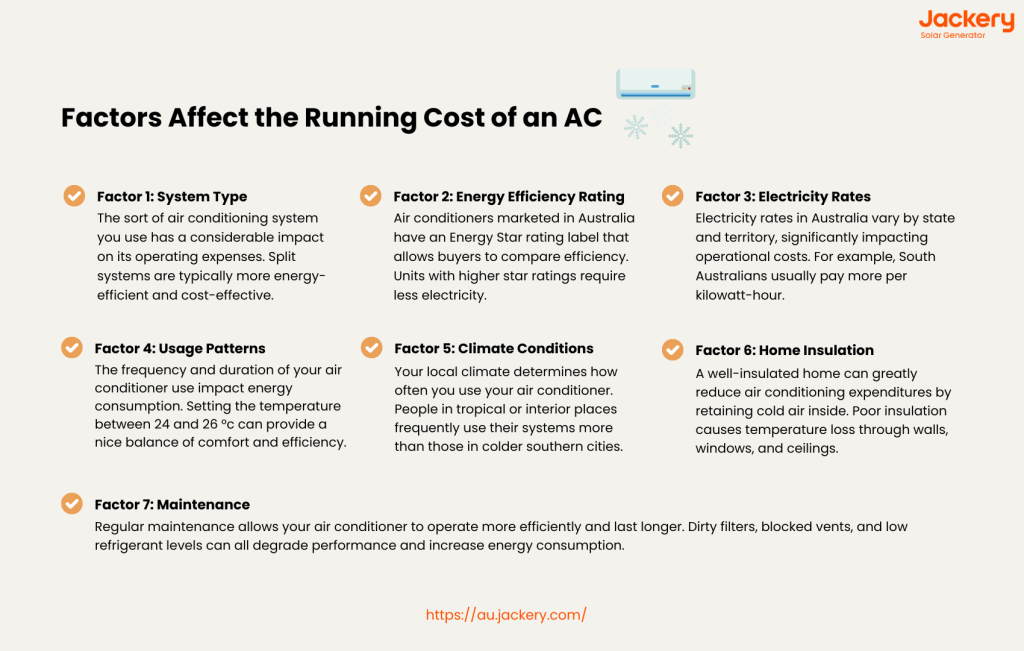
Air conditioners use different amounts of electricity. Many factors change how much power they need. Understanding these factors helps you save energy and money.
This guide explains four main factors that affect AC energy use. They include unit size, usage habits, climate, and home insulation.
Unit Size And Capacity
The size of the AC unit matters. Bigger units cool more space but use more energy. Smaller units use less power but may run longer to cool the room.
| Unit Size (Tons) | Approximate Cooling Area (sq ft) | Energy Use (kW) |
| 1 | 400-600 | 0.8 – 1.2 |
| 1.5 | 600-900 | 1.2 – 1.5 |
| 2 | 900-1200 | 1.5 – 2.0 |
| 2.5 | 1200-1500 | 2.0 – 2.5 |
Usage Patterns
How often and how long you run the AC affects power use. Setting the temperature too low also increases electricity use.
- Running AC all day uses more energy.
- Higher fan speed consumes more power.
- Frequent on and off cycles increase energy use.
- Setting a moderate temperature saves electricity.
Climate And Temperature
Hotter climates make AC units work harder. The outside temperature and humidity level change the energy needed to cool your home.
In places with high heat, AC runs longer and uses more kilowatts. Cooler climates reduce energy use because less cooling is needed.
Insulation And Home Efficiency
Good insulation keeps cool air inside and hot air out. This reduces the workload on your AC unit.
| Insulation Level | Effect on Energy Use |
|---|---|
| Poor | Increases AC power use by up to 30% |
| Average | Moderate energy use |
| Good | Reduces AC power use by up to 20% |
Typical Kilowatt Usage By Ac Types
Air conditioners use different amounts of electricity depending on their type. Knowing the typical kilowatt usage helps you plan your energy costs.
This guide covers the common AC types and their average power consumption in kilowatts.
Window Air Conditioners
Window air conditioners are common for cooling single rooms. They use between 0.5 and 1.5 kilowatts per hour.
Smaller units use less power but cool less space. Larger units use more power but cool larger rooms faster.
Split Systems
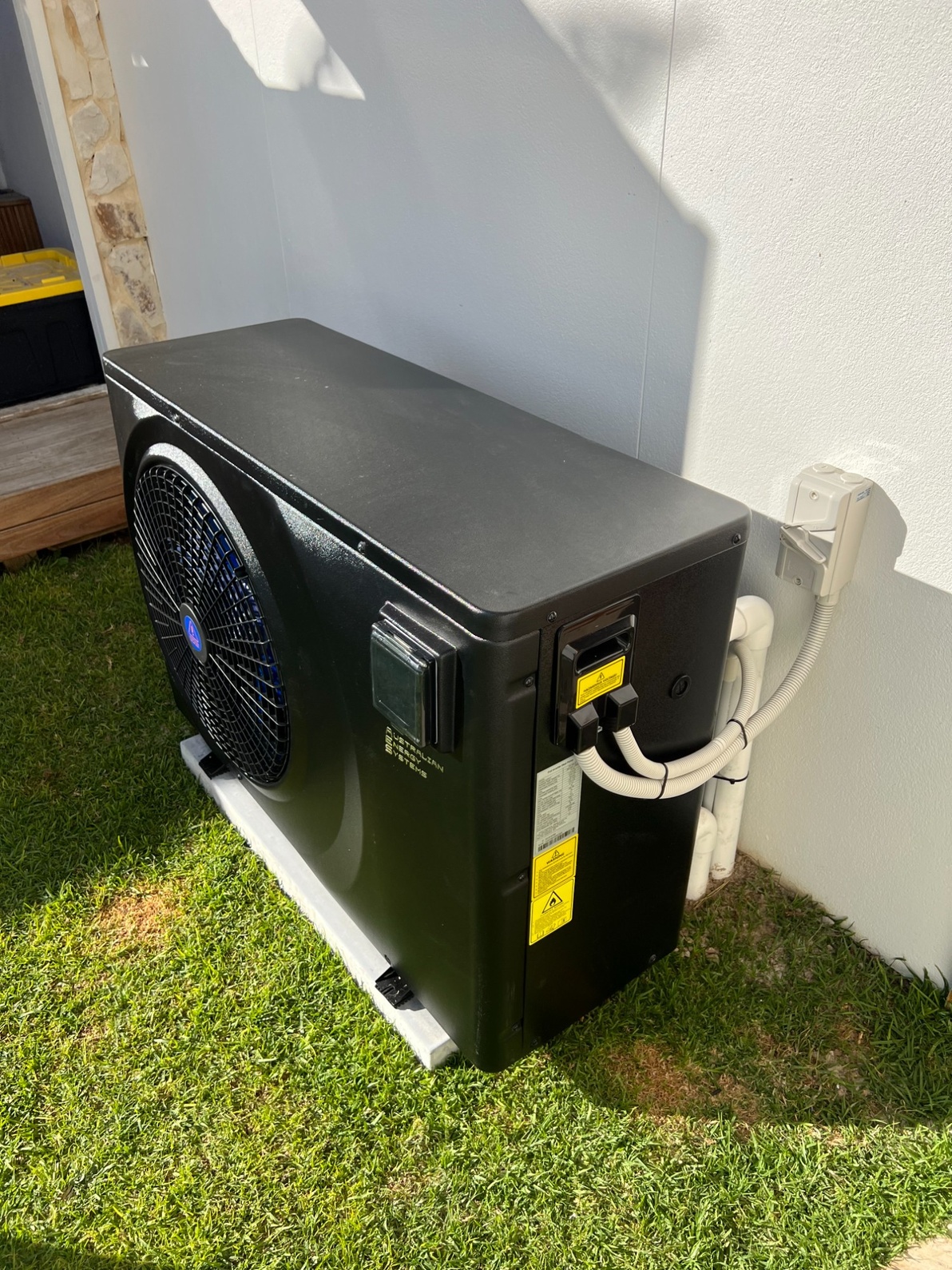
Split system ACs have two parts: one inside and one outside. They are more efficient than window units.
- Small split ACs use about 0.7 to 1.2 kilowatts per hour.
- Larger models can use up to 2 kilowatts per hour.
- Energy-saving models may use less power.
Central Air Conditioning
Central air systems cool entire homes or buildings. They use more electricity but offer better cooling.
| System Size (Tons) | Average Power Use (kW) |
|---|---|
| 1.5 | 1.5 – 2.0 |
| 2.0 | 2.0 – 2.5 |
| 3.0 | 3.0 – 3.5 |
| 5.0 | 4.5 – 5.5 |
Portable Ac Units
Portable air conditioners are easy to move between rooms. They usually use more power than window units.
The typical power use ranges from 0.8 to 1.8 kilowatts per hour.

Credit: udpwr.com
Calculating Energy Consumption
Air conditioners use electricity measured in kilowatts. Knowing how much energy they consume helps manage bills and save power.
Calculating energy use involves looking at how long the unit runs and its power rating in kilowatts.
Using Kilowatt-hours
Kilowatt-hours (kWh) measure energy use over time. One kWh means one kilowatt of power used for one hour.
To find kWh, multiply the air conditioner’s power (in kW) by the hours it runs.
- If your AC is 2 kW and runs for 3 hours, it uses 6 kWh (2 kW × 3 hours).
- Higher kWh means more electricity used and higher costs.
- Tracking kWh helps you control energy use.
Estimating Monthly Costs
To find monthly costs, multiply kWh used by the electricity price per kWh.
Knowing your AC’s daily use helps estimate the monthly bill.
- Calculate daily kWh (power × hours per day).
- Multiply by days in the month.
- Multiply total kWh by your local electricity rate.
Impact Of Energy Efficiency Ratings
Energy efficiency ratings show how well an air conditioner uses electricity.
Higher ratings mean less power is needed to cool the same space.
- Units with good ratings save money on electricity.
- They reduce power consumption and environmental impact.
- Look for ratings like SEER or EER when choosing an AC.
Ways To Reduce Ac Energy Use
Air conditioners use a lot of electricity to cool your home. Reducing their energy use saves money and helps the environment.
Simple changes in how you use your AC and care for your home can cut energy use without losing comfort.
Smart Thermostat Settings
Smart thermostats control your AC efficiently. They adjust temperatures based on your schedule and habits.
Setting your thermostat higher when you are not home reduces energy use. Lower it only when needed.
- Set temperature to 78°F (25.5°C) when home
- Raise temperature 5-8 degrees when away
- Use programmable schedules to avoid cooling empty rooms
- Use “eco” mode if available
Regular Maintenance
Keeping your AC clean and well-maintained improves efficiency. Dirty filters and coils make your AC work harder.
Change or clean air filters every 1-3 months. Check and clean coils yearly. Clear debris around the outdoor unit.
- Replace air filters regularly
- Clean evaporator and condenser coils
- Check refrigerant levels
- Remove plants or dirt blocking outdoor unit
Improving Home Insulation
Good insulation stops cool air from escaping your home. It also keeps hot air outside.
Seal leaks around doors and windows. Add insulation to walls and attic to keep your home cooler.
- Use weatherstripping on doors and windows
- Seal gaps with caulking or foam
- Add attic and wall insulation
- Install energy-efficient windows if possible
Using Fans And Ventilation
Fans help circulate cool air and reduce the load on your AC. Use ceiling or portable fans to stay comfortable.
Ventilate your home by opening windows in the early morning or late evening to let cool air in.
- Use ceiling fans to move air
- Turn fans off when you leave the room
- Open windows at cooler times of day
- Use exhaust fans to remove hot air from kitchens and bathrooms
Credit: www.aquilaelectrical.com.au
Renewable Energy And Ac
Air conditioners use a lot of electricity. Many people want to use renewable energy to power them. This helps reduce pollution and save money.
Understanding how much kilowatts an air conditioner uses is important. It helps decide the right renewable energy system to use.
Solar-powered Air Conditioning
Solar panels can power air conditioners using sunlight. This lowers electricity bills and cuts carbon emissions.
Most home air conditioners use between 1 to 3 kilowatts per hour. Solar panels can provide this power during sunny days.
- Solar panels convert sunlight into electricity
- Solar-powered AC systems store energy for cloudy times
- Proper system size matches AC power needs
Energy Storage Options
Energy storage helps use solar power when the sun is not shining. Batteries store extra energy for nighttime or cloudy days.
There are different types of batteries. They vary in cost, size, and how long they last.
- Lithium-ion batteries are common for home use
- Lead-acid batteries are cheaper but heavier
- Battery capacity affects how long the AC can run
Frequently Asked Questions
How Many Kilowatts Does A Typical Air Conditioner Use?
A typical air conditioner uses between 1 to 3 kilowatts per hour. Usage depends on size, efficiency, and cooling needs.
What Factors Affect An Air Conditioner’s Kilowatt Usage?
Kilowatt usage varies by unit size, energy efficiency rating, cooling duration, and local climate conditions.
How Can I Reduce My Air Conditioner’s Kilowatt Consumption?
Use energy-efficient models, maintain filters, set higher thermostat temperatures, and use fans to reduce kilowatt use.
Does The Air Conditioner Size Impact Kilowatt Usage?
Yes, larger units consume more kilowatts. Choose the right size for your room to save energy.
Conclusion
Air conditioners consume varying kilowatts based on size and efficiency. Choosing energy-efficient models can save electricity. Regular maintenance helps improve performance and reduce power usage. Consider programmable thermostats to control energy usage effectively. Understanding your air conditioner’s kilowatt consumption aids in managing energy bills.
This knowledge benefits both your wallet and the environment. Be mindful of energy ratings when purchasing. Always check the specifications for kilowatt usage. Make informed choices to enjoy cool comfort without high costs. Stay cool and energy-smart.