Have you ever wondered how much electricity your air conditioner uses? Knowing the kilowatts your AC consumes can help you save money and avoid surprise bills.
Whether you’re cooling a small room or a large house, understanding this can make a big difference in your energy costs. You’ll discover exactly how much power your air conditioner needs and simple tips to use it more efficiently. Keep reading to take control of your cooling costs and stay comfortable without breaking the bank.

Credit: udpwr.com
Air Conditioner Basics
Kilowatts (kW)measure how much power an air conditioner uses. It shows the energy needed to cool a space. The higher the kW, the more electricity the unit uses. Most home air conditioners use between 1.2 to 2.5 kWwhile running.
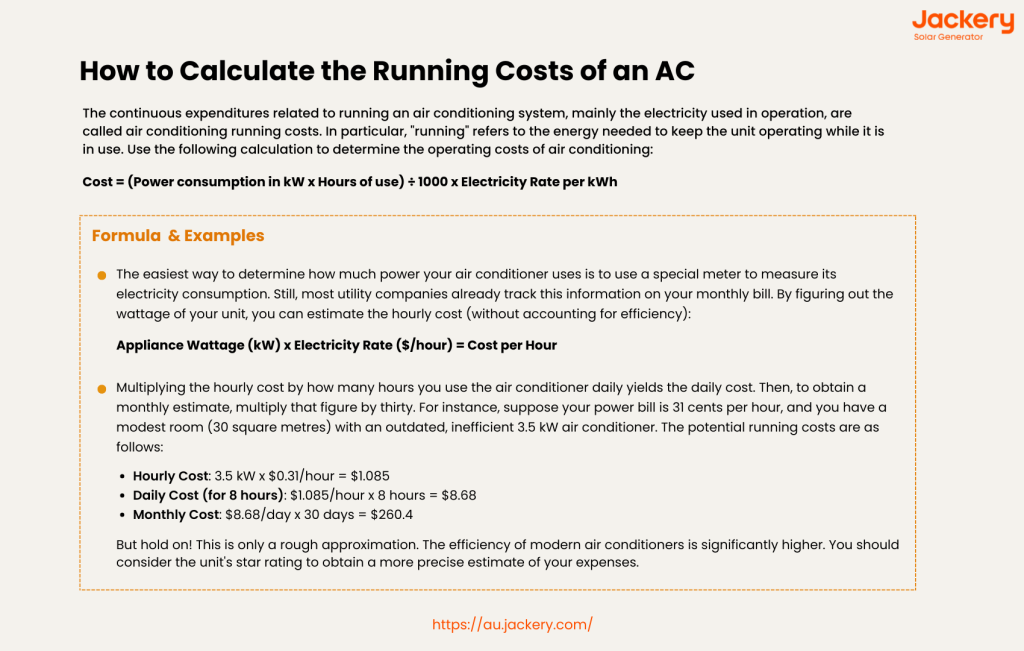
Power use changes based on the air conditioner’s size and type. Cooling capacityis often shown in British Thermal Units (BTUs). To convert BTUs to kW, divide by 3412. For example, a 12,000 BTU AC uses about 3.5 kW.
| Type of Air Conditioner | Typical Power Use (kW) | Notes |
|---|---|---|
| Window AC | 0.5 – 1.5 kW | Small rooms, easy to install |
| Split AC | 1.2 – 2.5 kW | Quiet, for medium to large rooms |
| Central AC | 3 – 5 kW or more | For whole house cooling |
| Portable AC | 0.8 – 2 kW | Flexible, easy to move |
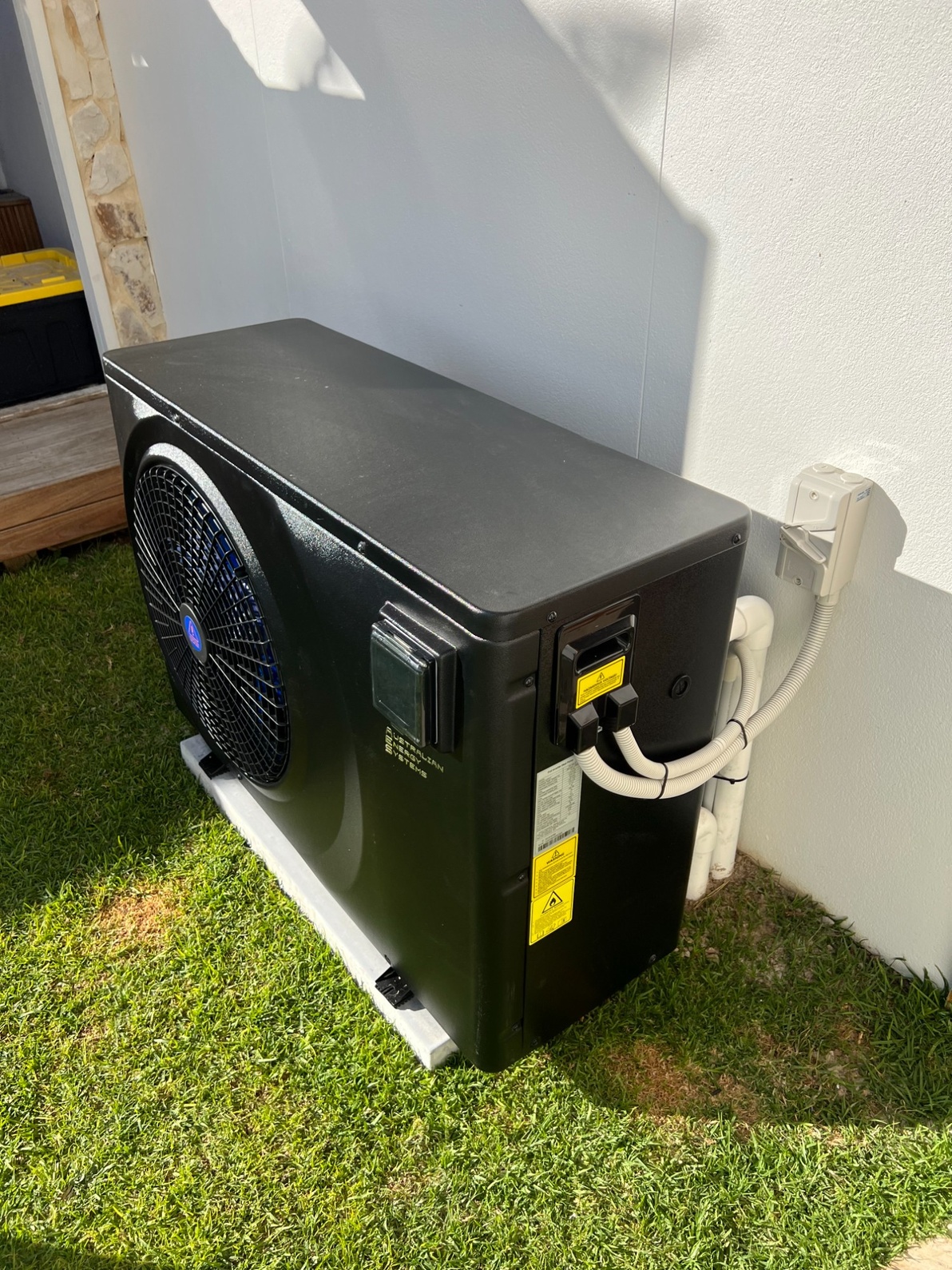
Credit: www.aquilaelectrical.com.au
Factors Affecting Energy Consumption
The size and capacityof an air conditioner affect how much power it uses. Bigger units need more kilowatts to cool a room. Small rooms need smaller ACs that use less energy.
Efficiency ratingstell how well an AC uses electricity. Models with high ratings save power and cost less to run. Look for units with good Energy Efficiency Ratios (EER) or Seasonal Energy Efficiency Ratios (SEER).
Usage patternsalso change energy use. Running the AC all day uses more power than short bursts. Setting the temperature too low makes the AC work harder and consume more electricity.
Calculating Kilowatt Usage
The formula to calculate an air conditioner’s kilowatt usage is simple. Multiply the power ratingin kilowatts (kW) by the hours of use. This gives the total energy used in kilowatt-hours (kWh).
For example, a 2 kW air conditioner running for 5 hours uses:
- 2 kW × 5 hours = 10 kWh
This value helps estimate electricity costs and energy consumption.
| Scenario | Power Rating (kW) | Hours Used | Total Energy (kWh) |
|---|---|---|---|
| Small Room AC | 1.2 | 6 | 7.2 |
| Medium Room AC | 2.0 | 8 | 16.0 |
| Large Room AC | 3.5 | 4 | 14.0 |
Energy Efficiency Tips
Regular maintenancekeeps your air conditioner running well and saves energy. Clean or replace filters every month. Check for dirt on coils and clear debris around the unit. This helps the AC cool better with less power.
Using a smart thermostatsaves energy by setting the temperature just right. It adjusts cooling when you are away or asleep. This way, the AC does not work harder than needed.
Insulation and sealingstop cool air from escaping your home. Seal cracks around windows and doors. Add insulation in walls and attic. This keeps your house cooler and lowers the AC’s energy use.
Comparing Different Models
Different air conditioner models use varying amounts of kilowatts based on size and efficiency. Comparing these helps choose the best option for energy savings and comfort. Understanding power usage can lower electricity bills while keeping your home cool.
Window Units Vs. Central Systems
Window unitsuse less power, usually between 0.5 to 1.5 kilowatts. They cool small rooms well and cost less. Central systemsuse more power, around 3 to 5 kilowatts. They cool whole houses but increase electricity bills. Window units run only when cooling one room, saving energy. Central systems run longer because they cool larger spaces.
Inverter Vs. Non-inverter
| Type | Power Use | Energy Efficiency | Noise Level |
|---|---|---|---|
| Inverter AC | Uses less kilowattsby adjusting speed | More efficient, saves energy | Quieter operation |
| Non-Inverter AC | Uses more power, runs at full speed | Less efficient | Louder noise |
Environmental Impact
An air conditioner uses electricity that often comes from burning fossil fuels.
This process creates carbon dioxide (CO2), a gas that harms the Earth.
The more kilowatts an AC uses, the bigger its carbon footprint.
Using an AC too much increases pollution and climate change risks.
- Solar-powered AC unitsuse energy from the sun, reducing pollution.
- Energy-efficient modelsuse less electricity to cool your home.
- Fans and natural ventilation help cool without electricity.
- Planting trees near your home can lower indoor temperatures naturally.
Cost-saving Strategies
Using an air conditioner during off-peak hourscan save money on electricity bills. Many utility companies charge less for energy used at night or early morning. Running your AC during these times reduces demand and cost.
Energy-saving programs often offer discounts or rebates for using less power. Some programs provide smart thermostats or energy audits to help lower usage. Participating in these programs can lead to significant savingsover time.

Credit: hvac-temecula-murrieta.com
Frequently Asked Questions
How Many Kilowatts Does A Typical Ac Unit Use?
A typical air conditioner uses between 1. 2 to 2. 5 kilowatts per hour. The exact usage depends on the AC’s size, efficiency, and settings.
What Factors Affect An Air Conditioner’s Kilowatt Usage?
Kilowatt usage depends on AC size, cooling capacity, outdoor temperature, and usage time. Efficient models consume less energy, lowering costs.
How Can I Reduce My Ac’s Kilowatt Consumption?
To reduce kilowatt consumption, maintain filters, use a programmable thermostat, and seal leaks. Regular servicing also improves efficiency and lowers energy use.
Does Room Size Impact Air Conditioner Kilowatt Usage?
Yes, larger rooms require bigger AC units, which use more kilowatts. Properly sizing your AC helps optimize energy consumption and cooling.
Conclusion
Knowing how many kilowatts an air conditioner uses helps save energy and money. Small units use less power, while bigger ones need more. Running your AC smartly reduces bills and helps the environment. Check your unit’s wattage before buying or using it.
Simple steps make a big difference in energy use. Keep cool without wasting electricity. Understanding power use leads to better choices every day.