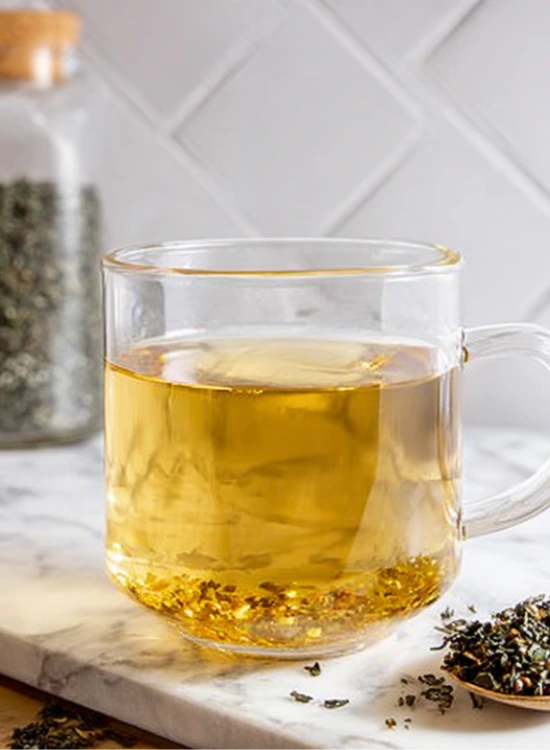
Are you wondering how much loose leaf green tea you should use for the perfect cup? Getting the right amount can make all the difference in flavor and enjoyment.
Too little, and your tea might taste weak. Too much, and it could become bitter. You’ll discover the simple secret to measuring your loose leaf green tea just right every time. Keep reading to unlock the key to a delicious, refreshing cup that suits your taste perfectly.

Credit: blogs.gwu.edu
Choosing The Right Amount
Measuring loose leaf green tea correctly helps you enjoy the best flavor. Using too much or too little leaf can change the taste and strength.
This guide explains how to choose the right amount of green tea for each cup. You will learn about standard measures, taste adjustments, and leaf types.
Standard Measurements
Most people use about one teaspoon of loose leaf green tea per 8-ounce cup. This amount gives a balanced flavor and aroma.
| Amount of Tea | Water Volume |
| 1 teaspoon (2 grams) | 8 ounces (240 ml) |
| 2 teaspoons (4 grams) | 16 ounces (480 ml) |
| 1 tablespoon (6 grams) | 24 ounces (720 ml) |
Adjusting For Taste
You can change the amount of tea to make your cup stronger or lighter. Start with the standard measure and adjust by small steps.
- Use less tea for a mild flavor
- Use more tea for a stronger taste
- Steep longer with less tea to avoid bitterness
- Try shorter steeping with more tea for bold taste
Leaf Type Impact
Different green tea leaves vary in size and density. This affects how much you should use per cup.
| Leaf Type | Recommended Amount | Notes |
|---|---|---|
| Whole Leaf | 1 teaspoon (2 grams) | Leaves expand more when steeped |
| Broken Leaf | 3/4 teaspoon (1.5 grams) | Smaller pieces brew faster and stronger |
| Powdered Leaf (e.g., Matcha) | 1/2 teaspoon (1 gram) | Use less as powder is concentrated |
Measuring Loose Leaf Tea
Loose leaf green tea needs careful measuring for the best taste. Too much or too little tea can change the flavor.
Using the right amount helps you enjoy a perfect cup every time.
Using Teaspoons
Teaspoons are a simple way to measure loose leaf tea. One teaspoon usually equals about two grams of tea.
For one cup of green tea, use about one teaspoon of loose leaves. Adjust slightly for stronger or lighter taste.
- Use a level teaspoon, not heaping
- Fill the spoon without packing the leaves
- One teaspoon per cup is a good start
Using Scales
Scales give a more exact measurement than teaspoons. A small kitchen scale can measure loose leaf tea by grams.
For one cup, weigh about 2 grams of tea. This helps keep the taste consistent every time you brew.
- Use a scale that measures in grams
- Place a cup or bowl on the scale first
- Zero the scale before adding tea
- Weigh 2 grams for one cup
Tips For Accuracy
Measuring loose leaf tea accurately improves your brewing results. Small changes in tea amount affect flavor and strength.
Use these tips to get the best measurement every time.
- Use the same teaspoon or scale for each brew
- Do not pack tea leaves tightly
- Check your scale’s calibration often
- Adjust the amount for your taste preference
Water And Temperature
Using the right amount of water and the correct temperature is key to brewing loose leaf green tea. These factors affect the strength and flavor of your tea.
Too much or too little water can change how the tea tastes. Also, water temperature controls how the leaves release their flavors.
Ideal Water Volume
For one cup of green tea, use about 8 ounces (240 ml) of water. This amount balances the tea’s strength and flavor.
- Use a standard cup size of 8 ounces
- Adjust slightly if you prefer stronger or lighter tea
- Measure water with a cup or kitchen scale for accuracy
Optimal Brewing Temperature
Green tea needs water that is hot but not boiling. The best temperature is between 160°F and 180°F (70°C to 80°C).
| Temperature (°F) | Temperature (°C) | Effect on Tea |
|---|---|---|
| 160°F | 70°C | Brings out delicate flavors |
| 170°F | 77°C | Balanced taste and aroma |
| 180°F | 80°C | Stronger flavor but less bitterness |
| 212°F | 100°C | Too hot; makes tea bitter |
Effect On Flavor
Water amount and temperature change how green tea tastes. Too hot water can cause bitterness. Too little water makes tea too strong.
Tips for best flavor:
- Use fresh, filtered water for clean taste
- Let water cool after boiling before pouring
- Adjust water volume to match your taste preference
- Steep tea leaves for 2-3 minutes at correct temperature

Credit: www.teabox.com
Brewing Techniques
Knowing how much loose leaf green tea to use per cup helps you get the best flavor. Using the right amount is important for a balanced taste.
Brewing green tea properly also depends on steeping time, multiple infusions, and avoiding common mistakes. These steps improve your tea experience.
Steeping Time
Steeping time means how long you let the tea leaves sit in hot water. Too long makes the tea bitter. Too short makes it weak.
Usually, steep green tea for 2 to 3 minutes. Adjust the time based on your taste and the tea type.
- Use water around 175°F (80°C) for best results
- Start with 2 minutes, then taste before adding time
- Shorten steeping for delicate teas
Multiple Infusions
Loose leaf green tea can be brewed more than once. Each infusion brings out new flavors and aromas.
Use the same tea leaves for 2 to 3 infusions. Increase steeping time by 30 seconds with each new brew.
- Keep leaves in the teapot or infuser
- Add hot water again after each cup
- Enjoy different taste notes with each infusion
Common Mistakes
Many people use too much or too little loose leaf tea. This changes the taste and strength.
Other mistakes include using boiling water or steeping too long. These cause bitterness and ruin the tea’s flavor.
- Do not use more than 2 teaspoons per 8-ounce cup
- Avoid water above 185°F (85°C)
- Do not steep longer than 4 minutes
- Measure tea leaves with a spoon for accuracy
Adjusting For Tea Types
The amount of loose leaf green tea per cup changes with the type of tea. Different teas have unique flavors and strengths.
Using the right amount helps you enjoy the best taste without bitterness or weak flavor.
Delicate Greens
Delicate green teas like Sencha or Gyokuro have soft flavors. They need less tea to avoid a bitter taste.
Use about one teaspoon (2 grams) of loose leaf per 8-ounce cup. Steep gently at lower temperatures to protect flavor.
- Tea type: Sencha, Gyokuro
- Amount: 1 teaspoon (2 grams)
- Water temp: 140-160°F (60-70°C)
- Steep time: 1-2 minutes
Robust Varieties
Robust green teas like Matcha or Hojicha have stronger flavors. They need more leaf to balance the taste.
Use about 1.5 teaspoons (3 grams) per cup. Hotter water and longer steeping bring out the richness.
- Tea type: Matcha, Hojicha
- Amount: 1.5 teaspoons (3 grams)
- Water temp: 175-185°F (80-85°C)
- Steep time: 2-3 minutes
Blended Teas
Blended green teas mix leaves with herbs or flowers. Leaf amount depends on the blend’s strength.
Start with one teaspoon (2 grams) per cup. Adjust more or less based on how strong you like the flavor.
- Tea type: Jasmine Green, Mint Green
- Amount: 1 teaspoon (2 grams) or adjust
- Water temp: 160-175°F (70-80°C)
- Steep time: 2-3 minutes
Enhancing Your Brew
Loose leaf green tea offers a fresh and rich flavor. The right amount of tea and water quality change the taste. Simple steps improve every cup you make.
Using fresh leaves and storing them well keeps the tea’s natural aroma. Learn how to enhance your green tea with easy tips below.
Water Quality
Water makes up most of your tea cup, so its quality matters. Use clean, fresh water without strong flavors. Avoid hard water or water with chemicals.
- Use filtered or spring water for best taste
- Do not use distilled water as it lacks minerals
- Boil water but let it cool slightly before brewing
- Avoid water that tastes or smells odd
Using Fresh Leaves
Fresh leaves give a brighter and more flavorful cup. Measure the right amount of tea for each cup to avoid weak or bitter taste.
| Tea Amount | Water Volume | Notes |
|---|---|---|
| 1 teaspoon | 6 ounces (180 ml) | Light taste, good for beginners |
| 1.5 teaspoons | 6 ounces (180 ml) | Balanced flavor, most common |
| 2 teaspoons | 6 ounces (180 ml) | Strong brew, for experienced drinkers |
Storage Tips
Store loose leaf green tea away from light and moisture. Proper storage keeps leaves fresh and tasty for longer.
- Use airtight containers to keep air out
- Keep containers in a cool, dark place
- Avoid storing tea near spices or strong odors
- Do not store tea in the refrigerator or freezer

Credit: www.amazon.ca
Frequently Asked Questions
How Much Loose Leaf Green Tea Per Cup?
For a standard cup, use 1 teaspoon of loose leaf green tea. This typically equates to about 2 grams of tea. Adjust the amount based on your taste preference. More tea will yield a stronger flavor, while less will produce a milder taste.
What Is The Best Water Temperature For Green Tea?
The ideal water temperature for brewing green tea is between 160°F to 180°F (70°C to 80°C). Using water that’s too hot can make the tea bitter. Proper temperature ensures a smooth and flavorful brew, preserving the delicate notes of the green tea leaves.
How Long Should Green Tea Steep?
Green tea should steep for 2 to 3 minutes for optimal flavor. Steeping it longer can result in a bitter taste. Adjust the time based on your taste preference. Shorter steeping yields a lighter flavor, while longer steeping intensifies the taste.
Can I Reuse Loose Leaf Green Tea?
Yes, you can reuse loose leaf green tea 2 to 3 times. Each subsequent brew will be lighter in flavor. Ensure you increase the steeping time slightly for each reuse. This method is cost-effective and still delivers a pleasant taste.
Conclusion
Finding the right amount of loose leaf green tea matters. Use about one teaspoon per cup for a balanced taste. Too much tea can make it bitter and strong. Too little tea may taste weak and bland. Adjust the amount to match your flavor preference.
Enjoy brewing your perfect cup every time. Simple steps lead to great tea moments. Keep experimenting and find what suits you best. Drinking green tea should be a relaxing and enjoyable ritual.