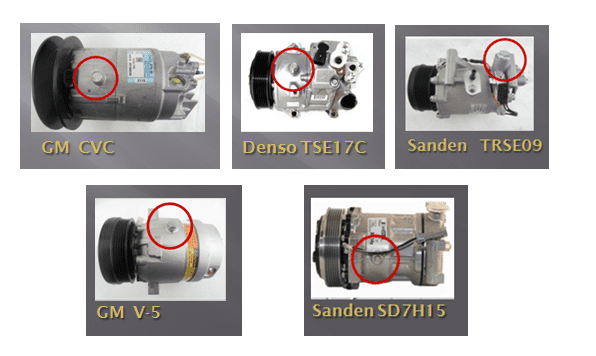
Have you ever wondered how much oil your air conditioner compressor actually needs? Getting this right is more important than you might think.
Too little oil can cause serious damage, while too much can reduce efficiency and waste energy. You’ll discover the exact amount of oil your compressor requires, why it matters, and how to check it yourself. Understanding this simple but crucial detail can save you money and keep your air conditioner running smoothly all year long.
Keep reading to find out what every homeowner should know about oil in their AC compressor.
Role Of Oil In Ac Compressors
Oil plays a key role in the function of air conditioner compressors. It helps keep parts moving smoothly inside the compressor.
Without the right amount of oil, the compressor can overheat and wear out quickly. Let’s look at the main jobs of oil in AC compressors.
Lubrication Functions
Oil lubricates the moving parts inside the compressor. This reduces friction and prevents damage. It also helps the compressor run quietly and last longer.
- Reduces wear on metal surfaces
- Prevents parts from sticking together
- Keeps the compressor running smoothly
Heat Dissipation
The compressor generates heat while working. Oil helps take this heat away from the parts. This stops the compressor from getting too hot and breaking down.
| Heat Source | Role of Oil |
| Moving Parts | Oil absorbs and carries away heat |
| Compression Process | Oil helps cool the compressor body |
| Electrical Components | Oil reduces heat buildup |
Sealing And Protection
Oil creates a seal inside the compressor. This stops gas from leaking out. It also protects parts from rust and corrosion. Keeping the system sealed helps the AC work efficiently.
- Prevents gas leaks inside the compressor
- Protects metal parts from rust and corrosion
- Maintains pressure for better cooling
Types Of Compressor Oils
Air conditioner compressors need oil to function smoothly. Different oils suit different compressor types.
Understanding the types of compressor oils helps in maintaining efficiency and longevity.
Mineral Oil
Mineral oil is a traditional choice for older air conditioner systems. It is derived from refined petroleum.
- Cost-effective
- Compatible with older systems
- Less efficient in modern systems
Synthetic Oil
Synthetic oil is engineered for modern air conditioner systems. It provides better performance and efficiency.
| Feature | Benefit |
| High viscosity index | Better temperature performance |
| Low volatility | Reduced oil consumption |
| Oxidation resistance | Longer oil life |
Polyalkylene Glycol (pag) Oil
PAG oil is commonly used in automotive air conditioning systems. It is known for its lubricating properties.
Polyol Ester (poe) Oil
POE oil is suitable for systems using HFC refrigerants. It offers excellent lubrication and stability.
It is less sensitive to moisture compared to PAG oil, making it a versatile option.
Determining The Right Oil Amount
The oil in an air conditioner compressor keeps parts moving smoothly. Using the right amount is very important. Too little oil can cause damage. Too much oil can reduce cooling efficiency.
Knowing how much oil to add depends on several factors. This guide explains the main things to check before adding oil.
Manufacturer Specifications
Each manufacturer gives specific oil amount instructions. These details are in the product manual or service guide. Follow these exactly to avoid problems.
Manufacturers test compressors to find the best oil volume. Using their specs keeps the compressor safe and efficient.
Compressor Size And Model
Different compressors need different oil amounts. Larger compressors hold more oil. Smaller ones need less oil.
Check the compressor model and size to find the right oil volume. This info is often on the compressor label or datasheet.
- Small models: less oil
- Medium models: moderate oil
- Large models: more oil
Refrigerant Compatibility
Oil type and amount depend on the refrigerant used. Different refrigerants need oils with special properties. Using the wrong oil causes damage.
Always use oil compatible with your refrigerant. Check the compressor and refrigerant manuals for oil guidelines.
| Refrigerant | Oil Type | Oil Amount Notes |
|---|---|---|
| R-22 | Mineral Oil | Standard oil amounts apply |
| R-410A | PAG Oil | May need less oil than R-22 |
| R-134a | PAG or Ester Oil | Follow specific oil volume rules |
Credit: www.subaruforester.org
Common Oil Capacity Ranges
Air conditioner compressors need oil to work well. The oil keeps parts moving smoothly. Different compressors use different amounts of oil.
Knowing how much oil a compressor needs helps keep it safe and working longer. Oil amounts depend on the size and type of the compressor.
Small Residential Units
Small home air conditioners use less oil. These compressors are compact and have small oil chambers. They usually hold a few ounces to keep parts lubricated.
Typical oil capacity for these units ranges from 4 to 12 ounces. This amount suits the small size and lower cooling power.
- Oil capacity: 4 to 12 ounces (120 to 350 ml)
- Used in window or small split AC units
- Oil type often mineral or synthetic light oil
Commercial Systems
Commercial air conditioners are bigger than home units. They need more oil to keep the compressor safe. These systems often cool offices, shops, or large homes.
Oil amounts in commercial compressors usually range from 1 to 3 quarts. The extra oil helps handle heavy use and longer running times.
- Oil capacity: 1 to 3 quarts (950 to 2850 ml)
- Used in medium to large split systems and rooftop units
- Oil types include mineral, synthetic, or polyol ester oils
Large Industrial Compressors
Industrial compressors are the largest and need the most oil. They power big buildings, factories, or cool large spaces. Their oil tanks are much bigger.
Oil capacity for industrial compressors can range from 5 to over 20 quarts. This large amount supports heavy work and long operation hours.
- Oil capacity: 5 to 20+ quarts (4.7 to 19 liters)
- Used in chillers, large HVAC systems, and industrial plants
- Oil types are mostly synthetic or polyol ester oils for high performance
Effects Of Too Much Or Too Little Oil
The right amount of oil in an air conditioner compressor is very important. Too much or too little oil can cause problems.
Oil keeps the compressor parts moving smoothly. It also helps cool the compressor and prevent damage.
Over-lubrication Issues
Too much oil can cause the compressor to work harder. It may flood the system and reduce cooling ability.
Excess oil can also cause pressure problems. It might damage other parts of the air conditioner.
- Oil overflow can block refrigerant flow
- Compressor may overheat due to oil foaming
- Increased wear on seals and valves
Under-lubrication Risks
Too little oil causes parts to rub without enough lubrication. This leads to faster wear and tear.
Without enough oil, the compressor can overheat. This may cause it to fail early or break down.
- Increased friction damages compressor components
- Higher risk of compressor seizure
- Shortened compressor life span
Impact On Efficiency And Longevity
The right oil level helps the compressor run efficiently. It lowers energy use and keeps the system cool.
Proper lubrication extends the compressor’s life. It reduces repairs and keeps the air conditioner working well.
- Balanced oil level improves cooling performance
- Reduces energy consumption and costs
- Prevents early compressor failure
Checking And Maintaining Oil Levels
The oil in an air conditioner compressor keeps the parts running smoothly. Checking oil levels helps prevent damage and keeps the system working well.
Maintaining the right oil amount improves the compressor’s life and efficiency. Regular checks are important to avoid costly repairs.
Oil Level Inspection Methods
There are several ways to check the oil level in a compressor. Use the right method to get an accurate reading.
- Use the sight glass on the compressor to see the oil level.
- Check the oil level through the oil port by removing the plug carefully.
- Use a dipstick if the compressor has one available.
- Observe oil flow in transparent tubes connected to the compressor.
Signs Of Oil Problems
Low or dirty oil can cause issues with the compressor. Watch for signs that indicate oil problems early.
- Unusual noise or knocking sounds from the compressor.
- Overheating or frequent shutting off of the system.
- Oil leaks around the compressor or connected parts.
- Reduced cooling performance or longer running times.
Routine Maintenance Tips
Regular care keeps the oil and compressor in good shape. Follow simple steps to maintain oil levels properly.
- Check oil levels every few months or as recommended.
- Replace old or dirty oil to keep the system clean.
- Fix any oil leaks immediately to avoid damage.
- Use the manufacturer’s recommended type of oil.
- Keep the compressor clean and free from dust and debris.
Adding Or Changing Compressor Oil
Compressor oil helps your air conditioner work well. It keeps the compressor parts moving smoothly.
Knowing how much oil to add or change is important for good cooling and long compressor life.
Proper Procedures
First, find the right amount of oil for your compressor. Check the manual or label.
Drain the old oil fully before adding new oil. Use clean tools to avoid dirt inside.
- Turn off the power to the air conditioner.
- Remove the compressor oil plug carefully.
- Drain the old oil into a container.
- Check the compressor for damage or dirt.
- Add the exact oil amount recommended.
- Replace the oil plug and tighten it well.
- Turn the power back on and test the unit.
Safety Precautions
Always wear gloves and eye protection when handling compressor oil. It can irritate skin and eyes.
Work in a well-ventilated area. Avoid breathing in fumes from the oil.
- Turn off all power before starting work.
- Use proper tools to prevent slips or spills.
- Handle old oil carefully and dispose of it properly.
- Keep oil away from heat and open flames.
- Wash hands after handling oil.
Tools And Equipment Needed
You need a few simple tools to add or change compressor oil safely and correctly.
- Wrenches or socket set to open the oil plug
- Clean container to catch old oil
- Funnel for pouring new oil
- Recommended compressor oil
- Gloves and safety glasses
- Rags for cleaning spills

Credit: www.achrnews.com
Troubleshooting Oil-related Compressor Issues
Oil is vital for your air conditioner compressor’s smooth function. Too much or too little oil can cause problems.
Here are common oil-related issues and how to identify them in your compressor.
Oil Leaks
Oil leaks can lower the oil level inside the compressor. This causes poor lubrication and can damage the parts.
Look for these signs of oil leaks:
- Oil stains or wet spots around the compressor
- Low oil levels during routine checks
- Unusual smells near the compressor
Oil Contamination
Contaminated oil can reduce the compressor’s efficiency. Dirt, moisture, or metal particles in the oil cause damage over time.
| Contaminant | Effect on Compressor |
| Dirt | Clogs parts and reduces lubrication |
| Moisture | Causes corrosion and rust |
| Metal particles | Indicates wear and damages moving parts |
Unusual Noises And Performance Drops
Low or dirty oil can cause strange noises and lower cooling performance. These signs mean the compressor needs attention.
- Rattling or knocking sounds from the compressor
- Reduced cooling power or longer running times
- Compressor overheating or shutting down
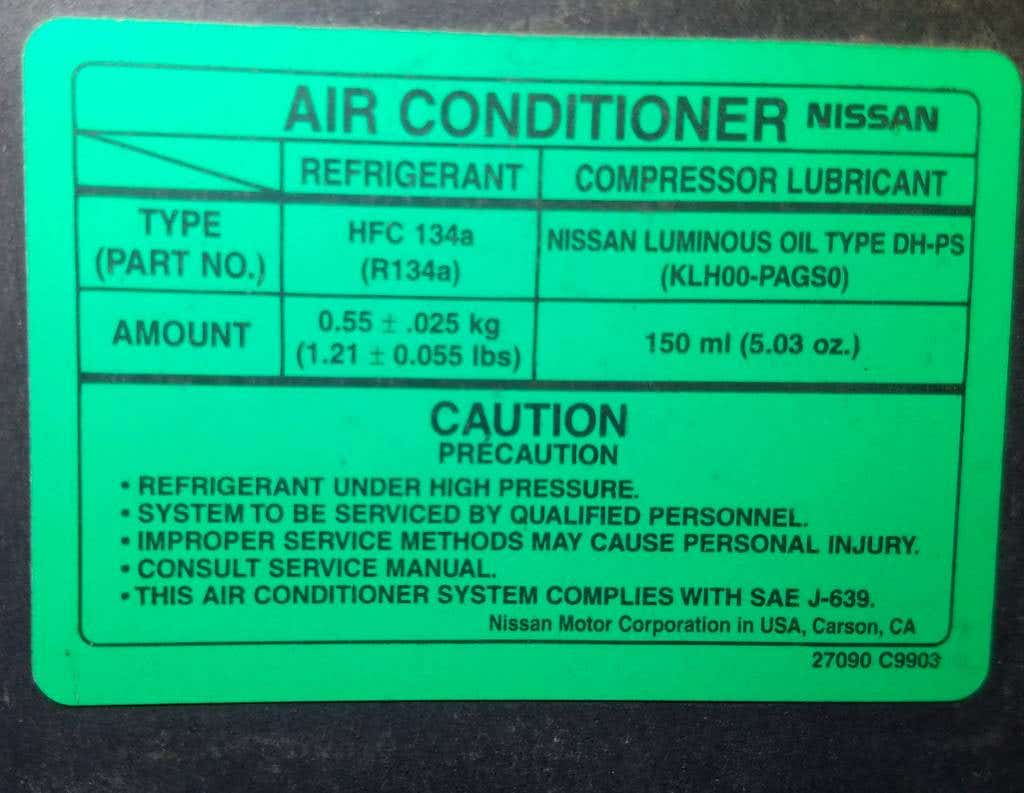
Credit: www.nissanclub.com
Frequently Asked Questions
How Much Oil Does An Ac Compressor Need?
An AC compressor typically requires 100 to 250 milliliters of oil. The exact amount depends on the compressor size and type. Always check the manufacturer’s specifications for precise oil quantity to ensure optimal performance and prevent damage.
What Type Of Oil Is Used In Ac Compressors?
Polyolester (POE) oil is commonly used in modern AC compressors. It is compatible with most refrigerants and provides excellent lubrication. Using the correct oil type ensures efficient compressor operation and extends the system’s lifespan.
Can Too Much Oil Harm The Ac Compressor?
Yes, excess oil can reduce cooling efficiency and clog the system. Over-oiling causes poor heat transfer and may damage components. It’s crucial to add the correct oil amount as recommended by the manufacturer.
How Do I Check Oil Level In An Ac Compressor?
Most compressors have a sight glass or dipstick for oil level checks. Ensure the compressor is off and cool before inspecting. Maintaining proper oil levels is essential for smooth compressor function.
Conclusion
Knowing the right amount of oil in your AC compressor keeps it running well. Too little oil can cause damage and reduce cooling. Too much oil can block refrigerant flow and lower efficiency. Always check the manufacturer’s guide for the correct oil level.
Regular maintenance helps your air conditioner last longer. A well-oiled compressor means better performance and fewer repairs. Keep your home cool and your AC healthy. Simple steps make a big difference in comfort and savings.