Are you wondering how much oil your air conditioner compressor needs? Getting this right is crucial for your AC’s performance and lifespan.
Too little oil can cause serious damage, while too much can reduce efficiency. You’ll discover the exact amount of oil you should use and why it matters for your cooling system. Keep reading to make sure your AC runs smoothly all year long.

Credit: www.achrnews.com
Role Of Oil In Ac Compressors
The oil in an air conditioner compressorplays a key role in lubricationand cooling. It helps the moving parts glide smoothly, reducing frictionand wear. Without enough oil, the compressor can overheat and break down.
Different types of compressor oilsare used based on the AC system. The most common are:
- Mineral oil– used in older AC models.
- PAG oil(Polyalkylene Glycol) – common in automotive AC systems.
- POE oil(Polyolester) – used with newer refrigerants.
Oil must be compatible with the refrigerantinside the system. Using the wrong oil can cause damageor poor performance. For example, POE oilworks well with R-134aand R-1234yf refrigerants, but mineral oil does not.
Credit: www.subaruforester.org
Determining Proper Oil Quantity
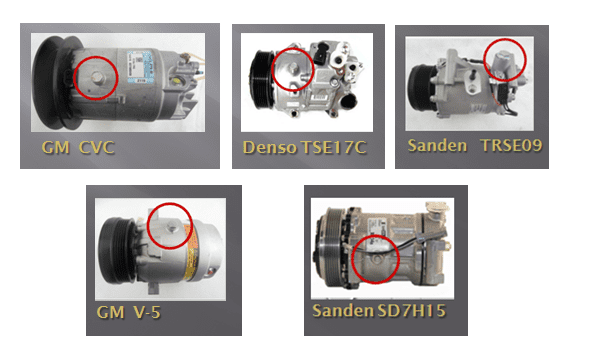
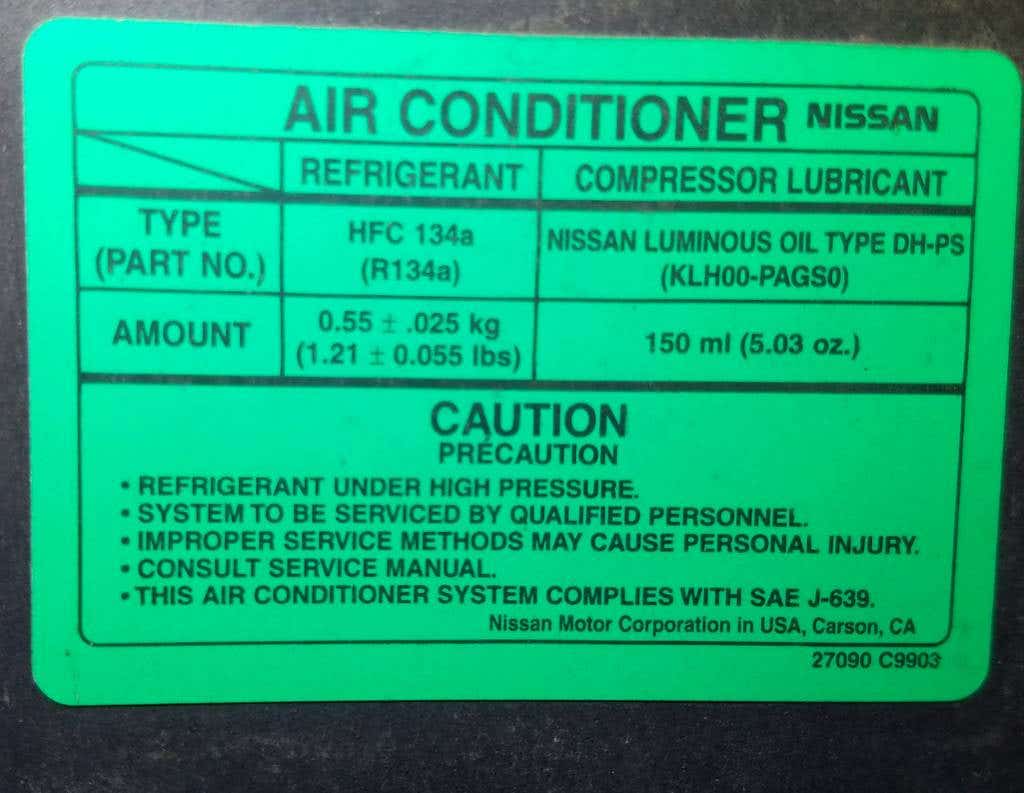
Manufacturer specificationsprovide the most accurate oil amount for compressors. These numbers vary by brand and model. Always check the user manual or product label for details. Using the right oil type is also important.
The oil charge depends on compressor size. Small compressors need less oil, while larger ones require more. Overfilling or underfilling affects the compressor’s performance and lifespan.
| Compressor Size | Oil Quantity (Approx.) | Notes |
|---|---|---|
| Small (up to 1 ton) | 50-100 ml | Check manual for exact amount |
| Medium (1-3 tons) | 100-250 ml | Depends on model and brand |
| Large (3+ tons) | 250+ ml | Follow manufacturer’s instructions |
- Overfillingcan cause high pressure and damage seals.
- Underfillingleads to poor lubrication and overheating.
- Correct oil level ensures smooth compressor operation.
Measuring Oil Level In Compressors
The sight glassshows the oil level inside the compressor. It looks like a small window on the compressor body. Clear oil means proper lubrication, while bubbles or no oil means low levels. Check it when the system is off and cool.
Oil level indicatorshelp monitor oil without opening the compressor. These tools are easy to read and prevent damage. They ensure the compressor always has enough oil for smooth work.
- Use a dipstick to check oil in some compressors.
- Remove the dipstick, wipe it clean, reinsert, then check the level.
- Compare the oil level with the recommended mark.
- Top up oil if below the minimum line.
Credit: www.nissanclub.com
Adding And Changing Compressor Oil
Adding oilto an air conditioner compressor is needed if oil levels are low. Low oil can cause the compressor to fail. Check oil levels during regular maintenance or if the unit is noisy.
Use only the recommended type of compressor oil. Too much or too little oil can harm the system. Always follow the manufacturer’s guidelines.
- Turn off the power before starting.
- Locate the oil fill port on the compressor.
- Clean the area around the port to avoid dirt.
- Slowly add oil to the correct level.
- Replace the oil fill cap securely.
- Turn the power back on and check for leaks.
Oil replacement requires draining old oil first. This keeps the compressor running smoothly. Use a clean container to catch old oil. Dispose of it properly.
| Step | Action | Tip |
|---|---|---|
| Drain Old Oil | Remove drain plug and catch oil | Use gloves and a catch pan |
| Inspect Oil | Check for dirt or discoloration | Oil should be clear and clean |
| Add New Oil | Pour recommended oil slowly | Do not overfill |
| Seal and Test | Replace plug and run the unit | Check for leaks and noise |
Common Issues Related To Oil
Oil contaminationin air conditioner compressors can cause serious issues. Dirt, moisture, or acid can enter the oil, leading to poor lubrication. This causes the compressor to wear out faster and may even stop working.
Over time, oil can degradedue to heat and chemical reactions. This reduces its ability to protect compressor parts. Old oil may become thick or form sludge, making the compressor less efficient.
| Signs of Oil Problems | Preventive Maintenance Tips |
|---|---|
|
|
Impact Of Oil On Ac Performance
Oilplays a key rolein the performanceof an air conditioner compressor. It helps lubricatethe moving parts and keeps them running smoothly. Proper oil levels improve energy efficiency, reducing the power the AC needs to work well.
Maintaining the right oil amount also extends compressor longevity. Without enough oil, parts can wear out faster. Too much oil can cause blockages and reduce cooling power.
System reliability depends on oil too. It prevents metal parts from rubbingand damagingeach other. This reduces the chance of breakdowns and costly repairs. Checking oil levels regularly keeps the AC working strong and saves money.
Frequently Asked Questions
How Much Oil Does An Ac Compressor Need?
An air conditioner compressor typically requires 4-6 ounces of oil. This amount ensures optimal performance and lubrication. Always consult your AC’s manual for specific requirements. Overfilling or underfilling can lead to inefficiencies or damage. Regular maintenance checks are recommended to keep your AC running smoothly.
What Happens If Ac Compressor Oil Is Low?
Low oil in an AC compressor can cause overheating and wear. This can lead to decreased efficiency and potential damage. Regularly checking and maintaining the correct oil level prevents these issues. Ensuring proper lubrication helps extend the compressor’s lifespan and maintain optimal performance.
Can Too Much Oil Damage The Compressor?
Yes, too much oil can damage the AC compressor. Excess oil may lead to reduced cooling efficiency and potential component damage. It’s crucial to maintain the recommended oil level for optimal performance. Regular maintenance and checks help prevent such issues and ensure the longevity of your air conditioner.
How Often Should Ac Compressor Oil Be Checked?
AC compressor oil should be checked annually during regular maintenance. Regular checks help ensure optimal performance and prevent potential issues. Maintaining the correct oil level can extend the compressor’s life and improve cooling efficiency. Consult your AC’s manual for specific maintenance schedules and recommendations.
Conclusion
Knowing the right amount of oil in your air conditioner compressor matters. Too little oil can cause damage and reduce efficiency. Too much oil can block the system and harm cooling. Check the manufacturer’s guide for the exact oil quantity.
Regular maintenance helps keep your air conditioner running smoothly. Proper oil levels protect your compressor and extend its life. Keep it balanced. Save money. Stay cool.