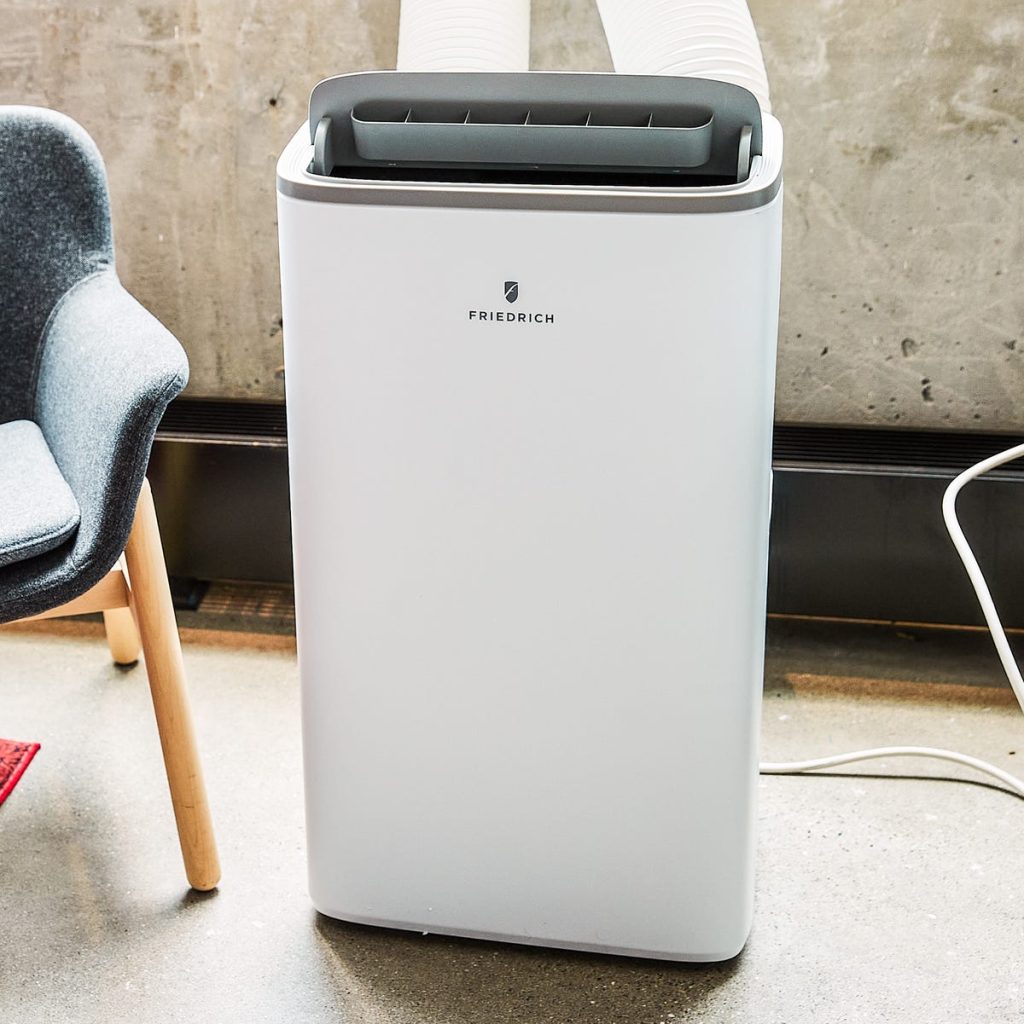
Are you wondering how much power your portable air conditioner uses and how it affects your electricity bill? You’re not alone.
Knowing the energy consumption of these handy cooling devices can help you save money and choose the right unit for your space. You’ll discover exactly how portable air conditioners use power, what factors influence their energy use, and simple tips to keep your cooling costs low.
Keep reading to take control of your comfort without surprises on your next bill.

Credit: www.forbes.com
Portable Ac Power Basics
Portable air conditioners use electricity to cool rooms. Knowing their power use helps manage energy bills.
These units vary in size and power needs. Understanding power basics lets you choose the right model.
Typical Wattage Range
Most portable ACs use between 800 and 1500 watts. Smaller units use less power, larger ones use more.
Wattage depends on the unit’s cooling capacity and features. Fans and compressors affect energy use.
- Small units: about 800 watts
- Medium units: around 1000 to 1200 watts
- Large units: up to 1500 watts
Btu Ratings And Power Use
BTU stands for British Thermal Unit. It measures how much heat a unit can remove per hour.
Higher BTU means more cooling but more electricity used. Match BTU size to your room for best efficiency.
| BTU Rating | Room Size | Approximate Wattage |
|---|---|---|
| 8000 BTU | Small (up to 200 sq ft) | 800 – 900 W |
| 10000 BTU | Medium (200-350 sq ft) | 950 – 1100 W |
| 12000 BTU | Large (350-550 sq ft) | 1100 – 1400 W |

Credit: www.amazon.ca
Factors Affecting Energy Consumption
Portable air conditioners use different amounts of power based on several factors. These factors decide how much electricity your unit will consume.
Understanding these factors helps you use the air conditioner efficiently and save energy.
Room Size Impact
The size of the room affects how much power the air conditioner uses. Bigger rooms need more cooling power.
If the unit is too small for the room, it runs longer, using more energy. A properly sized unit cools faster and saves power.
- Large rooms need higher BTU units
- Small rooms use less power with smaller units
- Oversized units can waste energy by cycling on and off
Thermostat Settings
The thermostat setting controls the target temperature. Lower temperatures make the air conditioner work harder.
Setting the thermostat a few degrees higher can reduce power use. The unit will run less and save energy.
- Lower temperature means more energy use
- Higher temperature saves power and keeps air comfortable
- Use energy-saving mode if available
Usage Duration
The longer you run the portable air conditioner, the more energy it uses. Continuous use means more power consumption.
Shorter and intermittent use helps reduce electricity bills. Turning off the unit when not needed saves power.
- Long run times increase energy use
- Turn off when room is empty
- Use timers to limit operation time
Energy Efficiency Ratings
Portable air conditioners use electricity to cool a room. Energy efficiency ratings help measure how well they use power. These ratings show how much cooling you get for each unit of electricity.
Knowing energy efficiency can save you money on electric bills. It also helps reduce your environmental impact by using less energy.
Eer Explained
EER stands for Energy Efficiency Ratio. It tells you how many BTUs of cooling the unit gives per watt of power used. A higher EER means the air conditioner uses less electricity for the same cooling.
For example, an air conditioner with an EER of 10 uses less power than one with an EER of 8. This helps you pick a model that saves energy and costs less to run.
Comparing Models
Different portable air conditioners have different EER scores. Checking these scores helps you find the most efficient model. You can compare power use and cooling size to make a smart choice.
| Model | Cooling Capacity (BTU) | Power Use (Watts) | EER |
|---|---|---|---|
| Model A | 10,000 | 1,000 | 10 |
| Model B | 10,000 | 1,250 | 8 |
| Model C | 12,000 | 1,200 | 10 |

Credit: www.jackery.com
Cost Of Running Portable Acs
Portable air conditioners use electricity to cool your space. Knowing how much power they use helps you manage your bills.
Running costs depend on the AC’s power rating and how long you use it. Let’s look at how to calculate these costs.
Calculating Electricity Costs
Find the power consumption in watts on your portable AC’s label. This number shows how much energy it uses per hour.
To estimate cost, multiply the watts by hours used, then divide by 1000 to get kilowatt-hours (kWh). Multiply kWh by your electricity rate.
- Power in watts (W) × Hours used = Wh
- Wh ÷ 1000 = kWh
- kWh × Cost per kWh = Total cost
Peak Vs Off-peak Usage
Electricity prices often change during the day. Peak hours cost more because many people use power at once.
Using your portable AC during off-peak hours saves money. Off-peak times usually happen late at night or early morning.
- Peak hours: Higher electricity cost
- Off-peak hours: Lower electricity cost
- Shift usage to off-peak to reduce bills
Ways To Reduce Power Usage
Portable air conditioners can use a lot of electricity. You can lower their power use with some simple changes. Saving energy helps reduce bills and protects the environment.
Below are easy tips for installation, maintenance, and smart use. These steps keep your air conditioner running well and use less power.
Proper Installation Tips
Correct setup makes your portable air conditioner work better and save power. Follow these tips to install it the right way.
- Place the unit near a window for easy venting.
- Seal gaps around the vent hose to stop hot air entering.
- Keep the unit away from direct sunlight and heat sources.
- Use a level surface so the unit can drain properly.
- Make sure the room is well insulated to keep cool air in.
Maintenance Practices
Regular care keeps your air conditioner running smoothly. Clean and check parts often to reduce power use and avoid breakdowns.
| Maintenance Task | How Often | Why It Helps |
| Clean or replace air filters | Every 2 weeks | Improves airflow and efficiency |
| Check and clear vent hose | Monthly | Prevents air blockages and overheating |
| Inspect for leaks or cracks | Every 3 months | Stops cool air from escaping |
| Clean the condenser coils | Every 6 months | Helps remove heat better |
Smart Usage Habits
How you use your portable air conditioner makes a big difference. These habits help lower power use while keeping you cool.
- Set the temperature to 78°F (26°C) or higher for energy savings.
- Use a timer to run the unit only when needed.
- Close doors and windows to keep cool air inside.
- Turn off the unit if you leave the room for a long time.
- Use fans to help spread cool air more efficiently.
Alternatives To Portable Acs
Portable air conditioners use a lot of power. There are other ways to cool your room. These options may save energy and money.
Below are two common alternatives to portable AC units. Each has its own benefits and drawbacks.
Window Units
Window air conditioners fit into a window frame. They cool a room by pushing hot air outside. These units usually use less power than portable ACs.
- Window units are fixed in place and do not need venting hoses.
- They are often more efficient for cooling single rooms.
- Installation requires a suitable window and some tools.
- They can block natural light or window views.
Evaporative Coolers
Evaporative coolers use water to cool the air. They work best in dry climates. These coolers use much less electricity than AC units.
| Feature | Evaporative Cooler | Portable AC |
| Power Use | Low (100-300 watts) | Higher (800-1500 watts) |
| Cooling Method | Water evaporation | Refrigerant-based |
| Best Climate | Dry and hot | Any climate |
| Humidity Effect | Increases indoor humidity | Reduces indoor humidity |
Frequently Asked Questions
How Much Electricity Does A Portable Ac Consume?
A portable air conditioner typically uses between 800 to 1500 watts per hour. Usage depends on the model and cooling capacity. Energy-efficient models consume less power, helping reduce electricity bills. Always check the wattage on the unit’s label for precise consumption.
Does Portable Ac Use More Power Than Window Units?
Portable ACs generally consume more power than window units of similar capacity. This is due to their design and cooling method. However, portable units offer flexibility and ease of installation, which some users prefer despite slightly higher energy use.
Can Portable Ac Run On A Standard Home Outlet?
Yes, most portable air conditioners run on a standard 110-120V home outlet. They typically require a dedicated circuit to avoid overloads. Always check the manufacturer’s electrical requirements before plugging in the unit.
How To Reduce Power Usage Of Portable Acs?
To reduce power use, set the thermostat to a moderate temperature like 78°F. Ensure the room is well insulated and doors/windows are closed. Regularly clean the filters and maintain the unit for optimal efficiency.
Conclusion
Portable air conditioners offer convenience with varied power consumption. Choosing the right unit can save energy. Check energy ratings before buying. Consider room size too. Smaller rooms need less power. Larger spaces demand more. Adjust settings to match room conditions.
Energy-efficient models often cost less to run. Regular maintenance boosts efficiency. Clean filters ensure optimal performance. Portable units can be an effective solution. Understand power usage to manage bills. Stay cool without surprise costs. Enjoy comfort and savings together.