Do you ever wonder how much power your microwave oven uses? You’re not alone.
Many people are curious about the energy consumption of this common kitchen appliance. Understanding how much electricity your microwave uses can help you manage your energy bills better and make more informed decisions about your household appliances. Imagine knowing exactly what that quick zap of your leftovers costs you each time.
It’s not just about saving money; it’s about gaining control over your energy use and contributing to a more sustainable environment. Stay with us to uncover the facts about your microwave’s power usage and discover tips on how to optimize its efficiency without sacrificing convenience.
Microwave Oven Power Ratings
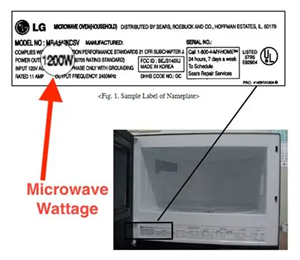
Understanding the power ratings of your microwave oven is key to knowing how much energy it consumes and how quickly it cooks your food. These ratings, usually measured in watts, tell you the strength of the microwave’s cooking power. Knowing this helps you pick the right model for your needs and manage your electricity use efficiently.
Typical Wattage Levels
Most microwave ovens you find in stores range between 600 and 1200 watts. Lower wattage models, around 600-800 watts, are often compact and suitable for simple reheating tasks. Higher wattage microwaves, closer to 1000-1200 watts, cook food faster and more evenly.
Think about your own microwave: have you noticed how long it takes to heat a cup of coffee? A 700-watt microwave might take twice as long as a 1000-watt one. This difference impacts your daily routine and energy consumption.
Variations By Model And Size
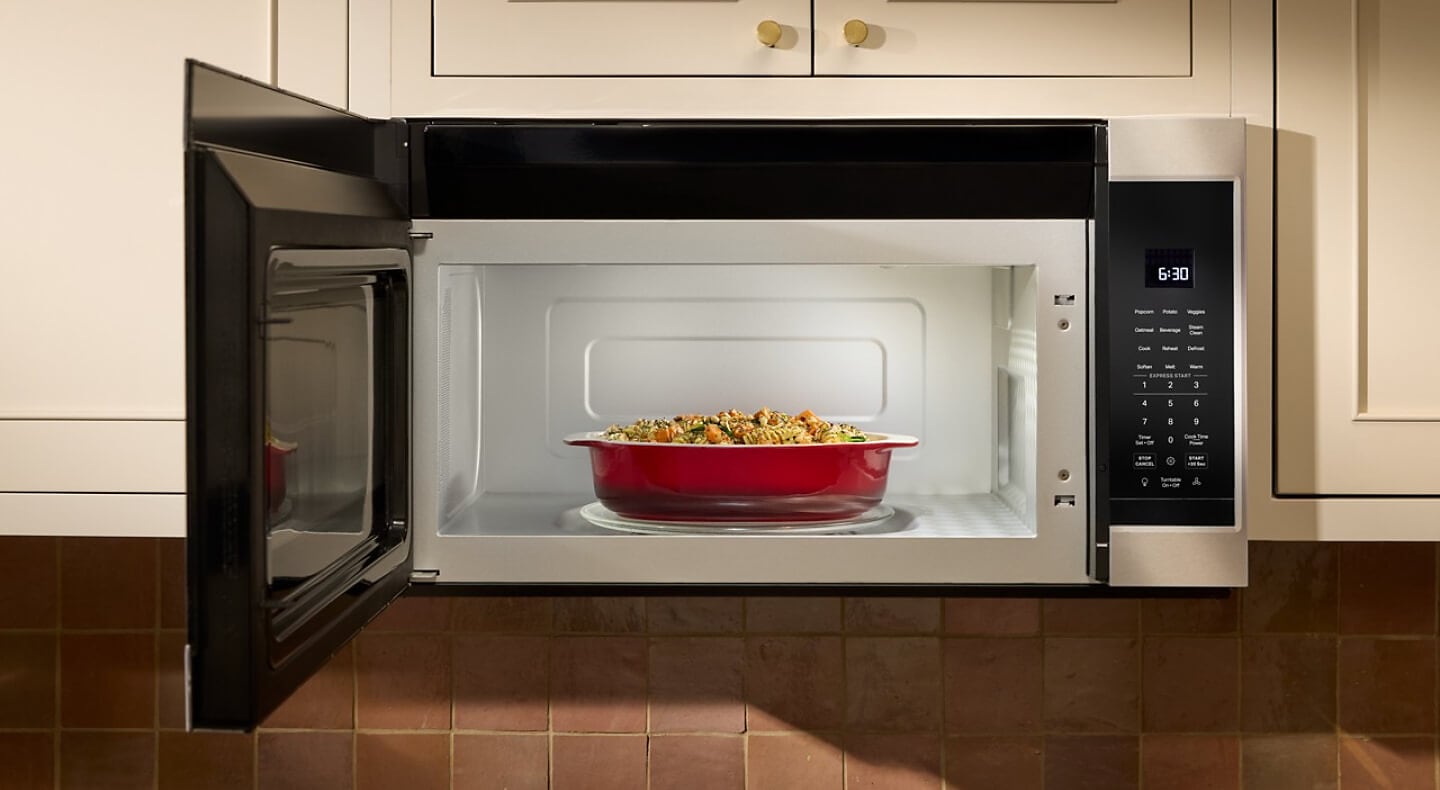
The size and design of a microwave heavily influence its power rating. Small, countertop models usually have lower wattage to fit limited space and use less electricity. Larger or built-in microwaves often come with higher wattage to handle bigger portions and more complex cooking functions.
Some advanced models include variable power settings or inverter technology, which adjusts the power output for precise cooking. This means you can save energy by not always running the microwave at full power. Have you ever noticed your microwave’s power settings? Using lower settings can extend the life of your appliance and reduce your energy bill.
Credit: www.kitchenaid.com
Energy Consumption During Use
Understanding how much power a microwave uses helps manage household energy costs. Microwaves consume energy mainly when cooking. Some power is also used in standby mode. Knowing these details helps reduce unnecessary electricity use.
Power Draw While Cooking
Microwave ovens use between 600 and 1200 watts during operation. The exact power depends on the model and cooking settings. High power settings use more electricity but cook food faster. Lower power settings save energy but take longer. Most microwaves cycle their magnetron on and off to maintain temperature. This causes power draw to vary during cooking.
Standby Power Usage
Microwaves consume a small amount of power when not cooking. This standby power keeps the clock and control panel active. Typical standby power ranges from 1 to 5 watts. Though low, standby power adds to total energy use over time. Unplugging the microwave stops all standby power consumption.
Factors Affecting Microwave Energy Use
Understanding the factors affecting microwave energy use helps manage electricity bills. Several elements influence how much power a microwave consumes during operation. These include the settings used and the type of food being cooked. Knowing these can help optimize microwave use for energy efficiency.
Cooking Time And Power Settings
Microwaves use different power levels to cook food. Higher power settings use more electricity but cook food faster. Lower power settings save energy but need longer cooking times. Cooking time also directly affects energy use. Longer cooking times mean more electricity consumption. Choosing the right power setting can balance cooking speed and energy use.
Food Type And Quantity
The type of food affects microwave energy use. Dense or thick foods take more time and energy to heat. Foods with high water content cook faster and use less energy. The amount of food also matters. Larger quantities need longer cooking times and more power. Smaller portions cook quicker and use less electricity.
Credit: www.kitchenaid.com
Comparing Microwaves To Other Appliances
Understanding how a microwave oven compares to other kitchen appliances can help you make smarter choices about energy use. Many people wonder if microwaves really save power or if other devices might be more efficient. Let’s dive into some clear comparisons to give you a better idea.
Energy Use Vs. Conventional Ovens
Microwaves generally use between 600 to 1200 watts of power, depending on the model and settings. Conventional ovens, on the other hand, often consume between 2000 to 5000 watts. This means microwaves typically use less than half the energy of traditional ovens during cooking.
Because microwaves heat food faster, they spend less time running, which further cuts down energy consumption. Have you noticed how quickly your microwave can heat leftovers compared to waiting for an oven to preheat and cook? That speed translates directly into energy savings.
Efficiency Advantages
Microwaves heat food by exciting water molecules directly, which means less wasted heat. Conventional ovens heat the air inside the chamber first, so much of the energy escapes, especially if you open the door frequently.
Here’s a quick look at efficiency differences:
| Appliance | Power Use (Watts) | Cooking Time | Energy Efficiency |
|---|---|---|---|
| Microwave Oven | 600–1200 | 2–10 minutes | High (direct heating) |
| Conventional Oven | 2000–5000 | 20–60 minutes | Lower (indirect heating) |
| Toaster Oven | 1200–1800 | 5–15 minutes | Moderate |
By choosing a microwave for suitable tasks, you can reduce your kitchen’s energy footprint. What meals do you think you could switch from oven to microwave without sacrificing taste or texture?
Tips To Reduce Microwave Energy Use
Reducing the energy your microwave uses can make a noticeable difference on your electricity bill and help you use your appliance more sustainably. Small changes in how you cook and care for your microwave add up over time. Let’s look at some practical tips that can help you cut down on energy without sacrificing convenience.
Optimizing Cooking Practices
Think about the size and quantity of food you heat. Microwaving smaller portions or unevenly sized items often wastes energy because the microwave runs longer than necessary. Try to cook in batches and cover your food to retain heat, which speeds up the process.
Using the right power setting is another simple way to save energy. High power is not always needed; lowering the power and increasing the cooking time can be more efficient for reheating or gentle cooking. Have you ever noticed how some foods heat faster when you stir them halfway through? Stirring ensures even heating and cuts down on time the microwave runs.
Maintenance For Efficiency
Keeping your microwave clean is key. Food splatters absorb energy, forcing the microwave to work harder. Wipe down the interior regularly to maintain optimal performance.
Check the door seal for any damage or gaps. A tight seal traps microwaves inside, improving cooking efficiency and safety. If your microwave has a turntable, ensure it spins freely—this helps food cook evenly and quickly, reducing energy use.
Calculating Cost Of Microwave Usage
Calculating the cost of using your microwave oven is simpler than you might think. Understanding this helps you manage your energy expenses better and decide if your current habits are cost-effective. Let’s break down the key factors so you can see exactly where your money goes when you heat up a meal.
Estimating Electricity Costs
To find out how much electricity your microwave uses, start by checking its wattage. Most microwaves range between 600 to 1200 watts. Multiply the wattage by the number of hours you use it to get the total energy consumed in kilowatt-hours (kWh).
Electricity bills charge you per kWh, so if your microwave runs for 15 minutes (0.25 hours) at 1000 watts (1 kW), it uses 0.25 kWh.
| Wattage (kW) | Usage Time (hours) | Energy Used (kWh) |
|---|---|---|
| 1.0 | 0.25 | 0.25 |
Next, multiply the energy used by your local electricity rate. If your rate is $0.12 per kWh, then 0.25 kWh costs you $0.03. It’s easy to see that each microwave session is quite affordable, but frequent use adds up.
Long-term Energy Savings
Have you considered how small changes in microwave use can save you money over months or years? Using the microwave instead of a conventional oven can save energy because it cooks food faster and with less power.
Try defrosting food in the microwave rather than letting it thaw naturally. This saves both time and energy. Also, covering your food while microwaving helps cook it more evenly, reducing the need for reheating.
- Use microwave-safe covers to trap heat
- Cook multiple items at once when possible
- Choose microwave cooking over oven baking for small meals
Have you tracked your microwave usage recently? Knowing your patterns can reveal opportunities to cut back and save. Even small adjustments can reduce your energy bill noticeably over time.

Credit: www.allelcoelec.com
Frequently Asked Questions
How Much Electricity Does A Microwave Oven Use?
A typical microwave oven uses between 600 to 1200 watts of power. Energy consumption varies by model and cooking time. Short cooking periods use less electricity, while longer use increases power consumption. Understanding this helps manage your energy bills effectively.
What Factors Affect Microwave Power Usage?
Microwave power depends on wattage, cooking duration, and food quantity. Higher wattage models cook faster but consume more electricity. Frequent or prolonged use increases power consumption. Energy-efficient microwaves optimize power use while maintaining cooking performance.
How To Calculate Microwave Energy Consumption?
To calculate energy use, multiply microwave wattage by cooking time in hours. For example, a 1000-watt microwave running for 0. 5 hours uses 0. 5 kWh. This helps estimate electricity costs and manage household energy efficiently.
Does Microwave Size Impact Power Consumption?
Yes, larger microwaves often have higher wattage, using more power. However, cooking efficiency and duration also influence total energy use. Choosing the right size for your needs can reduce unnecessary electricity consumption.
Conclusion
Microwave ovens usually use between 600 and 1200 watts. This depends on the model and size. Using less power saves energy and lowers bills. Cooking time also affects total power use. Choosing the right microwave helps balance power and efficiency.
Knowing how much power your microwave uses is smart. It helps you cook better and save money. Simple steps can make a big difference in energy use. Keep this in mind for your next meal prep.