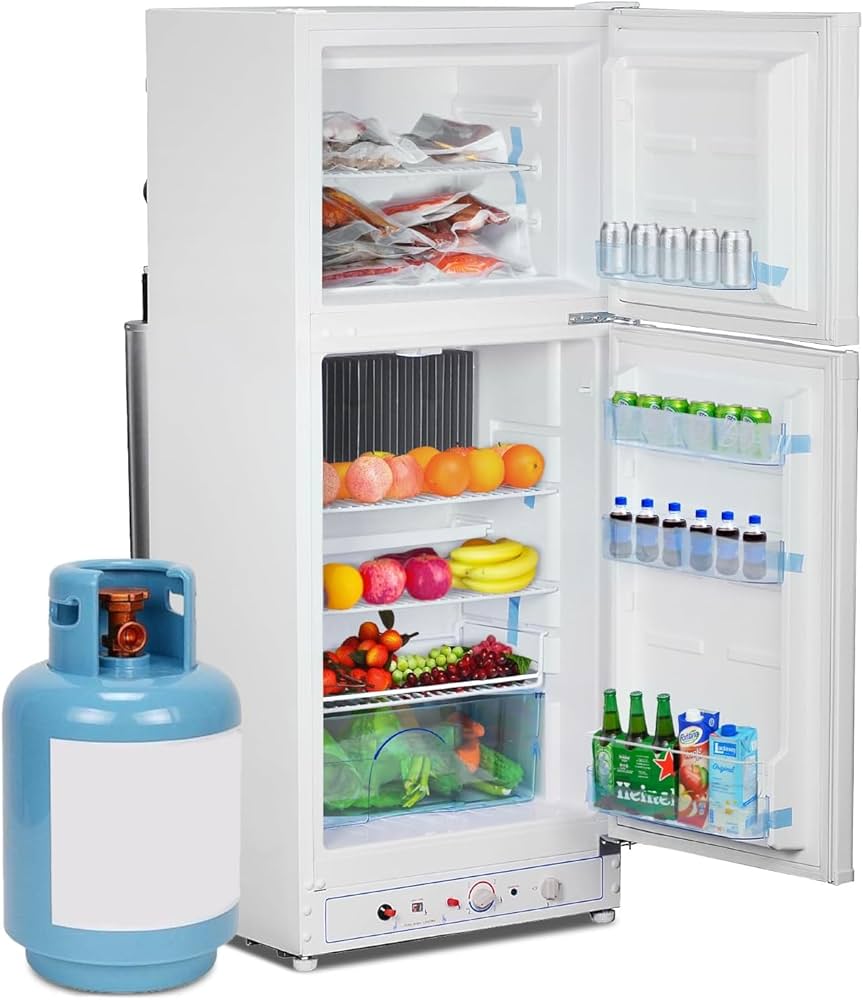
Are you considering investing in a propane refrigerator, but feeling a bit unsure about how much propane it actually uses? You’re not alone.
Understanding propane consumption is crucial for both your budget and your peace of mind. Imagine enjoying a camping trip or living off-grid without the constant worry about your fridge running out of fuel. That’s the kind of freedom you can achieve with the right information.
You’ll discover exactly how much propane a refrigerator typically uses, helping you plan more effectively and make informed decisions. Keep reading to get the clarity you need and ensure your next adventure or home setup runs smoothly.
Propane Refrigerator Basics
Propane refrigerators offer a practical cooling solution without electricity. They work quietly and efficiently, making them popular for cabins, RVs, and off-grid living. Understanding their basics helps in managing propane use effectively. This section explains how these refrigerators operate and highlights the main types available.
How Propane Refrigerators Work
Propane refrigerators use a process called absorption cooling. They do not have a compressor like electric fridges. Instead, heat from burning propane drives a chemical reaction. This reaction moves heat out of the fridge, keeping the inside cool.
The main parts include:
- Burner: Burns propane to create heat.
- Absorber: Moves heat and cools the inside.
- Refrigerant: Circulates to absorb and release heat.
This system runs silently and without electricity. It is ideal where power sources are limited or unreliable.
Types Of Propane Refrigerators
Propane refrigerators come in several types. Each suits different needs and spaces.
- Absorption Refrigerators:The most common type. They use a mix of water, ammonia, and hydrogen gas.
- 3-Way Refrigerators:Can run on propane, electricity, or 12-volt DC power.
- Portable Propane Refrigerators:Small and lightweight, perfect for camping.
Choosing the right type depends on usage, space, and power availability.

Credit: www.amazon.com
Factors Affecting Propane Consumption
Understanding the factors that influence propane consumption in a propane refrigerator can help you manage fuel use more efficiently. Propane use varies widely depending on several key elements. Knowing these can save you money and ensure your fridge runs smoothly during your trips or off-grid living.
Size And Capacity
The size of your propane refrigerator plays a big role in how much propane it uses. Larger models with bigger capacities consume more fuel because they have to maintain a cooler temperature over a bigger space.
If you only need a fridge for essentials, a smaller unit can significantly reduce propane use. Think about what you really need to store before choosing a size—it could cut your fuel costs.
Frequency Of Use
How often you open and close your fridge impacts propane consumption. Every time the door opens, warm air enters, making the fridge work harder to cool down again.
If you find yourself opening the fridge multiple times a day, propane use will spike. Try to plan your access to the fridge to keep fuel use minimal.
Ambient Temperature
The temperature around your propane refrigerator affects how hard it has to work. In hotter environments, the fridge uses more propane to maintain a cool inside temperature.
Have you noticed your fridge working harder on hot days? That’s because the external heat forces the cooling system to run more frequently, increasing propane consumption.
Insulation Quality
Good insulation keeps the cold air inside and reduces propane use. If your fridge has poor insulation, it loses cool air quickly, causing the system to run longer.
Check the seals and insulation regularly. Improving insulation can lower propane consumption and keep your food fresher longer.
Average Propane Usage Rates
Understanding the average propane usage rates for a propane refrigerator can help you manage fuel efficiently and avoid unexpected shortages. Propane consumption varies based on the refrigerator’s size, model, and how often it runs. Knowing these rates helps you plan your propane supply better, especially if you rely on your fridge during camping trips or in off-grid living.
Daily Consumption Estimates
On average, a propane refrigerator uses between 0.5 to 1.5 pounds of propane per day. Smaller models designed for RVs or cabins tend to consume less, closer to the 0.5-pound mark. Larger or older refrigerators might use closer to 1.5 pounds daily due to less efficient insulation or cooling systems.
Your usage will also depend on ambient temperature and how often you open the fridge door. For example, on hot days, the fridge works harder, increasing propane consumption. Have you noticed your fridge running more during summer? That’s a clear sign propane use goes up with temperature.
Monthly And Annual Usage
Multiplying daily use by 30 gives a rough monthly estimate. Expect to use about 15 to 45 pounds of propane per monthfor continuous operation. Annual consumption will then range from 180 to 540 pounds, depending on your fridge’s efficiency and usage patterns.
Here’s a quick reference table to visualize this:
| Daily Usage (pounds) | Monthly Usage (pounds) | Annual Usage (pounds) |
|---|---|---|
| 0.5 | 15 | 180 |
| 1.0 | 30 | 360 |
| 1.5 | 45 | 540 |
Knowing these numbers helps you decide the size of propane tanks you need. Are you ready to calculate your own propane budget based on these figures?

Credit: www.amazon.com
Measuring Propane Usage
Measuring propane usage in your propane refrigerator is essential to managing fuel efficiently and avoiding unexpected runouts. Understanding how much propane your fridge consumes can help you plan refills better and optimize your energy use. Let’s look at practical ways you can track this consumption accurately.
Using Propane Gauges
Propane gauges are simple tools that show the amount of propane left in your tank. They come in analog and digital forms, with digital ones offering more precise readings.
Installing a gauge on your tank lets you see real-time propane levels. This helps you avoid surprises, especially during long trips or off-grid stays. Some gauges also connect to apps, giving you alerts on your phone.
Keep in mind, not all gauges are equally accurate. Check reviews or user feedback before buying one. A reliable gauge can save you both time and money.
Tracking Consumption Over Time
Another effective way to measure propane usage is by tracking how much you use over days or weeks. Note the tank level at the start and end of a period to calculate consumption.
Creating a simple log can reveal patterns in your fridge’s propane use. For instance, you might notice higher consumption during hotter months or when the fridge door is opened frequently.
Have you ever wondered how small changes in usage habits impact your propane needs? Tracking this data helps you make informed decisions to extend your propane supply.
Improving Efficiency
Improving the efficiency of your propane refrigerator can significantly cut down on fuel use and extend the time between refills. Small changes in how you care for and use your fridge can make a big difference in propane consumption. Let’s look at practical ways you can get the most out of your propane supply while keeping your food fresh and your power bills low.
Proper Maintenance Tips
Regular maintenance keeps your propane refrigerator running smoothly and uses less fuel. Clean the burner and vents frequently to prevent blockages that waste propane. Check for leaks in the propane lines, as even a small leak can increase fuel use without noticeable effects on cooling.
Inspect the door seals often. If the seals are cracked or worn out, cold air escapes, making the fridge work harder. Replacing faulty seals can immediately reduce propane consumption and improve cooling performance.
Optimizing Temperature Settings
Setting your refrigerator temperature too low will waste propane without improving food preservation. Aim for a temperature around 37-40°F (3-4°C) for the fridge compartment and 0°F (-18°C) for the freezer. These settings keep food safe while minimizing fuel use.
Experiment with your fridge’s thermostat to find the sweet spot where it cools well but doesn’t cycle too often. If you notice your propane use spikes after adjusting the temperature, try increasing it slightly and monitor the effect on your food’s freshness.
Reducing Heat Exposure
Heat around your propane refrigerator forces it to work harder and use more fuel. Position your fridge away from direct sunlight and heat sources like ovens or heaters. Using reflective panels or shade can lower the temperature around the fridge, improving efficiency.
Opening the fridge door frequently lets cold air out and warm air in, making the appliance use more propane to cool back down. Plan what you need before opening the door and keep visits short. Have you noticed how just a few extra seconds with the door open affects your fridge’s performance?
Cost Implications
Understanding the cost implications of running a propane refrigerator can help you manage your budget better, especially if you’re off-grid or camping. Propane use directly affects your fuel expenses, and comparing these costs to electric refrigerators reveals practical choices for your lifestyle. Let’s break down the details so you can decide what fits your needs and wallet.
Calculating Fuel Expenses
Propane refrigerators typically consume about 1 to 2 pounds of propane every 24 hours. Depending on the price of propane in your area, this can add up quickly or stay surprisingly affordable.
For example, if propane costs $3 per gallon and 1 gallon weighs about 4.2 pounds, running your fridge for a day might cost around $0.70. Over a month, that’s roughly $21, which you can compare to your total energy budget.
Don’t forget to factor in how often you refill your propane tank, and any seasonal price fluctuations. Knowing these numbers helps you avoid surprises on your bill.
Comparing To Electric Refrigerators
Electric refrigerators often seem cheaper to run, especially if you have access to grid power. However, if you rely on a generator or solar power, the cost can rise.
Electric models use between 100 to 800 kWh annually, depending on size and efficiency. At an average electricity rate of $0.13 per kWh, your electric fridge could cost between $13 and $104 per year.
Ask yourself if your location and lifestyle make propane or electricity more accessible and affordable. Sometimes the convenience of propane outweighs the slightly lower running cost of electric models.
Safety And Environmental Considerations
Using a propane refrigerator involves careful attention to both safety and environmental impact. Propane is a flammable gas, so handling it with caution is essential. Also, understanding its effects on the environment helps reduce harm. These considerations protect your health and the planet.
Safe Handling Of Propane
Always store propane tanks upright and in a well-ventilated area. Keep them away from heat sources and open flames. Check for leaks regularly using soapy water on connections. Never use a flame to detect leaks.
Turn off the propane supply when the refrigerator is not in use. Use certified equipment and follow manufacturer instructions strictly. Avoid smoking or sparks near propane tanks. If you smell gas, leave the area immediately and seek help.
Environmental Impact Of Propane Use
Propane burns cleaner than many other fossil fuels, producing less carbon dioxide. It emits fewer pollutants like sulfur dioxide and particulates. Despite this, propane is still a fossil fuel and releases greenhouse gases.
Proper maintenance of your propane refrigerator ensures efficient fuel use and less waste. Consider recycling old propane tanks through approved programs. Reducing propane consumption helps lower your carbon footprint.

Credit: www.amazon.com
Frequently Asked Questions
How Much Propane Does A Propane Refrigerator Use Daily?
A propane refrigerator typically uses about 1 to 2 pounds of propane per day. Usage depends on size, model, and ambient temperature. Efficient models consume less fuel, saving energy and costs. Proper maintenance also helps optimize propane consumption for longer use.
What Factors Affect Propane Usage In Refrigerators?
Propane usage varies with refrigerator size, insulation quality, and ambient temperature. Frequent door openings increase consumption. Older models use more propane than modern, energy-efficient ones. Location and ventilation also impact fuel efficiency. Regular maintenance ensures optimal propane use and reliable cooling.
Can Propane Refrigerators Run On Small Propane Tanks?
Yes, propane refrigerators can run on small tanks but for limited time. A 20-pound tank typically powers a fridge for 7 to 14 days. Usage depends on refrigerator efficiency and ambient conditions. Always monitor propane levels to avoid unexpected outages.
Is Propane Consumption Higher In Hot Climates?
Yes, propane consumption increases in hot climates. Higher temperatures cause the refrigerator to work harder to maintain coolness. This leads to more frequent propane burning. Choosing well-insulated models and keeping the fridge shaded reduces propane use in warm environments.
Conclusion
A propane refrigerator uses a small amount of propane daily. It depends on the fridge size and usage. On average, expect about one to two pounds of propane per day. This makes propane fridges good for off-grid living and camping.
Keep an eye on your propane level to avoid running out. Choosing the right fridge helps save fuel and money. Knowing how much propane you need keeps your food cold and fresh. Simple and efficient—propane refrigerators work well without electricity.