Are you curious about how much propane your refrigerator actually uses? Understanding this can save you money and ensure that you’re running your appliance as efficiently as possible.
Whether you’re living off the grid, camping, or simply love the convenience of a propane fridge, knowing its consumption is vital. Imagine the peace of mind you’ll have when you can predict how long your propane supply will last. You’ll discover all the essential insights about propane usage in refrigerators.
Get ready to learn tips and tricks that can help you optimize your energy use and avoid unexpected expenses. Stick around to uncover how you can make your propane last longer and keep your refrigerator running smoothly.
Propane In Refrigerators
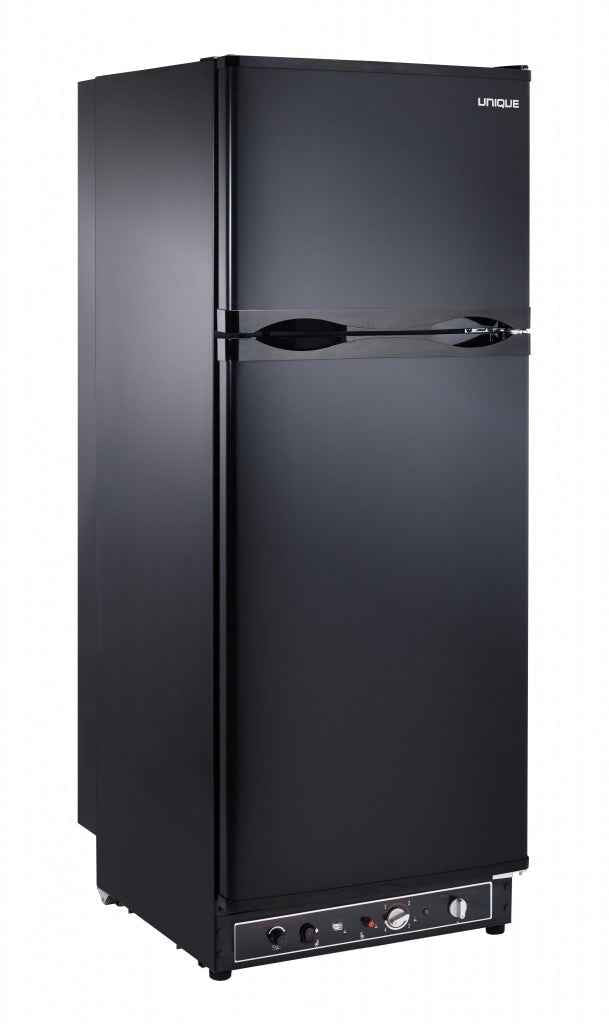
Propane refrigerators offer a unique way to keep food cold without electricity. They are popular in remote places, RVs, and cabins. These refrigerators use propane gas as their power source. This makes them ideal where electric power is limited or unavailable. Understanding how propane refrigerators work and the types available helps in choosing the right model.
How Propane Refrigerators Work
Propane refrigerators use a cooling process called absorption refrigeration. This process does not need a compressor or electricity. Instead, it uses heat from burning propane gas. The heat causes a mixture of ammonia, hydrogen, and water to move through the system. As the gases circulate, they absorb heat inside the fridge. This removes warmth from the fridge compartment, keeping food and drinks cold.
The main parts include a burner, a generator, a condenser, an evaporator, and an absorber. The burner heats the generator, which causes the refrigerant gases to separate. The gases then travel through the condenser and evaporator, cooling the fridge. The absorber collects the gases, restarting the cycle. This system runs quietly and reliably, making it perfect for places without power.
Types Of Propane Refrigerators
- Single Power Source:These fridges run only on propane. They are simple and efficient but need propane supply to work.
- Dual Power Source:These models can use propane or electricity. They switch power sources automatically. This feature adds flexibility and convenience.
- Portable Propane Refrigerators:Smaller and lightweight, designed for camping and travel. They provide cold storage on the go.
- Built-in Propane Refrigerators:These are larger and used in RVs or cabins. They are integrated into the living space and offer more capacity.

Credit: www.amazon.com
Measuring Propane Consumption
Understanding how much propane your refrigerator uses is key to managing your energy costs and ensuring efficient operation. Measuring propane consumption helps you anticipate refills and avoid unexpected outages. It also provides insight into how your appliance performs under different conditions.
Factors Affecting Usage
Several factors influence the amount of propane your refrigerator consumes. First, the size and model of the refrigerator matter. Larger or older models typically use more propane than newer, energy-efficient ones.
Another major factor is the ambient temperature. Higher outside temperatures make the fridge work harder, increasing propane use. Placement also plays a role—if your fridge sits in direct sunlight or near heat sources, expect higher consumption.
Your usage habits impact propane consumption too. Opening the fridge door frequently or leaving it open for long periods causes the appliance to use more fuel. Have you noticed how your propane runs out faster during summer trips? That’s a direct result of these factors combined.
Average Propane Usage Rates
Knowing average consumption rates gives you a benchmark to compare your fridge’s performance. On average, a propane refrigerator uses about 1 to 3 pounds of propane per day. This varies based on model and conditions but gives you a practical starting point.
| Refrigerator Size | Average Daily Propane Use |
|---|---|
| Small (up to 4 cu ft) | 1 – 1.5 pounds |
| Medium (4 to 8 cu ft) | 1.5 – 2.5 pounds |
| Large (over 8 cu ft) | 2.5 – 3 pounds |
Tracking your propane use regularly can reveal if your fridge is operating efficiently. If your consumption is consistently higher than average, it might be time to check for leaks or consider maintenance. How often do you check your propane levels? Making it a habit can save you time and money in the long run.
Comparing Energy Sources
Choosing the right energy source for your refrigerator is more than just a technical decision—it directly affects your budget, lifestyle, and even your environmental impact. Comparing propane and electric refrigerators can help you understand which fits your needs better. Let’s break down the differences so you can make an informed choice.
Propane Vs Electric Refrigerators
Propane refrigerators run on liquid propane gas, making them perfect for off-grid living or areas with unreliable electricity. They don’t rely on power outlets, which means they keep your food cold during power outages.
Electric refrigerators, on the other hand, use electricity to keep things cool. They come in a wide range of sizes and styles, and their performance tends to be more consistent in typical home settings.
Think about where you’ll use your fridge most. Are you camping or living in a cabin without electricity? Propane might be your best bet. For daily household use with steady power, electric usually wins for convenience.
Cost Efficiency Analysis
Propane refrigerators typically consume about 1 to 2 pounds of propane per day, depending on their size and usage. Considering propane prices fluctuate, your monthly cost can vary but often stays reasonable for remote locations.
Electric refrigerators’ energy consumption depends on their wattage and how often the compressor runs. On average, they use around 100 to 250 kWh per month. The cost depends on your local electricity rates.
| Energy Source | Average Daily Consumption | Estimated Monthly Cost | Best For |
|---|---|---|---|
| Propane | 1-2 lbs | $15 – $30 | Off-grid, power outages |
| Electric | 3-8 kWh | $20 – $50 | Urban, reliable power supply |
Have you considered how often you experience power outages or how accessible propane refills are in your area? These practical factors could tip the scale in favor of one energy source over the other. Your choice can save you money and hassle in the long run.

Credit: canadianoffgriddepot.com
Maximizing Propane Efficiency
Maximizing propane efficiency in your refrigerator saves fuel and reduces costs. Efficient propane use extends the time your fridge runs before needing a refill. Small changes make a big difference in propane consumption. Follow simple tips to keep your fridge running smoothly and efficiently.
Maintenance Tips
- Clean the burner and pilot light regularly to ensure proper flame.
- Check for leaks in propane lines and connections often.
- Inspect and replace worn seals on the refrigerator door to keep cold air inside.
- Defrost the fridge if ice buildup appears to improve cooling efficiency.
- Keep the fridge level to maintain proper gas flow and cooling performance.
Optimal Temperature Settings
Set the refrigerator temperature between 37°F and 40°F (3°C to 4°C). This range keeps food fresh without overworking the fridge.
Freezer compartments should be at 0°F (-18°C) for best results.
Lower temperatures use more propane and increase fuel consumption.
Adjust settings based on the amount of food inside to avoid excess cooling.
Savings Strategies
Saving propane while running a refrigerator helps lower fuel costs and reduces waste. Small changes in how you choose and use your fridge make a big difference. Focus on smart choices and simple tools to cut propane use.
Choosing The Right Size
Select a fridge size that fits your needs. A large fridge uses more propane than a smaller one. Avoid buying extra space you don’t need. Check the energy rating and pick models designed for propane efficiency.
Smaller fridges cool faster and keep temperature more stable. This lowers propane use over time. Match the fridge size to your household size and storage habits.
Using Energy-saving Accessories
Use accessories that help keep cold in and heat out. Insulated covers, door seals, and fans improve fridge efficiency. These tools reduce the time the fridge compressor runs.
- Install tight door gaskets to stop cold air from escaping.
- Use a fridge blanket or insulation wrap for extra thermal protection.
- Place a small fan inside to circulate cold air evenly.
Regular maintenance of these accessories keeps the fridge running smoothly. Clean coils and check seals often. This simple care reduces propane consumption and saves money.
Credit: canadianoffgriddepot.com
Environmental Impact
Understanding the environmental impact of propane refrigerators is important. Propane is a fossil fuel. Burning it releases gases that affect air quality and climate. This impact varies depending on usage and efficiency. Choosing the right appliance and fuel can reduce harm to the environment.
Propane Emissions
Propane produces carbon dioxide (CO2) when burned. CO2 is a greenhouse gas that traps heat in the atmosphere. Propane refrigerators emit less CO2 than some other fossil fuels, but emissions still exist. They also release small amounts of nitrogen oxides and carbon monoxide. These gases can contribute to air pollution.
Proper maintenance reduces emissions. A well-tuned propane fridge burns fuel more efficiently. Leaks in the propane system increase emissions and waste fuel. Regular checks ensure safe and clean operation.
Eco-friendly Alternatives
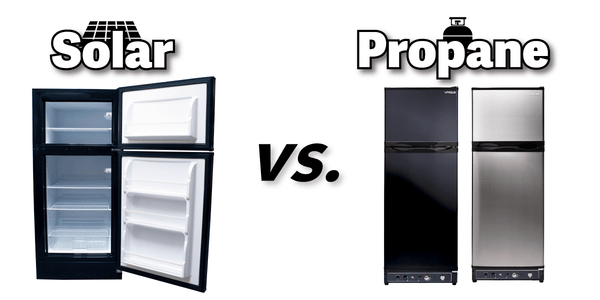
Solar-powered refrigerators use sunlight and produce no emissions. They work well in sunny areas and off-grid locations. Electric refrigerators powered by renewable energy are another option. Wind and hydroelectric power reduce environmental harm.
Energy-efficient models use less fuel or electricity. Look for appliances with good energy ratings. These refrigerators lower fuel use and emissions. Using alternative cooling methods, like ice packs, can also help reduce propane use.
Frequently Asked Questions
How Much Propane Does A Refrigerator Use Daily?
A propane refrigerator typically uses about 1 to 2 pounds of propane per day. Usage depends on the refrigerator size, temperature settings, and ambient conditions.
What Factors Affect Propane Consumption In Refrigerators?
Propane use varies based on refrigerator efficiency, insulation quality, ambient temperature, and usage frequency. Proper maintenance also reduces propane consumption.
Can Propane Refrigerators Run Efficiently In Cold Weather?
Yes, propane refrigerators operate efficiently in cold weather. However, extremely low temperatures may slightly increase propane consumption to maintain internal cooling.
How To Reduce Propane Usage In Refrigerators?
To reduce propane use, keep the door closed, maintain proper temperature settings, and ensure good insulation. Regular maintenance helps improve efficiency.
Conclusion
Knowing how much propane your refrigerator uses helps manage costs well. Small propane fridges use less fuel, saving money and energy. Regular checks keep the fridge running smoothly and avoid surprises. Choosing the right size fridge fits your needs and propane supply.
Stay aware of usage to plan refills on time. This simple knowledge keeps your fridge efficient and reliable.