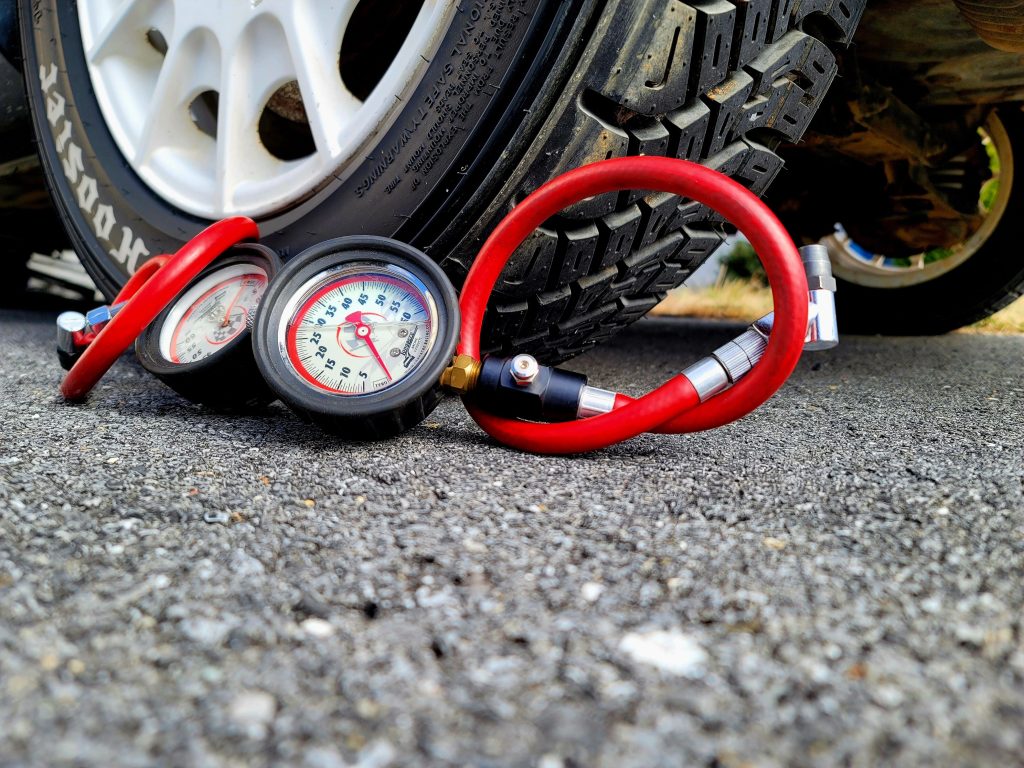
Have you ever wondered if your car tires have the right amount of air? Knowing how much PSI should be in a car tire is more important than you might think.
Too little or too much air can affect your safety, fuel efficiency, and how smoothly your car drives. You’ll discover the exact PSI you need, why it matters, and simple tips to keep your tires in perfect shape. Keep reading to make sure your car is ready for the road and you’re driving with confidence every time.
Credit: simpletire.com
Ideal Tire Pressure Range
Maintaining the right tire pressure is important for safety and performance. Tires with proper pressure last longer and handle better.
The ideal tire pressure usually falls within a specific range. This range depends on several key factors.
Factors Influencing Tire Psi
Tire pressure varies based on the vehicle type and road conditions. Temperature and load also affect the PSI needed.
- Vehicle weight and size
- Driving speed and style
- Outside temperature changes
- Type of road surface
- Amount of cargo in the vehicle
Manufacturer Recommendations
Car makers provide a recommended PSI range for tires. This info is usually found on a sticker inside the driver’s door.
| Vehicle Type | Recommended Tire Pressure (PSI) |
| Small Cars | 30-35 |
| Sedans | 32-36 |
| SUVs | 35-40 |
| Light Trucks | 35-45 |
Checking Tire Pressure
Maintaining the right tire pressure is important for safe driving. Too much or too little pressure can cause problems.
Checking your tire pressure regularly helps your tires last longer and improves fuel efficiency.
Tools Needed
You need a few simple tools to check your tire pressure correctly. These tools are easy to find and use.
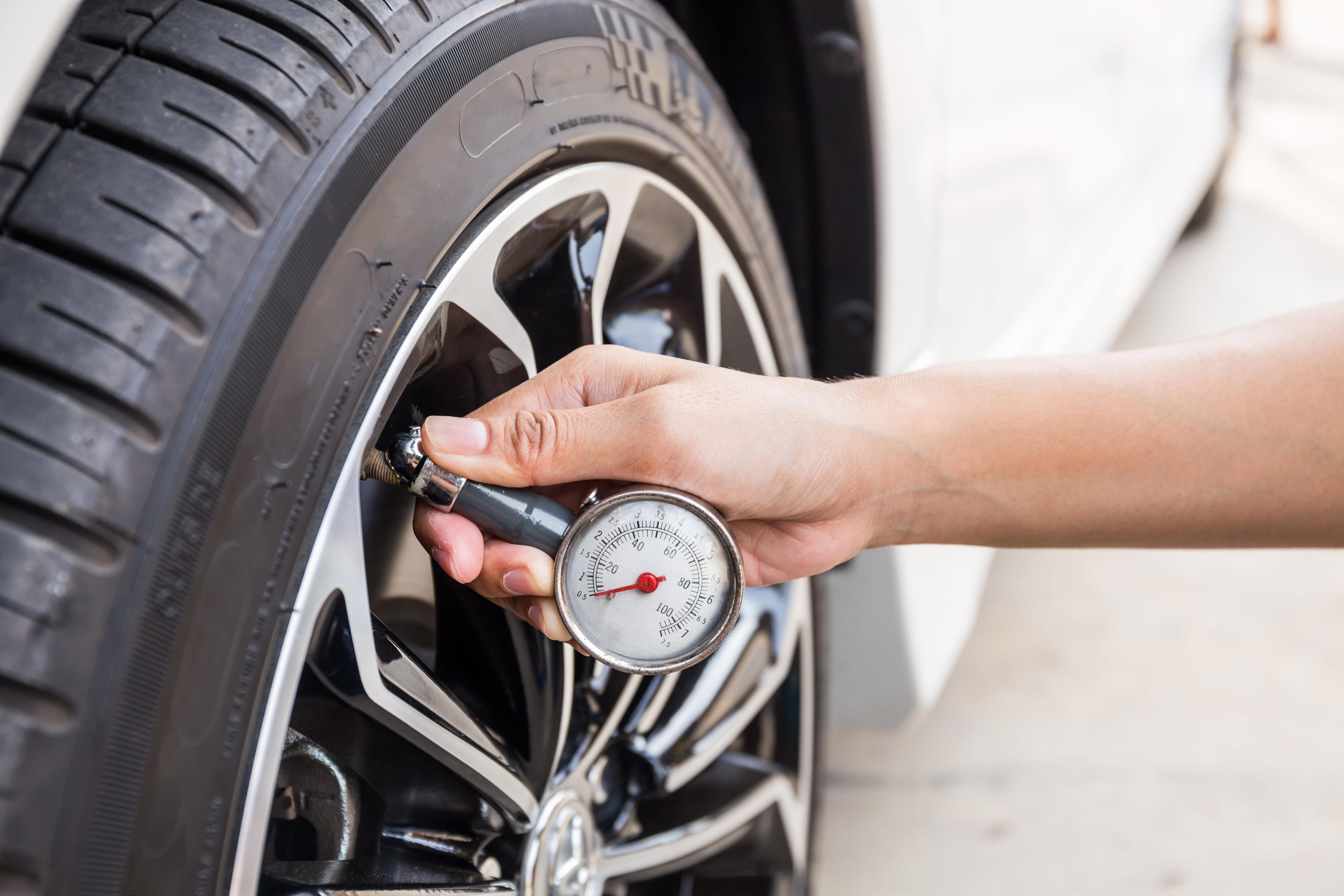
- Tire pressure gauge (digital or manual)
- Air compressor (optional, for adding air)
- Vehicle’s tire pressure information (usually in the door frame)
When To Check
Check your tire pressure at least once a month. Cold tires give the most accurate reading.
Also check pressure before long trips or when carrying heavy loads. Avoid checking right after driving.
Step-by-step Process
Follow these steps to check your tire pressure safely and accurately. It takes only a few minutes.
- Remove the valve cap from the tire.
- Press the tire pressure gauge onto the valve stem firmly.
- Read the pressure on the gauge.
- Compare the reading to the vehicle’s recommended pressure.
- Add air if the pressure is low using an air compressor.
- Release air if the pressure is too high by pressing the valve stem.
- Replace the valve cap securely.
- Repeat for all tires, including the spare tire.
Effects Of Incorrect Tire Pressure
Keeping the right tire pressure is key for your car’s performance. Wrong pressure can cause several problems. These affect fuel use, tire life, and safety.
This guide explains what happens when tire pressure is too low or too high. Learn how it impacts your car and why checking pressure is important.
Impact On Fuel Efficiency
Incorrect tire pressure changes how much fuel your car uses. Low pressure makes tires roll harder. This uses more fuel. High pressure can also cause uneven fuel use.
- Low pressure increases fuel consumption by up to 10%
- Overinflated tires may reduce grip and cause uneven wear
- Proper pressure helps tires roll smoothly and save fuel
Tire Wear Patterns
Wrong tire pressure leads to uneven tire wear. This shortens tire life and can cause damage. Each type of pressure error affects wear differently.
| Pressure Type | Wear Pattern | Effect |
| Underinflated | Wear on edges | Tires wear faster on sides |
| Overinflated | Wear in center | Center tread wears quickly |
| Correct pressure | Even wear | Longer tire life |
Safety Concerns
Wrong tire pressure can be dangerous. It affects handling and braking. Both underinflated and overinflated tires can cause accidents.
- Underinflated tires risk overheating and blowouts
- Overinflated tires have less grip and can skid
- Proper pressure improves control and stops safely
Credit: smoothcurb.com
Adjusting Tire Pressure
Keeping the right tire pressure is key for safety and tire life. Too much or too little air can cause problems.
This guide explains how to adjust tire pressure correctly for your car.
Inflating Tires Properly
Use a reliable pressure gauge to check the tire pressure. Inflate tires when they are cold for an accurate reading.
- Remove the valve cap from the tire.
- Press the gauge onto the valve stem.
- Note the reading and add air if needed.
- Check pressure again to confirm accuracy.
- Replace the valve cap after inflating.
Releasing Excess Air
If tire pressure is too high, release air carefully. Press the small pin inside the valve stem to let air out.
| Pressure Level | Action |
| Above Recommended PSI | Release Air Slowly |
| At Recommended PSI | No Action Needed |
| Below Recommended PSI | Inflate Tire |
Seasonal Adjustments
Tire pressure changes with the weather. Cold air lowers pressure, warm air raises it.
Follow these tips for seasonal pressure care:
- Check tire pressure monthly in cold months.
- Add 1-2 PSI in winter to offset pressure drops.
- Reduce pressure slightly in summer if tires feel too hard.
- Always check pressure before long trips.
Special Considerations
Knowing the right tire pressure is important for safety and tire life. Some factors change how much psi your tires need.
This guide covers key points to keep in mind for your car tires.
Handling Load And Passengers
Car tire pressure should increase when carrying heavy loads or many passengers. Extra weight puts more stress on tires.
- Check your car’s manual for load limits and tire pressure.
- Increase psi within recommended range for heavy loads.
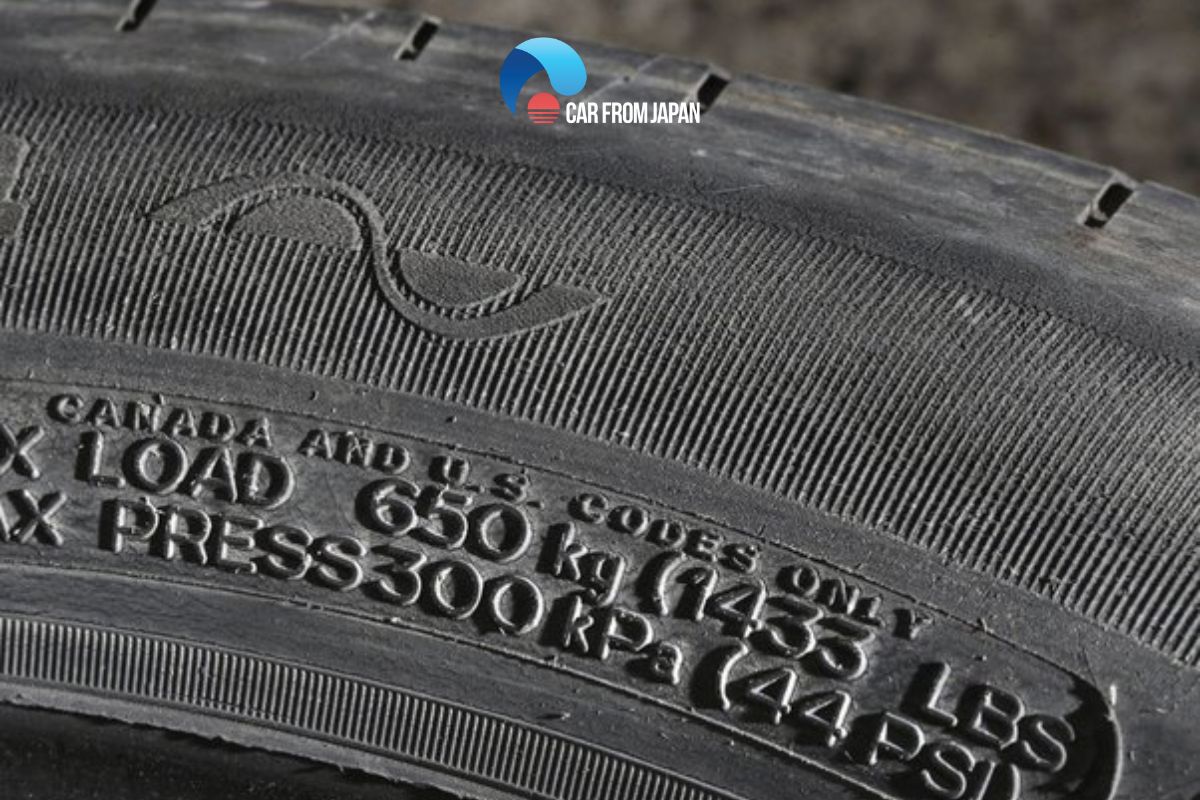
- Do not exceed the maximum tire pressure marked on the tire sidewall.
- Adjust pressure before driving, not when tires are hot.
Differences Between Front And Rear Tires
Front and rear tires often need different psi. Front tires carry more weight from the engine and steering.
| Tire Position | Typical Pressure Range (psi) | Reason |
|---|---|---|
| Front Tires | 32-35 | Support engine weight and steering |
| Rear Tires | 30-33 | Carry less weight, maintain stability |
Impact Of Temperature Changes
Temperature affects tire pressure. Cold air shrinks and lowers psi. Warm air expands and raises psi.
Tips for temperature changes:
- Check tire pressure when tires are cold for accuracy.
- Expect a drop of about 1 psi for every 10°F decrease.
- Do not overinflate tires in hot weather; check often.
- Use a reliable tire pressure gauge to monitor changes.
Credit: carfromjapan.com
Frequently Asked Questions
What Is The Ideal Psi For Car Tires?
The ideal PSI varies by vehicle but usually ranges from 30 to 35 PSI. Check your car’s manual or tire placard for exact numbers.
How Often Should I Check My Car Tire Psi?
Check your tire PSI at least once a month and before long trips. Proper pressure ensures safety and fuel efficiency.
Can Incorrect Tire Psi Affect Fuel Economy?
Yes, low tire pressure increases rolling resistance, lowering fuel efficiency. Maintaining correct PSI improves mileage and tire lifespan.
What Happens If Car Tire Psi Is Too High?
Overinflated tires can cause a harsh ride, uneven wear, and reduced traction. Always stick to manufacturer-recommended PSI levels.
Conclusion
Proper tire pressure keeps your car safe and saves fuel. Check your car’s manual for the right PSI number. Use a reliable gauge to measure tire pressure regularly. Avoid overinflating or underinflating tires to prevent wear and accidents. Keep tires at the recommended PSI for a smooth and comfortable ride.
Small steps like this help your car perform better and last longer. Tire care is simple but important for every driver. Don’t forget to check pressure before long trips or heavy loads. Your safety and car’s health depend on it.