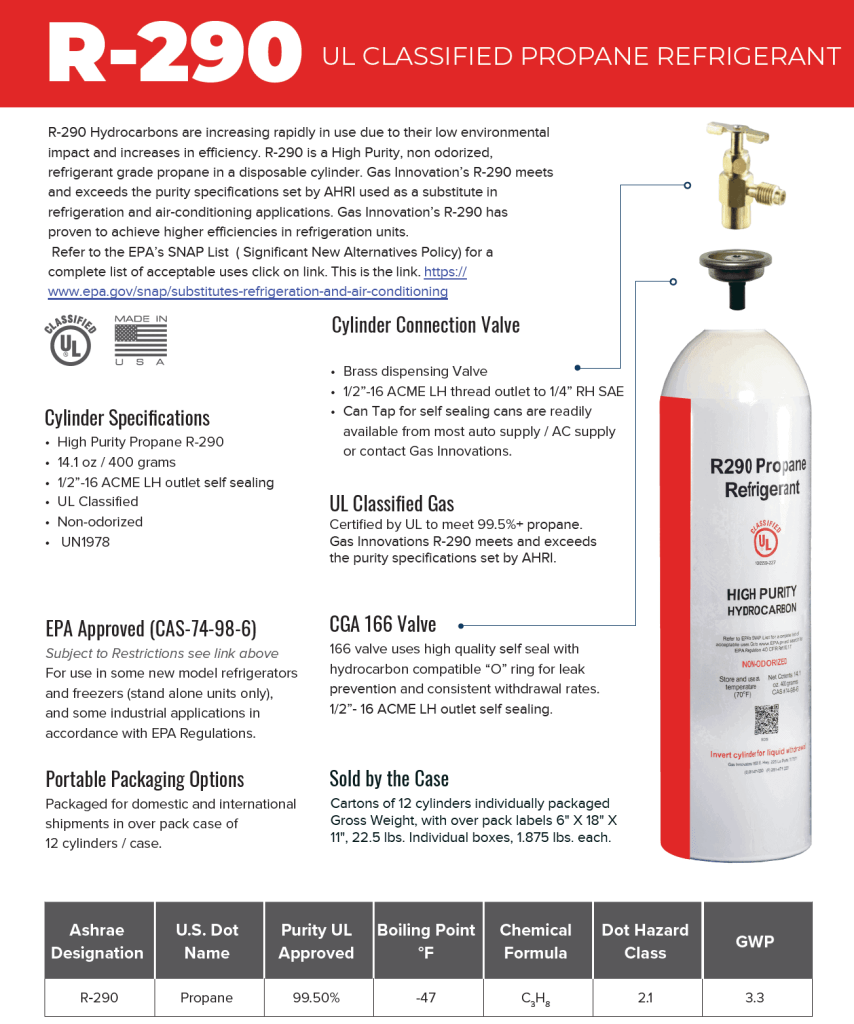
Are you wondering how much R290 refrigerant you actually need for your cooling system? Getting the right amount is crucial—not too little, not too much—to keep your equipment running smoothly and efficiently.
If you’ve ever felt confused about calculating the perfect charge or worried about wasting refrigerant, you’re in the right place. This guide will help you understand exactly how to determine the right quantity of R290 refrigerant, saving you time, money, and hassle.
Keep reading to get clear, simple answers tailored just for you.

Credit: www.ebay.com
R290 Refrigerant Basics
R290 refrigerant is gaining popularity in cooling systems worldwide. It is a natural refrigerant known for its efficiency and low environmental impact. Understanding its basics helps in determining the right amount needed for your application. This section covers essential details about R290 to guide your choices.
Properties And Benefits
- R290 is also called propane, a hydrocarbon refrigerant.
- It has low global warming potential (GWP), making it eco-friendly.
- R290 offers excellent thermodynamic properties for cooling.
- It operates efficiently at low pressures.
- It reduces energy consumption in refrigeration systems.
- R290 is non-toxic and safe when handled properly.
- It has good compatibility with lubricants and materials.
Common Applications
- Used in domestic refrigerators and freezers.
- Found in commercial refrigeration units like display cases.
- Applied in air conditioning systems for homes and offices.
- Used in heat pumps and other cooling equipment.
- Preferred in small to medium-sized refrigeration systems.
- Common in systems requiring low environmental impact.

Credit: www.amazon.com
Factors Affecting R290 Charge Amount
The amount of R290 refrigerant needed varies due to several key factors. These elements influence how much refrigerant a system requires to work efficiently and safely. Understanding these factors helps ensure the right charge for optimal cooling and energy use.
System Size And Type
Different systems need different amounts of R290. Larger systems require more refrigerant to fill the pipes and components. Smaller units use less. The system type also matters. For example, refrigerators and air conditioners have distinct designs and charge needs. Always match the refrigerant amount to the specific system size and type.
Ambient Temperature Effects
Temperature around the system impacts refrigerant charge. Higher outside temperatures may increase pressure inside the system. This can require a slight adjustment in the R290 amount. Cooler environments might need less refrigerant. Considering the ambient temperature ensures the system performs well under varying conditions.
Equipment Specifications
Each piece of equipment has a recommended R290 charge set by the manufacturer. These specs consider safety and performance. Using more or less than the specified amount can cause problems. It may reduce cooling efficiency or risk damage. Always follow the equipment’s guidelines for the best results.
Calculating The Right R290 Charge
Calculating the right amount of R290 refrigerant ensures safe and efficient system performance. Factors like system size and manufacturer guidelines help determine the exact charge needed. Accurate measurement prevents leaks and maintains optimal cooling.
Calculating the right R290 charge ensures your refrigeration system runs efficiently. Too much or too little refrigerant can affect performance. It can also lead to increased energy costs. Understanding how to measure the correct amount is crucial.Manufacturer Guidelines
Always refer to the manufacturer’s guidelines. These provide specific details for your system. The recommended charge amount is often included in the manual. Following these guidelines ensures optimal system performance. It also helps maintain the warranty.Using Charge Charts
Charge charts are valuable tools. They offer specific refrigerant amounts based on system variables. These charts consider factors like temperature and pressure. Using them helps achieve precise R290 charging. Always ensure the chart matches your system model.Measuring Tools And Techniques
Use proper tools to measure R290 accurately. Manifold gauges are essential for this task. They help check the refrigerant levels in the system. Digital scales are also beneficial for weighing the refrigerant. Ensure you use tools calibrated for accuracy.Safety Measures When Handling R290
Handling R290 refrigerant requires a strong focus on safety due to its flammable nature. You must be aware of specific precautions to protect yourself and others while working with it. Understanding these safety measures can prevent accidents and ensure a smooth refrigeration process.
Flammability Precautions
R290 is highly flammable, so controlling ignition sources is crucial. Avoid sparks, open flames, and smoking in the area where you handle the refrigerant.
Ensure good ventilation to prevent gas buildup. If you smell gas, evacuate immediately and ventilate the space thoroughly before returning.
Have a fire extinguisher rated for flammable gases nearby. Do you know where your nearest extinguisher is located?
Proper Storage And Transport
Store R290 cylinders upright in a cool, dry place away from heat and direct sunlight. This helps maintain stability and reduces the risk of leaks.
Transport cylinders securely to avoid tipping or damage. Use appropriate carriers and avoid rough handling to keep your refrigerant safe.
Never store R290 near oxidizers or incompatible chemicals. Mixing these can cause dangerous reactions.
Protective Gear Recommendations
Wear flame-resistant gloves and safety goggles to protect your hands and eyes from accidental exposure.
Consider using a face shield if working in confined spaces. It adds an extra layer of protection against splashes and gas exposure.
Respiratory protection may be necessary if ventilation is poor. Have a suitable mask ready, but always prioritize fresh air and ventilation first.
Common Mistakes In Charging R290
Charging R290 refrigerant correctly is crucial for your system’s safety and efficiency. Many people make mistakes that can lead to serious problems, from equipment damage to safety hazards. Understanding the common errors helps you avoid costly repairs and ensures your system runs smoothly.
Overcharging Risks
Adding too much R290 refrigerant can cause your system to work harder than it should. This overpressure may lead to compressor failure or even leaks due to weakened seals. Have you ever noticed your AC making strange noises or not cooling properly after a refill? Overcharging might be the culprit.
Besides mechanical issues, overcharging increases the risk of fire since R290 is flammable. Always follow manufacturer guidelines and use precise measuring tools to avoid adding excess refrigerant.
Undercharging Consequences
Not putting enough R290 refrigerant sounds safer but can be just as harmful. Your system will struggle to reach the desired temperature, leading to poor cooling performance. Think about the last time your fridge or AC didn’t cool well — undercharging might have been the cause.
Low refrigerant levels also force the compressor to run longer, which wears it out faster. This can increase your energy bills and shorten your system’s lifespan. Avoid guessing the amount of refrigerant; use scales or gauges to get it right.
Avoiding Leaks
Leaks are one of the most common problems when charging R290. Even a tiny leak can let flammable gas escape, creating a dangerous environment. Do you routinely check your connections and hoses for wear or damage before charging?
Using proper tools and tightening fittings carefully can prevent leaks. Always perform a leak test after charging, and never ignore the faint smell of gas or unusual system behavior. Staying vigilant protects both your equipment and your safety.
Tips For Optimizing System Performance
Optimizing your R290 refrigerant system helps it run smoothly and saves energy. Small actions can improve cooling and extend equipment life. Focus on simple care and correct adjustments for best results.
Regular Maintenance
Keep the system clean and free from dust and debris. Check filters often and replace them when dirty. Clean coils improve heat exchange and reduce energy use. Tighten loose connections to avoid leaks and damage. Schedule professional checkups yearly to find hidden issues early.
Monitoring Pressure Levels
Check the refrigerant pressure regularly with a gauge. Correct pressure keeps the system balanced and efficient. Low pressure means a leak or low refrigerant charge. High pressure can cause overheating and damage. Use pressure charts to compare readings with normal values for R290.
Adjusting Charge For Efficiency
Ensure the refrigerant charge matches the system size and design. Overcharging wastes energy and risks compressor damage. Undercharging lowers cooling power and stresses parts. Add or remove R290 slowly while watching pressure levels. Use manufacturer guidelines or expert advice for the right amount.
Environmental Impact Of R290
Understanding the environmental impact of R290 refrigerant is crucial when deciding how much to use. This refrigerant offers a more eco-friendly alternative to traditional options, but it’s important to know why it’s considered better for the planet. Let’s break down its benefits and what you should keep in mind about disposal and recycling.
Low Global Warming Potential
R290, also known as propane, has a very low Global Warming Potential (GWP). Its GWP is around 3, compared to hundreds or thousands for older refrigerants. This means it contributes far less to climate change if released into the atmosphere.
Because of this low GWP, using R290 helps reduce your carbon footprint significantly. If you care about minimizing environmental harm, choosing R290 is a practical step.
Disposal And Recycling Practices
Proper disposal and recycling of R290 are essential to protect the environment. While R290 is less harmful, releasing it uncontrolled can still cause problems.
Make sure you handle old or excess R290 refrigerant through certified recycling centers. These facilities recover and reuse the refrigerant safely, preventing any leaks or harmful emissions.
- Never vent R290 directly into the air.
- Use recovery machines designed for hydrocarbons.
- Follow local regulations for refrigerant disposal.
Have you checked with your local waste management about safe refrigerant disposal? Taking this simple step ensures you do your part in keeping the environment safe.

Credit: www.ebay.com
Frequently Asked Questions
How Do I Calculate R290 Refrigerant Charge?
Calculate R290 charge by checking appliance specs or service manual. Use system volume and manufacturer guidelines for accuracy. Overcharging or undercharging can harm efficiency and safety.
What Factors Affect R290 Refrigerant Quantity?
Factors include system size, compressor type, pipe length, and ambient temperature. Proper charge ensures optimal cooling and safety. Always follow manufacturer recommendations.
Can I Use R290 Refrigerant In Any Ac Unit?
No, only use R290 in compatible units designed for hydrocarbons. Using it in incompatible systems risks leaks and fire hazards. Always check manufacturer compatibility.
How Often Should R290 Refrigerant Be Refilled?
Refill R290 only when system pressure drops or cooling declines. Proper maintenance minimizes leaks. Regular checks ensure efficient and safe operation.
Conclusion
Knowing the right amount of R290 refrigerant is important for your system. Using too much or too little can cause problems. Always check the manufacturer’s guidelines for exact amounts. Proper charging helps your system run safely and efficiently. If unsure, ask a professional for help.
This keeps your equipment working well and lasts longer. Taking care with refrigerant amounts saves money and energy. Simple steps make a big difference in performance. Keep your cooling system balanced for best results.