
Ever wondered how much refrigerant your RV air conditioner really needs? You’re not alone.
Many RV enthusiasts find themselves scratching their heads over this crucial detail. It’s more than just a number; it’s about ensuring your comfort on the road, preserving the lifespan of your unit, and saving money in the long run. Imagine cruising down the highway, confident that your air conditioning system is running efficiently.
By understanding the right amount of refrigerant, you can enjoy cooler, stress-free travels. Stick around, and we’ll dive into the specifics, so you can keep your RV at the perfect temperature, no matter where your adventures take you.
Rv Air Conditioner Basics
Understanding the basics of your RV air conditioner is crucial before you dive into questions about refrigerant levels. Knowing how these units work and the types available can help you maintain your system better and ensure a cool, comfortable ride. Let’s break down the essentials so you can handle your RV’s cooling needs with confidence.
Types Of Rv Air Conditioners
There are several types of air conditioners designed specifically for RVs, each with unique features to suit different needs.
- Roof-Mounted Units:These are the most common and sit atop the RV roof. They save interior space and usually provide strong cooling power.
- Portable Air Conditioners:These units can be moved around inside your RV. They’re flexible but often less powerful and may take up valuable floor space.
- Window-Mounted Units:Less common in RVs but still an option for some models. They require a window or vent opening and can be easier to install than roof units.
Knowing which type you have helps you understand how much refrigerant it might need and how to maintain it properly.
How Refrigerant Works
Refrigerant is the lifeblood of your RV air conditioner. It’s a special fluid that absorbs heat from inside your RV and releases it outside, making the air cooler.
Inside the unit, the refrigerant cycles through different parts:
- Evaporator Coil:Here, the refrigerant absorbs heat, turning from liquid to gas.
- Compressor:This part squeezes the gas, raising its pressure and temperature.
- Condenser Coil:The hot gas releases heat outside and turns back into liquid.
If your refrigerant level is too low, your air conditioner won’t cool properly. Have you ever noticed your RV’s AC struggling on hot days? That’s often a sign it needs a refrigerant check.
Factors Affecting Refrigerant Amount
The amount of refrigerant in an RV air conditioner varies. Several key factors influence the required refrigerant level. These factors ensure the AC cools efficiently and safely. Understanding them helps maintain your RV’s comfort.
Ac Unit Size And Capacity
AC units come in different sizes and cooling capacities. Larger units need more refrigerant to operate properly. Small units use less refrigerant because they cool smaller spaces. The capacity is often measured in BTUs (British Thermal Units). Higher BTU units have bigger compressors and coils. These parts hold more refrigerant. Choosing the right size avoids overcharging or undercharging refrigerant.
Rv Size And Insulation
The size of the RV affects refrigerant needs. Bigger RVs require more cooling power, needing more refrigerant. Good insulation helps keep the inside temperature steady. Well-insulated RVs lose less cool air. This can reduce the refrigerant needed to maintain comfort. Poor insulation makes the AC work harder. It may require more refrigerant to keep cool.
Climate And Usage
Hot and humid climates demand more from the RV air conditioner. The AC runs longer and harder in such weather. This usage can affect refrigerant levels over time. Frequent use may lead to refrigerant loss through leaks or wear. Cooler climates put less strain on the AC system. Adjusting refrigerant based on climate helps maintain performance and efficiency.
Typical Refrigerant Quantities
Knowing the typical refrigerant quantities for your RV air conditioner is essential for maintaining its efficiency and avoiding costly repairs. The amount of refrigerant varies widely depending on the size and cooling capacity of the unit. Understanding these differences helps you ensure your system runs smoothly, especially during those hot summer trips.
Small Rv Units
Small RV air conditioners usually require between
If you notice your unit struggling to cool or running longer than usual, low refrigerant might be the cause. Checking the refrigerant level can save you from unexpected breakdowns on the road.
Mid-size Rv Units
Mid-size RV air conditioners typically hold around
During a recent trip, I realized my mid-size AC was undercharged after feeling less cool air. Adding the correct refrigerant amount brought the temperature back to a comfortable level quickly.
Large Rv Units
Large RV air conditioners can require
Maintaining the right refrigerant quantity in large units is critical. Too little refrigerant can cause the compressor to overwork, while too much can reduce cooling efficiency.
Checking Refrigerant Levels
Checking refrigerant levels in your RV air conditioner is crucial to keep it running efficiently. Low refrigerant can cause poor cooling performance and even damage the system. Regularly monitoring these levels helps you avoid unexpected breakdowns during your trips.
Signs Of Low Refrigerant
You might notice your RV air conditioner is not cooling as well as it used to. The airflow could feel weaker, or the unit might run longer without reaching the desired temperature. Sometimes, you may hear unusual noises or see ice forming on the coils.
Have you ever felt the AC blowing warm air on a hot day? That’s a clear sign something’s off. Pay attention to these symptoms early to prevent costly repairs.
Tools For Measurement
To check refrigerant levels accurately, you’ll need a few basic tools. A manifold gauge set is essential for measuring pressure inside the AC system. You can also use a digital refrigerant leak detector to spot leaks that cause low levels.
Using these tools correctly requires some practice. If you’re comfortable with simple DIY tasks, watching a few tutorials might help you get started safely.
When To Call A Professional
If you detect low refrigerant but don’t have the tools or experience to handle it, calling a professional is the best choice. Handling refrigerants improperly can be dangerous and may void your warranty.
Professionals can also check for leaks and ensure the system is sealed correctly. Think about your safety and the longevity of your RV’s AC when deciding whether to DIY or get expert help.
Adding Refrigerant Safely
Adding refrigerant to your RV air conditioner requires care and attention. Handling refrigerant improperly can damage the system or even cause injury. Knowing how to add refrigerant safely ensures your AC runs efficiently and keeps your RV comfortable without risking harm.
Required Equipment
- Refrigerant Gauge Set:Essential for measuring pressure and ensuring the correct refrigerant amount.
- Refrigerant Canister:Use the type specified by your RV AC manufacturer, commonly R-410A or R-22.
- Hose with Valve:Connects the refrigerant can to the AC system for controlled release.
- Protective Gear:Safety glasses and gloves protect you from accidental refrigerant exposure.
- Leak Detector:Optional but helpful to check for leaks before adding refrigerant.
Step-by-step Process
Start by turning off the RV’s power and locating the low-pressure service port on your AC unit. Connect the refrigerant gauge hose securely to this port.
Open the refrigerant can valve slowly to let the gas flow into the system. Watch the gauge closely and stop adding refrigerant once the recommended pressure level is reached. Avoid overcharging; too much refrigerant can harm your AC.
Disconnect the hose carefully to prevent refrigerant escape. Finally, power on the AC and monitor its cooling performance to confirm the charge is correct.
Safety Precautions
- Always wear safety glasses and gloves to avoid skin and eye contact with refrigerant.
- Work in a well-ventilated area to prevent inhaling harmful fumes.
- Never add refrigerant while the system is running; it can cause pressure spikes and injury.
- Check for leaks before and after charging to ensure no refrigerant escapes into the environment.
- Follow manufacturer guidelines exactly—using the wrong refrigerant type or amount can damage your AC.
Have you ever noticed your RV AC struggling to cool on a hot day? Adding refrigerant safely might be the fix you need, but it demands respect for the process and proper tools. Are you ready to take control of your RV comfort without compromising safety?

Credit: www.rvacunit.com
Common Refrigerant Types For Rvs
Choosing the right refrigerant is key for RV air conditioners. Different types serve different needs and systems. Knowing common refrigerants helps maintain your RV’s cooling system properly. This knowledge also helps in repairs or upgrades.
R-22
R-22 was a popular refrigerant for many years. It cools effectively and works well in older RV systems. R-22 is being phased out due to environmental laws. It can harm the ozone layer. Finding R-22 today is harder and more expensive.
R-410a
R-410A is a newer refrigerant. It is safer for the environment than R-22. R-410A offers better cooling performance. Many modern RV air conditioners use it. It works at higher pressures and requires compatible equipment.
Environmental Considerations
Refrigerants impact the environment in different ways. Some harm the ozone layer and contribute to global warming. Newer refrigerants focus on reducing these effects. Proper handling and recycling prevent leaks. Always use the right type to protect the planet and your RV system.
Maintaining Your Rv Ac System
Keeping your RV air conditioning system in top shape is key to enjoying cool comfort during your travels. Regular maintenance not only extends the life of your unit but also ensures it runs efficiently, saving you from unexpected breakdowns and costly repairs. Paying attention to simple upkeep tasks can make a big difference in how much refrigerant your system uses and retains.
Regular Inspections
Check your RV AC system often for signs of wear or damage. Look closely at hoses, connections, and the compressor for leaks or cracks. Catching small issues early can prevent refrigerant loss and keep your system running smoothly.
Ask yourself: Have you noticed any unusual noises or reduced cooling? These can be warning signs that your system needs a thorough check.
Cleaning Tips
Keep your AC unit clean to improve airflow and efficiency. Remove dirt and debris from the condenser coils and filters regularly. A clogged filter forces the system to work harder, which can increase refrigerant consumption.
Use a soft brush or vacuum to clean the fins gently, avoiding any damage. Clean components help your RV AC perform better and use refrigerant more effectively.
Preventing Leaks
Leaks are a major cause of refrigerant loss in RV air conditioners. Inspect seals and joints closely, especially around fittings and valves. Tighten or replace any parts that seem loose or worn out.
Consider using a leak detection kit or consulting a professional if you suspect a leak but can’t locate it. Maintaining a sealed system keeps refrigerant where it belongs, ensuring your AC cools efficiently.

Credit: www.rvacunit.com
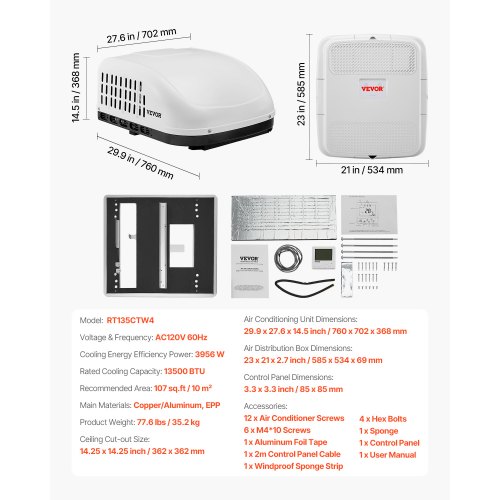
Credit: www.vevor.com
Frequently Asked Questions
How Much Refrigerant Does An Rv Air Conditioner Need?
Most RV air conditioners require between 1. 5 to 2 pounds of refrigerant. This varies by model and size. Always check your unit’s manual for exact specifications to ensure optimal performance and avoid damage.
Can I Add Refrigerant To My Rv Ac Myself?
Yes, you can add refrigerant if you have the proper tools and knowledge. However, improper handling can damage the system. It’s often safer to hire a professional HVAC technician for best results.
How Do I Know If My Rv Ac Needs More Refrigerant?
Signs include poor cooling, ice buildup on coils, and unusual noises. Low refrigerant levels reduce efficiency. If you notice these, have a technician check the refrigerant charge promptly.
What Type Of Refrigerant Is Used In Rv Air Conditioners?
Most RV air conditioners use R-410A refrigerant. This type is efficient and environmentally safer than older refrigerants. Always confirm the correct refrigerant type in your unit’s specifications.
Conclusion
Knowing the right amount of refrigerant keeps your RV air conditioner working well. Too little or too much refrigerant can cause problems. Always check your RV’s manual for exact details. Regular maintenance helps avoid costly repairs later. A properly charged system cools better and saves energy.
Taking care of your RV’s AC means more comfort on the road. Keep your travels cool and enjoyable every time. Simple steps make a big difference in performance. Remember, a little attention goes a long way.