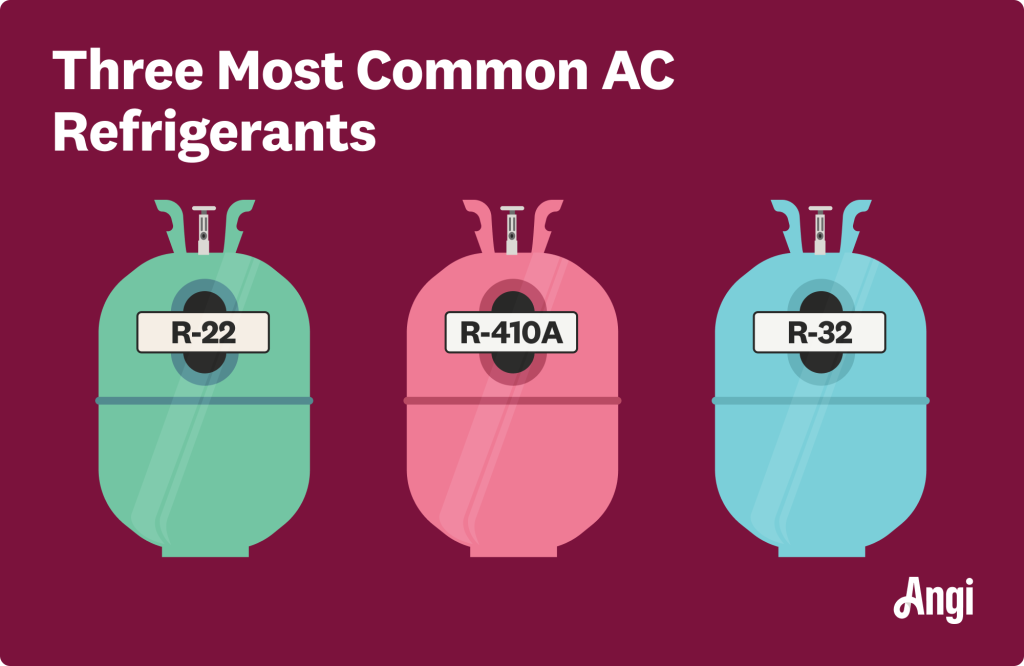
Are you sweating over your home’s cooling performance? It might be time to check how much refrigerant your AC really needs.
Understanding the right amount of refrigerant for your home AC isn’t just about comfort—it’s about efficiency, cost savings, and extending the life of your unit. You might be surprised at how a simple tweak can make a huge difference. Imagine slashing your electricity bill while enjoying a perfectly cooled home.
Intrigued? Dive in as we unravel the mystery of refrigerant levels and empower you to keep your home at the perfect temperature all year round.
Factors Affecting Refrigerant Amount
Understanding the factors that affect how much refrigerant your home AC needs can save you time and money. The right amount ensures your system runs efficiently and keeps your home comfortable. Let’s break down what influences this crucial detail so you can make informed decisions about your cooling system.
Ac Unit Size And Type
The size and type of your AC unit play a major role in determining the refrigerant amount. Larger units generally require more refrigerant, but the exact amount depends on the model and design.
For example, a central air conditioner for a big house uses more refrigerant than a small window unit. Different types like split systems or packaged units also vary in their refrigerant needs.
Have you checked your AC’s specifications lately? The manufacturer’s guide usually lists the exact refrigerant charge your unit requires.
Home Size And Insulation
The bigger your home, the more refrigerant your AC might need to cool it efficiently. But it’s not just about size; how well your home is insulated affects refrigerant demand too.
If your walls and attic trap heat, the AC has to work harder, sometimes needing more refrigerant to maintain the desired temperature. On the other hand, a well-insulated home helps the AC work smarter, not harder.
Think about your home’s insulation quality—could improving it reduce your AC’s workload and refrigerant use?
Climate And Weather Conditions
Where you live greatly influences the refrigerant amount needed. Hotter climates demand more from your AC to keep your home cool, often requiring a higher refrigerant charge.
Humidity also plays a part, as moist air requires more cooling power. In contrast, cooler or milder climates might allow for a lower refrigerant charge.
Consider your local weather patterns—are heatwaves common enough to impact how you set up your AC system?

Credit: atlasacrepair.com
Signs Of Incorrect Refrigerant Levels
Incorrect refrigerant levels in your home AC can cause various issues that affect comfort and efficiency. Recognizing these signs early can save you from costly repairs and high energy bills. Here’s how you can spot when your AC’s refrigerant isn’t quite right.
Poor Cooling Performance
Have you noticed your home isn’t cooling as well as it used to? Low or high refrigerant levels can reduce your AC’s ability to cool air effectively. The system struggles to maintain the temperature you set, leaving rooms warmer than expected.
Sometimes, the air feels less cold even though the fan runs continuously. This often signals your refrigerant is not at the right level. Checking this can prevent you from sweating through another hot day.
Increased Energy Bills
Unexpected spikes in your electricity bill can be a red flag. When refrigerant levels are off, your AC works harder to cool your home. This extra effort uses more energy, which reflects directly on your monthly bill.
If your usage pattern hasn’t changed but your energy costs have, consider inspecting refrigerant levels. Catching this early helps avoid wasting money and energy unnecessarily.
Frozen Evaporator Coils
Ice buildup on your AC’s evaporator coils isn’t just an odd sight—it’s a clear sign something is wrong. Incorrect refrigerant levels cause the coils to get too cold, freezing moisture from the air around them.
You might hear unusual noises or notice less airflow when this happens. If you spot ice, it’s time to have your refrigerant checked to prevent damage to your system.
Measuring Refrigerant Charge
Measuring the refrigerant charge in your home AC is essential to ensure efficient cooling and avoid system damage. Too little or too much refrigerant can reduce performance and increase energy costs. Understanding how to measure the refrigerant charge helps you keep your AC running smoothly and extends its lifespan.
Using Pressure Gauges
Pressure gauges are common tools for measuring refrigerant levels. They connect to the AC system’s service ports and show the pressure in the refrigerant lines.
To use them effectively, compare the pressure readings with the manufacturer’s recommended values. These values vary depending on the outdoor temperature and the type of refrigerant used.
If you notice the pressure is too low or too high, your system might need a refrigerant top-up or leak repair. Have you checked your AC’s pressure gauges recently to catch issues early?
Temperature Difference Method
This method uses the temperature difference between the air entering and leaving the evaporator coil to estimate the refrigerant charge.
Typically, a difference of 16 to 22 degrees Fahrenheit indicates a proper charge. If the temperature difference is outside this range, your refrigerant level may be off.
Try measuring the air temperature yourself with a simple thermometer. This quick check can give you a strong hint about your AC’s refrigerant status without complex tools.
Professional Leak Detection
Leaks are the most common reason for refrigerant loss, so detecting them is crucial. Professionals use special tools like electronic leak detectors and UV dye to find even the smallest leaks.
Finding leaks early prevents refrigerant waste and costly repairs. If you suspect your AC isn’t cooling well despite normal pressure readings, a professional leak check is a wise choice.
Have you ever ignored a small leak only to face a bigger repair bill later? Catching leaks early saves money and keeps your home comfortable.
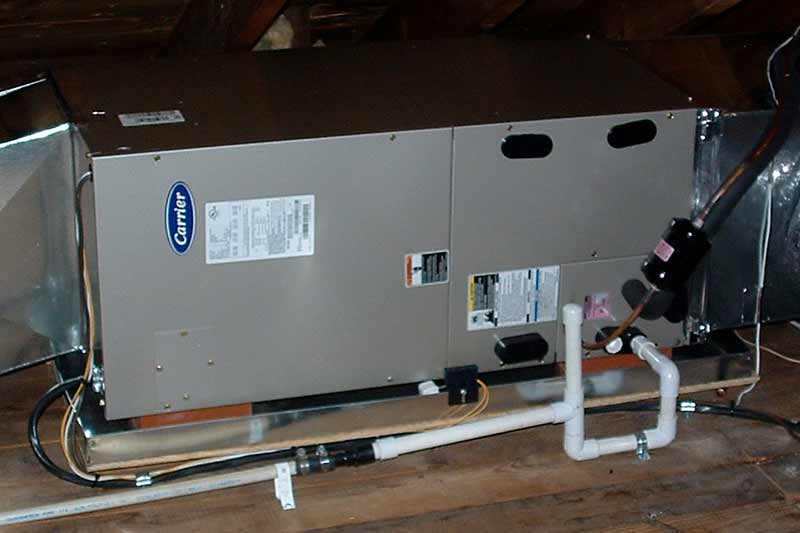
Credit: homeguide.com
Adding Refrigerant Safely
Adding refrigerant safely is key for your home AC’s performance. Too much or too little refrigerant harms the unit. Proper handling prevents damage and keeps you safe. Follow the right steps and use correct tools. This ensures a smooth and safe process.
Tools Required
- Refrigerant gauge set
- Refrigerant cylinder (correct type)
- Protective gloves and goggles
- Thermometer
- Leak detector
- Vacuum pump (if needed)
Step-by-step Process
- Turn off the AC and unplug it from power.
- Connect the gauge set to the low-pressure port.
- Check the current refrigerant pressure on the gauge.
- Open the refrigerant valve slowly to add refrigerant.
- Watch the pressure gauge carefully while adding.
- Stop adding when the pressure matches manufacturer’s specs.
- Close valves and disconnect the gauge set securely.
- Run the AC and verify cooling performance.
Safety Precautions
- Always wear gloves and eye protection.
- Work in a well-ventilated area to avoid gas buildup.
- Never mix different refrigerant types.
- Do not overcharge the system with refrigerant.
- Handle refrigerant cylinders upright and carefully.
- Keep refrigerant away from heat or flames.
- Dispose of old refrigerant according to local rules.
Common Mistakes To Avoid
Adding refrigerant to your home AC is not a simple task. Mistakes can cause damage and reduce cooling. Knowing what to avoid helps keep your system safe and efficient. Avoid these common errors to save money and stress.
Overcharging The System
Too much refrigerant harms your AC unit. It raises pressure inside pipes and can lead to leaks. The system works harder, using more energy. Overcharging causes ice build-up on coils, reducing cooling power. Always follow manufacturer guidelines for the correct amount.
Ignoring Leaks
Leaks let refrigerant escape, lowering cooling efficiency. Ignoring leaks means the system must work harder. This raises energy bills and risks more damage. Finding and fixing leaks early protects your AC and home. Use a professional to check and repair leaks.
Using Incorrect Refrigerant Type
Each AC model needs a specific refrigerant type. Using the wrong kind can damage components. It may cause poor cooling and safety risks. Always check your AC’s manual or label for the correct refrigerant. Never guess or use leftover refrigerant from other units.

Credit: atlasacrepair.com
Benefits Of Proper Refrigerant Levels
Maintaining the correct refrigerant level in your home AC is crucial. Proper refrigerant levels ensure the system operates smoothly and efficiently. The benefits go beyond just cooling your space. They help save energy and extend the life of your air conditioner.
Enhanced Cooling Efficiency
Correct refrigerant levels allow the AC to cool your home evenly. The system can remove heat from the air faster. This leads to a more comfortable indoor temperature. Your AC does not have to work harder than needed. It keeps the airflow steady and cool throughout your rooms.
Lower Energy Consumption
Proper refrigerant reduces the energy your AC uses. The compressor runs less often and for shorter times. This means your electricity bills will be lower. The system avoids wasting power on extra cooling cycles. Efficient energy use helps the environment as well.
Extended Ac Lifespan
When refrigerant levels are right, your AC faces less wear and tear. The compressor and other parts stay in good condition longer. This reduces the chance of breakdowns and costly repairs. A well-maintained system lasts many years, saving you money on replacements.
When To Call A Professional
Knowing when to call a professional is key to keeping your home AC running smoothly. Handling refrigerant and repairs requires skill and special tools. Mistakes can cause damage or harm your health. Recognizing signs that need expert help protects your system and family.
Complex Repairs
Some AC problems are not easy fixes. Issues like refrigerant leaks, compressor failures, or electrical faults need expert knowledge. A professional can diagnose the root cause and fix it correctly. Trying complex repairs yourself may make things worse.
Refrigerant Handling Regulations
Refrigerants are chemicals regulated by law. Only certified technicians can buy and handle them safely. Incorrect handling can cause leaks and environmental harm. Professionals follow strict rules to protect you and the planet.
System Maintenance Checks
Regular maintenance extends your AC’s life and efficiency. Professionals check refrigerant levels, clean parts, and inspect for hidden problems. Scheduling routine check-ups prevents major breakdowns. It keeps your system running smoothly all year.
Frequently Asked Questions
How Much Refrigerant Does A Typical Home Ac Need?
Most home AC units require between 1 to 3 pounds of refrigerant. The exact amount depends on unit size and model. Proper refrigerant levels ensure efficient cooling and system longevity.
What Happens If My Home Ac Has Too Little Refrigerant?
Low refrigerant causes poor cooling and can damage the compressor. It leads to higher energy bills and potential system failure. Timely refilling prevents costly repairs and maintains comfort.
Can I Add Refrigerant To My Ac Myself?
Adding refrigerant requires special tools and knowledge. Incorrect handling can harm the system or violate regulations. It’s best to hire a certified HVAC technician for safe and accurate service.
How Do I Know If My Ac Needs More Refrigerant?
Signs include weak airflow, longer cooling cycles, and ice on coils. Unusual noises or warm air also indicate low refrigerant. Professional diagnosis confirms and fixes refrigerant issues.
Conclusion
Knowing the right amount of refrigerant keeps your AC running well. Too little or too much can cause problems. Always check your unit’s manual or ask a professional. Proper refrigerant helps save energy and lowers bills. It also makes your home cool and comfortable.
Keep your AC in good shape for long life. Simple steps can make a big difference. Take care of your system today for a cooler tomorrow.