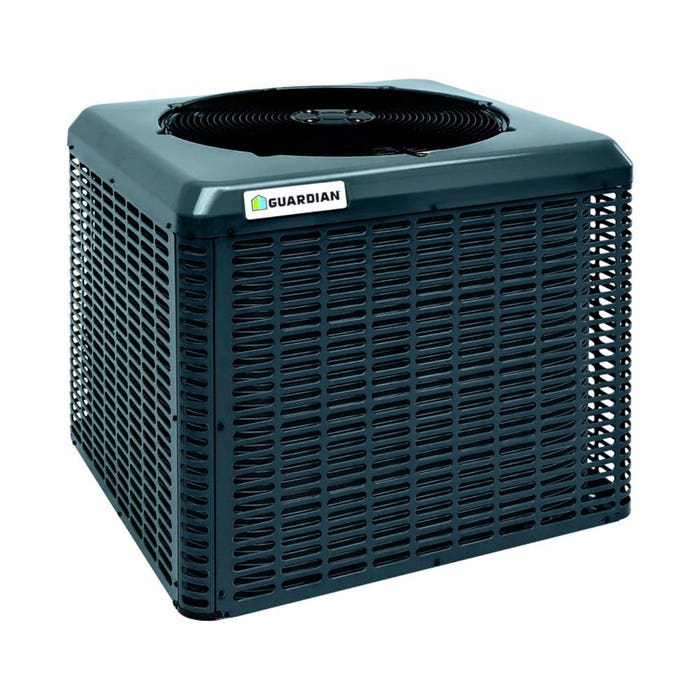
If you own a 2 ton air conditioning unit, you might wonder, “How much refrigerant does it need?” Getting this right is crucial for your system to run efficiently and keep your home cool without wasting energy or money. Too little refrigerant can cause poor cooling and damage your unit, while too much can lead to higher bills and costly repairs.
You’ll discover exactly how much refrigerant your 2 ton unit requires, how to check it, and why it matters to your comfort and wallet. Keep reading to make sure your AC is working at its best all summer long.
Refrigerant Basics
Understanding refrigerant basics is essential for anyone dealing with HVAC systems. Refrigerant is a special fluid that helps transfer heat, making your space cool. Without the right amount of refrigerant, your air conditioner cannot work efficiently. This section covers the main types of refrigerants and explains their role in the cooling process.
Types Of Refrigerants
There are several types of refrigerants used in air conditioning units. Each type has different properties and environmental impacts. The most common refrigerants include:
- R-22:An older refrigerant now being phased out due to environmental harm.
- R-410A:A popular, more eco-friendly refrigerant used in newer units.
- R-32:A newer refrigerant with lower global warming potential.
- R-134a:Used mainly in refrigeration and some AC systems.
Choosing the right refrigerant depends on the unit type and environmental regulations.
Role Of Refrigerant In Cooling
Refrigerant absorbs heat from inside your home. It moves this heat outside, keeping your space cool. The refrigerant changes from liquid to gas and back again during this process.
First, the refrigerant evaporates inside the evaporator coil, pulling heat from the air. Then, it compresses and releases heat outside through the condenser coil. This cycle repeats to maintain a cool temperature.
Without the refrigerant, heat transfer cannot happen. The system will fail to cool your home effectively.

Credit: airgreen.ca
Capacity And Refrigerant Needs
Understanding the capacity of your air conditioning unit is key to determining the right amount of refrigerant needed. The refrigerant’s job is to absorb heat and cool your space effectively. If you don’t match the refrigerant volume to the unit’s capacity, your system won’t perform well and could even get damaged.
What Does A 2 Ton Unit Mean?
A 2 ton unit refers to the cooling capacity of an air conditioner. Specifically, it means the unit can remove 24,000 British Thermal Units (BTUs) of heat per hour. This capacity is often enough to cool an area of about 1,000 to 1,200 square feet, depending on insulation and climate.
Think about your own space: Is your unit’s capacity aligned with the size of your room or house? Using a 2 ton unit in a very large space might leave you feeling the heat, while using it in a small area could waste energy.
How Refrigerant Volume Relates To Capacity
The amount of refrigerant a unit requires is closely tied to its size and capacity. A 2 ton air conditioning system typically needs around 4 to 6 pounds of refrigerant, but this can vary based on the exact model and system design.
Too little refrigerant reduces cooling efficiency and can cause the compressor to overheat. Too much refrigerant can raise pressure levels, leading to system damage or leaks. That’s why you should always follow the manufacturer’s specifications or consult a professional technician.
- Check the unit’s data plate:It usually lists the recommended refrigerant charge.
- Consider system age and maintenance:Older systems might need adjustments.
- Account for environmental factors:High temperatures can affect refrigerant performance.
Have you ever noticed your AC struggling to cool or making unusual noises? These could be signs your refrigerant charge isn’t right for your 2 ton unit. Paying attention to these details helps keep your system running smoothly and your home comfortable.
Calculating Refrigerant Amount
Calculating refrigerant for a 2-ton unit depends on the manufacturer’s specifications. Typically, it requires about 2 to 3 pounds of refrigerant. Always check the unit’s label for the exact amount needed.
Calculating the right amount of refrigerant for a 2-ton unit is crucial. It ensures efficient cooling and optimal performance. The process involves understanding several factors. Each factor influences the refrigerant amount differently. Below are essential aspects to consider.Manufacturer Specifications
Always refer to the manufacturer’s guidelines first. These specifications provide the recommended refrigerant levels. They ensure your unit functions efficiently. Following these guidelines helps maintain the warranty. It’s the safest starting point for accuracy.Using Line Set Length
The line set length affects refrigerant needs. A longer line set requires more refrigerant. Measure the line set accurately. Add refrigerant based on this measurement. Adjust accordingly to maintain cooling efficiency.Considering Ambient Conditions
Ambient conditions play a role in refrigerant levels. High temperatures might require more refrigerant. Consider the climate where the unit operates. Adjust the refrigerant to match these conditions. This ensures the unit handles temperature variations effectively.Signs Of Incorrect Refrigerant Levels
Incorrect refrigerant levels in a 2 ton unit cause several problems. These signs help identify issues early. Detecting them can save money and improve comfort.
Cooling Inefficiency
Low refrigerant means the unit struggles to cool air. You may notice warm spots in rooms. The system runs longer but cools less. This wastes energy and reduces comfort.
System Overheating
Too much or too little refrigerant causes overheating. The compressor works harder and heats up. Overheating can lead to breakdowns and costly repairs. Watch for unusual noises or frequent shutdowns.
Increased Energy Consumption
Incorrect refrigerant levels make the unit use more electricity. The system runs longer to reach the set temperature. Higher energy bills often signal a refrigerant problem. Efficient units keep costs low and work smoothly.
Refilling And Maintenance Tips
Keeping your 2-ton air conditioning unit running smoothly means paying close attention to refrigerant levels. Proper refilling and regular maintenance not only improve cooling efficiency but also extend the life of your system. Knowing when and how to handle refrigerant can save you time, money, and stress.
When To Add Refrigerant
You might wonder how to tell if your AC needs more refrigerant. One clear sign is if your home isn’t cooling as well as it used to, even when the thermostat is set low. Another indicator is if the coils inside your unit freeze up or if you notice hissing sounds coming from the system.
Keep an eye on your energy bills, too. A sudden increase might mean your system is working harder due to low refrigerant. However, don’t just add refrigerant because cooling feels weak; leaks often cause low levels, and topping off without fixing leaks can lead to bigger problems.
Safety Precautions
Handling refrigerant requires caution. It’s important to wear protective gloves and goggles to avoid skin contact and eye injuries. Refrigerants can be harmful if inhaled, so always work in a well-ventilated area or outdoors.
Avoid releasing refrigerant into the atmosphere because it can damage the environment. Use proper recovery equipment to capture and recycle refrigerants. Also, never mix different types of refrigerants, as this can damage your AC unit and create safety risks.
Hiring Professionals Vs Diy
Deciding whether to refill refrigerant yourself or hire a professional depends on your experience and tools. Professionals have specialized equipment to measure refrigerant levels accurately and find leaks effectively.
Trying to do it yourself without the right tools can lead to overcharging or undercharging, both harmful to your system. Plus, improper handling of refrigerant can be dangerous and is often regulated by law.
Have you ever tried fixing your AC and ended up with more problems? Sometimes, investing in an expert’s service is the best way to protect your home and keep your unit efficient.

Credit: atlasacrepair.com
Environmental Impact
Refrigerants in a 2 ton unit have a strong effect on the environment. These chemicals help cool our homes but can harm the earth if mishandled. Understanding their impact helps us protect the planet and use cooling systems responsibly.
Refrigerant Leaks And Global Warming
Refrigerant leaks release gases into the air. Many refrigerants are potent greenhouse gases. They trap heat and raise global temperatures.
Even small leaks cause significant environmental damage. Some refrigerants have a global warming potential (GWP) thousands of times higher than carbon dioxide. Preventing leaks is key to reducing climate change risks.
Proper Disposal And Recycling
Used refrigerants must be disposed of carefully. Releasing them into the atmosphere is harmful. Certified technicians should handle refrigerant recovery and recycling.
Recycling helps reduce the need for new refrigerants. It lowers pollution and saves energy. Safe disposal protects the environment and follows legal rules.

Credit: www.reddit.com
Frequently Asked Questions
How Much Refrigerant Does A 2 Ton Unit Need?
A 2 ton HVAC unit typically requires 2 to 2. 5 pounds of refrigerant. Exact amounts vary by model and manufacturer specifications. Always check the unit’s data plate or manual for precise refrigerant capacity before charging.
What Type Of Refrigerant Is Used In A 2 Ton Unit?
Most 2 ton units use R-410A refrigerant today, replacing older R-22 types. R-410A is more environmentally friendly and efficient. Always confirm the refrigerant type on the unit’s label before servicing.
Can I Add Refrigerant To My 2 Ton Ac Unit Myself?
Adding refrigerant requires specialized tools and knowledge. Incorrect charging can harm the system. It’s best to hire a certified HVAC technician for safe and accurate refrigerant charging.
What Happens If A 2 Ton Unit Has Low Refrigerant?
Low refrigerant causes poor cooling, higher energy use, and potential compressor damage. It often signals leaks needing professional repair. Promptly addressing low refrigerant ensures efficient system performance and longevity.
Conclusion
A 2 ton unit usually needs about 3 to 4 pounds of refrigerant. Too little or too much refrigerant can harm your system’s performance. Always check your unit’s specifications before adding refrigerant. Proper refrigerant levels help your air conditioner run efficiently.
Regular maintenance keeps your system in good shape. Understanding refrigerant needs saves energy and reduces costs. Keep your home cool and comfortable all year long. Simple steps make a big difference in system health.