Are you curious about how much refrigerant your 3-ton unit needs? Understanding the right amount of refrigerant is crucial for keeping your air conditioning system running efficiently.
Too much or too little can lead to costly repairs, higher energy bills, and even a shorter lifespan for your unit. You’re not alone in wondering about this essential aspect of home comfort. By the end of this article, you’ll have a clear understanding of what your 3-ton unit requires and why it matters.
Dive in to discover how to maximize your system’s performance, save money, and ensure your home stays cool and comfortable year-round.

Credit: www.ussupply.com
Refrigerant Basics
Understanding refrigerant is key to knowing how a 3-ton unit works. Refrigerant moves heat from inside your home to outside. This process cools the air you breathe. The right amount and type of refrigerant keep the unit efficient and long-lasting.
Types Of Refrigerants
Refrigerants come in different types. Each type has a unique chemical makeup. Some are safer for the environment. Others work better in certain climates or systems.
- R-22: Older type, being phased out due to ozone harm.
- R-410A: Common in newer units, safer for the ozone layer.
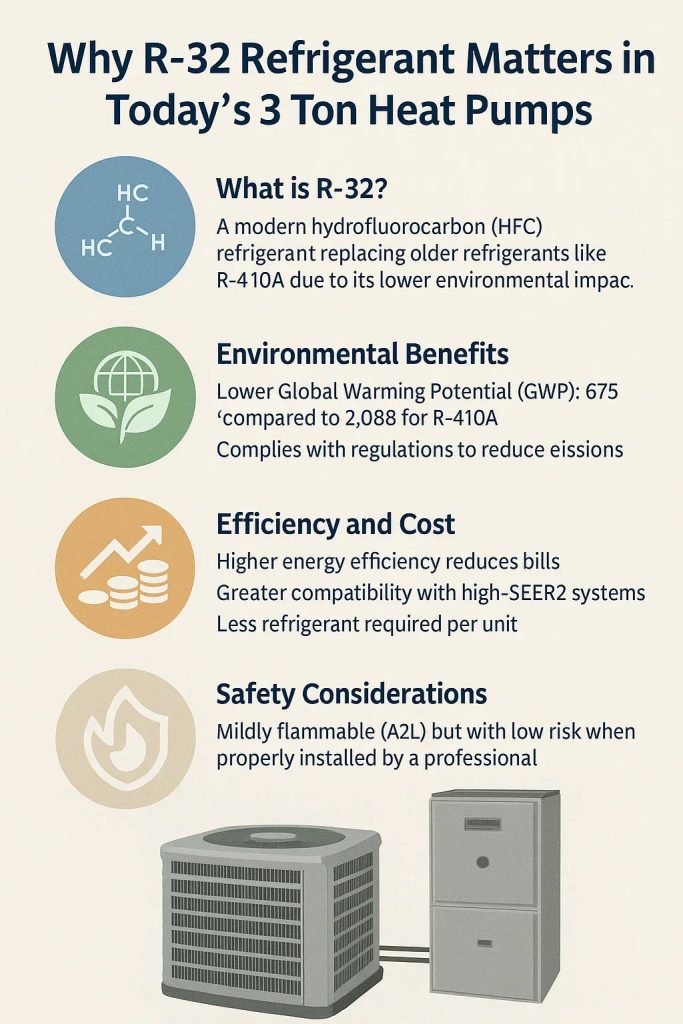
- R-32: More efficient and lower global warming potential.
Choosing the right refrigerant depends on your system and local rules.
Role Of Refrigerant In Cooling
Refrigerant is the heart of the cooling cycle. It absorbs heat from inside the home. Then, it releases heat outside. This cycle repeats continuously.
It changes from liquid to gas and back again. This change helps it carry heat effectively. Without refrigerant, the air conditioner cannot cool your space.

Credit: www.alpinehomeair.com
Capacity Of A 3-ton Unit
Understanding the capacity of a 3-ton HVAC unit is essential for choosing the right air conditioner for your space. The capacity directly affects how well your system cools and how efficient it runs. Let’s break down what a 3-ton unit really means and how it impacts your home’s cooling power.
What Does 3-ton Mean?
A 3-ton unit refers to the cooling capacity of an air conditioner. It doesn’t mean the unit weighs three tons; instead, it relates to the amount of heat the system can remove from your home in one hour.
One ton equals 12,000 BTUs (British Thermal Units). So, a 3-ton unit can remove 36,000 BTUs of heat every hour. This measure helps you estimate if the unit matches your home’s size and cooling needs.
Cooling Power And Efficiency
Cooling power is about how quickly and effectively your unit lowers the temperature. A 3-ton unit is typically suitable for homes between 1,500 to 2,000 square feet, but factors like insulation and sunlight exposure matter too.
Efficiency is measured by the SEER rating (Seasonal Energy Efficiency Ratio). Higher SEER numbers mean the unit uses less energy for the same cooling power, saving you money on bills.
Have you ever wondered why your AC sometimes struggles on hot days? It might be undersized or low on refrigerant, which reduces both cooling power and efficiency. Ensuring your unit has the right refrigerant charge is key to getting the full benefit of your 3-ton system.
Recommended Refrigerant Amount
Knowing the recommended refrigerant amount for your 3-ton unit is crucial for efficient cooling and system longevity. Too little refrigerant can cause poor cooling and damage, while too much can increase pressure and wear out components faster. Understanding the right charge helps you maintain comfort and save on energy bills.
Standard Refrigerant Charge
Most 3-ton air conditioning units require about 2 to 3 poundsof refrigerant, typically R-410A or R-22 depending on the model. Manufacturers usually list the exact amount on a label attached to the outdoor unit. This standard charge works well under normal installation conditions, like a typical 15 to 20-foot line set.
Have you ever noticed your AC struggling on a hot day? Sometimes the issue is simply a low or incorrect refrigerant charge. Checking the label can give you a quick benchmark before calling a technician.
Factors Affecting Refrigerant Levels
Several factors can change how much refrigerant your system actually needs. These include the length and diameter of the refrigerant lines, the elevation of your home, and any leaks or system modifications.
- Longer or larger refrigerant linesrequire extra refrigerant to fill the system properly.
- Higher elevation
- Leaks or damagemean you’ll need to add refrigerant after fixing the issue to restore proper levels.
Have you ever wondered why your technician asks about the length of your refrigerant lines? This simple detail can change how much refrigerant your system needs by a significant margin.
Measuring Refrigerant Levels
Measuring refrigerant levels in a 3-ton unit is essential for maintaining its efficiency and preventing costly repairs. Too little or too much refrigerant can cause the system to work harder, leading to higher energy bills and a shorter lifespan. Knowing how to check and interpret refrigerant levels helps you keep your unit running smoothly.
Tools And Techniques
You’ll need the right tools to measure refrigerant levels accurately. A digital manifold gauge set is the most common tool for this job. It connects to the unit’s service ports and provides real-time pressure readings.
Thermometers are also useful to measure temperature differences across the evaporator coil. This helps verify if the refrigerant charge is correct. Many technicians use the superheat and subcooling methods, which involve comparing pressure and temperature readings to manufacturer specifications.
Always use safety gear when handling refrigerants, as they can cause frostbite or respiratory issues. Have you ever noticed a technician working with gauges and wondered what those readings really mean? Understanding this can empower you to spot problems early.
Signs Of Incorrect Refrigerant Charge
How do you know if your 3-ton unit’s refrigerant charge is off? One clear sign is if your air conditioner isn’t cooling as well as it used to. You might feel warm air blowing out instead of cold.
Another warning is if the compressor is running continuously without shutting off. This often means the system is struggling due to low refrigerant. Conversely, too much refrigerant can cause high pressure, which may trigger safety switches and shut down the system.
Ice buildup on the evaporator coil is a visual clue of a refrigerant issue. It happens because the refrigerant isn’t absorbing heat properly. If you spot any of these signs, it’s a good idea to call a professional to check your refrigerant levels before damage occurs.
Adding Refrigerant Safely
Adding refrigerant safely to a 3-ton unit requires care and precision. Handling refrigerant improperly can harm the system or cause injury. Follow clear steps and safety rules to protect yourself and your equipment. This section guides you through the right way to add refrigerant.
Step-by-step Process
- Turn off the HVAC system and unplug it from power.
- Connect the refrigerant gauge to the service port on the unit.
- Check the current refrigerant pressure to determine the needed amount.
- Attach the refrigerant tank to the gauge manifold.
- Slowly open the tank valve to release refrigerant into the system.
- Monitor the pressure gauge closely while adding refrigerant.
- Close the tank valve once the correct pressure is reached.
- Disconnect the gauge and replace any service port caps securely.
- Turn the HVAC system back on and check for proper cooling.
Safety Precautions
- Wear safety goggles and gloves to protect eyes and skin.
- Work in a well-ventilated area to avoid inhaling fumes.
- Never release refrigerant directly into the air.
- Use only the refrigerant type specified for your 3-ton unit.
- Keep refrigerant tanks upright and secure during handling.
- Avoid smoking or open flames near refrigerant tanks.
- Follow local regulations for refrigerant handling and disposal.
- Check for leaks after adding refrigerant to prevent system damage.

Credit: www.reddit.com
Common Issues With Refrigerant
Refrigerant is the heart of your 3-ton AC unit, but it can cause serious problems if not handled properly. Issues with refrigerant often lead to poor cooling performance, increased energy bills, and even damage to the system. Understanding common refrigerant problems helps you spot trouble early and keep your unit running smoothly.
Leaks And How To Detect Them
Leaks are the most frequent refrigerant issue. Even a small leak reduces cooling efficiency and can damage your compressor over time.
You might notice your AC running longer than usual or not cooling as well. Another sign is hissing sounds or oily spots around the refrigerant lines, which indicate escaping refrigerant.
Detecting leaks early saves you money and prevents bigger repairs. Using a leak detector or hiring a professional for a thorough inspection is a smart move.
Impact Of Overcharging Or Undercharging
Both too much and too little refrigerant can harm your AC unit. Overcharging causes high pressure inside the system, which may lead to compressor failure or frozen coils.
Undercharging means not enough refrigerant circulates, resulting in weak cooling and higher energy use. Your unit has to work harder, shortening its lifespan.
Have you checked if your refrigerant levels are right? Using a gauge set or calling a technician to measure the charge ensures your system operates efficiently and avoids costly damage.
Maintaining Optimal Refrigerant Levels
Maintaining optimal refrigerant levels in your 3-ton HVAC unit is crucial for efficient cooling and energy savings. Too little refrigerant can cause your system to work harder, increasing wear and energy costs. Too much can lead to compressor damage and system failure. Keeping the right balance ensures your unit runs smoothly and lasts longer.
Routine Checks
Regularly checking your refrigerant levels can prevent many common HVAC problems. You can monitor for signs like ice buildup on coils, unusual hissing sounds, or reduced cooling performance. These symptoms often indicate leaks or improper refrigerant charge.
Use a gauge to check pressure levels if you have the tools and know-how. However, many homeowners find it easier and safer to keep an eye on system performance and call a professional if something feels off. Have you noticed your air conditioner struggling during hot days? That’s a strong hint to investigate refrigerant levels.
Professional Servicing Tips
Hiring a certified HVAC technician for annual servicing is one of the best ways to maintain correct refrigerant levels. Professionals use specialized equipment to measure and adjust refrigerant precisely. They also detect leaks early before they cause costly damage.
During servicing, ask your technician to explain the refrigerant status and any maintenance you can perform between visits. Did you know that some technicians can recharge refrigerant only if your system is designed for it? This makes professional advice essential to avoid overcharging.
Keeping a maintenance log after each service helps you track refrigerant levels and overall system health. This simple habit can save you money and prevent unexpected breakdowns. How often do you schedule HVAC checkups? Regular attention to refrigerant ensures your 3-ton unit stays powerful and efficient.
Frequently Asked Questions
How Much Refrigerant Does A 3-ton Unit Need?
A typical 3-ton AC unit requires about 6 to 9 pounds of refrigerant. The exact amount depends on the system design and manufacturer specifications. Always refer to the unit’s label or manual for precise refrigerant charge details.
What Type Of Refrigerant Is Used In 3-ton Units?
Most 3-ton units use R-410A refrigerant, a common eco-friendly option. Some older models may still use R-22, which is being phased out. Check your unit’s specifications to confirm the refrigerant type before servicing.
How Do I Know If My 3-ton Unit Needs More Refrigerant?
Signs of low refrigerant include reduced cooling, longer run times, and ice buildup on coils. If your AC isn’t cooling efficiently, it might need a refrigerant recharge. Have a professional technician inspect and recharge if necessary.
Can I Add Refrigerant To My 3-ton Ac Myself?
Adding refrigerant requires special tools and knowledge. Incorrect charging can damage the system or reduce efficiency. It’s best to hire a certified HVAC technician to safely and accurately add refrigerant.
Conclusion
Knowing the right refrigerant amount keeps your 3-ton unit working well. Too little or too much can cause problems. Check your unit’s manual or ask a professional. Proper refrigerant helps your system cool efficiently and saves energy. Regular maintenance extends the life of your unit.
Keep your home comfortable without extra costs. Simple steps make a big difference. Stay informed and take care of your air conditioner.