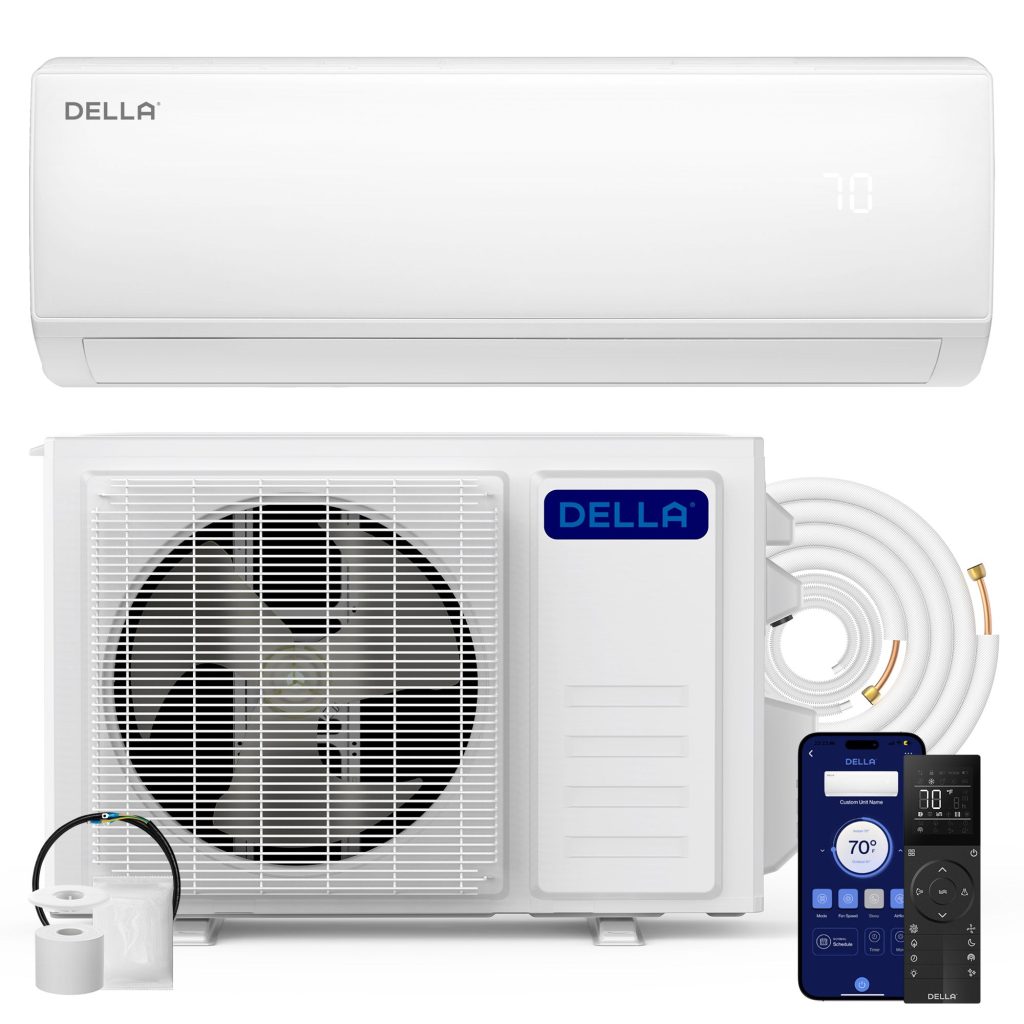
Have you ever wondered how much refrigerant is in your home air conditioner? Understanding this simple fact can help you keep your system running smoothly and avoid costly repairs.
If your AC isn’t cooling like it used to, the amount of refrigerant could be the key. You’ll discover exactly how much refrigerant your unit needs, why it matters, and how to spot when something’s wrong. By the end, you’ll feel confident about your air conditioner’s health—and know what to do to keep your home cool all year long.
Keep reading to unlock the secrets behind your AC’s cooling power!
Refrigerant Role In Ac Systems
Refrigerant is a special fluid used in home air conditioners. It helps move heat from inside your home to the outside.
The right amount of refrigerant keeps the AC working well and cools your home efficiently.
Cooling Process Basics
The AC cools your home by moving heat out of the air inside. Refrigerant plays a key role in this process.
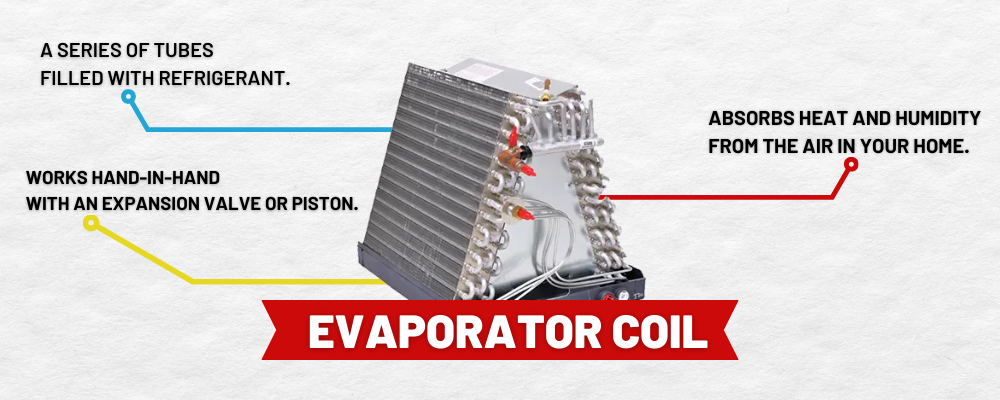
The refrigerant absorbs heat as it changes from liquid to gas inside the evaporator coil. Then it releases heat outside as it turns back to liquid.
- Refrigerant absorbs heat inside the home
- It changes from liquid to gas in the evaporator
- Heat is released outside as refrigerant condenses
- Cycle repeats to keep your home cool
Types Of Refrigerants Used
Different refrigerants are used in home air conditioners. They vary in safety and environmental impact.
Newer refrigerants are safer for the ozone layer and use less energy.
| Refrigerant Type | Common Use | Environmental Impact |
|---|---|---|
| R-22 | Older AC units | Harmful to ozone, being phased out |
| R-410A | Newer AC units | Ozone friendly, more efficient |
| R-32 | New models, energy efficient | Lower global warming potential |
Factors Affecting Refrigerant Amount
The amount of refrigerant in a home air conditioner depends on many factors. It is not the same for every unit. Different designs and sizes need different refrigerant levels.
Knowing what affects refrigerant amount helps with maintenance and repairs. It also ensures the system runs well and cools properly.
Ac Unit Size And Capacity
Larger air conditioners need more refrigerant to cool air effectively. The capacity is measured in tons or BTUs. Bigger capacity means more cooling power and more refrigerant.
Small units use less refrigerant because they cool smaller spaces. The size of the unit must match the space size for best results.
- 1 ton AC units use about 2 to 3 pounds of refrigerant
- 2 ton units need roughly 4 to 6 pounds
- 3 ton units require about 6 to 9 pounds
- Exact amounts depend on model and design
System Design Variations
Different air conditioner designs use different amounts of refrigerant. Some systems have longer refrigerant lines or extra parts. These factors change how much refrigerant is needed.
Split systems, packaged units, and ductless mini-splits all have unique refrigerant requirements. The design affects refrigerant volume and pressure.
- Longer refrigerant lines need more refrigerant to fill the pipes
- Some designs include extra coils or heat exchangers
- Mini-splits often use less refrigerant due to compact design
- Proper refrigerant charge depends on system layout and size
Typical Refrigerant Quantities
Home air conditioners use refrigerants to cool indoor air. The amount of refrigerant varies by unit size and type.
Knowing typical refrigerant quantities helps in maintenance and repair. It ensures the unit runs efficiently and safely.
Small Vs Large Units
Small air conditioners use less refrigerant because they cool less space. Large units need more refrigerant to handle bigger areas.
Small units often have refrigerant amounts under 2 pounds. Large units can require 5 pounds or more to operate properly.
- Small units: Usually 1 to 2 pounds of refrigerant
- Medium units: Around 2 to 4 pounds
- Large units: Typically 4 to 6 pounds or more
Common Refrigerant Charges
Refrigerant charge means the amount of refrigerant in the system. Too little or too much refrigerant can cause problems.
Technicians check the refrigerant charge during service. They use gauges and follow the unit’s specifications.
| Refrigerant Type | Common Charge Amount | Unit Size |
|---|---|---|
| R-410A | 1.5 to 6 pounds | Small to Large Home AC |
| R-22 (older units) | 2 to 5 pounds | Small to Medium Units |
Credit: www.logan-inc.com
Checking Refrigerant Levels
Refrigerant is an important part of a home air conditioner. It helps cool your home by moving heat outside. Knowing how much refrigerant is in your system keeps it working well.
Checking refrigerant levels can show if your air conditioner needs service. Low refrigerant may cause poor cooling and higher energy bills.
Signs Of Low Refrigerant
Low refrigerant causes your air conditioner to work harder. You may notice some clear signs that the refrigerant is low.
- Air conditioner blows warm or less cold air
- Longer run times without cooling properly
- Ice forming on the refrigerant lines or coils
- Higher electricity bills than usual
- Hissing or bubbling noises near the outdoor unit
If you see these signs, your system might have a leak or low refrigerant levels. It is important to check and fix it soon.
Tools For Measurement
Technicians use special tools to measure refrigerant levels safely and accurately. Homeowners should not try to check levels without these tools.
- Manifold Gauge Set: Measures pressure in refrigerant lines
- Refrigerant Leak Detector: Finds leaks in the system
- Thermometer: Checks temperature difference across coils
- Electronic Refrigerant Scale: Weighs refrigerant added or removed
These tools help ensure the right amount of refrigerant is in your air conditioner. Proper levels keep the system efficient and safe.
Adding Refrigerant Safely
Knowing the right amount of refrigerant in your home air conditioner is important. Adding refrigerant safely keeps your system working well.
Too much or too little refrigerant can cause damage. It also affects how well your air conditioner cools your home.
Professional Vs Diy
Adding refrigerant is a job for trained professionals. They have the right tools and knowledge to do it safely.
DIY attempts can be risky. You might add too much or too little refrigerant. This can harm your air conditioner or cause leaks.
- Professionals measure refrigerant carefully.
- They use gauges to check pressure levels.
- DIY can lead to refrigerant overcharge or shortage.
- Incorrect handling can damage the system.
Environmental Concerns
Refrigerants can harm the environment if released. Some types contribute to ozone layer damage and global warming.
Proper handling and recycling of refrigerant protect the planet. Professionals follow rules to avoid leaks and pollution.
- Never release refrigerant into the air.
- Use certified technicians for handling refrigerant.
- Recycle or dispose of refrigerant properly.
- Choose eco-friendly refrigerants when possible.

Credit: www.lochardplumbingheatingandcooling.com
Maintaining Optimal Refrigerant
Refrigerant is vital for your home air conditioner’s cooling. Keeping the right amount helps the system work well and saves energy.
Too much or too little refrigerant can cause problems. Regular care keeps your air conditioner running smoothly and avoids costly repairs.
Regular Inspections
Check your air conditioner often to keep refrigerant at the right level. Regular inspections find problems early and keep the system efficient.
- Look for signs of low cooling or ice on the coils
- Listen for strange noises from the unit
- Check for oil spots which may show leaks
- Have a professional measure refrigerant pressure
- Schedule inspections at least once a year
Preventing Leaks
Leaks cause refrigerant loss and reduce cooling power. Fixing leaks quickly keeps your system healthy and saves energy.
| Leak Prevention Tips | Why It Matters |
|---|---|
| Seal and insulate refrigerant lines | Stops damage and reduces leaks |
| Avoid physical damage to the unit | Prevents cracks and breaks |
| Use quality parts and fittings | Ensures tight, lasting connections |
| Check system pressure regularly | Detects leaks before damage grows |
| Schedule professional leak tests | Finds invisible leaks early |

Credit: atlasacrepair.com
Frequently Asked Questions
How Much Refrigerant Does A Home Ac Need?
A typical home air conditioner requires 2 to 4 pounds of refrigerant. The exact amount depends on the unit’s size and model. Proper refrigerant levels ensure efficient cooling and prevent damage to the AC system.
How To Check Refrigerant Levels In Ac?
Checking refrigerant levels requires specialized gauges and tools. A certified HVAC technician can accurately measure the refrigerant pressure. Low refrigerant can reduce cooling efficiency and indicate leaks needing repair.
What Happens If Ac Refrigerant Is Low?
Low refrigerant causes poor cooling and increased energy use. It can also lead to compressor damage and higher repair costs. Promptly fixing leaks and recharging refrigerant restores AC performance and longevity.
Can I Add Refrigerant To My Ac Myself?
Adding refrigerant should be done by a licensed professional. Incorrect handling can harm the environment and damage your AC. Professionals ensure proper refrigerant type and amount for safe and effective operation.
Conclusion
Understanding your air conditioner’s refrigerant is key. It ensures efficiency and comfort. Too much or too little impacts performance. Regular checks help maintain the right level. Consult a professional for precise measurements. They can adjust it if needed. Correct refrigerant levels save energy.
This reduces costs and increases your system’s lifespan. Keeping your home cool and efficient matters. Remember to schedule regular maintenance. This keeps your air conditioner in top shape. Enjoy a comfortable home environment all year round. Stay informed and proactive.
Your air conditioner will thank you!