How much refrigerant does your air conditioner or refrigerator actually need? If you’ve ever wondered whether adding more refrigerant will make your cooling system work better, you’re not alone.
Using too little or too much refrigerant can cause serious problems, from poor performance to costly repairs. You’ll discover exactly how to determine the right amount of refrigerant for your system. Keep reading to learn how this simple step can save you money and keep your home comfortable all year round.
Factors Affecting Refrigerant Amount
The amount of refrigerant needed depends on several key factors. Understanding these helps ensure the system runs efficiently and safely. Incorrect refrigerant levels can cause poor cooling or damage.
System Size And Type
The size of the cooling system largely affects the refrigerant amount. Larger systems need more refrigerant to fill the pipes and coils. Different system types, like split or window units, also require varying refrigerant quantities. Each design has specific refrigerant paths and volume.
Environmental Conditions
Outdoor temperature and humidity impact refrigerant needs. Hotter climates may require adjustments in refrigerant charge. Higher humidity can change how the system operates and how much refrigerant it uses. These conditions influence pressure and flow inside the system.
Manufacturer Specifications
Manufacturers provide exact refrigerant amounts for each model. Following these guidelines is crucial for performance and warranty. Specifications include the type and volume of refrigerant needed. Ignoring them can lead to system failure or inefficiency.

Credit: refrigerantscenter.com
Measuring Refrigerant Levels
Measuring refrigerant levels is a key task for maintaining HVAC systems. Accurate measurement ensures the system runs efficiently and prevents damage. Low or high refrigerant levels can cause poor cooling and higher energy costs.
Regular checks help detect leaks and avoid costly repairs. The process requires specific tools and a clear method. Following the right steps leads to precise readings and better system performance.
Tools And Equipment Needed
- Manifold gauge set for pressure readings
- Thermometer to measure temperature
- Leak detector to find refrigerant leaks
- Protective gloves and safety glasses
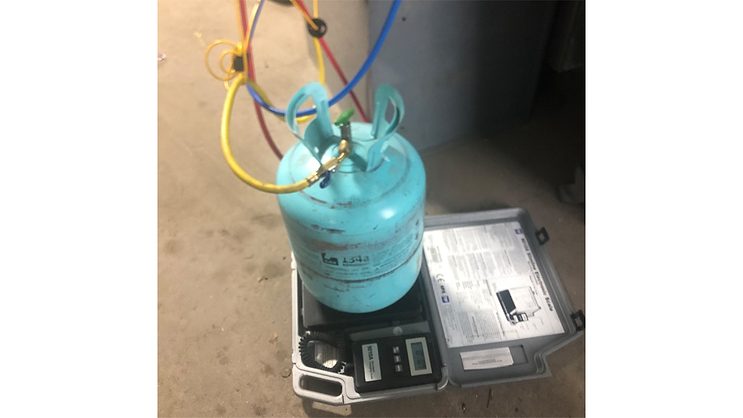
- Refrigerant scale for weighing refrigerant
- Service valve access ports on the system
Step-by-step Measurement Process
- Turn off the HVAC system before starting.
- Attach manifold gauges to the service ports.
- Turn on the system and let it run for a few minutes.
- Record the high and low side pressure readings.
- Use a thermometer to check the temperature near the coils.
- Compare pressure and temperature readings to the manufacturer’s chart.
- Use the refrigerant scale if adding or removing refrigerant.
- Check for leaks using the leak detector around connections.
- Disconnect gauges and clean up the work area.
- Document all readings for future reference.
Common Refrigerant Types
Refrigerants are the key fluids in cooling systems like air conditioners and refrigerators. Different types of refrigerants affect system efficiency and environmental impact. Knowing the common refrigerant types helps in choosing the right one for your needs. Each type has its own properties and uses.
R-22 And Its Alternatives
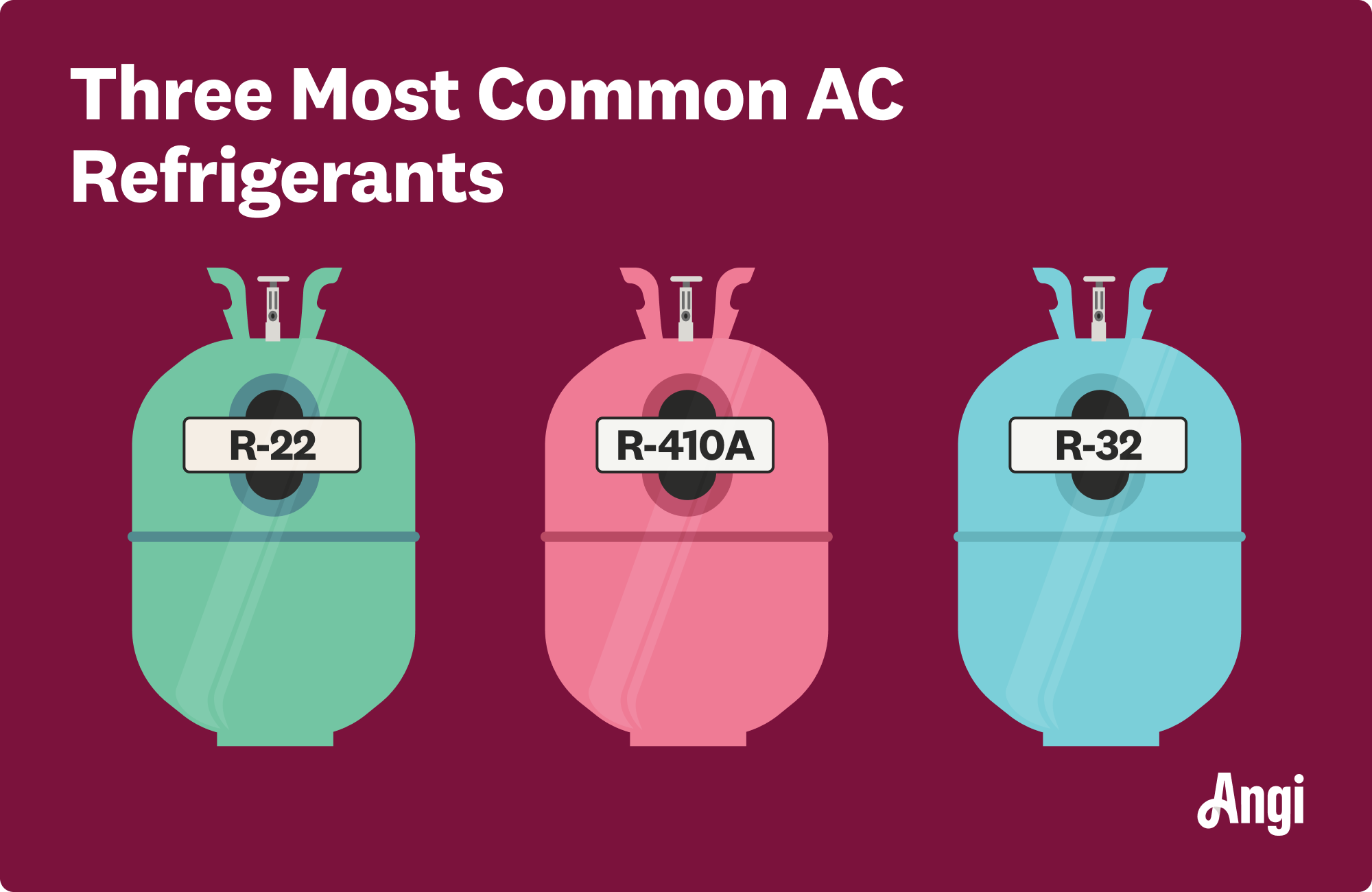
R-22, also called Freon, was widely used in cooling systems. It works well but harms the ozone layer. Many countries have banned or limited its use. Alternatives are now popular for better safety and environment care.
- R-407C: A blend that replaces R-22 in many systems.
- R-422D: Compatible with R-22 equipment and less harmful.
- R-438A: Designed for smooth replacement without major changes.
R-410a And Modern Options
R-410A is a newer refrigerant used in many modern air conditioners. It does not damage the ozone layer and offers better cooling efficiency. Systems using R-410A need specific parts due to higher pressure.
- R-32: Lower global warming potential and good cooling power.
- R-454B: A blend with reduced environmental impact.
- R-466A: Emerging option with balance in performance and safety.
Credit: www.angi.com
Calculating Refrigerant Charge
Calculating the refrigerant charge accurately is essential for your HVAC system’s efficiency and longevity. Too little or too much refrigerant can cause poor cooling performance and even damage the system. Understanding how to measure and adjust the refrigerant charge ensures your system runs smoothly and saves you money on energy bills.
Using System Data
Start by checking the manufacturer’s data plate on your unit. This plate usually lists the recommended refrigerant charge in pounds or kilograms for the system. Knowing this baseline helps you avoid guesswork and provides a solid starting point.
Next, use pressure gauges to measure the system’s operating pressures on the suction and discharge sides. These readings, combined with temperature data, allow you to calculate the actual refrigerant charge. Have you ever noticed your AC running longer than usual? It might be a clue to an incorrect charge.
Adjusting For Leakage And Loss
Over time, refrigerant can leak or degrade, reducing the system’s efficiency. It’s crucial to inspect for leaks regularly and top up the refrigerant accordingly. Keep a log of how often you need to add refrigerant to identify persistent issues early.
When adding refrigerant, add small amounts and recheck the pressures and temperatures frequently. This careful adjustment prevents overcharging. What’s the last time you checked your AC’s refrigerant level? A simple check can prevent costly repairs down the line.
Signs Of Incorrect Refrigerant Levels
Incorrect refrigerant levels can cause many problems in your cooling system. These signs often show that the refrigerant is either too low or too high. Spotting these early helps avoid costly repairs and keeps your system running well.
Reduced Cooling Efficiency
The system struggles to cool the air properly. You may notice warmer rooms or uneven temperatures. The air conditioner runs longer but delivers less cold air. This happens because the refrigerant cannot absorb heat efficiently.
Increased Energy Consumption
The cooling system uses more electricity than usual. It works harder to reach the desired temperature. This extra effort raises your energy bills. Low refrigerant makes the compressor strain, increasing power use.
System Wear And Damage
Incorrect refrigerant levels cause strain on parts like the compressor. This can lead to overheating and early failure. Leaks or overcharging also reduce the system’s lifespan. Ignoring these signs may result in expensive repairs or replacement.
Best Practices For Refrigerant Handling
Handling refrigerants correctly is crucial for safety, environmental protection, and legal compliance. Best practices help prevent accidents and reduce harmful emissions. Following these guidelines ensures safe use and disposal of refrigerants.
Safety Precautions
Always wear protective gear like gloves and goggles. Work in well-ventilated areas to avoid inhaling fumes. Use proper tools designed for refrigerant handling. Avoid open flames near refrigerants. Store refrigerants in cool, dry places away from heat sources. Check equipment regularly for leaks or damage.
Environmental Regulations
Follow local and international laws on refrigerant use. Use only approved refrigerants that meet safety standards. Track refrigerant quantities and report losses if required. Avoid releasing refrigerants into the air. Use recovery machines to capture refrigerants during repairs. Stay updated on changes in refrigerant regulations.
Proper Disposal Methods
Never dispose of refrigerants in regular trash or drains. Use certified recycling and recovery centers. Follow instructions for recycling or reclaiming refrigerants. Label containers clearly to avoid mix-ups. Document disposal activities to ensure compliance. Choose eco-friendly methods that minimize environmental harm.

Credit: www.angi.com
Frequently Asked Questions
How Much Refrigerant Does An Ac Unit Need?
The amount of refrigerant depends on the AC unit’s size and model. Typically, it ranges from 1 to 5 pounds. Always check the manufacturer’s specifications for accurate charging.
What Happens If My Ac Has Too Much Refrigerant?
Overcharging an AC causes high pressure, reducing cooling efficiency. It can damage the compressor and increase energy costs. Proper refrigerant levels ensure optimal performance.
How Do Technicians Measure Refrigerant Levels?
Technicians use gauges and scales to measure refrigerant pressure and weight. They ensure the correct refrigerant amount is added according to system requirements.
Can I Add Refrigerant Myself?
Adding refrigerant requires technical knowledge and tools. Incorrect handling can harm your AC or cause leaks. It’s best to hire a certified HVAC technician.
Conclusion
Understanding refrigerant needs helps maintain your HVAC system efficiently. Using the right amount extends the equipment’s life. It also keeps energy consumption low. Regular checks prevent leaks and ensure safety. Consult a professional for accurate guidance. This avoids costly mistakes.
Remember, a well-maintained system operates better. It provides comfort throughout all seasons. Stay informed and make wise choices for your home or business. Proper maintenance saves money and energy. It also offers peace of mind. So, prioritize your HVAC care today.
Invest in a comfortable, energy-efficient environment.