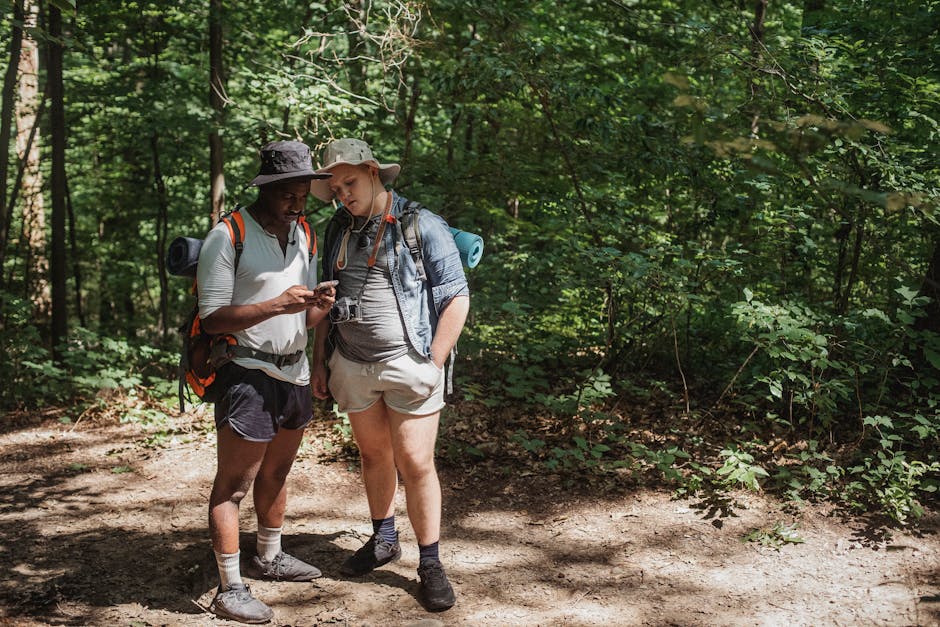
When you’re packing for a backpacking trip, every ounce counts. Your sleeping bag is one of the heaviest items in your pack, so knowing how much it should weigh can make a big difference in your comfort and stamina on the trail.
But how do you find the perfect balance between warmth and weight? If your sleeping bag is too heavy, it can slow you down. If it’s too light, you might not stay warm enough at night. You’ll discover the ideal sleeping bag weight for your backpacking adventures and how to choose one that fits your needs without weighing you down.
Keep reading to make sure your next trip is as comfortable and efficient as possible.

Credit: www.gearx.com
Ideal Weight Range For Sleeping Bags
Choosing the right sleeping bag weight is key for backpacking comfort. It affects your load and how far you can go.
Sleeping bags come in many weights. The ideal weight depends on your trip length and climate.
Ultralight Sleeping Bags
Ultralight sleeping bags weigh between 1 to 2 pounds. They are great for long trips and warm weather.
These bags use advanced materials to reduce weight without losing warmth.
Lightweight Sleeping Bags
Lightweight sleeping bags weigh from 2 to 3.5 pounds. They offer a balance of warmth and weight.
These bags work well for most backpackers in mild to cool conditions.
Standard Weight Sleeping Bags
Standard sleeping bags weigh over 3.5 pounds. They provide extra insulation and comfort.
These are best for cold weather or short trips where weight is less critical.
- Ultralight: 1 to 2 pounds
- Lightweight: 2 to 3.5 pounds
- Standard: Above 3.5 pounds
| Weight Category | Weight Range | Best Use |
| Ultralight | 1 – 2 lbs | Long trips, warm weather |
| Lightweight | 2 – 3.5 lbs | Mild to cool conditions |
| Standard | 3.5+ lbs | Cold weather, short trips |
Factors Influencing Sleeping Bag Weight
The weight of a backpacking sleeping bag matters a lot for hikers. It affects how easy it is to carry during long trips. Several factors decide how much a sleeping bag will weigh.
Knowing these factors helps you pick a bag that fits your needs and keeps your pack light. Let’s look at the main points that influence the weight of sleeping bags.
Material And Insulation
The type of material used for the shell and insulation affects the sleeping bag’s weight. Lightweight fabrics help reduce overall weight.
Insulation can be down or synthetic. Down is lighter but costs more. Synthetic is heavier but works better when wet.
- Down insulation is light and compressible
- Synthetic insulation is heavier but dries faster
- Nylon or polyester shells keep weight low
Temperature Rating
The temperature rating shows how cold it can get before you feel cold in the bag. Bags for colder weather need more insulation, so they weigh more.
Warmer temperature bags have less insulation and weigh less. Choose a bag that matches the lowest temperature you expect on your trip.
- Cold weather bags are heavier due to more insulation
- Three-season bags balance warmth and weight
- Summer bags are the lightest but less warm
Size And Design
The size of the sleeping bag affects its weight. Larger bags use more fabric and insulation, so they weigh more.
Design features like hoods, zippers, and draft collars add weight. Slimmer bags with fewer extras are lighter but may be less comfortable.
- Longer and wider bags weigh more
- Added features increase weight slightly
- Compact designs save weight and space
Types Of Sleeping Bags By Weight
Choosing the right sleeping bag weight is key for backpacking comfort. The weight affects your pack load and how easy it is to carry.
Sleeping bags come in different weight categories. Each type suits different needs and hiking styles.
Ultralight Options
Ultralight sleeping bags weigh less than 2 pounds. They are perfect for long hikes where every ounce counts.
- Usually made with high-quality down for warmth and low weight
- Small pack size fits easily into tight spaces
- Less durable but ideal for dry weather conditions
Lightweight Choices
Lightweight bags weigh between 2 and 3.5 pounds. They balance comfort and portability for most hikers.
| Weight Range | 2 to 3.5 pounds |
| Material | Down or synthetic insulation |
| Pack Size | Moderate |
| Best For | Weekend trips and mild weather |
Standard Weight Models
Standard weight sleeping bags weigh more than 3.5 pounds. They offer extra warmth and durability.
Standard bags are good for colder climates or car camping. They often include:
- Heavier insulation for low temperatures
- Rugged fabrics to resist wear and tear
- Roomier designs for comfort
Balancing Weight With Comfort
Choosing a sleeping bag for backpacking means finding the right weight. You want it light but still comfy and warm. Carrying a heavy bag can slow you down on the trail.
Light bags save energy and space. But very light bags may not keep you warm enough or feel soft. Think about what matters most for your trip.
Prioritizing Warmth
Warmth is important to stay safe and sleep well outside. A sleeping bag that is too light might not protect you from cold nights. Choose a bag with the right temperature rating for your trip.
Warm bags can be heavier. Look for bags with good insulation that do not add much weight. Down fill is warm and light but costs more. Synthetic fill can be heavier but works well in wet conditions.
- Check the temperature rating before buying
- Choose insulation type based on weather
- Balance warmth with how much weight you can carry
Considering Packed Size
Packed size matters because you need room in your backpack. A bulky sleeping bag takes up space for other gear. Smaller bags fit better and make your pack lighter.
Compression sacks help reduce size but some bags compress better than others. Down sleeping bags usually pack smaller than synthetic ones. Think about how much space you need for other items.
- Look for sleeping bags with good compression
- Choose a size that fits your sleeping pad
- Balance compactness with warmth and comfort
Tips For Reducing Sleeping Bag Weight
When backpacking, every ounce counts. A lighter sleeping bag makes carrying your gear easier. You can reduce weight without losing comfort.
Focus on the materials and features of the sleeping bag. Choose wisely to keep weight low and warmth high.
Choosing Down Vs. Synthetic
Down sleeping bags are lighter and compress smaller than synthetic ones. They keep you warm in dry conditions. But they lose loft when wet.
Synthetic bags weigh more but dry faster and keep warmth even if damp. They are better for wet climates or budget plans.
- Down is light and packable but needs dry storage.
- Synthetic is heavier but works well in wet weather.
- Choose based on climate and how you treat your gear.
Streamlining Additional Features
Extra pockets, zippers, and thick fabrics add weight. Pick a sleeping bag with fewer extras to save grams. Simple designs help keep weight down.
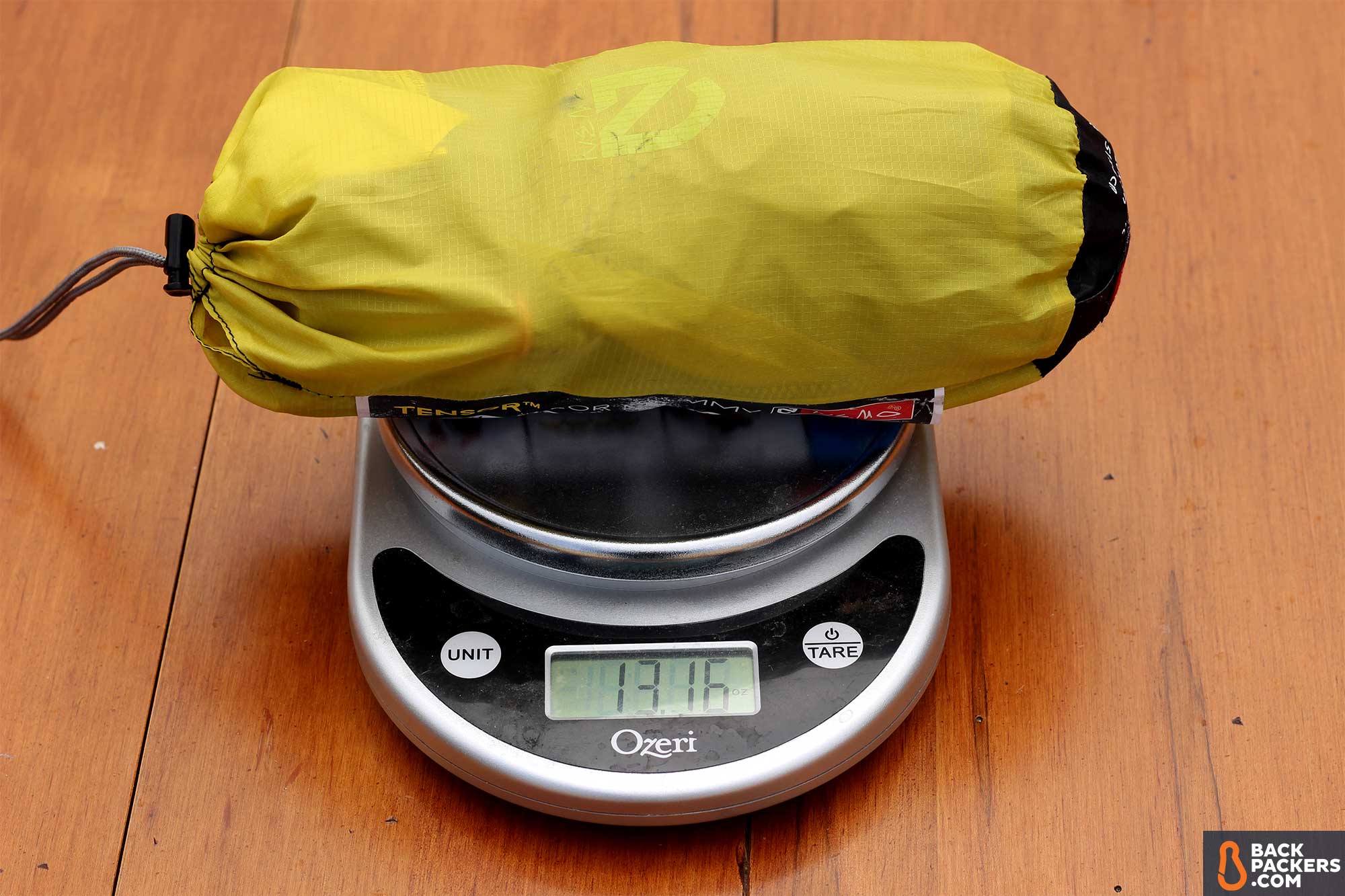
Use lightweight stuff sacks or compression bags. Remove any removable liners or hoods if you don’t need them.
- Skip extra pockets if you don’t need them.
- Choose thin fabrics that still keep warmth.
- Use small compression sacks to pack tight.
- Remove hoods or liners if possible.
Credit: backpackers.com
Popular Brands And Models
Choosing the right sleeping bag weight is important for backpacking comfort. Many brands offer models that balance weight and warmth well.
This guide highlights popular brands and their sleeping bags, focusing on ultralight and lightweight options.
Top Picks For Ultralight
Ultralight sleeping bags are best for those who want to carry the least weight possible. These bags often weigh under 2 pounds but still offer good insulation.
- Western Mountaineering Ultralite:Weighs about 1 lb 12 oz. It uses high-quality down for warmth and packability.
- Montbell Alpine Light:Around 1 lb 13 oz. It is compact and suitable for mild to cold weather.
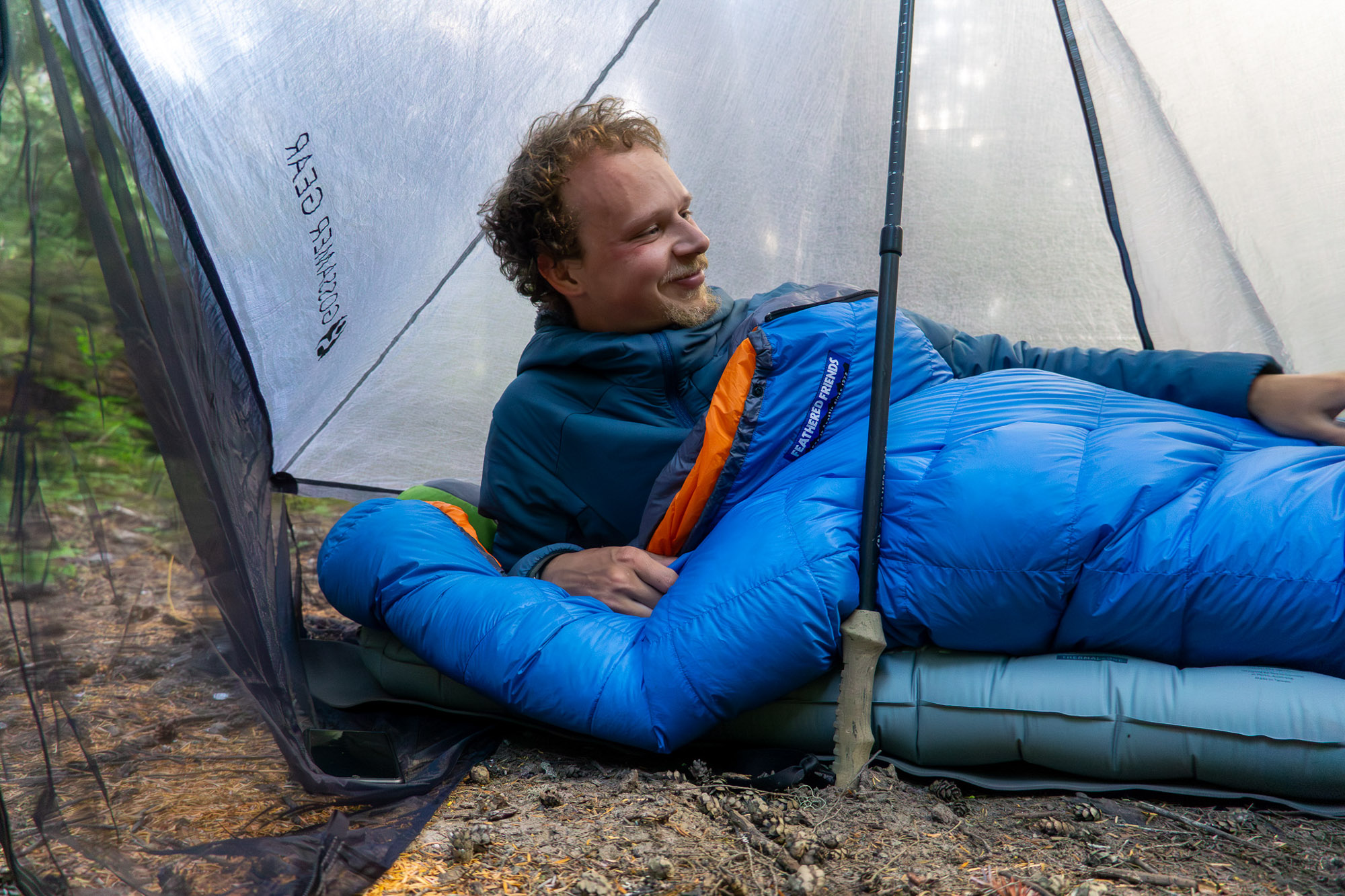
- Feathered Friends Hummingbird:About 1 lb 14 oz. Known for excellent warmth-to-weight ratio and durability.
Best Lightweight Selections
Lightweight sleeping bags offer a balance between comfort and weight. They are slightly heavier than ultralight bags but often cost less.
| Brand | Model | Weight | Temperature Rating |
| REI Co-op | Magma 15 | 2 lb 8 oz | 15°F (-9°C) |
| Marmot | Phase 20 | 2 lb 10 oz | 20°F (-7°C) |
| Sea to Summit | Spark SPIII | 2 lb 9 oz | 20°F (-7°C) |
| Kelty | Cosmic 20 | 3 lb 2 oz | 20°F (-7°C) |
Real-world User Experiences
Choosing the right weight for a backpacking sleeping bag is key to a good trip. Many hikers share their experiences to help others decide.
This guide looks at what backpackers say and what experts advise about sleeping bag weight.
Backpacker Testimonials
Many backpackers find that the sleeping bag weight affects how far and fast they can hike. Light bags make the trip easier, but warmth is also important.
- Some hikers carry bags under 2 pounds for summer trips.
- Others prefer 3 to 4 pounds for colder weather comfort.
- Comfort and pack size often matter more than just weight.
One user said a 2.5-pound bag was perfect for spring trips. Another shared they felt safer with a 4-pound bag in chilly nights.
Expert Recommendations
Experts suggest picking a sleeping bag weight based on expected temperatures and trip length. They also consider the bag’s insulation type and size.
| Weight Range | Best For | Notes |
| Under 2 lbs (900 g) | Warm weather, short trips | Light but less warm |
| 2 to 3.5 lbs (900 g – 1.6 kg) | Three-season trips | Good balance of weight and warmth |
| Over 3.5 lbs (1.6 kg) | Cold weather, winter trips | Heavier but more insulation |
Credit: gearjunkie.com
Frequently Asked Questions
What Is The Ideal Weight For A Backpacking Sleeping Bag?
An ideal backpacking sleeping bag weighs between 1. 5 to 3 pounds. This range balances warmth, comfort, and portability for most hikers.
How Does Sleeping Bag Weight Affect Backpacking Comfort?
Lighter sleeping bags reduce overall pack weight, improving comfort and mobility. However, very light bags may sacrifice warmth and durability.
Should I Prioritize Weight Or Warmth In A Sleeping Bag?
Prioritize warmth for colder conditions and weight for long-distance hikes. Choose a balance based on your specific trip needs.
What Materials Contribute To A Sleeping Bag’s Weight?
Down insulation is lightweight and compressible. Synthetic insulation is heavier but performs better when wet. Shell fabrics also impact weight.
Conclusion
Choosing the right sleeping bag weight matters for comfort and ease. Light bags help you carry less and move faster. Heavier bags offer more warmth but add bulk. Think about the weather and trip length too. Balance weight with warmth to enjoy your hike fully.
A good sleeping bag makes rest better after long days. Keep your needs simple and clear. This way, you get the best sleep and fun on your adventure.