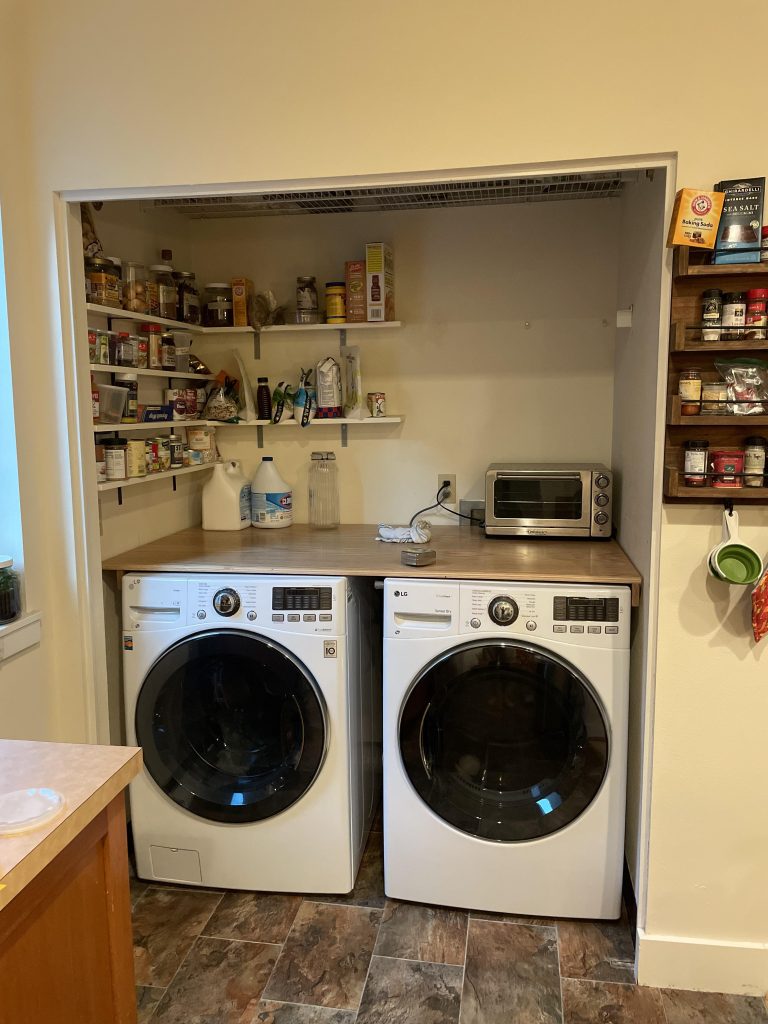
Are you planning to add a washer and dryer to your home but unsure how much space you need? Finding the right spot can be tricky.
Too little room, and your machines won’t fit or work properly. Too much, and you waste valuable space. You’ll discover exactly how much space your washer and dryer need to fit comfortably and function efficiently. Keep reading to avoid costly mistakes and make the most of your laundry area.

Credit: www.housebeautiful.com
Washer And Dryer Dimensions
Choosing the right washer and dryer size is important for your laundry space. Knowing the dimensions helps fit these appliances properly.
Different models have different sizes. This guide covers standard, compact, and stackable units.
Standard Sizes
Standard washers and dryers are common in many homes. They offer more capacity and fit most laundry rooms.
| Type | Width | Height | Depth |
| Washer | 27 inches | 36 inches | 30 inches |
| Dryer | 27 inches | 36 inches | 29 inches |
Compact Models
Compact washers and dryers save space. They work well in small apartments or tight laundry areas.
- Width: 24 inches or less
- Height: Around 33 to 36 inches
- Depth: About 24 to 27 inches
Stackable Units
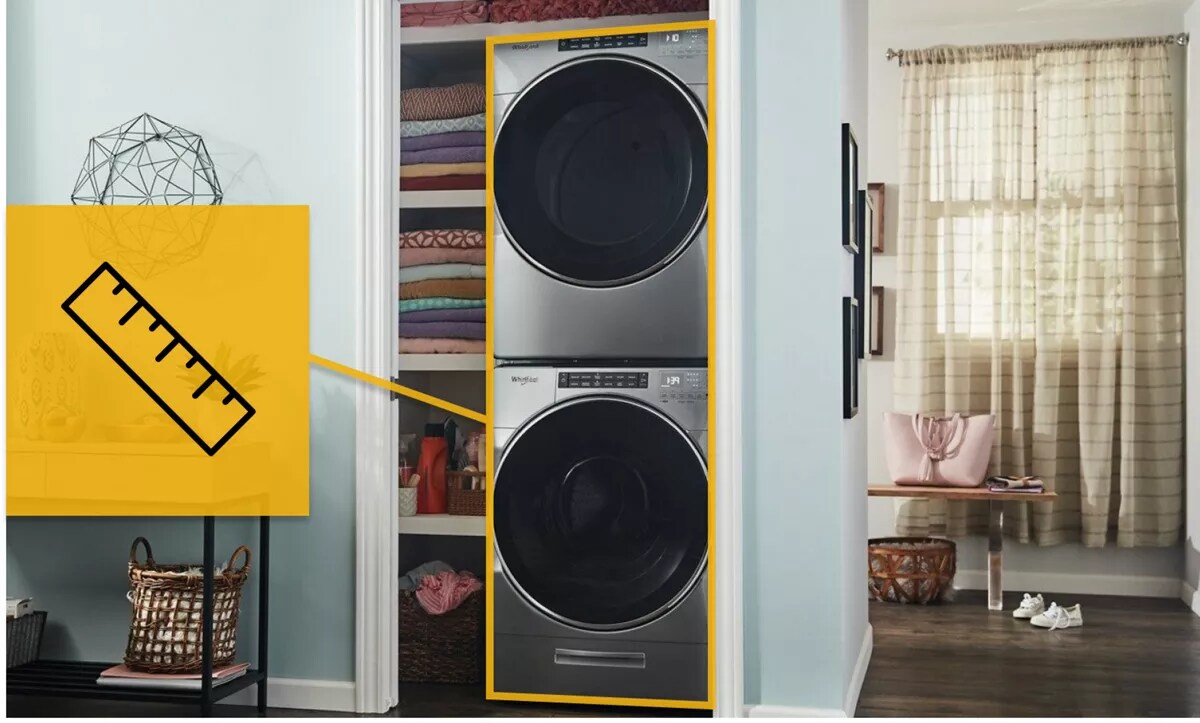
Stackable units fit one on top of the other. This design frees floor space in small rooms.
| Unit | Width | Height | Depth |
|---|---|---|---|
| Washer | 24-27 inches | 33-39 inches | 24-30 inches |
| Dryer (stacked on washer) | 24-27 inches | 33-39 inches | 24-30 inches |
Measuring Your Laundry Area
It is important to measure your laundry space before buying a washer and dryer. Good measurements help you pick the right size appliances.
Check the space width, depth, and height to ensure the machines fit well. Also, leave room for doors and vents.
Width And Depth Requirements
Measure the width and depth of the laundry area carefully. Most washers and dryers need about 27 inches wide. Depth varies but usually is around 30 to 34 inches.
- Measure the total width of the space from wall to wall.
- Check the depth from the wall to where the machines will sit.
- Allow extra space for hoses and plugs behind the appliances.
- Remember to leave about 1 inch on each side for air circulation.
Height Considerations
Height is key, especially for stacked units or machines under counters. Most washers and dryers are about 38 to 43 inches tall.
| Appliance Type | Typical Height Range |
| Standard Washer | 38-43 inches |
| Standard Dryer | 38-43 inches |
| Stacked Washer & Dryer | 70-75 inches |
| Washer/Dryer Under Counter | 33-36 inches |
Door And Vent Clearance
Doors and vents need space to open and work properly. Check how much room the washer and dryer doors require.
- Measure the door swing space for front-loading washers and dryers.
- Allow at least 4 inches behind the dryer for venting and hoses.
- Keep vents clear of obstructions for good airflow.
- Make sure the laundry area has easy access to power and water connections.
Space Planning Tips
Planning space for your washer and dryer is important. It helps keep your laundry area safe and easy to use.
Good space planning makes washing clothes faster and more comfortable.
Allowing For Ventilation
Washers and dryers need air to work well. Ventilation stops heat and moisture from building up.
Leave space around the machines for air to flow freely and avoid damage.
- Keep at least 3 inches of space behind the machines
- Leave 1-2 inches on each side for air circulation
- Make sure dryer vents are not blocked
Access And Maintenance Space
You need room to get to your washer and dryer for cleaning and repairs. Tight spaces make maintenance hard.
Plan extra space in front of your machines so doors open fully and you can reach hoses and filters.
- Allow at least 24 inches of clearance in front
- Keep area behind machines clear for hose access
- Make space for removing lint traps and filters
Storage Options Nearby
Having storage close to your washer and dryer helps keep laundry items organized. It saves time and space.
Plan shelves or cabinets near your machines for detergents, softeners, and cleaning tools.
- Install wall shelves above the machines
- Use cabinets beside or under machines if space allows
- Consider a small cart on wheels for easy movement
Choosing The Right Configuration
Choosing the right washer and dryer setup saves space and fits your needs. It helps keep your laundry area neat and easy to use.
Think about your space size and how often you do laundry. This guide explains common configurations to help you decide.
Side-by-side Vs Stackable
Side-by-side washers and dryers stand next to each other. They need more width but give easy access to both machines.
Stackable units save floor space by placing the dryer on top of the washer. This fits small areas but needs enough height.
- Side-by-side needs about 60 inches wide space
- Stackable requires around 27 inches wide and 75 inches high
- Side-by-side is easier to load and unload
- Stackable works well in closets or narrow rooms
Built-in Vs Freestanding
Built-in washers and dryers fit inside cabinets or walls. They look neat and save space but need planned installation.
Freestanding units can stand alone anywhere with hookups. They are easy to move but take up visible space.
- Built-in units need exact measurements for cabinets
- Freestanding units require clearance for ventilation
- Built-in models offer a sleek look
- Freestanding models are flexible to place
Portable Options
Portable washers and dryers are small and easy to move. They suit apartments or places without permanent hookups.
They need less space but may wash smaller loads. Portable dryers use less power and vent differently.
- Portable washers need about 24 inches wide space
- Portable dryers fit in small areas with ventilation
- They connect to kitchen or bathroom faucets
- Good for limited space and occasional use
Additional Space Needs
Planning space for a washer and dryer is not enough. You need extra room for laundry tasks.
Extra space helps keep your laundry area organized and easy to use.
Laundry Baskets And Hampers
You need space for laundry baskets or hampers. These hold dirty clothes before washing.
Keep them close to the washer for easy sorting and loading.
- One basket for whites
- One basket for colors
- One basket for delicate items
Folding And Sorting Areas
After washing and drying, clothes need space for folding. Sorting helps keep clothes neat.
A flat surface near the washer and dryer works well for folding and sorting clothes.
- Use a countertop or table
- Keep it at a comfortable height
- Allow enough space for multiple items
Utility Sink And Shelving
A utility sink is helpful for hand-washing clothes and cleaning up spills. It needs space next to appliances.
Shelving above or near the washer and dryer stores detergents and other laundry supplies.
- Sink size should fit the space available
- Shelves should be easy to reach
- Use sturdy shelves for heavy items
Credit: www.whirlpool.com
Common Mistakes To Avoid
Installing a washer and dryer requires more than just picking a spot. Avoid common mistakes to ensure a functional laundry area.
Consider space, ventilation, and door swings to prevent future headaches.
Ignoring Clearance Space
Clearance space is crucial for your washer and dryer to function properly.
- Allow at least 1 inch on all sides.
- Maintain 6 inches behind for hoses and vents.
- Ensure easy access for maintenance.
Overlooking Ventilation
Ventilation prevents moisture buildup and keeps your laundry area safe.
Underestimating Door Swing
Door swing can affect access and usage of your laundry machines.
| Type | Required Space |
| Front Load | Allow door clearance of 20 inches |
| Top Load | Ensure overhead space is clear |

Credit: www.angi.com
Frequently Asked Questions
How Much Space Do I Need For A Washer And Dryer?
Typically, allow a minimum of 30 inches wide and 60 inches deep. Include extra space for ventilation and hookups. This ensures proper installation and easy access for maintenance.
What Is The Ideal Laundry Room Size For Appliances?
A functional laundry room should be at least 5 feet by 6 feet. This provides enough room for both washer and dryer plus workspace. Larger rooms improve comfort and storage options.
Can A Washer And Dryer Fit In A Small Closet?
Yes, compact or stackable units fit well in closets about 27 inches wide. Ensure proper ventilation and clearance for doors. Measure carefully to avoid tight spaces that hinder appliance performance.
How Much Clearance Is Needed Around Washer And Dryer?
Maintain at least 1 inch clearance on sides and 4-6 inches behind. This space allows for airflow and hose connections. Proper clearance prevents overheating and damage.
Conclusion
Choosing the right space for your washer and dryer matters a lot. A good fit saves room and helps machines work well. Measure carefully before buying or installing. Leave space for ventilation and easy access. Small changes can make laundry easier and faster.
Plan ahead to avoid problems later. A well-planned laundry area keeps your home neat and organized. Remember, space matters for comfort and machine life.