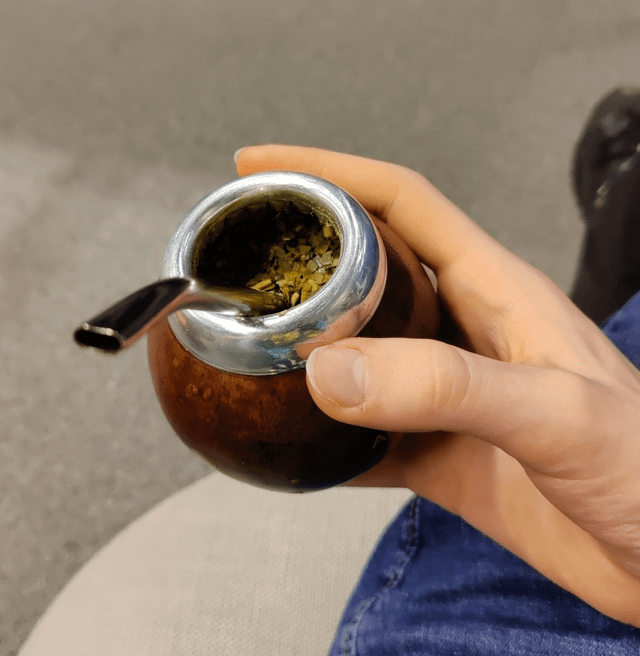
Are you wondering how much tea leaves you need for the perfect cup? Getting this just right can change your entire tea experience.
Too little, and your tea tastes weak and boring. Too much, and it becomes bitter and overwhelming. Finding the right balance is easier than you think—and it makes every sip more enjoyable. Keep reading to discover the simple secret to brewing your ideal cup every time.

Credit: shantichai.com
Choosing The Right Tea Leaves
Choosing the right tea leaves affects the taste of your tea. Different leaves give different flavors and strengths.
Knowing what tea leaves to use helps you measure the right amount for one cup. This guide explains types and quality of tea leaves.
Types Of Tea Leaves
Tea leaves come in many types. Each type changes the flavor and strength of the tea.
- Black tea leaves are fully oxidized and strong.
- Green tea leaves are lightly processed and fresh-tasting.
- Oolong tea leaves are partially oxidized, with a balance of flavors.
- White tea leaves are the least processed and very mild.
- Herbal tea leaves are not from the tea plant but add unique flavors.
Leaf Quality And Freshness
High-quality, fresh leaves make better tea. Old or poor leaves taste flat and weak.
| Quality Factor | Effect on Tea |
| Freshness | Stronger aroma and flavor |
| Whole Leaves | Better taste and slower brewing |
| Broken Leaves | Faster brewing but weaker taste |
| Storage | Keep in airtight containers away from light |

Credit: www.reddit.com
Measuring Tea Leaves
Measuring tea leaves is important for a perfect cup. Too much or too little can change the taste.
Use the right amount of tea leaves to enjoy the right flavor and strength.
Standard Measurements
The usual amount for one cup of tea is about one teaspoon of loose leaves. This equals roughly 2 to 3 grams.
If you use tea bags, one bag is made for one cup, so no measuring is needed.
- 1 teaspoon (2-3 grams) of loose tea leaves per cup (8 ounces)
- 1 tea bag per cup for bagged tea
- Adjust amount if you prefer stronger or lighter tea
Adjusting For Tea Type
Different teas need different amounts of leaves. Some teas have bigger leaves that take more space.
For example, green tea needs less leaves than black tea. Herbal teas may need more to get a full flavor.
| Tea Type | Amount per Cup |
|---|---|
| Black Tea | 1 teaspoon (2-3 grams) |
| Green Tea | ¾ teaspoon (1.5-2 grams) |
| Oolong Tea | 1 teaspoon (2-3 grams) |
| Herbal Tea | 1 to 2 teaspoons (3-5 grams) |
| White Tea | 1 teaspoon (2-3 grams) |
Water Temperature And Its Role
Water temperature is important when brewing tea. It affects how well the tea leaves release flavor.
Using the right temperature helps you get the best taste from your tea leaves for one cup.
Temperature For Different Teas
Different teas need different water temperatures. Green teas use cooler water, while black teas need hotter water.
| Tea Type | Ideal Water Temperature |
| Green Tea | 160°F – 180°F (70°C – 80°C) |
| White Tea | 160°F – 185°F (70°C – 85°C) |
| Oolong Tea | 185°F – 205°F (85°C – 96°C) |
| Black Tea | 200°F – 212°F (93°C – 100°C) |
| Herbal Tea | 212°F (100°C) |
Impact On Flavor
Temperature changes how strong or bitter your tea tastes. Too hot water can burn leaves.
- Cooler water keeps delicate flavors in green and white teas
- Hotter water extracts bold flavors from black and herbal teas
- Wrong temperature can make tea taste bitter or flat
- Proper temperature preserves natural sweetness and aroma
Brewing Time Guidelines
Knowing how long to steep your tea is important. The right time brings out the best flavors.
Steeping time depends on the type of tea and the amount of leaves used. This guide helps you brew a perfect cup.
Optimal Steeping Times
Different teas need different steeping times. Use the right time to avoid weak or bitter tea.
Here are common steeping times for one cup with the usual amount of tea leaves:
- Green tea: 2 to 3 minutes
- Black tea: 3 to 5 minutes
- Oolong tea: 4 to 7 minutes
- White tea: 4 to 5 minutes
- Herbal tea: 5 to 7 minutes
Effects Of Oversteeping
Steeping tea too long can make it taste bitter or too strong. This happens because extra tannins are released.
Oversteeping also reduces the pleasant aroma and can leave a dry feeling in your mouth.
- Bitter taste from too many tannins
- Loss of delicate flavors
- Dry or astringent mouthfeel
- Less enjoyable tea experience
Tools For Accurate Measurement
Measuring the right amount of tea leaves is key to a good cup of tea. Using proper tools helps you get the perfect taste every time.
There are simple tools you can use to measure tea leaves accurately. This guide covers teaspoons, scales, measuring cups, and infusers.
Using Teaspoons And Scales
Teaspoons are the most common tool for measuring tea leaves. A level teaspoon usually holds about 2 grams of dry leaves.
- Use a standard teaspoon for loose tea leaves.
- Fill the teaspoon without packing the leaves.
- For precision, use a digital kitchen scale to weigh leaves in grams.
- Scales are helpful when you want to measure larger amounts or specific types of tea.
Measuring Cups And Infusers
Measuring cups and infusers help control the amount of tea leaves and water used. Some infusers have built-in measurements.
| Tool | Best Use | Notes |
| Measuring Cup | Measuring water volume | Helps keep tea strength consistent |
| Tea Infuser | Holding tea leaves during brewing | Some show leaf capacity for easy measuring |
| Measuring Spoon | Portioning dry tea leaves | Usually marked for different leaf types |
Adjusting For Personal Taste
Making tea just right depends on how strong or mild you like it. Everyone’s taste is different. You can change the amount of tea leaves to match your preference.
Finding your perfect cup means trying different amounts. This helps you enjoy tea the way you want it every time.
Stronger Vs. Milder Tea
Stronger tea uses more leaves and brews longer. Milder tea uses fewer leaves and less brewing time. You can adjust both to suit your taste.
- Use 2 grams of tea leaves for a mild cup
- Use 3 grams for a medium strength
- Use 4 grams or more for a strong cup
- Steep longer for a stronger taste
- Steep shorter for a lighter flavor
Experimenting With Leaf Quantity
Try different leaf amounts to find your favorite. Start small and increase the leaves if you want more flavor. Keep notes of what you like best.
| Leaf Quantity (grams) | Tea Strength | Recommended Cup Size (ml) |
| 1.5 – 2 | Mild | 200 – 250 |
| 2.5 – 3 | Medium | 200 – 250 |
| 3.5 – 4 | Strong | 200 – 250 |
Special Tips For Loose Leaf Tea
Loose leaf tea gives you a fresh and rich flavor. Using the right amount of tea leaves matters a lot.
These tips help you get the best taste from your loose leaf tea.
Rinsing Leaves
Rinsing tea leaves means pouring hot water over them quickly. Then, you drain the water before brewing.
This step cleans the leaves and wakes up their flavor. It helps remove dust or small particles.
- Use hot water, not boiling
- Pour water over leaves for 5-10 seconds
- Drain the water fully before brewing
- Rinse only once to keep flavor
Multiple Infusions
Loose leaf tea can be brewed several times. Each brew gives a new taste.
Use the same leaves and add hot water again. Adjust steeping time for each infusion.
- First infusion: steep 2-3 minutes
- Second infusion: steep 3-4 minutes
- Third infusion: steep 4-5 minutes
- Stop after flavor fades

Credit: www.siftandsimmer.com
Frequently Asked Questions
How Many Teaspoons Of Tea For One Cup?
For a single cup of tea, typically use one teaspoon of loose tea leaves. Adjust based on personal taste and tea type. Stronger teas might need more leaves, while delicate ones require less. Always follow specific instructions on the tea packaging for the best results.
What Is The Ideal Water Temperature For Tea?
The ideal water temperature varies by tea type. Black teas require boiling water, while green and white teas need cooler water, around 160-185°F (70-85°C). Using the right temperature enhances flavor and prevents bitterness.
Can I Reuse Tea Leaves For Another Cup?
Yes, you can reuse tea leaves, especially for high-quality teas. However, the second brew might be milder. To reuse, steep the leaves slightly longer than the first time. Some teas, like oolong, are designed for multiple infusions, revealing different flavors with each brew.
How Long Should I Steep Tea Leaves?
Steeping time depends on tea type. Black tea generally requires 3-5 minutes, while green and white teas need 2-3 minutes. Over-steeping can result in bitterness. Always consult the tea packaging for precise guidance, ensuring a perfectly brewed cup every time.
Conclusion
Finding the right amount of tea leaves makes a big difference. Too little leaves lead to weak flavor. Too much leaves can taste bitter. Usually, one teaspoon works well for one cup. Adjust a little based on your taste. Fresh leaves give the best results.
Enjoy your perfect cup every time. Simple steps bring better tea moments. Try measuring next time you brew tea. You will notice the change quickly. Happy sipping!