
Are you wondering how much to charge for your car’s air conditioner service? If your AC isn’t cooling like it used to, you’re probably thinking about repairs or a recharge—but the costs can be confusing.
You don’t want to overpay, but you also want to make sure the job is done right. You’ll discover clear, straightforward answers about pricing, what affects the cost, and how to avoid surprises. By the end, you’ll feel confident making the best decision for your car and your wallet.
Keep reading to find out exactly what you should expect to pay—and why.
Factors Affecting Ac Charging Costs
Charging a car air conditioner can cost different amounts. The price depends on many things. Understanding these factors helps you know what to expect.
Knowing why costs vary makes it easier to plan your budget. Some parts of your car and service can change the final price.
Type Of Vehicle
Different vehicles have different AC systems. Some need more refrigerant or parts. Larger cars often use more refrigerant than small cars.
Luxury or imported cars may have special AC systems. These can cost more to charge because parts are costly or hard to find.
Ac System Condition
If your AC system has leaks or damage, it will cost more to charge. Technicians may need to fix leaks before adding refrigerant.
Old or worn parts can increase the price. Good system condition means less work and lower cost.
Refrigerant Type
Different cars use different refrigerants. Some refrigerants are more expensive than others. Newer refrigerants cost more due to environmental rules.
Using the right refrigerant is important. Wrong types can damage the system and increase repair costs.
- R-134a is common and usually cheaper
- R-1234yf is newer and more costly
- Older cars may use older refrigerants
Labor Charges
Labor costs vary by location and shop. Some places charge more per hour than others. Complex AC systems take more time and cost more labor.
Simple AC charges can be quick. If repairs or cleaning are needed, labor costs rise. Always ask about labor rates before service.
Average Cost To Charge Car Ac
Car air conditioners need regular charging to work well. Charging means adding refrigerant to the system. The cost to charge a car AC can vary based on several factors.
Knowing the average cost helps you plan your budget. It also helps you decide if you want to do it yourself or hire a professional.
Typical Price Ranges
The cost to charge a car AC usually depends on the amount of refrigerant used. Prices may also change based on the car type and service provider.
| Service Type | Price Range |
| Basic AC recharge | $50 – $150 |
| Full system recharge | $150 – $300 |
| Leak detection and repair | $100 – $500 |
Diy Vs Professional Service
Some car owners choose to charge their AC themselves. Others prefer to use professional services. Each choice has pros and cons.
- DIY:Lower cost, but needs special tools and knowledge.
- Professional:Higher cost, but done safely and correctly.
- DIY may risk damage if done wrong.
- Professionals can spot other AC problems during service.
Regional Price Variations
Prices for charging car AC vary by region. Labor costs and refrigerant prices differ across areas. Urban centers often have higher rates.
| Region | Average Cost |
|---|---|
| North America | $100 – $200 |
| Europe | $120 – $250 |
| Asia | $50 – $150 |
| Australia | $130 – $220 |
Signs Your Car Ac Needs Charging
Car air conditioners cool your vehicle by circulating refrigerant. Over time, the AC may lose its charge and stop working well. You need to know the signs that show your car AC needs charging.
Checking these signs early can help you avoid costly repairs and stay comfortable during drives.
Weak Airflow
If your car AC blows air but it feels weak or less strong than before, this can mean low refrigerant levels. Weak airflow happens because the system struggles to push cold air without enough charge.
Warm Air Blowing
Your AC should blow cold air inside the car. When it starts blowing warm or room temperature air, it often means the refrigerant is low or empty. This is a clear sign your AC needs charging.
- Air is not as cold as usual
- Temperature changes with outside weather
- AC takes longer to cool the car
Unusual Noises
Listen for strange sounds when your AC runs. Clicking, hissing, or grinding noises can mean the system is low on refrigerant or has a leak. These noises show the AC is working harder than normal.
| Noise Type | Possible Cause |
| Clicking | Compressor issues due to low refrigerant |
| Hissing | Refrigerant leak in the system |
| Grinding | Worn out AC components |
Foul Odors
Bad smells from your AC vents can mean mold or bacteria growth inside the system. Low refrigerant can cause moisture build-up, leading to these odors. Cleaning the AC and recharging may fix the problem.
Tips to reduce foul odors:
- Use AC cleaner sprays
- Replace cabin air filter regularly
- Keep the AC system dry when not in use

Credit: www.youtube.com
Step-by-step Ac Charging Process
Charging your car’s air conditioner is important for cool air. This guide shows the process in easy steps.
Follow these steps carefully to ensure your AC works well and lasts longer.
Checking Refrigerant Levels
First, check the refrigerant level in your car’s AC system. Low refrigerant means your AC will not cool properly.
You need a gauge to measure the pressure and see if the refrigerant is enough.
- Turn off the engine before checking.
- Attach the gauge to the low-pressure port.
- Read the pressure level on the gauge.
- Compare the reading to the car’s manual specs.
Locating The Service Ports
Find the service ports where you connect the charging hose. There are two ports: low and high pressure.
The low-pressure port is where you add refrigerant. It is usually smaller and has a cap labeled “L” or “Low.”
- Open the hood and look near the AC compressor.
- Locate the low-pressure port by size and label.
- Remove the cap carefully to avoid dirt entering.
Adding Refrigerant Safely
Add refrigerant only when the engine is on and AC set to the coldest setting. This helps the system pull the refrigerant in.
Use the correct type of refrigerant. Add it slowly to avoid overcharging.
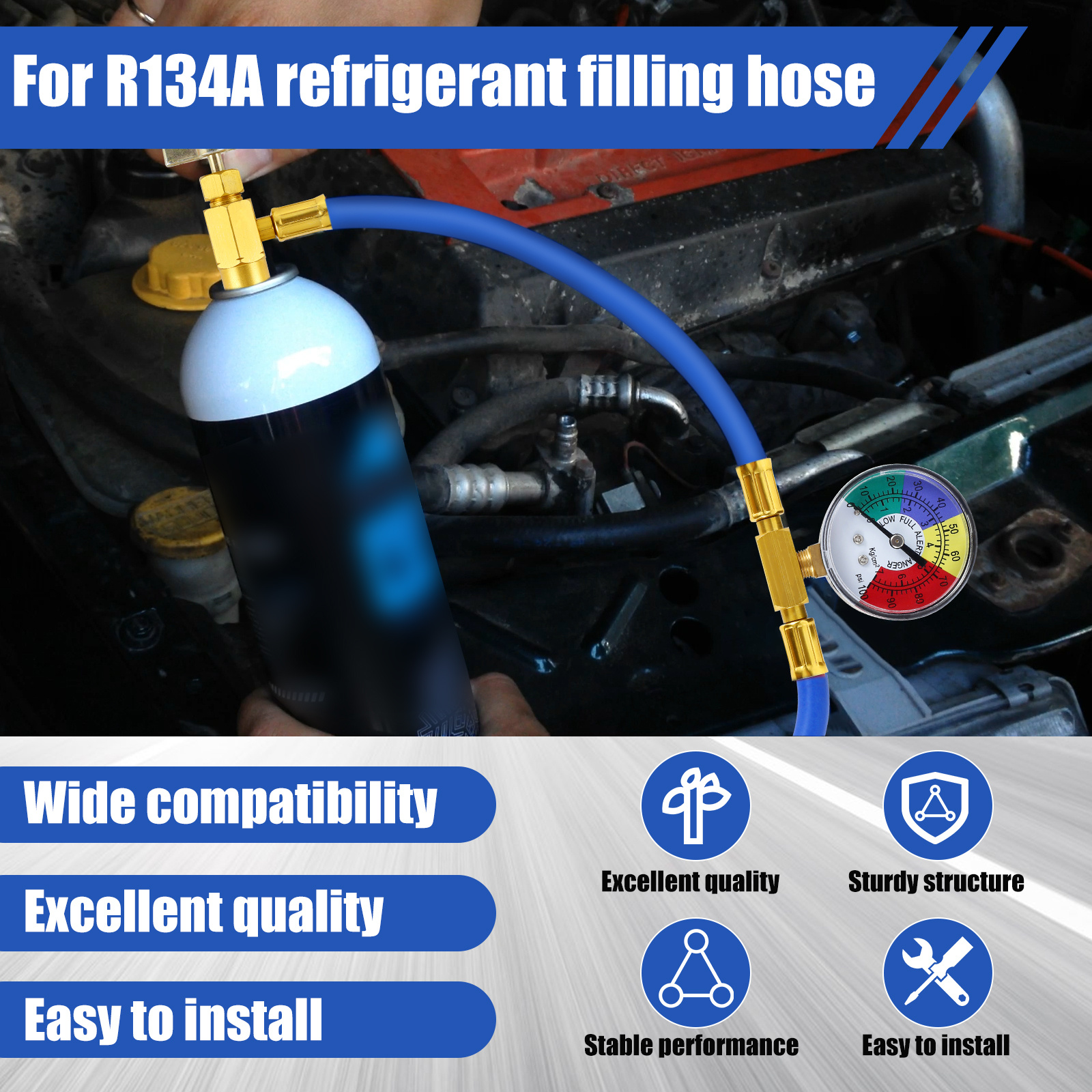
- Attach the refrigerant can to the charging hose.
- Connect hose to the low-pressure port.
- Open the valve on the can slowly.
- Watch the gauge to see pressure rise.
- Stop when pressure matches the car manual.
- Close the valve and remove the hose.
- Replace the port cap securely.
Common Ac Problems And Repair Costs
Car air conditioners often face issues that affect cooling. Fixing these problems costs different amounts.
Knowing common AC problems helps you understand repair prices. This guide covers leaks, compressor issues, and part replacements.
Leaks And Their Impact
Leaks let refrigerant escape, lowering the AC’s cooling power. Small leaks can turn into bigger problems if ignored.
- Common leak points: hoses, seals, and connections.
- Repair costs depend on leak size and location.
- Minor leaks may cost $100 to fix.
- Major leaks or parts replacement can cost $300 or more.
Compressor Issues
The compressor pumps refrigerant through the AC system. If it fails, the AC stops cooling.
| Problem | Repair Cost Range |
| Compressor clutch replacement | $150 – $300 |
| Full compressor replacement | $500 – $1200 |
| Compressor seal repair | $100 – $250 |
Replacing Ac Components
Sometimes parts like the condenser, evaporator, or expansion valve need replacement. This keeps the AC working well.
Here are typical replacement costs:
- Condenser: $200 – $400
- Evaporator: $300 – $700
- Expansion valve: $100 – $250
Credit: www.temu.com
Tips To Maintain Car Ac Efficiency
Keeping your car air conditioner efficient saves energy and money. Regular care helps the system cool better and last longer.
Simple actions can prevent breakdowns and keep air fresh inside your car. Follow these tips to maintain your car AC’s performance.
Regular Inspections
Check your car AC system often to spot issues early. Look for strange noises or weak airflow. Inspect hoses and belts for cracks or leaks.
- Schedule a professional check-up once a year
- Listen for unusual sounds during operation
- Check refrigerant levels to ensure proper cooling
- Look for signs of leaks or damage under the hood
Cleaning Ac Filters
Dirty filters block airflow and reduce cooling power. Clean or replace your AC filters regularly to keep air fresh and strong.
| Filter Type | Cleaning Frequency | Replacement Time |
| Cabin Air Filter | Every 6 months | Every 12 months |
| Engine Air Filter | Every 12 months | Every 24 months |
Avoiding Overuse
Running your AC at max power all the time wears it down faster. Use it wisely to keep it running well for years.
- Turn off the AC before switching off the engine
- Use recirculation mode to cool faster and save energy
- Open windows briefly on very hot days before turning on AC
When To Replace Your Car Ac System
Your car’s air conditioner keeps you cool during hot days. Over time, it may stop working well. Knowing when to replace your AC system saves money and trouble.
Replacing the system is better than fixing it many times. Watch for signs that show your AC is beyond repair.
Signs Of Irreparable Damage
Some problems mean your car AC system needs replacement. Look for these clear signs to decide:
- Air blows warm even on full power
- Strange noises like grinding or rattling
- Foul or moldy smells from vents
- Leaks of refrigerant or oil under the car
- Repeated repairs that cost a lot
- AC compressor does not engage
Cost Comparison: Repair Vs Replacement
Deciding to repair or replace your AC depends on cost and benefits. Here is a simple table to compare common expenses.
| Service | Typical Cost | When to Choose |
| Recharge Refrigerant | $100 – $200 | Small leaks, minor cooling loss |
| Compressor Repair | $300 – $700 | Single part failure, no other damage |
| Full AC Replacement | $1,000 – $2,500 | Multiple failures, old system |

Credit: m.youtube.com
Frequently Asked Questions
How Much Does Car Ac Recharge Typically Cost?
Car AC recharge usually costs between $100 and $200. Prices vary by vehicle type and refrigerant used. Additional repairs can increase the total cost. It’s a routine maintenance service to keep your AC efficient.
What Factors Affect Car Air Conditioner Repair Costs?
Costs depend on refrigerant price, labor rates, and parts needed. Leaks, compressor issues, or condenser replacement increase expenses. Vehicle model and location also influence pricing. Regular maintenance helps avoid costly repairs.
How Often Should I Recharge My Car’s Air Conditioner?
Most cars need AC recharge every 2 to 3 years. Frequency depends on usage and climate. If cooling weakens, it’s time to check refrigerant levels. Regular checks keep the system running smoothly.
Can I Recharge My Car Ac Myself, And Is It Safe?
DIY recharge kits are available but require caution and knowledge. Incorrect handling risks damage or injury. Professional service ensures proper refrigerant levels and leak checks. For best results, hire a certified technician.
Conclusion
Determining the right price for car air conditioner service is crucial. Consider factors like labor, parts, and your expertise. Research local market rates for guidance. Keep pricing competitive yet fair. Transparent pricing builds trust with customers. Ensure quality service to justify costs.
Happy customers often return and refer others. Regular maintenance can prevent costly repairs. Educate clients about maintaining their car’s AC system. This helps them save money long-term. Remember, clear communication strengthens customer relationships. A well-maintained air conditioner ensures comfort on every drive.
That’s a win for both you and your customers.