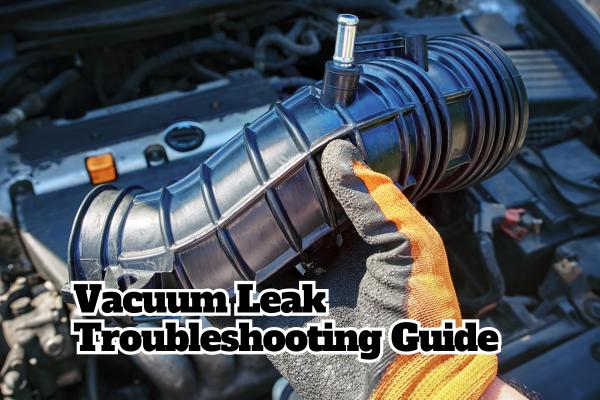
Are you hearing a strange hissing sound from your car’s engine? Or maybe you’re noticing that your vehicle is not performing as efficiently as it used to.
These could be signs of a vacuum leak. But before panic sets in, let’s unravel the mystery of vacuum leaks and what they could mean for your wallet. Understanding how much it might cost to fix a vacuum leak can save you both time and stress.
Imagine cruising down the road, knowing your engine is running smoothly, and your bank account isn’t suffering. Stick around, and we’ll break down everything you need to know about diagnosing and fixing a vacuum leak, so you can make the best decision for your car and your budget.
Credit: www.cgsulitstore.com
Signs Of A Vacuum Leak
Noticing a vacuum leak in your vehicle can be tricky if you don’t know what signs to look for. These leaks often cause subtle issues that worsen over time, affecting your car’s performance and fuel efficiency. Recognizing these signs early can save you both money and stress.
Common Symptoms
- Rough Idle:Your engine may shake or stutter when idling.
- Check Engine Light:The light might come on unexpectedly without clear cause.
- Hissing Noise:A faint hissing or sucking sound near the engine could indicate escaping air.
- Higher RPMs:The engine may rev higher than usual without pressing the accelerator.
- Poor Fuel Economy:You might notice you’re filling up your tank more often.
Have you ever driven a car that felt “off” but couldn’t pinpoint why? These symptoms often point to a vacuum leak, even if they seem unrelated at first.
Impact On Engine Performance
A vacuum leak lets extra air into the engine, throwing off the air-to-fuel ratio. This imbalance can cause your engine to run lean, which means it gets too much air and not enough fuel.
Running lean may lead to misfires, hesitation during acceleration, and reduced power. You might find your car struggles to maintain speed on hills or accelerates sluggishly.
Ignoring these signs can lead to more serious engine damage. Have you noticed your car’s performance dipping unexpectedly? That’s often your engine telling you it needs attention.
Causes Of Vacuum Leaks
Vacuum leaks can cause frustrating engine problems, but understanding their causes can help you spot issues early and save on costly repairs. These leaks happen when unmetered air enters your engine, disrupting the air-fuel mix and affecting performance. Knowing what triggers vacuum leaks helps you decide when to fix them and how much it might cost.
Worn Out Hoses
Hoses carry vacuum pressure throughout your engine, but over time, heat and wear make them brittle or cracked. A worn-out hose can let air sneak in, causing rough idling or stalling. Check your hoses regularly for soft spots, cracks, or loose connections to avoid these problems.
Faulty Gaskets
Gaskets seal critical parts of your engine, but they can degrade or shift out of place. A faulty gasket, especially around the intake manifold, allows air to bypass the throttle body and confuse your engine’s sensors. Have you noticed your engine running unevenly? A gasket replacement might be the fix you need.
Cracked Intake Manifold
The intake manifold distributes air to your engine cylinders, but it’s prone to cracking due to heat and pressure. Even a small crack can create a vacuum leak, leading to poor fuel efficiency and engine misfires. If you spot coolant leaks or hear hissing noises near the manifold, it’s worth getting it inspected immediately.
Diagnostic Methods
Finding a vacuum leak needs careful diagnostic methods. These help pinpoint the exact location of the leak. Accurate diagnosis saves time and money on repairs. Several tools and techniques make this task easier. Understanding these methods helps you decide the best approach.
Visual Inspection
Visual inspection is the simplest way to find leaks. Look for cracked, broken, or loose hoses. Check around the intake manifold and vacuum lines. Dirt or oil buildup can show where air escapes. This method does not need special tools. It works well for obvious or large leaks.
Smoke Test
A smoke test uses special machines to push smoke through vacuum lines. Smoke escapes from any hole or crack. This makes leaks easy to spot. It works well for hidden or small leaks. Professionals often use this test because it is quick and accurate. Smoke tests can cost more but save repair guesswork.
Using A Vacuum Gauge
A vacuum gauge measures the engine’s vacuum pressure. Low or fluctuating readings suggest leaks. Connect the gauge to a vacuum port and watch the needle. Steady, high vacuum means no leaks. Drops or swings show air entering the system. This method helps find leaks inside the engine as well.

Credit: www.youtube.com
Repair Options
Repairing a vacuum leak involves several options. Some fixes require simple tools and little experience. Others need professional skills and equipment. Choosing the right repair depends on the leak’s size and location. Understanding these options helps you decide what suits your needs and budget.
Diy Fixes
Small vacuum leaks often allow easy home repairs. Common fixes include:
- Using sealant or vacuum-safe tape to cover holes
- Replacing worn-out vacuum hoses or gaskets
- Cleaning or tightening loose connections
These fixes cost less and save time. They work well for minor cracks or loose parts. Basic tools like screwdrivers and pliers may be needed. Follow safety instructions and check vacuum manuals before starting.
Professional Repairs
Large or hard-to-reach leaks require expert help. Mechanics use special tools to detect and fix leaks precisely. Services include:
- Pressure testing and smoke tests to find leaks
- Replacing or repairing damaged intake manifolds or valves
- Ensuring all repairs meet safety and performance standards
Professional repairs cost more but ensure long-lasting results. They also protect your engine and improve fuel efficiency. Visiting a trusted shop guarantees quality service and proper parts.
Cost Breakdown
Understanding the cost breakdown of fixing a vacuum leak helps plan your budget well. The total expense includes parts, labor, and sometimes extra fees. Each factor can change the final price.
Parts Pricing
Parts needed for a vacuum leak repair vary by vehicle model. Common parts include hoses, gaskets, and sensors. Prices range from $10 for simple hoses to $150 for advanced sensors. Using original equipment manufacturer (OEM) parts can increase costs. Aftermarket parts offer cheaper alternatives but may vary in quality.
Labor Charges
Labor costs depend on the mechanic’s hourly rate and repair time. Most shops charge between $70 and $120 per hour. Fixing a vacuum leak can take one to three hours. Complex leaks take longer and cost more. Labor fees also reflect the shop’s location and reputation.
Additional Fees
Extra fees sometimes apply to vacuum leak repairs. Diagnostic fees cover the cost of finding the leak. Some shops charge a flat diagnostic fee between $50 and $100. Taxes and shop supplies may add to the total bill. Always ask for a detailed estimate before repair work begins.
Factors Affecting Repair Cost
Understanding the factors that influence the cost to fix a vacuum leak can help you make smarter decisions about your vehicle repairs. Not all vacuum leaks are the same, and the price can vary widely depending on several key elements. Knowing what affects the repair cost allows you to anticipate expenses and avoid surprises.
Vehicle Make And Model
Your vehicle’s make and model play a significant role in the repair cost. Luxury or imported cars often require specialized parts and labor, which can drive up the price. On the other hand, common models usually have readily available parts, making repairs more affordable.
Think about your own car—have you noticed that repairs seem more expensive than a friend’s with a different vehicle? That’s often because parts and labor rates differ based on the car’s brand and complexity.
Severity Of The Leak
The size and severity of the vacuum leak directly impact the cost to fix it. A small crack or loose hose is usually quick and cheap to repair. But a significant leak in the intake manifold or deeper engine components requires more time and resources, increasing the price.
Ask yourself: How long has the leak been present? Small leaks might start subtle but can worsen over time, meaning early detection could save you money.
Location Of The Leak
Where the vacuum leak occurs matters a lot for repair costs. Leaks in easily accessible areas like vacuum hoses under the hood are cheaper to fix. However, leaks located inside the engine bay or near the firewall can require dismantling parts, which adds to labor time and expense.
Consider this—if the leak is buried deep or in tight spaces, are you prepared for a potentially longer and pricier repair job? Knowing the exact location helps set realistic expectations for your budget.
Saving Money On Repairs
Fixing a vacuum leak can be costly if you don’t take steps to save money during the repair process. Small choices you make—like who fixes your car and the parts they use—can add up to big savings. Understanding how to keep costs down without sacrificing quality helps you protect your wallet and your vehicle’s health.
Preventive Maintenance
Vacuum leaks often start small and grow worse over time. Regularly checking hoses and gaskets can catch issues early before they cause bigger problems. You might save hundreds by spotting a cracked hose before it damages other parts.
Have you checked your engine bay recently? A quick visual inspection every month can reveal wear and tear that leads to leaks. Simple actions like replacing old vacuum lines can prevent costly repairs down the road.
Choosing The Right Mechanic
Not all mechanics charge the same for the same job. Look for someone who specializes in your car’s make or has good reviews for vacuum system repairs. Sometimes, a local independent shop offers better prices than a dealership without sacrificing quality.
Ask for a clear estimate and don’t be afraid to get a second opinion. You want a mechanic who explains the problem and the repair process clearly—this helps you avoid unnecessary or overpriced fixes.
Using Quality Replacement Parts
Cheap parts might seem like a good deal, but they can fail sooner and cause more damage. Using quality replacement parts designed for your vehicle ensures the repair lasts longer and protects other components.
Think about it this way: investing a bit more upfront on a reliable vacuum hose can save you money on repeat visits. Ask your mechanic about the parts they use and consider aftermarket parts if they meet your car’s specifications and budget.

Credit: www.ancel.com
Frequently Asked Questions
How Much Does It Cost To Fix A Vacuum Leak?
Fixing a vacuum leak typically costs between $50 and $200. The price varies based on leak size, location, and labor rates. Minor leaks may cost less, while complex repairs involving multiple parts can be pricier. Always get a detailed estimate before proceeding.
What Factors Affect Vacuum Leak Repair Costs?
Repair costs depend on leak severity, vehicle model, and repair complexity. Labor rates and parts needed also influence the price. Some leaks are easy to access, reducing cost, while others require extensive diagnostics and disassembly, increasing expenses. Location and mechanic rates matter too.
Can I Fix A Vacuum Leak Myself Cheaply?
DIY vacuum leak repair can save money if you have tools and skills. Simple leaks like cracked hoses are easier to fix yourself. However, complex leaks need professional diagnostics. Incorrect repairs may cause engine problems, so assess your ability before attempting.
How Long Does It Take To Fix A Vacuum Leak?
Repair time varies from 30 minutes to several hours. Minor hose replacements take less time. Complex leaks requiring part replacement or detailed inspection take longer. Time affects labor cost, so faster repairs can reduce overall expense.
Conclusion
Fixing a vacuum leak can save you money and improve car performance. Costs vary depending on the problem’s size and location. Small leaks may cost less, while bigger ones need more work. Getting a professional check helps avoid bigger issues later.
Regular car maintenance helps spot leaks early. Don’t ignore unusual engine sounds or poor fuel efficiency. Taking action soon keeps your vehicle running smoothly. Remember, timely repairs protect your engine and save you money. Keep your car healthy and enjoy safer drives.