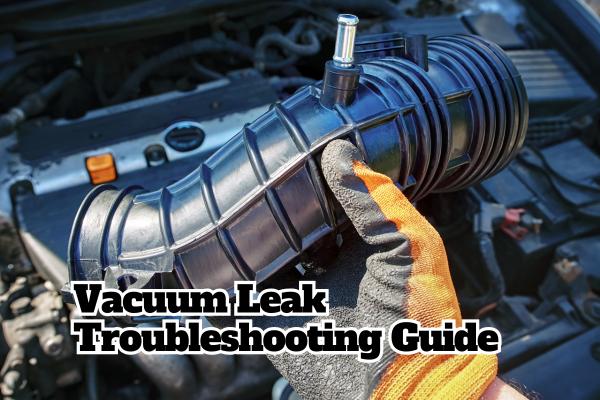
Is your car’s engine not running smoothly, or do you hear a strange hissing sound when you drive? You might be dealing with a vacuum leak.
These leaks can be sneaky, causing poor performance and even impacting your fuel efficiency. But the big question on your mind is likely, “How much will it cost to fix? ” Understanding the potential costs can help you make informed decisions and avoid any surprise expenses.
We’ll explore what factors influence the repair costs of a vacuum leak in your car, helping you get back on the road without breaking the bank. Read on to discover everything you need to know to address this issue with confidence.
Causes Of Vacuum Leaks
Vacuum leaks can be tricky to diagnose, but understanding their causes is key to fixing them effectively. These leaks happen when air enters the engine in places it shouldn’t, disrupting the air-fuel mixture your car needs to run smoothly. Identifying what causes these leaks helps you save money and avoid bigger engine problems down the road.
Common Leak Sources
Vacuum leaks often come from worn or damaged parts in your car’s intake system. Here are some usual suspects:
- Cracked or brittle vacuum hoses:Over time, heat and age can cause hoses to crack or become loose, letting air in.
- Faulty intake manifold gaskets:These gaskets seal the intake manifold to the engine; if they fail, air can sneak through.
- Loose or damaged throttle body:The throttle body controls airflow into the engine; any gaps here may cause leaks.
- Brake booster leaks:Since the brake booster uses vacuum pressure, leaks here can affect both brakes and engine performance.
- PCV valve problems:The Positive Crankcase Ventilation valve regulates gases inside the engine; if it malfunctions, it can create a vacuum leak.
I once ignored a small crack in a vacuum hose because the engine seemed fine. Soon enough, the car started idling roughly and stalling. Fixing that tiny hose saved me from a costly repair later.
Signs Of A Vacuum Leak
How do you know if your car has a vacuum leak? These symptoms usually show up:
- Rough idle or stalling:The engine may run unevenly or shut off when idling.
- Check engine light:A vacuum leak often triggers error codes related to airflow or fuel mixture.
- Hissing sound:You might hear a high-pitched hiss near the engine, indicating escaping air.
- Poor fuel economy:The engine burns more fuel trying to compensate for the extra air entering.
- Loss of power:Your car may feel sluggish, especially during acceleration.
Have you noticed your car acting strangely but can’t pinpoint why? Listening for unusual sounds or watching the check engine light closely could lead you to a vacuum leak before it worsens.
Impact On Car Performance
A vacuum leak in your car can silently sabotage its performance without obvious warning signs. Understanding how this issue impacts your vehicle is key to deciding how urgently you need to address it. Let’s break down the main ways a vacuum leak affects your car’s behavior on the road.
Engine Issues
A vacuum leak disrupts the delicate air-fuel mixture your engine relies on. This can cause your engine to run rough, stall unexpectedly, or hesitate when accelerating.
You might notice unusual engine sounds like hissing or a higher idle speed. These are your car’s way of signaling that something is off.
Ignoring these signs can lead to more serious problems like engine misfires or damage to components such as spark plugs. Have you ever experienced your car stalling at a crucial moment? That could be the vacuum leak playing a role.
Fuel Efficiency Problems
When a vacuum leak is present, your engine may compensate by burning more fuel. This means you’ll find yourself filling up the tank more often, even though you haven’t changed your driving habits.
Besides increased fuel consumption, the unsteady air flow can cause inconsistent mileage readings. This makes it harder to track your car’s true fuel efficiency.
Fixing a vacuum leak can restore better fuel economy and save you money in the long run. Have you checked if your recent fuel bills might hint at this hidden issue?
Diagnosing Vacuum Leaks
Diagnosing a vacuum leak is the crucial first step before deciding how much to fix it. A leak can cause your engine to run rough, lose power, or even stall unexpectedly. Finding the source of the leak quickly saves you time and money, but it requires the right approach.
Diy Detection Methods
You can start by listening closely to your engine. A hissing sound near the intake manifold or vacuum hoses often signals a leak.
Try spraying a little carburetor cleaner or soapy water around the suspected areas while the engine is running. If the engine speed changes or bubbles form, you’ve likely found the leak.
Another simple trick is to use your hand carefully to feel for escaping air along vacuum lines. This hands-on approach often catches leaks that are easy to miss.
Professional Diagnostic Tools
If you want more precision, mechanics use tools like smoke machines. These inject smoke into the vacuum system, revealing leaks as smoke escapes visibly from cracks or loose fittings.
Another tool is a vacuum gauge, which measures system pressure and helps identify leaks indirectly by showing abnormal readings.
These tools can pinpoint leaks hidden deep inside the engine bay, saving you guesswork and making repairs more accurate.

Credit: www.youtube.com
Repair Options
Fixing a vacuum leak in a car involves different repair options. These options depend on the leak’s size and location. Some repairs are simple and cheap. Others require new parts and more work. Understanding these options helps choose the right fix for your car.
Minor Repairs
Minor repairs often involve sealing small cracks or holes. Mechanics use special sealants or tape designed for vacuum leaks. These repairs take less time and cost less money. They usually restore proper engine function quickly.
Small leaks in hoses or connectors are common targets for minor repairs. Sometimes, just tightening clamps or replacing worn-out gaskets solves the problem. These fixes prevent air from escaping and improve engine performance.
Parts Replacement
Replacing parts becomes necessary when damage is too big for minor repairs. Common parts replaced include vacuum hoses, valves, and intake manifolds. New parts ensure the leak does not return and maintain engine efficiency.
Parts replacement costs more but offers a long-term solution. Using quality parts is important to avoid future leaks. A mechanic will inspect the system and recommend which parts need replacement.
Cost Breakdown
Understanding the cost breakdown for fixing a vacuum leak in a car helps manage expectations. Different factors influence the total price. These include labor, parts, and extra fees. Each plays a key role in the final bill.
Labor Charges
Labor costs vary by location and mechanic expertise. Most shops charge between $50 and $120 per hour. Fixing a vacuum leak usually takes one to two hours. Complex leaks may require more time, increasing labor fees.
Parts Pricing
Parts needed depend on the leak’s source. Common parts include hoses, gaskets, and seals. Prices range from $10 to $100. Some cars use more expensive or hard-to-find parts. Using original equipment manufacturer (OEM) parts can raise costs.
Additional Fees
Additional fees may appear on the bill. Diagnostic fees for locating the leak often cost $50 to $100. Some shops add environmental or disposal fees. Taxes and shop supplies charges might also be included.

Credit: www.youtube.com
Ways To Save On Repairs
Fixing a vacuum leak in your car can be costly, but there are smart ways to lower the repair bill without sacrificing quality. Knowing where to cut costs can save you a significant amount of money, especially if you understand the options available to you. Here are practical tips to help you save on repairs while keeping your car running smoothly.
Choosing The Right Mechanic
Finding a trustworthy mechanic can make a big difference in your repair costs. Independent shops often charge less than dealerships but still provide quality work. Ask around for recommendations or check online reviews to find a skilled mechanic who won’t overcharge.
Don’t hesitate to get multiple quotes before deciding. Sometimes, a less expensive mechanic can fix the vacuum leak just as well without adding unnecessary services. Have you ever compared prices and ended up saving more than you expected?
Using Aftermarket Parts
Aftermarket parts are a great way to cut down your expenses. These parts are often cheaper than original equipment manufacturer (OEM) parts but can be just as reliable. Make sure you buy from reputable brands to avoid poor quality components.
Replacing a vacuum hose or gasket with a high-quality aftermarket part can lower your bill significantly. This approach worked for a friend who saved nearly 40% on his repair by choosing aftermarket parts. Would you consider this option if it means keeping your car safe and your wallet happy?
Preventing Future Leaks
Preventing vacuum leaks in your car saves money and avoids engine problems. Small leaks can cause big issues if ignored. Regular care keeps your vehicle running smoothly. Understanding simple steps helps stop leaks before they start.
Regular Maintenance Tips
- Check hoses and connections for cracks or wear.
- Replace damaged vacuum lines immediately.
- Keep engine parts clean from dirt and debris.
- Use quality replacement parts for repairs.
- Schedule routine engine inspections with a mechanic.
- Ensure clamps and fittings are tight and secure.
Early Warning Signs
- Engine runs rough or stalls at idle.
- Check engine light turns on unexpectedly.
- Reduced fuel efficiency noticed during driving.
- Hissing sound near the engine area.
- Poor acceleration or loss of power.
- Unusual engine vibrations or noises.
Credit: www.cgsulitstore.com
Frequently Asked Questions
How Much Does Fixing A Vacuum Leak Cost?
Fixing a vacuum leak typically costs between $100 and $300. Labor and parts influence the price. Minor leaks might be cheaper, while complex repairs cost more.
What Factors Affect Vacuum Leak Repair Cost?
Repair cost depends on leak size, location, and labor rates. Parts needed and vehicle make also impact the total expense.
Can I Fix A Vacuum Leak Myself?
Yes, minor vacuum leaks can be fixed with basic tools. However, complex leaks require professional diagnosis and repair for safety and accuracy.
How Long Does Vacuum Leak Repair Take?
Repair time ranges from 30 minutes to a few hours. It depends on leak severity and vehicle complexity.
Conclusion
Fixing a vacuum leak in your car can save money and improve performance. Costs vary depending on the leak’s size and location. Small leaks may only need a simple patch or gasket replacement. Larger leaks might require professional help and more parts.
Acting quickly prevents bigger engine problems later. Regular car check-ups help spot leaks early. Knowing repair costs helps you plan your budget wisely. Keep your car running smoothly by addressing vacuum leaks soon. Don’t wait until small issues turn into costly repairs.