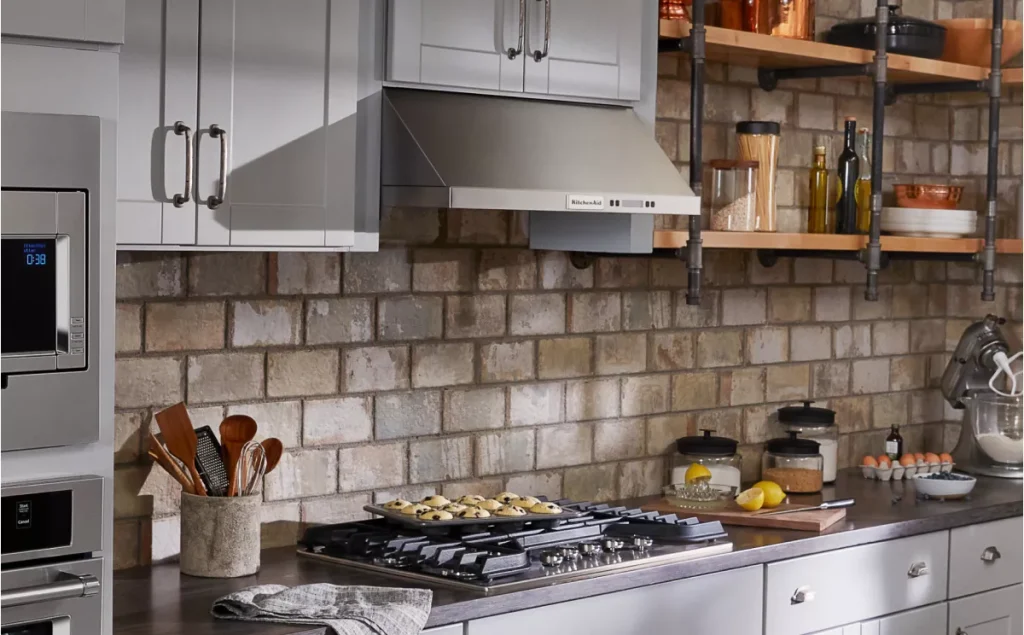
Thinking about installing a range hood in your kitchen? You probably want to know one key thing first: how much will it cost?
Whether you’re upgrading your cooking space or adding a new ventilation system, understanding the price range can save you time and surprise expenses. You’ll discover clear, straightforward answers about installation costs, what affects the price, and how to get the best value for your money.
Keep reading, and you’ll be ready to make the smartest choice for your home and budget.

Credit: www.angi.com
Range Hood Types
Understanding range hood types is crucial before installation. Different types offer unique features and fit various kitchen designs. Knowing the differences helps you choose the right one for your needs.
Wall-mounted Hoods
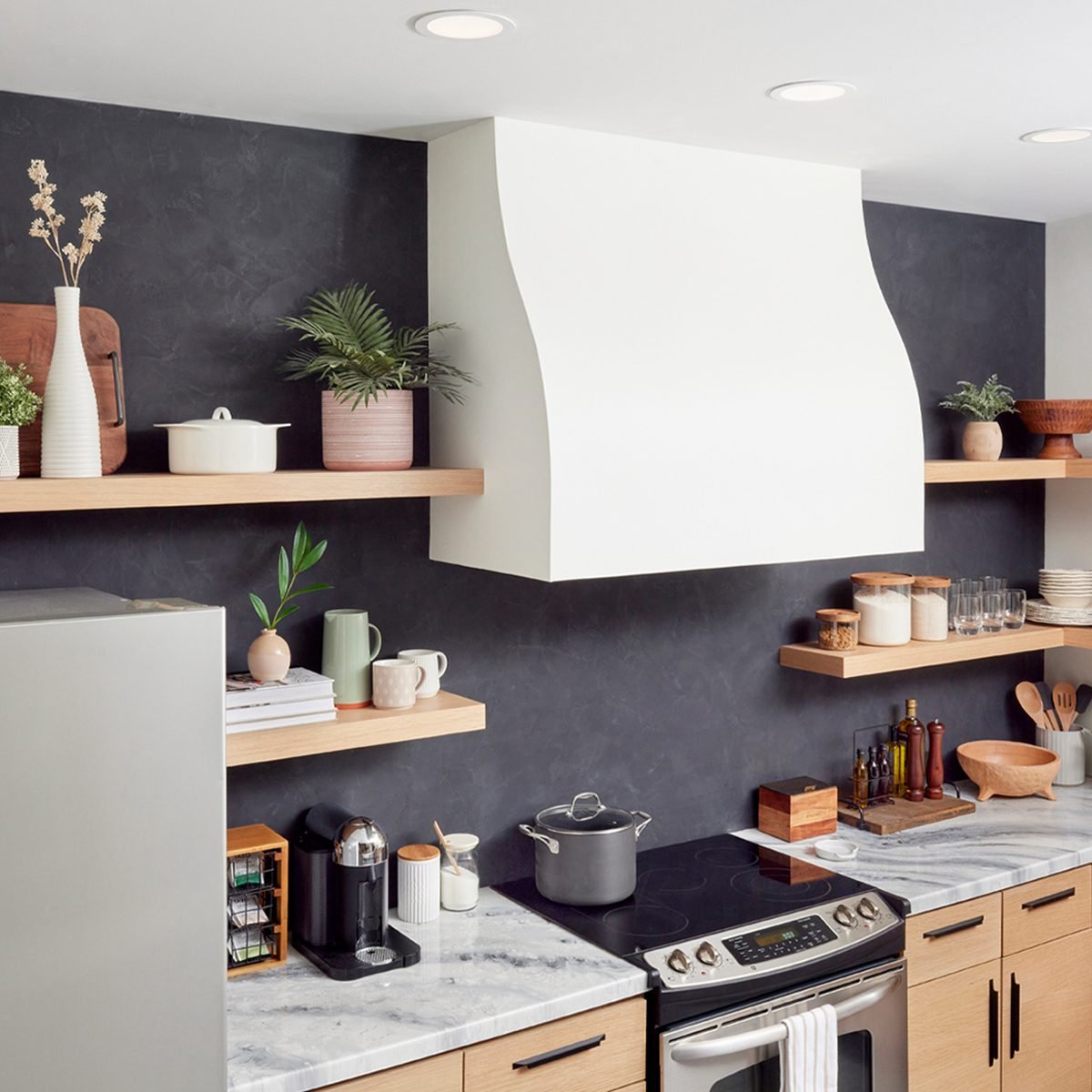
Wall-mounted hoods attach to the wall above your cooktop. They are ideal for kitchens where the stove is against a wall. These hoods come in various designs and materials. They often serve as a focal point in the kitchen.
Island Hoods
Island hoods are perfect for stoves located on a kitchen island. They hang from the ceiling and capture smoke and odors effectively. These hoods require more installation work than wall-mounted types. They add a modern touch to open kitchen spaces.
Under-cabinet Hoods
Under-cabinet hoods fit snugly beneath kitchen cabinets. They are space-saving and blend well with cabinet lines. These hoods work well in small kitchens. They are usually more affordable than other types.
Downdraft Hoods
Downdraft hoods are unique as they pull air downwards. They are great for kitchens with limited upper space. Installed behind or beside the cooktop, they rise when needed. This type suits minimalist kitchen designs.
Factors Influencing Cost
The cost of installing a range hood varies based on several important factors. These factors affect the price and final outcome of your kitchen upgrade. Understanding them helps plan your budget smartly.
Each factor influences both the product price and installation charges. Knowing what impacts the cost makes choosing easier and clearer.
Size And Power
The size of the range hood plays a big role in cost. Larger hoods cover more cooking area but cost more. Power, measured in cubic feet per minute (CFM), affects price too. Higher CFM means stronger ventilation and often higher cost.
Smaller kitchens may need less powerful hoods, reducing expenses. Bigger cooking spaces require larger, stronger models, increasing the price.
Material And Finish
Range hoods come in different materials like stainless steel, copper, or glass. Stainless steel is common and mid-priced. Copper and glass finishes are stylish but cost more. The finish affects both price and durability.
Choosing a material that matches your kitchen style also impacts cost. Simple finishes cost less, while premium ones add to the price.
Ventilation Type
Range hoods have different ventilation types: ducted or ductless. Ducted hoods vent air outside, needing extra ductwork. This adds to installation cost.
Ductless hoods recycle air using filters. They are easier and cheaper to install but less effective. The type you pick changes both the hood price and installation fees.
Installation Complexity
Installation cost depends on how hard the job is. Simple installations in existing ductwork cost less. New ductwork or custom placements increase labor and materials.
Wall-mounted hoods may cost less to install than island hoods. Electrical work, ceiling height, and kitchen layout also affect complexity and price.
Range Hood Price Breakdown
Understanding the cost of installing a range hood helps in planning your kitchen upgrade. Prices vary widely based on style, size, and features. This breakdown shows typical price ranges for different types of range hoods. It helps to find one that fits your budget and needs.
Entry-level Models
Entry-level range hoods offer basic ventilation. They usually cost between $100 and $300. These models fit small kitchens or simple cooking needs. Features include:
- Basic fan speeds
- Simple lighting
- Standard filters
Installation is often straightforward and affordable. These hoods work well for light cooking and small spaces.
Mid-range Options
Mid-range range hoods cost from $300 to $700. They offer better airflow and more features. You get:
- Multiple fan speeds
- Improved lighting options
- Quiet operation
- Stylish designs
These hoods suit most home kitchens. Installation may require extra time or parts. They balance price and performance well.
High-end Choices
High-end range hoods start around $700 and can exceed $2,000. These models boast powerful ventilation and advanced features. Examples include:
- Smart controls
- Energy-efficient motors
- Custom finishes
- Noise reduction technology
Installation for these may involve professional help and higher costs. They provide excellent air quality and fit luxury kitchens perfectly.

Credit: www.jcperreault.com
Installation Cost Components
Understanding the cost components for installing a range hood helps plan your budget well. Several factors affect the total price. These include labor, materials, and legal requirements. Each part plays a key role in the final cost.
Labor Charges
Labor costs cover the work done by professionals. This includes mounting the range hood and connecting it to power and vents. Skilled installers charge by the hour or a flat fee. Complex installations with extra steps raise labor costs.
Ductwork And Venting
Proper ductwork ensures the range hood removes smoke and odors effectively. Installing or upgrading vents adds to the expenses. The length and type of duct affect prices. Materials like metal ducts cost more than flexible ones.
Electrical Work
Range hoods require electrical wiring for power. Sometimes new wiring or outlets are necessary. Hiring an electrician increases the overall cost. Safety and code compliance must be maintained during electrical work.
Permits And Inspections
Local rules may require permits before installation. Inspections ensure the work meets safety standards. Permit fees vary by area and project size. Skipping permits can lead to fines or future problems.
Diy Vs Professional Installation
Deciding between installing your range hood yourself or hiring a professional can affect your budget, timeline, and the final result. Both options have clear advantages and drawbacks that depend on your skills, tools, and the complexity of the job. Let’s break down what you should consider before making this important choice.
Pros And Cons Of Diy
Installing a range hood on your own can save you money on labor costs. If you enjoy hands-on projects and have some basic electrical and carpentry skills, this might be a satisfying challenge.
- Pros:
- Lower cost since you only pay for materials and tools.
- Complete control over the installation process and timing.
- Opportunity to learn new skills and increase your home DIY experience.
- Cons:
- Potential safety risks if you’re unfamiliar with electrical wiring or ventilation requirements.
- Time-consuming, especially if you run into unexpected problems like wall studs or ductwork issues.
- Improper installation can lead to poor performance or damage to your home.
I once tried installing a range hood myself to save costs but underestimated the difficulty of aligning the ductwork. It took extra hours and a trip to the hardware store to get the right parts, which made me rethink the value of professional help.
When To Hire A Pro
If your range hood requires complex ducting, electrical hookups, or modifications to cabinetry, professional installation is often the safer bet. Licensed installers have the tools and experience to handle tricky situations efficiently.
- When your home’s wiring or ventilation system needs upgrading.
- If the installation involves cutting into walls or ceilings.
- When local building codes or warranty terms require certified installation.
Think about whether you want a guarantee on the work and faster completion time. Professionals can often spot hidden issues early, preventing costly mistakes down the road. Would you rather spend extra on expertise or risk costly repairs later?
Cost-saving Tips
Installing a range hood can be a significant investment, but smart choices can help you keep costs down without sacrificing quality or style. Knowing where to save and when to spend makes all the difference. Let’s look at practical tips that can help you manage your budget effectively while getting the best results.
Choosing The Right Size
Picking the correct size range hood is crucial for both performance and cost. A hood that’s too large will cost more upfront and waste energy. On the other hand, a smaller unit might not ventilate your kitchen properly, causing issues later.
Measure your cooktop width carefully, and opt for a range hood that matches it. This avoids paying extra for unnecessary capacity. Have you checked if your kitchen layout limits your size options? That can help you narrow down your choices quickly.
Bundling With Kitchen Renovations
If you’re planning other kitchen upgrades, adding the range hood installation to the same project can save you money. Contractors often give discounts for bundled work because it reduces labor costs and scheduling hassles.
Consider timing your purchase and installation alongside cabinet refacing or countertop replacement. This way, you avoid multiple service calls and can negotiate better deals. Have you asked your contractor about package pricing yet?
Seasonal Discounts
Sales events and holiday promotions can significantly lower the price of range hoods. Retailers often mark down kitchen appliances during Black Friday, New Year, or end-of-season sales.
Keep an eye on ads and sign up for newsletters from appliance stores to catch these deals early. Buying during these periods means you get a high-quality model at a fraction of the cost. What’s stopping you from planning your purchase around these savings?
Additional Features Affecting Price
Additional features can significantly impact the price of installing a range hood. These extras improve convenience, efficiency, and overall user experience but often come at a higher cost. Understanding which features matter most to you helps in making a smart investment without overspending.
Lighting Options
Lighting plays a crucial role in your kitchen’s ambiance and functionality. Some range hoods come with basic halogen or LED lights, while others offer adjustable brightness or color temperature settings. Adding advanced lighting options can increase the price by $50 to $150, but the improved visibility and mood lighting may be worth it for your cooking space.
Smart Controls
Smart controls allow you to operate your range hood via smartphone apps or voice commands. This feature adds convenience, letting you adjust fan speed or lighting without getting near the stove. However, expect to pay $100 to $300 extra for smart-enabled models. Ask yourself if remote control and automation are priorities in your kitchen setup.
Noise Levels
Quiet operation is a top concern for many homeowners. Premium range hoods often include noise-reducing technology that keeps sound levels below 60 decibels. These quieter models generally cost $100 or more than standard versions. Consider how much noise bothers you during cooking before opting for this feature.
Regional Cost Variations
Costs to install a range hood can vary widely depending on where you live. Regional differences affect both the price of materials and the cost of hiring professionals. Understanding these variations can help you budget more accurately and avoid surprises.
Urban Vs Rural Pricing
In cities, the demand for skilled labor and limited space often push prices higher. You might pay more for installation in an apartment or condo where access is tricky. On the other hand, rural areas generally have lower labor costs but may face higher expenses for materials due to shipping.
Think about your own location: Are you closer to a major city or in a less populated area? This can change your overall installation cost by hundreds of dollars. Sometimes, rural installers charge extra for travel time, which adds to the final bill.
Local Labor Rates
Labor rates vary not just by region but also by the expertise level of the installer. Licensed electricians or specialized contractors tend to charge more but can ensure the job meets safety standards. If you find a cheaper option, ask about their experience and certifications.
Labor costs also depend on how complex your installation is. For example, if your home needs new ductwork or electrical wiring, expect the price to rise. You can save money by getting multiple quotes and comparing what’s included in each.
- Urban areas may charge $70-$100 per hour for labor
- Rural rates might be around $40-$60 per hour
- Specialized installers could cost more but reduce risk of errors
Have you checked local rates before deciding on an installer? Knowing this can help you negotiate and choose the best option for your budget and needs.
Credit: www.familyhandyman.com
Frequently Asked Questions
How Much Does Range Hood Installation Cost?
Range hood installation typically costs between $300 and $1,200. Factors like hood type, ductwork, and labor affect the price. Simple installations with existing ducts are cheaper. Complex setups with new ductwork increase costs. Always get multiple quotes for the best price.
What Affects The Price Of Installing A Range Hood?
Installation price depends on hood size, type, and venting method. Ducted hoods cost more due to extra labor and materials. Wall-mounted or island hoods generally require more work. Electric and under-cabinet models are less expensive to install.
Can I Install A Range Hood Myself To Save Money?
DIY installation is possible if you have basic electrical and carpentry skills. However, improper setup can cause ventilation issues or safety risks. Hiring a professional ensures code compliance and proper function. Consider your skill level before attempting DIY installation.
How Long Does It Take To Install A Range Hood?
Professional installation usually takes 2 to 4 hours. Time varies based on hood complexity and kitchen layout. Simple replacements are quicker, while new ductwork extends time. Scheduling an appointment with a licensed installer ensures timely completion.
Conclusion
Installing a range hood costs vary based on size and type. Basic models cost less, while powerful ones are pricier. Labor fees depend on your kitchen’s setup and location. Proper installation improves air quality and keeps your kitchen fresh. Think about your cooking needs before choosing a range hood.
Spending a bit more can save money on repairs later. A good range hood adds value and comfort to your home. Take time to compare prices and options carefully. Quality and fit matter most for long-term satisfaction.