
Thinking about installing a range hood vent in your kitchen? You’re probably wondering, “How much will it cost?” This is an important question because a range hood not only keeps your kitchen smelling fresh but also helps remove smoke, grease, and heat while you cook.
Knowing the costs upfront can save you from unexpected expenses and help you plan your budget better. You’ll discover the key factors that affect the price, what to expect during installation, and tips to get the best value. Keep reading to make sure you get the right range hood vent without breaking the bank.
Range Hood Vent Types
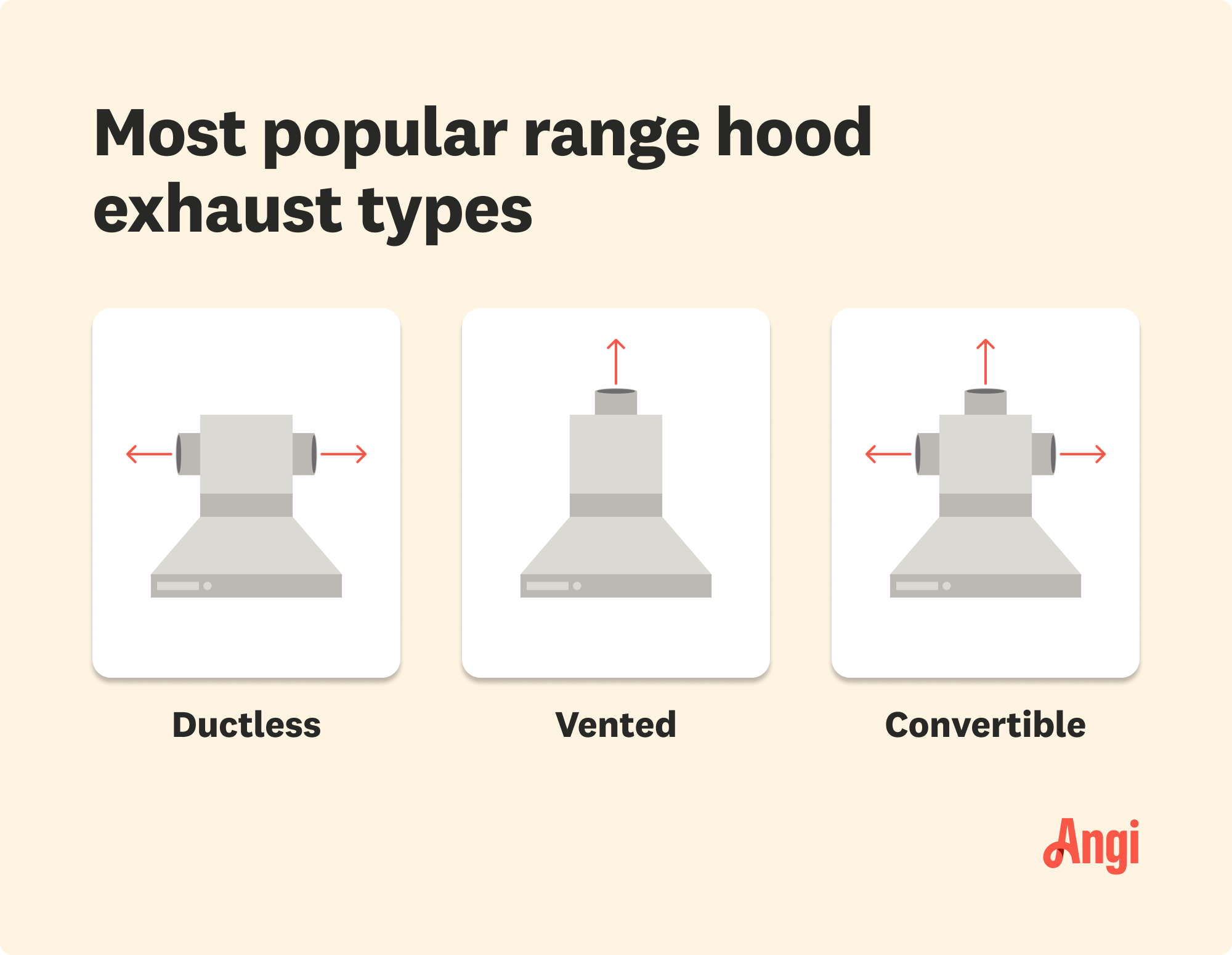
Choosing the right range hood vent type is crucial for your kitchen. Different vent types serve different needs. They impact installation costs and kitchen efficiency.
Ducted Vents
Ducted vents push air outside the home. They require ductwork installation. This can be more costly. They effectively remove smoke and odors. Ideal for frequent cooking. Ensure you have exterior wall access.
Ductless Vents
Ductless vents recirculate air back into the kitchen. They use filters to clean the air. Installation is simpler and less costly. Suitable for apartments or homes without exterior access. Filters require regular replacement.
Convertible Options
Convertible vents offer flexibility. They can switch between ducted and ductless. Ideal for those unsure about permanent choices. Initial costs can be higher. Provides adaptability for future kitchen updates.

Credit: www.create-enjoy.com
Factors Affecting Installation Cost
Understanding what influences the cost of installing a range hood vent can help you plan your budget better. Several key factors play a role in determining the final price. Knowing these can also help you make smarter choices that fit your kitchen and wallet.
Vent Material
The type of material you choose for the vent affects both durability and price. Common options include stainless steel, aluminum, and galvanized steel. Stainless steel tends to cost more but offers better longevity and a sleek look.
Think about your kitchen style and how often you cook. A heavy-duty material might save you money in repairs later. Would you rather spend more upfront or risk frequent replacements?
Kitchen Layout
Your kitchen’s design impacts how easy or difficult the installation will be. If your stove is near an exterior wall, venting outside is simpler and cheaper. However, if the vent must run through multiple walls or ceilings, labor and materials add up quickly.
Consider the distance from the hood to the outside vent. Longer distances may require additional ducting and support. Have you measured your kitchen space to anticipate these challenges?
Existing Ductwork
Using existing ductwork can lower costs, but only if it’s in good condition. Old or damaged ducts might need replacement or cleaning, which adds to expenses. Also, the size and layout of current ducts must match your new range hood’s requirements.
Sometimes, adapting old ductwork is more expensive than installing new ducts. Have you inspected your current setup or consulted a professional to avoid surprises?
Electrical Requirements
Range hoods need proper electrical connections to function safely. If your kitchen lacks suitable outlets or wiring, electricians may need to upgrade the system. This work can significantly increase installation costs.
Check if your hood requires a dedicated circuit or special voltage. Planning this early can prevent delays and extra charges. Are you ready to update your kitchen’s electrical setup if needed?
Cost Breakdown
Understanding the cost breakdown for installing a range hood vent helps plan your budget clearly. Costs vary based on the type of hood, labor, materials, and local rules. Knowing each part of the expense makes it easier to manage your project.
Range Hood Price
The price of a range hood depends on size, style, and brand. Basic models start around $100. Mid-range hoods usually cost between $300 and $700. High-end or custom designs can exceed $1,000. Choosing the right hood affects your total cost.
Installation Labor
Labor costs depend on the complexity of the installation. Simple setups may take a few hours. Complex venting or electrical work takes longer and costs more. Expect to pay between $200 and $600 for professional installation.
Additional Materials
Materials such as ductwork, vent covers, and mounting brackets add to the cost. Ducting length and type impact material prices. Typical materials cost ranges from $50 to $200. Quality materials ensure safe and efficient venting.
Permits And Inspections
Local regulations may require permits and inspections. Permit fees vary by location but usually range from $50 to $200. Inspections confirm proper installation and safety compliance. This step protects your home and investment.
Credit: www.angi.com
Diy Vs Professional Installation
Deciding between installing a range hood vent yourself or hiring a professional affects cost and outcome. Both choices have benefits and challenges. Understanding these helps in making the best decision for your kitchen project.
Pros And Cons Of Diy
Installing a range hood vent yourself can save money on labor costs. You only pay for the materials and tools. It gives a sense of achievement once complete. Learning new skills is also a plus.
DIY requires time and effort. Mistakes can lead to poor ventilation or damage. Proper tools and knowledge are necessary for safe installation. It might take longer than a professional job. Some installations need permits or inspections that DIY cannot handle easily.
When To Hire Experts
Hire professionals for complex venting systems or unusual kitchen layouts. They ensure the hood is correctly placed and vented outside. Experts work faster and meet local codes. This reduces risks of fire or air quality issues.
Choose experts if you lack experience in electrical or ductwork tasks. They have the right tools and training. Professionals also provide warranties and handle permits. This adds peace of mind and long-term reliability.
Saving On Installation
Saving on the installation of a range hood vent helps keep your kitchen upgrade affordable. Small choices affect the total cost significantly. Smart planning and timing reduce expenses without sacrificing quality. Consider these strategies to cut costs effectively.
Choosing Budget-friendly Models
Selecting a range hood vent with basic features lowers the initial price. Simple models use less complex installation methods. Avoid high-end designs with custom ductwork needs. Focus on reliable brands offering good performance at a lower cost. This approach simplifies the setup and reduces labor charges.
Bundling With Kitchen Renovations
Combine range hood installation with other kitchen projects. Contractors already working on your kitchen save time and travel costs. Coordinating multiple tasks means fewer separate service calls. This bundling often results in discounted labor rates. Plan installations during larger remodels for best pricing.
Seasonal Discounts
Many retailers and installers offer sales during off-peak seasons. Shopping in late fall or winter can reveal better deals. Watch for holiday promotions and clearance events. Booking installation during these times often lowers fees. Timing your purchase and installation pays off.

Credit: prolinerangehoods.com
Common Installation Challenges
Installing a range hood vent sounds straightforward until you hit unexpected roadblocks. These common challenges can increase costs and delay your project. Understanding these issues helps you plan better and avoid costly surprises.
Limited Space Issues
Kitchen layouts often leave minimal room for vent installation. Tight spaces can restrict your options for vent size and placement. I once had to custom-fit a hood in a narrow kitchen, which added both time and expense.
When space is limited, you might need to consider low-profile or ductless range hoods. But remember, these alternatives might affect ventilation efficiency. Have you checked your kitchen dimensions carefully before buying your hood?
Vent Routing Problems
Running ductwork from your range hood to the outside isn’t always simple. Obstacles like walls, cabinets, or plumbing can force complex vent routes. Longer or curved ducts reduce airflow and may require more powerful—and expensive—fans.
Planning your vent path early saves headaches later. Sometimes, relocating the hood or choosing a different venting direction can make a big difference. Are you ready to trace potential vent routes before installation?
Noise And Ventilation Concerns
Noise is a common complaint after installing a range hood. Cheap or improperly installed fans can sound like a jet engine. I’ve seen homeowners regret not investing in quieter models upfront.
Good ventilation should clear smoke and odors quickly without overwhelming noise. Look for models with variable speed settings and sound ratings. What level of noise are you willing to tolerate in your kitchen?
Maintenance And Long-term Costs
Maintaining your range hood vent properly is key to avoiding unexpected costs down the line. While the upfront installation price is important, understanding the ongoing expenses helps you budget better. Let’s break down the typical maintenance tasks and their long-term financial impact.
Filter Replacement
Filters catch grease and particles, so they wear out over time. Depending on your model, you might need to replace charcoal or mesh filters every 3 to 6 months.
Reusable metal filters can be cleaned instead of replaced, which saves money but requires regular upkeep. Keep in mind that failing to replace or clean filters can reduce your hood’s efficiency, leading to higher energy use.
Ask yourself: Are you ready to invest in quality filters that last longer or prefer low-cost replacements more often?
Cleaning Tips
Regular cleaning keeps your range hood working smoothly and prevents buildup that could cause damage. Wipe down surfaces weekly with mild soap and warm water to remove grease.
Don’t forget the fan blades and vent ducts—these areas trap grime and affect airflow. Scheduling deep cleans a couple of times a year can save you from costly repairs later.
Consider setting reminders or making cleaning part of your kitchen routine to protect your investment.
Repair Expenses
Over time, parts like the fan motor, switches, or lights may fail. Repair costs vary but can range from $100 to $400 depending on the issue and labor fees.
Ignoring minor problems often leads to bigger repairs or total replacement. Keep an eye on unusual noises or reduced suction as early warning signs.
Would you rather spend a little regularly on maintenance or face a hefty repair bill unexpectedly?
Frequently Asked Questions
How Much Does Range Hood Vent Installation Cost?
Range hood vent installation typically costs between $300 and $1,200. The price depends on vent type, kitchen layout, and labor rates.
What Factors Affect Range Hood Vent Installation Price?
Cost varies due to vent size, duct length, wall type, and electrician fees. Complex setups or long ducts increase expenses.
Can I Install A Range Hood Vent Myself?
DIY installation is possible but requires basic electrical and ductwork skills. Incorrect setup can cause ventilation problems or safety risks.
How Long Does Range Hood Vent Installation Take?
Installation usually takes 2 to 4 hours. Time varies based on vent complexity and kitchen configuration.
Conclusion
Installing a range hood vent can fit many budgets. Costs vary by size, type, and installation difficulty. Choosing the right vent helps keep your kitchen fresh. Proper installation improves air quality and reduces smoke. Planning ahead avoids unexpected expenses and delays.
Compare prices and ask for quotes before deciding. A well-installed vent adds value to your home. Take your time to pick the best option. Good ventilation makes cooking safer and more enjoyable.