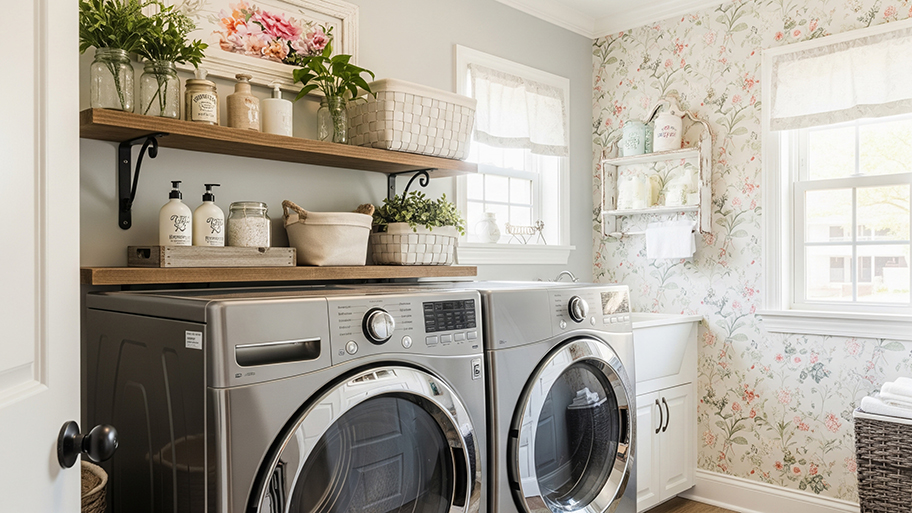
Are you thinking about adding washer and dryer connections to your home but unsure how much it will cost? You’re not alone.
Many homeowners face this question when upgrading their laundry space. Knowing the right budget ahead of time can save you from unexpected expenses and stress. You’ll discover the key factors that affect the cost, what to expect from professionals, and tips to keep your installation affordable.
Keep reading to get the clear answers you need before starting your project.
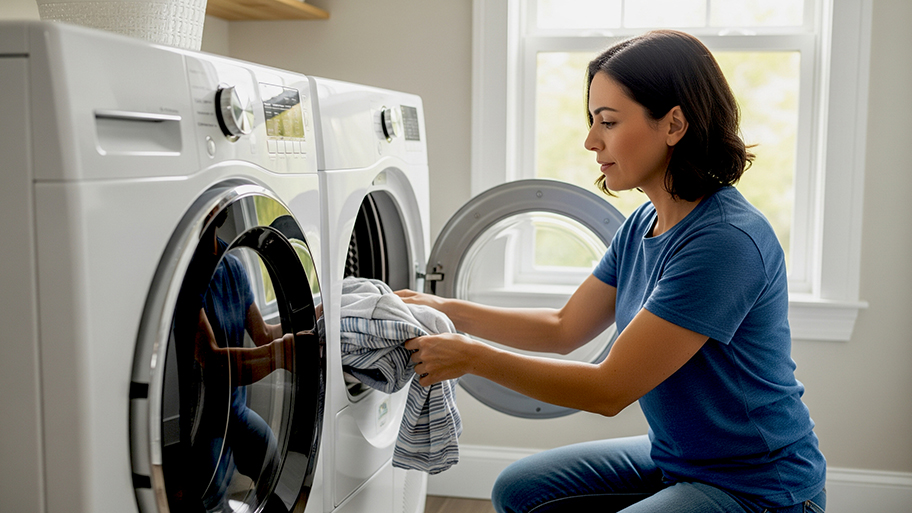
Credit: www.angi.com
Washer And Dryer Connection Basics
Installing washer and dryer connections requires understanding the basic needs. Proper connections keep your laundry area safe and functional.
This guide covers the main types of connections and the tools you need. Knowing these basics helps with setup and repairs.
Types Of Connections Needed
Washers and dryers need specific hookups to work correctly. Each appliance has unique connection types that must be installed properly.
- Water Supply Lines:Hot and cold water lines connect to the washer.
- Drainage:A drain pipe removes used water from the washer.
- Electrical Outlet:Washers usually need a standard 120-volt outlet.
- Dryer Vent:A vent pipe removes hot air and moisture from the dryer.
- Dryer Electrical Connection:Electric dryers require a 240-volt outlet; gas dryers need a gas line and 120-volt power.
Essential Tools And Materials
Using the right tools and materials makes installation easier and safer. Prepare these items before starting your project.
| Tool or Material | Purpose |
| Adjustable Wrench | Tightens water supply connections |
| Pipe Tape | Seals threaded water connections |
| Drain Hose | Connects washer to drain pipe |
| Dryer Vent Kit | Directs hot air outside |
| Electrical Tester | Checks power supply safety |
| Screwdriver | Secures electrical and vent components |
Factors Influencing Installation Costs
Installing washer and dryer connections costs can vary a lot. Several factors affect the total price. Knowing these helps you plan your budget well.
Each home has different needs. The setup you have now and the type of machines you choose change the cost too.
Location And Accessibility
The place where you want to install the washer and dryer matters. Easy access lowers the cost.
If the laundry area is hard to reach, the work takes longer. This raises the price. Tight spaces may need extra tools or care.
- Basements might need more plumbing work
- Remote spots require longer wiring or pipes
- Small rooms can slow down installation
Existing Plumbing And Electrical Setup
Your current plumbing and electrical systems impact cost. Ready connections make installation cheaper.
If pipes or wires need updating, the price goes up. Older homes often require more work to meet safety rules.
- Water supply lines must be nearby
- Drainage systems need to handle washer output
- Electrical outlets should support appliance power needs
Type Of Washer And Dryer
The kind of washer and dryer you pick changes installation costs. Different models need different setups.
Stacked units or large capacity machines may need special fittings or space changes. Gas dryers require gas lines, which add cost.
- Standard electric dryers need a 240-volt outlet
- Gas dryers require gas hookups and venting
- Compact washers fit small spaces but may need custom plumbing
Labor Charges
Labor costs depend on the installer’s rates and time needed. Skilled plumbers and electricians charge more.
Complex installations take longer, raising labor fees. Simple setups cost less because they need less time and effort.
- Licensed professionals charge higher rates
- Work hours affect total labor cost
- Emergency or weekend work costs extra
Cost Breakdown For Washer Installation
Installing washer and dryer connections costs vary by the home’s setup. It depends on plumbing, drainage, and water supply needs.
Understanding each cost part helps you plan your budget better. This guide breaks down the main expense areas.
Plumbing Requirements
Washer installation needs specific plumbing work. Pipes must be correctly placed and secure to avoid leaks.
Plumbing costs depend on pipe type, length, and labor. Copper pipes cost more than PVC but last longer.
- Pipe materials: PVC or copper
- Pipe length and routing complexity
- Labor charges for plumbers
- Permits if required by local codes
Drainage Setup
Drainage allows water from the washer to exit safely. It needs a proper drain pipe and trap system.
Drain installation costs include pipe fitting, trap installation, and possible venting. Proper drainage prevents backups.
- Drain pipe materials and size
- Trap installation to block odors
- Venting for smooth water flow
- Labor fees for fitting and testing
Water Supply Lines
Water supply lines connect the washer to hot and cold water sources. They must be leak-proof and easy to access.
Costs include buying hoses, valves, and installing shut-off valves. Good supply lines improve washer performance.
- Hot and cold water hoses
- Shut-off valves for safety
- Quality of materials used
- Installation labor charges

Credit: www.reddit.com
Cost Breakdown For Dryer Installation
Installing dryer connections requires careful planning and budgeting. Costs vary depending on the type of dryer and installation needs.
This guide breaks down key costs for electrical wiring, venting systems, and dryer types.
Electrical Wiring Needs
Dryers need proper electrical wiring to operate safely. Electric dryers usually require a dedicated 240-volt outlet.
- Cost to install a new 240V outlet: $150 to $300
- Upgrading existing wiring may add $100 to $200
- Labor charges vary by electrician and region
Venting System Installation
Dryer venting removes hot air and moisture. Proper vent installation prevents fire risks and improves dryer efficiency.
| Venting Type | Cost Range |
| Basic vent duct installation | $100 – $250 |
| Long or complex duct runs | $250 – $500 |
| Upgrading to metal ducts | $150 – $400 |
Gas Vs Electric Dryers
Gas dryers need gas line connections. Electric dryers require high-voltage outlets. Installation costs differ accordingly.
- Gas dryer hookup: $200 to $400 for gas line installation
- Electric dryer hookup: $150 to $300 for electrical work
- Gas dryers may need professional venting installation
- Electric dryers have simpler venting requirements
Diy Vs Professional Installation
Installing washer and dryer connections can be a big task. You can do it yourself or hire a professional. Each option has its own costs and risks.
Think about your budget and skills before deciding. This guide helps you understand both choices.
Cost Savings And Risks
DIY installation can save money. You only pay for materials. But mistakes can lead to costly repairs. Ensure you follow all safety codes.
Professional installation costs more. You pay for labor and expertise. But you get a guarantee and peace of mind.
- DIY: Save on labor costs
- DIY: Risk of incorrect installation
- Professional: Higher upfront cost
- Professional: Warranty on work
When To Hire A Pro
Hire a professional if you lack plumbing skills. They know building codes and can prevent leaks. This is important for avoiding water damage.
Complex setups need a pro. If your home needs new plumbing or electrical work, a professional will ensure it’s done right.
- New home installations
- Adding new plumbing lines
- Electrical work required
Additional Expenses To Consider
Installing washer and dryer connections often costs more than just the basic setup. Some extra expenses can add up quickly. Knowing these costs helps you plan your budget better.
Here are some common additional expenses you should keep in mind before starting the installation.
Permits And Inspections
Many local areas require permits before installing washer and dryer hookups. This ensures the work meets safety rules. After installation, an inspection might be needed to approve the work.
- Permit application fees vary by location.
- Inspection costs depend on local regulations.
- Delays in permits can increase labor costs.
Upgrading Electrical Panels
Older homes may need electrical panel upgrades to handle the washer and dryer power needs. This upgrade can be costly but is important for safety and performance.
| Upgrade Type | Estimated Cost |
| Basic Panel Upgrade | $500 – $1,000 |
| Full Electrical Rewire | $1,500 – $3,000 |
| Circuit Breaker Addition | $200 – $600 |
Unexpected Repairs
During installation, you might find hidden problems. These can increase your total cost without warning. Common surprises include plumbing leaks or damaged walls.
- Fixing plumbing leaks
- Replacing old pipes
- Repairing drywall or flooring
- Addressing mold or water damage
Tips To Lower Installation Costs
Installing washer and dryer connections can be costly. There are ways to reduce the expenses. Follow these tips to save money on installation.
With careful planning and smart choices, you can lower your installation costs. Here are some effective strategies.
Choosing Affordable Materials
Selecting the right materials can make a big difference. Opt for budget-friendly options that do not compromise quality.
- Compare prices of different brands.
- Look for sales or discounts.
- Consider second-hand or refurbished items.
Scheduling During Off-peak Times
Timing your installation can save you money. Off-peak times often offer reduced rates.
Contact service providers to find out when they have lower charges. Avoid peak season to get better deals.
Bundling Services
Bundling services can lead to discounts. Hire the same company for multiple tasks to save money.
| Service | Potential Discount |
| Washer Installation | 10% |
| Dryer Installation | 10% |
| Combined Installation | 20% |
Ask about package deals to reduce overall costs. This approach can make a significant impact on your budget.

Credit: www.reddit.com
Frequently Asked Questions
How Much Does It Cost To Install Washer Connections?
Installing washer connections typically costs between $150 and $400. The price varies based on labor, materials, and location. Additional plumbing or electrical work may increase the cost. Always get a detailed quote from a licensed professional for accurate pricing.
What Factors Affect Dryer Connection Installation Costs?
Costs depend on dryer type, existing hookups, and labor rates. Gas dryers require gas line installation, raising expenses. Electric dryers may need dedicated circuits or outlets. Accessibility and local code requirements also influence the final price.
Can I Install Washer And Dryer Connections Myself?
DIY installation is possible if you have plumbing and electrical skills. However, improper installation risks leaks, electrical hazards, or code violations. Hiring a licensed professional ensures safety and compliance, especially for gas dryer connections.
How Long Does Washer And Dryer Connection Installation Take?
Most installations take 2 to 4 hours, depending on complexity. Simple hookups with existing plumbing finish faster. New line installations or electrical upgrades require more time. Scheduling a professional ensures efficient and timely completion.
Conclusion
Installing washer and dryer connections costs vary by home and setup. Basic installations are cheaper but complex jobs need more work and parts. Always plan your budget to avoid surprises. Hiring a skilled professional ensures safe and proper work. Taking time to compare prices helps you find the best deal.
Clean, efficient laundry space makes daily chores easier. Small investment now saves headaches later. Ready to make your laundry area functional and convenient?